

You notice it first in quiet moments. A soft, dry cough that lingers after excitement. A faint whistle when your dog breathes out. Or a pant that seems a little too heavy for the amount of effort. It is easy to assume it is “just getting older”, a mild cold, or a breed thing, especially if the dog perks up again quickly.
But ongoing cough and wheeze in dogs often comes from the lower airways, not the throat, and “asthma” is only one part of that conversation. In dogs, vets more commonly talk about inflammatory airway disease such as chronic bronchitis, or conditions like eosinophilic bronchopneumopathy, which can look similar on the surface and need a proper work-up to tell apart.1, 2
What matters in practice is recognising when breathing changes are truly minor, and when they are a sign your dog is working harder than they should. The earlier you get clear on the pattern and the triggers, the more options your vet has to keep the airways comfortable and reduce flare-ups over time.3, 4
What people mean by “asthma” in dogs
True asthma, in the strict sense, is far less clearly defined in dogs than it is in people or cats. When owners say “my dog has asthma”, they often mean episodes of cough, wheeze, and breathing effort that come and go, sometimes with obvious triggers like smoke, dust, or excitement.3, 5
Vets will usually approach this as a question of lower airway inflammation. The underlying diagnosis might be chronic bronchitis, allergic airway disease, infection, heart disease, airway collapse, or something else entirely. Several of these can overlap, which is why labels can be misleading until your dog has been properly assessed.2, 4
Symptoms you might notice at home
Airway irritation tends to show up as a change in rhythm and sound. Some dogs cough as if they have something stuck, others have a dry “tick” that appears in the evening or after a walk. You might also hear a faint whistle on the exhale, or notice your dog pauses more often on stairs.
Common signs that warrant a chat with your vet include:
- Ongoing cough, especially if it persists for more than a few days or keeps returning
- Wheezing, whistling, or noisy breathing at rest
- Exercise intolerance, needing more breaks than usual
- Breathing that looks effortful (you may see the abdomen working harder)
- Symptoms that appear around dust, smoke, aerosols, pollen, or cold air
It is worth noting that coughing is not specific. Kennel cough, for example, can also cause a persistent cough, and heart disease can present with cough and reduced stamina. The pattern, timing, and what your vet hears and sees on examination are what helps separate these possibilities.6
When it is an emergency
If your dog is struggling to breathe, cannot settle, collapses, or has pale or blue-tinged gums, treat it as urgent. Keep them calm, avoid unnecessary handling, and go to a vet or emergency clinic straight away. Blue gums mean low oxygen and time matters.4, 7
Common triggers and contributing factors
Dogs with sensitive lower airways often do best when life is predictable and the air is clean. Flare-ups can follow a change in environment, a new cleaning product, a smoky barbecue next door, or a dusty day with the windows open. Even well-meant things like scented candles or essential oil diffusers can be irritating to some pets.3, 4
Triggers and risk factors can include:
- Smoke and aerosols (cigarettes, incense, sprays, strong fragrances)
- Dust, mould, pollen, and other airborne allergens
- Respiratory infections that inflame the airways
- Heat, excitement, and overexertion (more breathing, more airway drying and irritation)
- Body weight and fitness, which influence breathing workload
Breed can shape the picture too, but not in a simple “this breed gets asthma” way. Flat-faced (brachycephalic) dogs often have upper airway narrowing that makes breathing noisier and more effortful. That can exist alongside lower airway disease, or masquerade as it, so it is important not to assume the cause based on appearance alone.4
How vets diagnose airway disease
Diagnosis usually starts with a careful history, because the details you bring in matter. Your vet may ask when the cough happens (night versus day), whether it is worse after meals or exercise, and what the home environment is like. Short videos of an episode can be surprisingly helpful.
A physical exam is often followed by tests to rule out other causes and assess the lungs. Common steps include:
- Chest radiographs (X-rays) to look for lung pattern changes and other disease clues
- Blood tests when infection, inflammation, or other systemic issues are suspected
- Airway sampling (such as a bronchoalveolar lavage) or bronchoscopy in selected cases, especially when the diagnosis remains uncertain or treatment is not working as expected
This matters because treatment for inflammatory airway disease is different to treatment for bacterial pneumonia, heart failure, or an airway obstruction. Getting the category right avoids months of trial-and-error and helps your vet choose the gentlest long-term plan.4
Treatment options, from flare-ups to long-term control
Most dogs are managed with a mix of medication and environment changes. The goal is not to “cure” sensitive airways, but to reduce inflammation, keep the airways open, and lower the frequency and intensity of episodes.
Medications commonly used
Your vet will tailor treatment to the underlying diagnosis and severity, but the broad categories are familiar:
- Anti-inflammatory medication, often corticosteroids, to reduce swelling and mucus in the airways
- Bronchodilators to relax airway muscles and improve airflow
- Antibiotics only when there is evidence of bacterial infection, not as a default for every cough
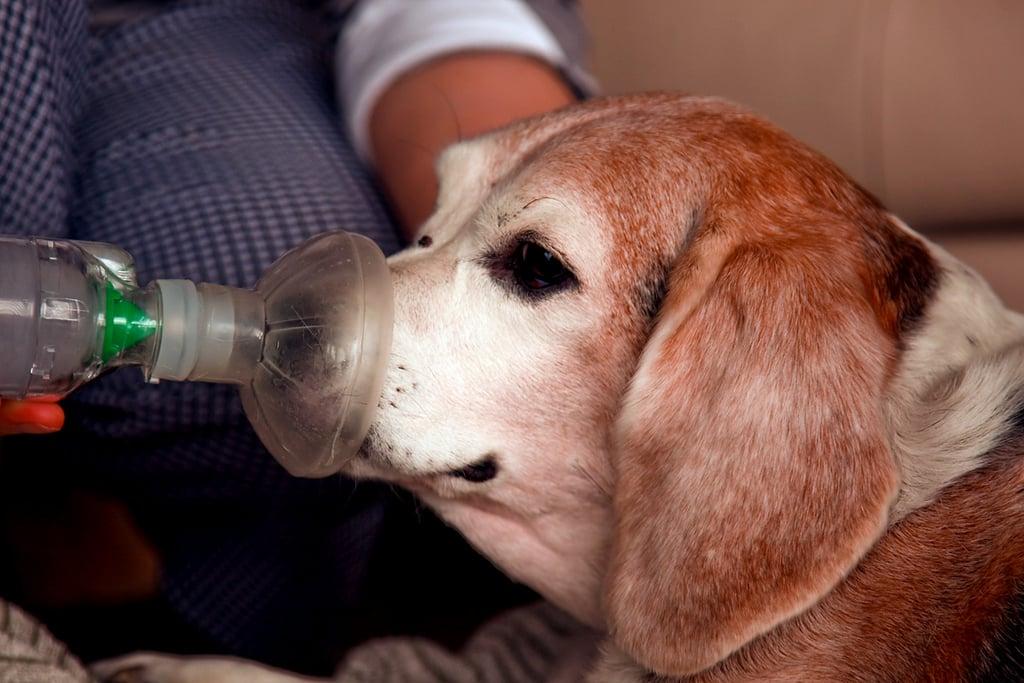
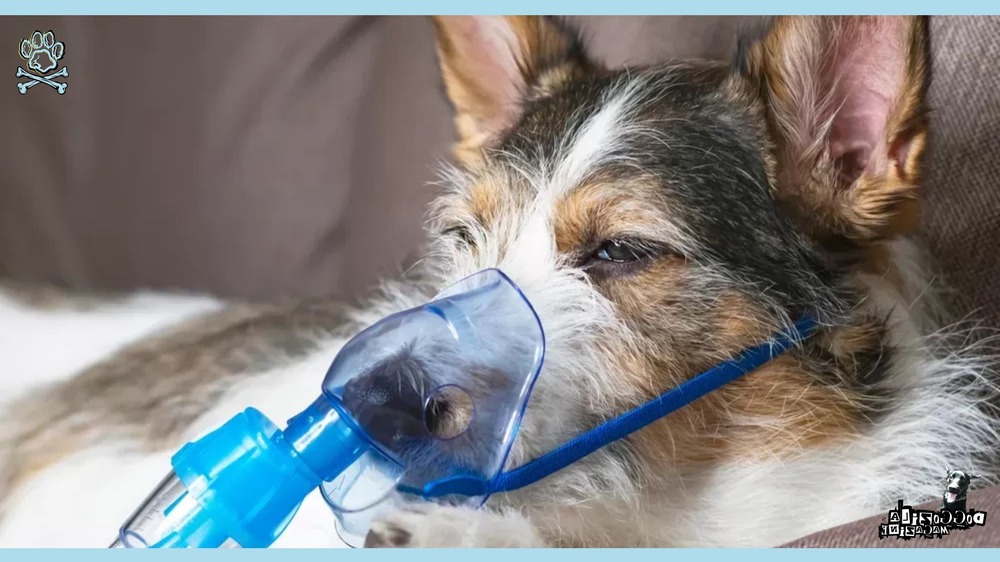
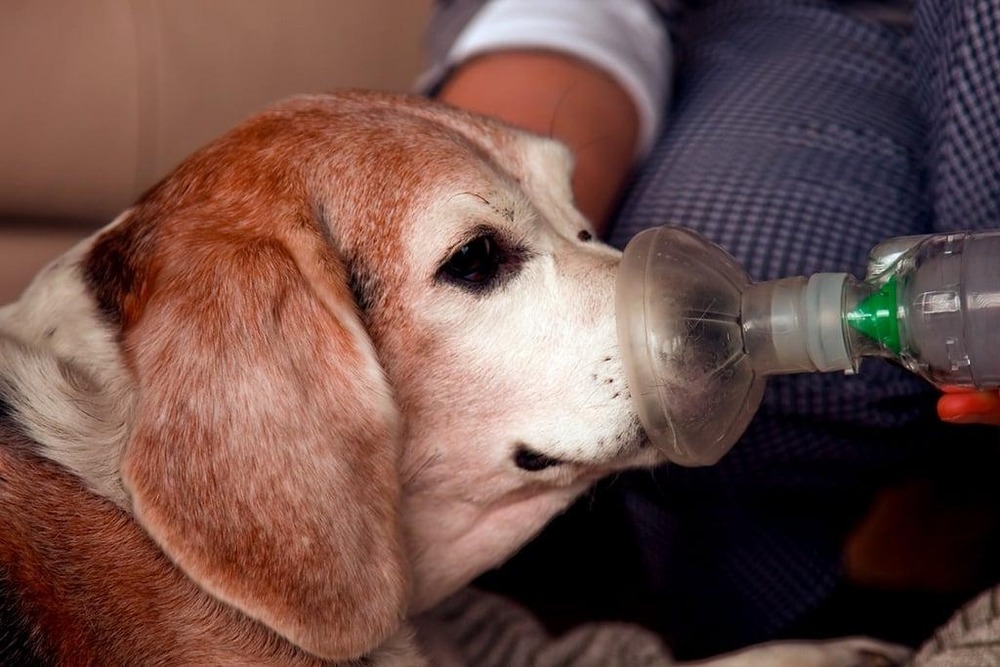
Inhaled therapy is often appealing for long-term management because it delivers medication directly to the lungs while aiming to reduce whole-body side effects compared with ongoing oral steroids. It can be given via a metered-dose inhaler with a spacer and mask, or sometimes via nebulisation, depending on what suits the dog and the family routine.1, 5, 8
Environmental and routine changes that genuinely help
Small, unglamorous changes are often the ones that add up. Aim for clean air at nose level, and keep your dog’s daily activity steady rather than spiky.
- Avoid smoke, strong scents, and sprays used near your dog
- Ventilate well when cooking, burning candles, or using cleaning products
- Wash bedding regularly, and consider low-dust, unscented laundry products
- On high pollen or smoky days, shorten outdoor time and keep exercise gentle
- If your dog is overweight, ask your vet for a gradual plan, breathing is harder when the body is carrying extra load
Alternative therapies, with a reality check
Some owners explore supplements, herbal products, or acupuncture. A few dogs may seem more comfortable with supportive care, but the evidence base is variable, and “natural” does not always mean safe with respiratory disease or other medications. If you are considering anything beyond standard care, it is worth treating it as part of the medical record and discussing it with your vet first.4
Preventing flare-ups and living well day to day
Living with a dog who has airway sensitivity is largely about noticing patterns without becoming hypervigilant. Many families find it useful to keep a simple log for a month or two, noting cough episodes, weather, cleaning products, smoke exposure, and exercise intensity. This can help your vet identify whether you are dealing with an allergy pattern, a chronic bronchitis pattern, or something more complex.
Practical habits that help many dogs include:
- Monitoring resting breathing when your dog is asleep, and noting changes from their usual baseline
- Keeping prescribed medications accessible, especially if your dog has sudden episodes
- Scheduling rechecks, because the “right” dose can change over time
- Choosing calmer exercise, such as shorter walks and sniffy outings rather than intense running
If you ever feel unsure whether a breathing change is “one to watch” or “one to act on”, lean towards caution. Breathing problems can deteriorate quickly, and a calm, early assessment is usually easier on the dog than waiting until they are distressed.4, 7
Final thoughts
When dogs cough and wheeze, it is tempting to reach for the most familiar label and move on. In reality, the label matters less than the pattern: what triggers it, what settles it, and what else needs to be ruled out. With good veterinary guidance, thoughtful home adjustments, and the right medication plan when needed, many dogs with inflammatory airway disease can live comfortably and stay engaged in their normal routines.1, 5
References
- Management of 13 cases of canine respiratory disease using inhaled corticosteroids (PubMed)
- Species Approach to Inflammatory Airway Disease in Animals (Merck Veterinary Manual)
- Can Dogs Have Asthma? (PetMD)
- Recognizing and responding to canine respiratory distress (Cornell University College of Veterinary Medicine)
- Inhalation Treatment of Airway Disease in Animals (Merck Veterinary Manual)
- Kennel Cough (Infectious Tracheobronchitis) in Dogs (Merck Veterinary Manual)
- Issues requiring medical help: difficulty breathing (RSPCA Victoria)
- Treatment Instructions for Bronchitis in Dogs (VCA Animal Hospitals)