

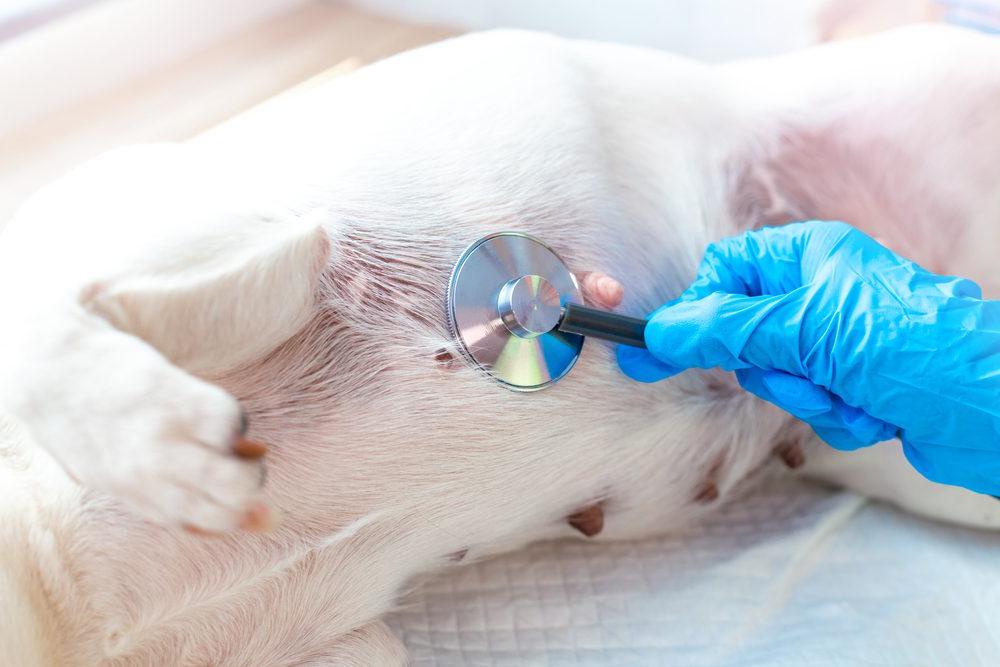
Most people first think about mammary cancer in dogs after they find a small lump while patting their dog’s belly, or notice one teat looks different to the others. It can be surprisingly easy to miss at first, especially on dogs with a thicker coat, a bit of extra weight, or a wriggly “don’t-touch-my-tummy” response.
It is also common to assume a lump near a nipple is “probably just a fatty lump”, or that mammary cancer is mainly a human issue. In dogs, mammary tumours are genuinely common in female dogs that have not been desexed, and they sit in that tricky space where some are benign and some are malignant. The practical point is that waiting to see can cost you options later.
If you have noticed a new lump, a change in skin over a nipple, discharge, or an area that seems sore, a vet check is not about jumping to worst-case conclusions. It is about getting clear on what you are dealing with, while it is still small enough to treat well.
Causes and risk factors
Mammary tumours in dogs are influenced by several factors, but the strongest and most consistent theme is hormone exposure over time. Oestrogen and progesterone affect mammary tissue, and prolonged exposure is associated with a higher risk of mammary tumour development in female dogs that remain entire (not desexed).1
Age matters too. Mammary tumours are uncommon in very young dogs, and are more often seen in middle-aged to older females. They can also occur as multiple lumps across one or both mammary chains, which is one reason a proper head-to-tail exam is useful rather than checking only the obvious spot.1
Other influences are less clear-cut, but research and clinical guidance commonly discuss body condition and diet patterns as possible contributors. Rather than treating these as single causes, it is more realistic to see them as part of a whole-dog picture that can shift risk up or down.1
Desexing and timing
Desexing is often discussed because it can reduce the risk of mammary tumours, particularly when done before the first heat. That said, the “perfect timing” conversation has become more nuanced in recent years because early desexing can also be associated with other health trade-offs in some dogs and breeds. This is a decision best made with your vet, based on your dog’s size, breed tendencies, lifestyle, and overall health priorities.1, 2
What you might notice at home

Many mammary tumours are first noticed as a new lump near a nipple. It may feel like a pea under the skin, a firmer nodule, or an irregular thickening. Some lumps stay small for a while, others change more quickly, and the outside appearance does not reliably tell you whether it is benign or malignant.3
Other signs that deserve a prompt check include:
- swelling or heat in the area
- skin redness, breakdown, or ulceration over a lump
- pain on touch
- discharge from a nipple
- enlarged lymph nodes in the armpit or groin region (sometimes felt as a firm swelling)
If a malignant tumour has spread, some dogs develop more general signs such as weight loss, reduced appetite, lethargy, or coughing or breathing changes (when the lungs are involved). These are not specific to mammary cancer, but they are meaningful in the bigger diagnostic picture.3
A simple habit that helps
If your dog tolerates it, it is worth getting familiar with how the mammary chain normally feels. A calm monthly “hands-on” check after a bath, a groom, or a relaxed cuddle can make it easier to notice small changes early, and small is easier in both surgery and prognosis discussions.3
How vets diagnose mammary tumours

A vet will usually start with a careful physical exam, measuring any masses and checking the whole mammary chain, plus nearby lymph nodes. From there, the goal is twofold: work out what the mass is, and assess whether there is any evidence of spread (staging).1, 4
Common steps include blood and urine tests (to assess general health and anaesthetic safety), imaging such as chest X-rays and sometimes ultrasound or CT, and sampling the mass and or lymph nodes where appropriate.4, 5
Imaging, needle samples, and biopsy
A fine needle aspirate (FNA) can sometimes help clarify what sort of cells are present, and it can be particularly useful for assessing lymph nodes. However, for mammary masses, FNA does not always reliably distinguish benign from malignant, so many dogs still need a biopsy or full surgical removal of the lump to get a definitive diagnosis.3, 5
The lab report (histopathology) does more than name the tumour. It helps describe grade and features linked with behaviour, which then informs whether surgery alone is likely to be enough, or whether additional treatment and monitoring should be considered.1
Treatment options and what influences prognosis
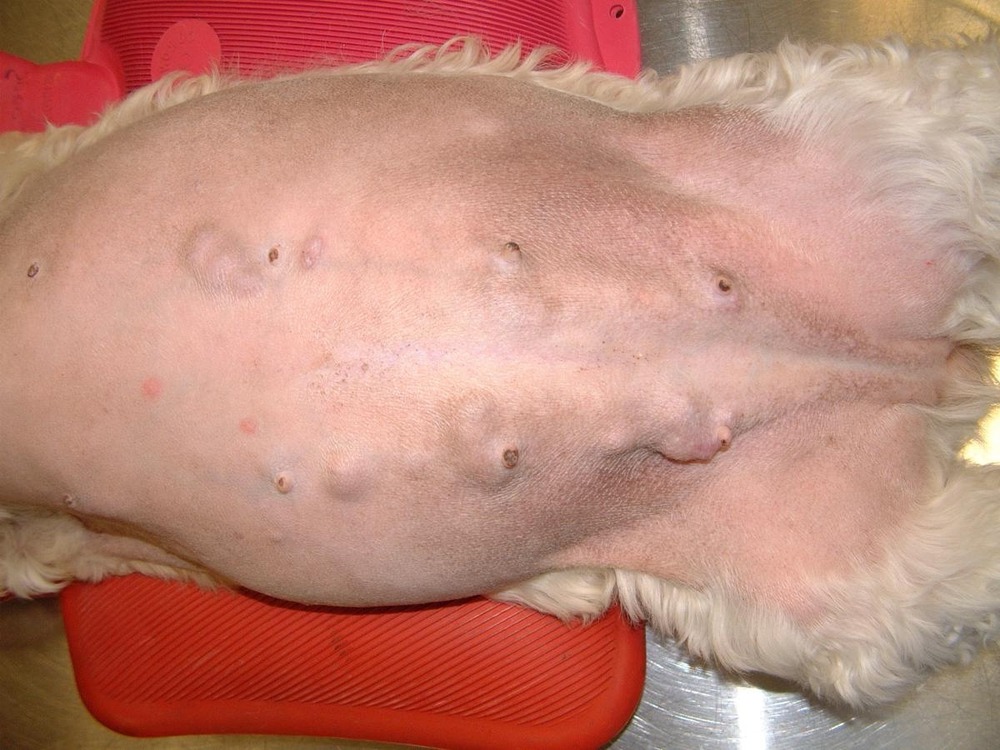
For many dogs, surgery is the main treatment. The exact approach depends on the number of lumps, their location, and whether one gland or multiple glands are involved. Surgery also provides tissue for histopathology, which is critical for understanding what you are dealing with.1, 6
Some dogs may also be advised to have desexing performed at the same time, particularly if they are still entire. The value of this varies with age and circumstances, so it is usually framed as part of an overall plan rather than a universal rule.3, 1
If there is evidence of spread, higher-risk tumour features, or an inflammatory carcinoma, your vet may discuss oncology referral, chemotherapy, radiation, and supportive care. Not every dog is a candidate for every option, and in real life the decision often comes down to a balance of benefit, side effects, travel, cost, and your dog’s comfort and temperament.3, 6
What tends to matter most
Prognosis is not one simple number. It usually depends on tumour size, whether lymph nodes are involved, whether there is distant metastasis, and what the histopathology shows. In general, smaller tumours caught early have a better outlook than large tumours or those with spread.1, 3, 7
Prevention and risk reduction in everyday life
There is no way to guarantee a dog will never develop a mammary tumour, but there are sensible steps that can reduce risk or improve early detection.
Desexing decisions matter, particularly for females. Many animal welfare and veterinary education sources note reduced mammary tumour risk in desexed females, especially when desexed before the first heat, while also acknowledging that timing should be discussed with your vet for your individual dog.1, 2, 8
Weight and general health are also worth attention, not because they “cause” cancer in a simple way, but because they influence hormone balance, inflammation, surgical risk, and recovery resilience. Keeping your dog in a healthy body condition is one of those quietly powerful, unglamorous choices that tends to pay off across many conditions.2
When to book a vet visit
If you find a new lump anywhere along the mammary chain, treat it as a prompt assessment rather than a wait-and-watch project. Even if it turns out to be benign, you will have a baseline record and a plan for monitoring, which is often reassuring in itself.3
Living with a dog diagnosed with mammary cancer
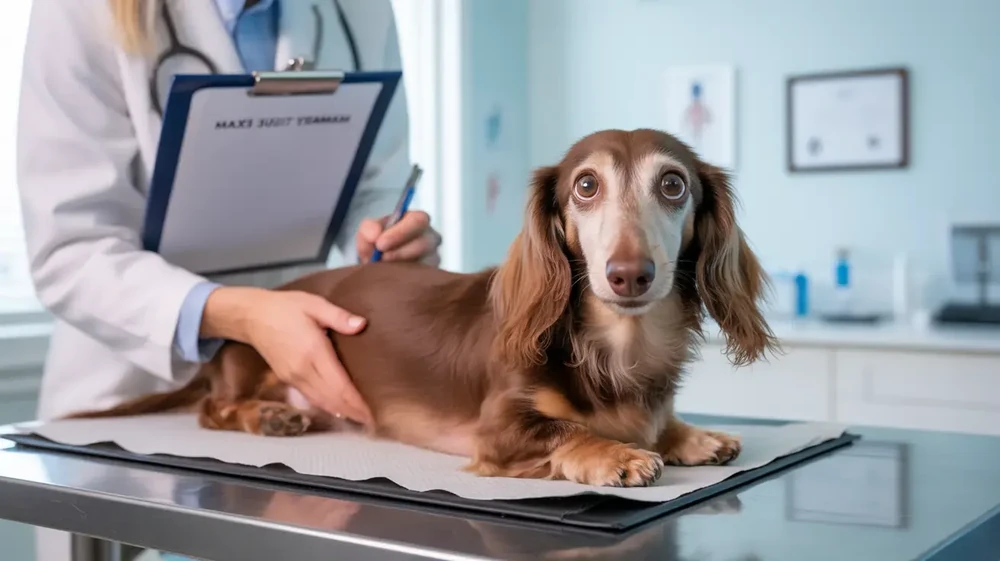
Once a diagnosis is on the table, it helps to think in chapters rather than trying to hold everything at once. The first chapter is usually staging and a treatment plan. The next is recovery and monitoring, which often looks like wound care, activity restriction, follow-up appointments, and watching for changes in appetite, energy, and comfort.
After surgery, dogs may need pain relief, an Elizabethan collar or recovery suit, and a quieter routine for a couple of weeks. If your vet advises oncology follow-up, you might also discuss a schedule for checking lymph nodes and repeat imaging, especially in the first year, when recurrence or spread is most likely to declare itself.6
It can also help to ask your vet what signs should trigger a recheck. Many owners find it easier to cope when they have clear “if this happens, call us” guidance, rather than living in a constant state of scanning for problems.
Final thoughts
Mammary cancer in dogs is confronting, but it is not automatically hopeless. In practice, a lot hinges on noticing changes early, getting a clear diagnosis, and choosing treatment that fits the dog in front of you, not an abstract ideal.
If you take only one thing from this, let it be this: new lumps deserve a vet visit. You are not overreacting by checking. You are giving your dog the best chance of a straightforward plan.
References
- Merck Veterinary Manual (Professional): Mammary Tumors in Dogs
- Animals (MDPI): Systematic Review, Does Pre-Pubertal Spaying Reduce the Risk of Canine Mammary Tumours?
- VCA Animal Hospitals: Malignant Mammary Tumors in Dogs
- AAHA: 2026 Oncology Guidelines, Tumor Diagnostics and Staging
- Cornell University College of Veterinary Medicine: Mammary Cancer
- American College of Veterinary Surgeons: Mastectomy (Mammary Tumors)
- Merck Veterinary Manual (Consumer): Mammary (Breast) Tumors in Dogs
- RSPCA NSW: Desexing your pet