

You might notice it on a walk, your dog suddenly shifts into a slightly swaying, side to side walk where the legs on the same side move together. Or you might see it in a friend’s dog and wonder if it is a breed trait, a quirk, or something to worry about.
That movement is usually called pacing, a normal gait some dogs use at certain speeds or when they are tired, growing, or conserving energy.1 It is often described as a “left side, then right side” pattern, which is where the whole “L-R” idea tends to come from.
What tends to trip people up is the leap from gait to “breed”. There is no recognised ‘L-R’ dog breed in major kennel club systems. Pacing can show up in many breeds and mixes, and it does not automatically tell you a dog’s history, breed group, or temperament. If you are choosing a dog, it is more practical to think about the individual, their needs, and what you can realistically provide day to day.
What people usually mean by “L-R”
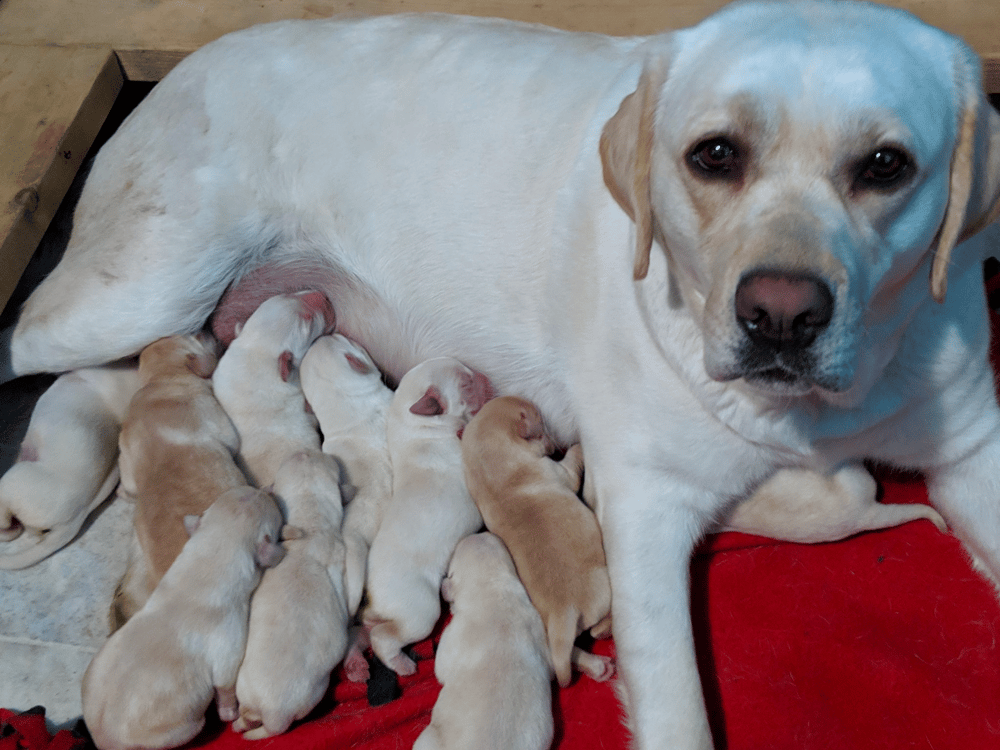
In plain terms, most “L-R” descriptions are talking about a lateral gait where the dog moves the two left legs together, then the two right legs together. In gait terms, that is a pace, and it is different from a trot where diagonal legs move together.1
Pacing can be seen in plenty of healthy dogs. Puppies may do it more while they are still building strength and coordination, and some adult dogs slip into it at certain speeds. It can also appear more when a dog is carrying extra weight, tired, or a bit stiff, simply because it changes how the body is balanced during movement.1
If pacing is new for your dog, persistent, or paired with limping, reluctance to exercise, yelping, or stiffness after rest, it is sensible to book a vet check. A gait change can be a clue that something feels uncomfortable, even if the dog is otherwise cheerful and keen to keep going.
Breed category and “gundog” claims
Some online profiles attach tidy stats to “L-R dogs” and even label them as Gundog with a UK origin. The problem is that those details only make sense when you are talking about a specific, recognised breed.
In recognised systems, “Gundog” (and sub-groups within it) is a kennel club classification used for particular breeds, not for a way of walking.2 A pacing gait does not reliably indicate that a dog is a gundog type, and plenty of gundog breeds do not pace in any notable way.
If you are trying to work out “what your dog is”, focus on what you can observe and verify: body shape, coat type, likely adult size, energy level, and the kind of training and enrichment that keeps them settled.
Coat length and colour: expect variety
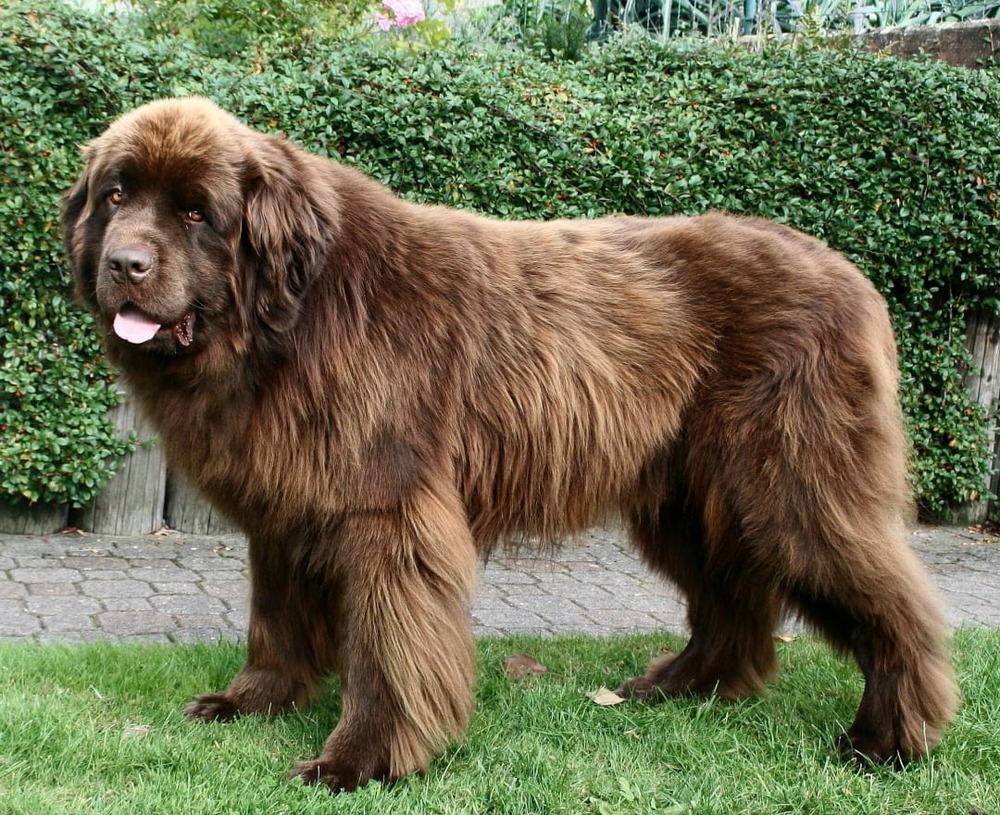
A single “L-R coat” description (light brown, water-resistant, seasonal length changes) is another sign that different topics have been mixed together. Because pacing is not a breed, there is no standard coat.
Instead, coat needs are individual. Short coats often still shed and benefit from regular brushing. Double coats may “blow” seasonally and can mat if neglected. Curly and long coats may need more structured grooming to prevent tangles and skin irritation.
When you are assessing a dog for your home, it helps to ask: can you keep up with the brushing, bathing, nail trims, and parasite prevention that this particular coat requires, not what a generic profile claims.
Temperament and trainability: what tends to hold true
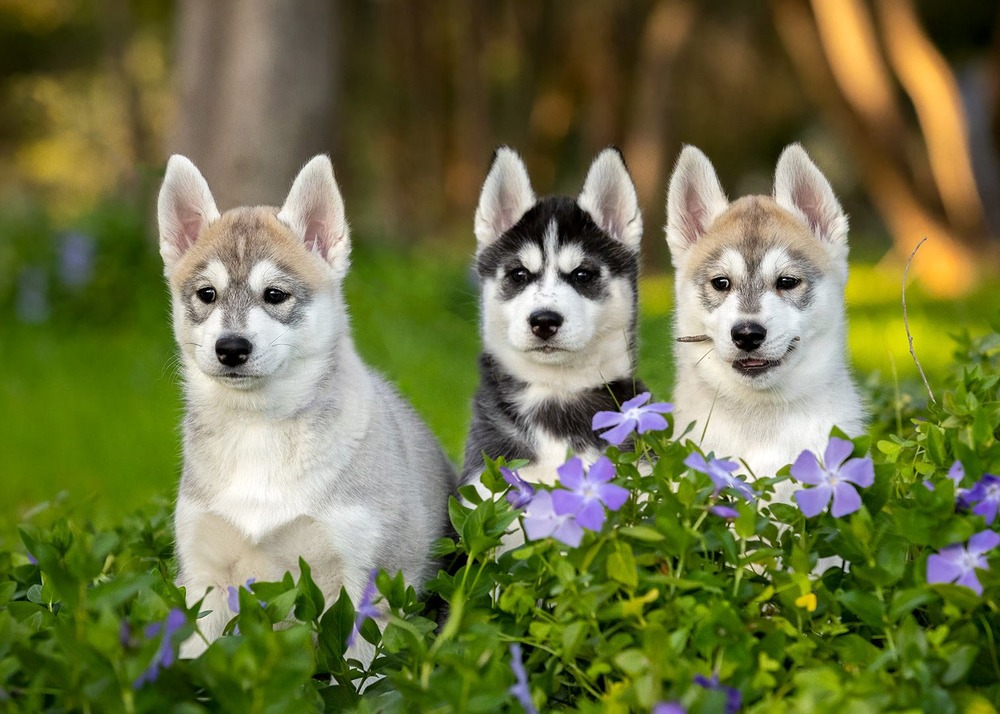
It is tempting to treat friendliness and easy training as something you can “buy” by choosing the right label. In practice, temperament is shaped by genetics, early experiences, ongoing learning, and environment. Two dogs that both pace can be completely different in confidence, sociability, and resilience.
That said, most dogs respond best to reward-based training that reinforces the behaviour you want and avoids harsh methods that can increase fear or frustration.5 Training is not only about manners, it is also a reliable way to give mental stimulation and help prevent boredom-related behaviour at home.3
If you are choosing a puppy, the early social period matters too. Gentle, positive exposure to everyday life (people, surfaces, sounds, other animals) during the sensitive window helps puppies learn what is safe, but it must be paced to the individual so you do not tip into overwhelm.6, 7
Openness to strangers: friendly is not the same as comfortable
Some dogs appear naturally social with visitors, others prefer a slower approach. Even within breeds known for being “good with people”, individuals vary widely.
It helps to aim for calm, choice-led greetings. Allow the dog to approach, sniff, and move away again without being cornered or patted over the head. For many dogs, that small amount of control makes new people easier to handle.
If you are adopting, it is worth asking what the dog is like in busy environments and whether they have a history of being uneasy with strangers. Those details are more predictive than any “L-R” label.
Playfulness and enrichment needs
Playfulness is often a mix of age, energy, learning history, and how safe the dog feels. Some dogs love fetch, some prefer tug, some only play once they trust you, and many enjoy games that involve sniffing and searching more than high-speed chasing.
Try to think of play as part of a wider plan for daily enrichment. Dogs do best with a blend of movement, problem-solving, and time to sniff and explore. Rotating toys, adding puzzle feeders thoughtfully, and building small training sessions into the week can all help.4
Enrichment should fit the dog in front of you. Overdoing food-based enrichment can contribute to weight gain, and some toys are not safe for heavy chewers or dogs that swallow pieces, so supervision and common sense matter.4
Children in the home: set the relationship up properly
Many dogs can live well with children, but “good with kids” is not a permanent trait. It depends on supervision, training, and whether the dog is given space to rest.
Practical steps that usually make the biggest difference include:
- Adult-supervised interactions, especially in the early weeks.
- Teaching children to avoid hugging, climbing, or grabbing at a dog’s face or food.
- Providing a quiet retreat area where the dog can switch off undisturbed.
If a dog repeatedly avoids children, freezes, growls, or snaps, treat that as useful information and get support from your vet and a qualified trainer. Pushing contact “so they get used to it” can backfire, particularly if fear is involved.7
Exercise needs: more than just kilometres
Most dogs need daily exercise, but the right amount and type depends on age, health, and temperament. A backyard helps, but it does not replace walks that offer new smells, gentle challenges, and varied environments.5
Alongside physical activity, build in mental work. Training, scent games, and structured play can “take the edge off” in a way that endless running often does not. The RSPCA also notes practical safety points, such as keeping dogs under effective control and being thoughtful about exercise timing around meals for some dogs.5
If your dog’s pacing appears mainly when they speed up, it may simply be their preferred gait at that moment. If pacing shows up alongside stiffness or reduced willingness to exercise, get it checked.
Living with other pets: slow introductions beat optimism
Many households successfully mix dogs with cats and other dogs, but the process matters. Even a dog that is sociable in general can struggle if introductions are rushed or poorly managed.
The RSPCA recommends gradual, step-by-step introductions for dogs and cats, starting with separation and scent swaps, then controlled visual access, then short supervised sessions. The guiding idea is to keep both animals relaxed and to avoid forcing interactions or punishing stress signals.8
For dog-to-dog introductions, the same calm planning helps. Choose neutral spaces, keep early sessions short, and watch body language rather than hoping it will all “sort itself out”.9
Housing requirements: avoid made-up measurements
Specific minimum floor areas and ceiling heights are sometimes quoted online, but they are not a standard welfare rule for pet dogs. What matters more is whether the dog has space to move, a safe place to rest, regular access to exercise, and a routine that fits their energy level.
A small home can work well for an active dog if you are genuinely committed to daily exercise and enrichment. A large yard can still produce a restless dog if they are left to entertain themselves all day.
When in doubt, build your setup around management rather than square metres: secure fencing, shade and water outdoors, safe chew and enrichment options, and a plan for when life gets busy.
Summary
“L-R dogs” are best understood as dogs that sometimes use a pacing gait, not as a distinct breed. Pacing can be normal, but any sudden or persistent gait change is worth discussing with your vet.
If you are choosing a dog, you will get better results by focusing on the individual: health, temperament, coat maintenance, enrichment needs, and how well their daily routine matches yours. Labels are tidy, but living together is rarely tidy, and that is where the real work and the real rewards are.
References
- Wikipedia: Canine gait (pace and trot definitions)
- The Kennel Club: Barbet allocated to Gundog sub-group (example of kennel club grouping)
- RSPCA Pet Insurance: Essential dog care information (exercise and training)
- RSPCA Australia: The importance of enrichment for dogs
- RSPCA Knowledgebase: Advice on caring for my dog (reward-based training, exercise)
- Purdue University Canine Welfare Science: Socialisation and early exposure
- AAHA: Canine and feline behaviour management guidelines, age and behaviour (socialisation risks and sensitive periods)
- RSPCA Knowledgebase: Introducing a new dog or puppy to an existing cat
- RSPCA South Australia: The dog adoption handbook, making introductions