

You might start noticing them on walks before you ever name them. A curled tail held like a question mark, a fox-like face, and a thick coat that seems built for weather. People often call them “spitz-type dogs”, and it can feel like a single breed when you see the shared silhouette. In practice, it is a family of dogs that ranges from tiny companion breeds through to serious working northern breeds.
That variety is where many first-time owners get caught out. A compact spitz can suit apartment life with the right routines, while a larger, driven spitz-type dog may need structured exercise, training, and careful management around heat and boredom. The coat can be deceptive too: thick does not automatically mean “low maintenance”, and “independent” does not mean “untrainable”.
If you are considering a spitz-type dog, it helps to move beyond the look and focus on what living with one is actually like: grooming that is more about routine than glamour, training that rewards patience, and day-to-day choices that keep them comfortable and safe.
What “spitz-type” really means
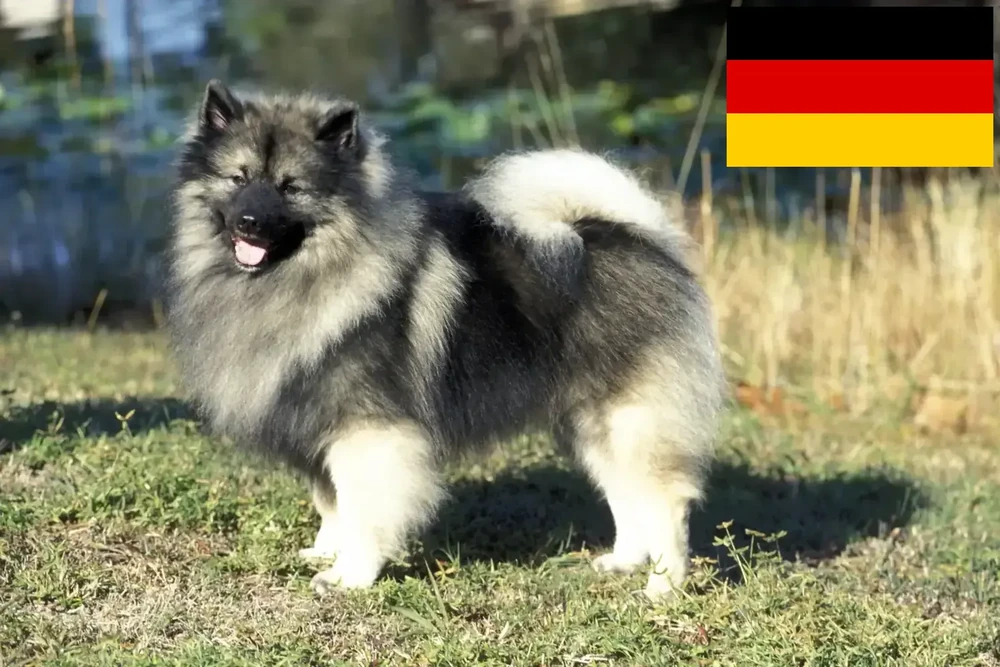
“Spitz” is a type, not a single breed. Spitz-type dogs share a set of common physical traits: dense double coats in many breeds, wedge-shaped heads, upright ears, and tails that often curl over the back. The group includes northern and Arctic breeds (such as the Siberian Husky and Alaskan Malamute), Japanese breeds (such as the Shiba Inu and Akita), European spitz (such as the German Spitz), and many smaller companion spitz.
Temperament varies widely between breeds and individuals, but many spitz-type dogs were developed for work that required stamina and decision-making, including sledding, hunting, guarding, and herding. That history can show up today as persistence, alertness, and a tendency to do their own assessing before they comply.
Size, energy, and the life you actually live
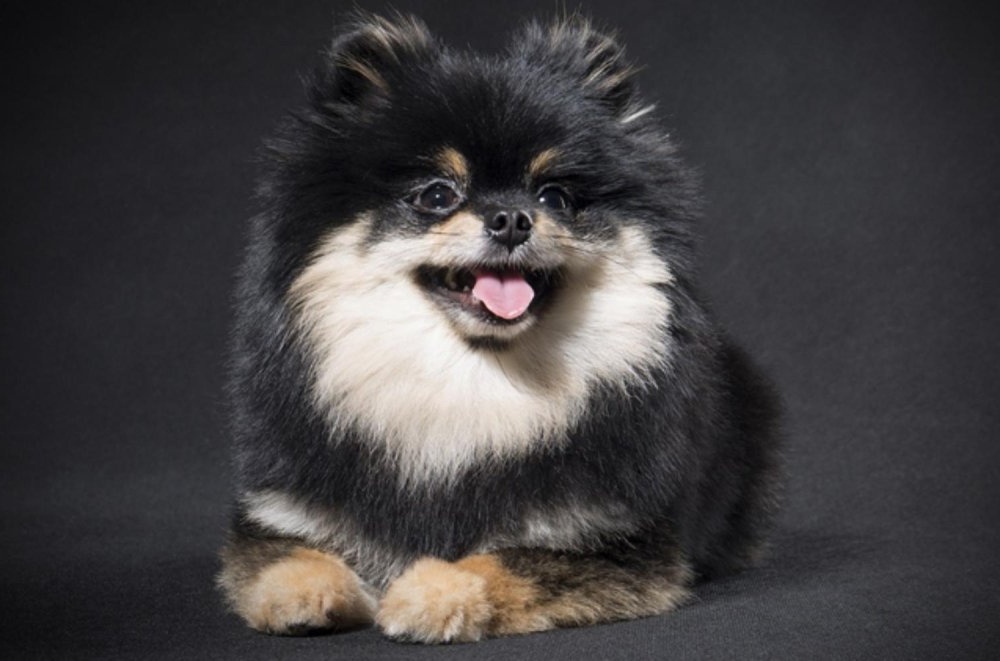
Spitz-type dogs can be small, medium, or large, and their needs do not scale neatly with height. Some small spitz can still be busy, vocal, and quick to become over-stimulated, while some larger spitz can settle well once their daily needs are met.
Rather than fixating on breed stereotypes, it is more useful to ask practical questions:
- How many hours a day will the dog be alone?
- Do you enjoy daily walking and training, or do you prefer a lower-key companion?
- Is your climate hot for long stretches, and can you keep the dog cool indoors?
- Do you have secure fencing and a plan for recall and lead manners?
Many spitz-type dogs cope best with a mix of movement and thinking. Exercise is not just running. Sniff walks, training sessions, food puzzles, and calm exposure to the world can be just as important as kilometres.
Coats, shedding, and grooming reality
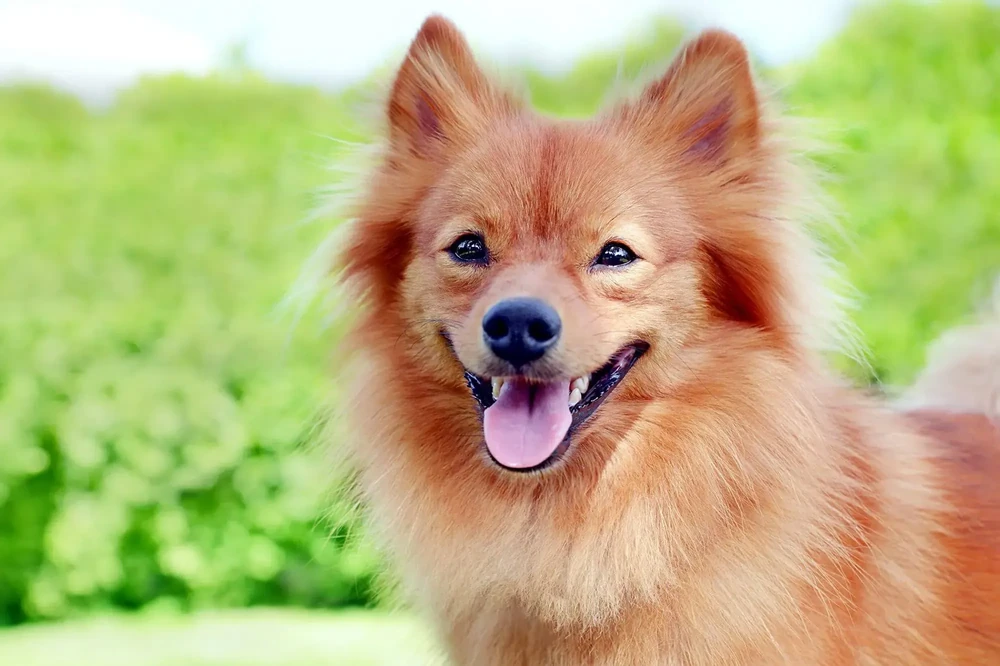
That plush coat is part insulation, part weatherproofing, and part housekeeping challenge. Many spitz-type dogs have a double coat that sheds seasonally, sometimes dramatically. Regular brushing helps remove loose undercoat and can make shedding more manageable around the house.1, 2
A useful way to think about grooming is as handling practice as much as hair management. Starting gentle grooming early, keeping sessions short, and rewarding calm behaviour can make life easier for everyone, including at the vet and groomer.1
If you are tempted to shave a double-coated dog, speak with a vet or qualified groomer first. In many double-coated breeds, shaving can interfere with coat function and may not reduce shedding in the way people hope.3
Temperament and trainability without the myths
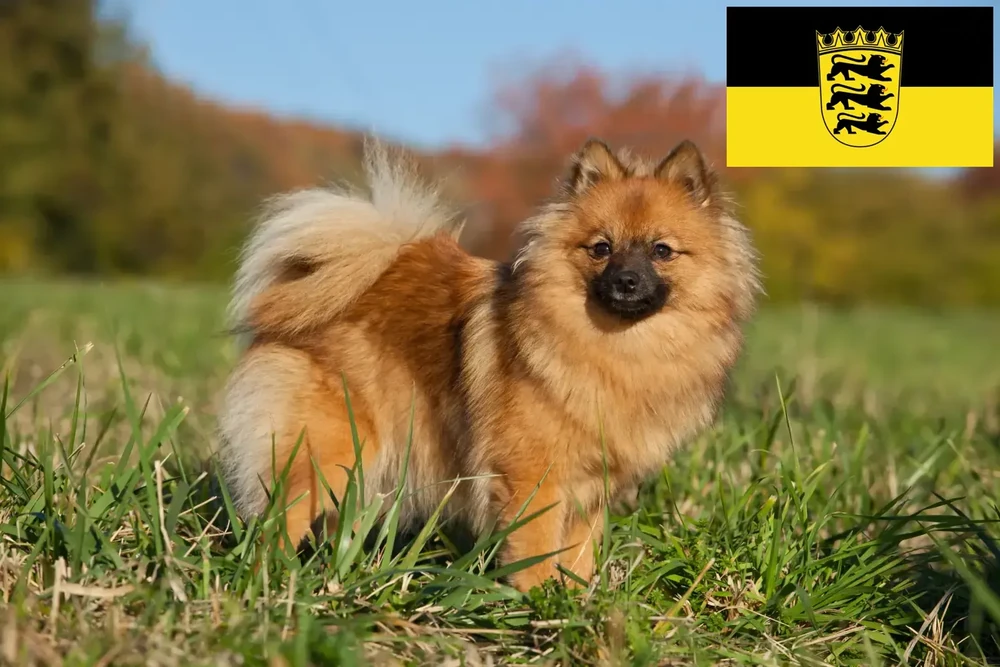
Spitz-type dogs are often described as “stubborn”, but that label can hide what is really happening. Many are quick learners, yet they may be less motivated by repetition and more sensitive to whether training feels fair, clear, and rewarding. Reward-based training is widely recommended for both learning and welfare, especially when you want reliable behaviour without creating avoidance or anxiety.4
Short sessions, consistent cues, and reinforcing the behaviours you want can go a long way. For spitz-type dogs in particular, it helps to teach practical life skills early: relaxed lead walking, coming when called in low-distraction settings, settling on a mat, and comfortable handling for grooming.
Socialisation and “openness” to strangers
Some spitz-type dogs are naturally social with visitors. Others are more reserved, watchful, or slow to approach. Neither is automatically a problem. The aim is not to force friendliness, but to build calm, safe responses around people, dogs, noises, and new places.
Puppy socialisation is most effective when it is gentle and structured, pairing new experiences with safety and good outcomes, rather than flooding a puppy with too much too soon.5
If you have an adult rescue dog, go even more slowly. A dog can learn new patterns at any age, but it is usually built through repetition and predictable routines, not one-off “confidence boosting” events.
Play, enrichment, and preventing the bored spitz problem
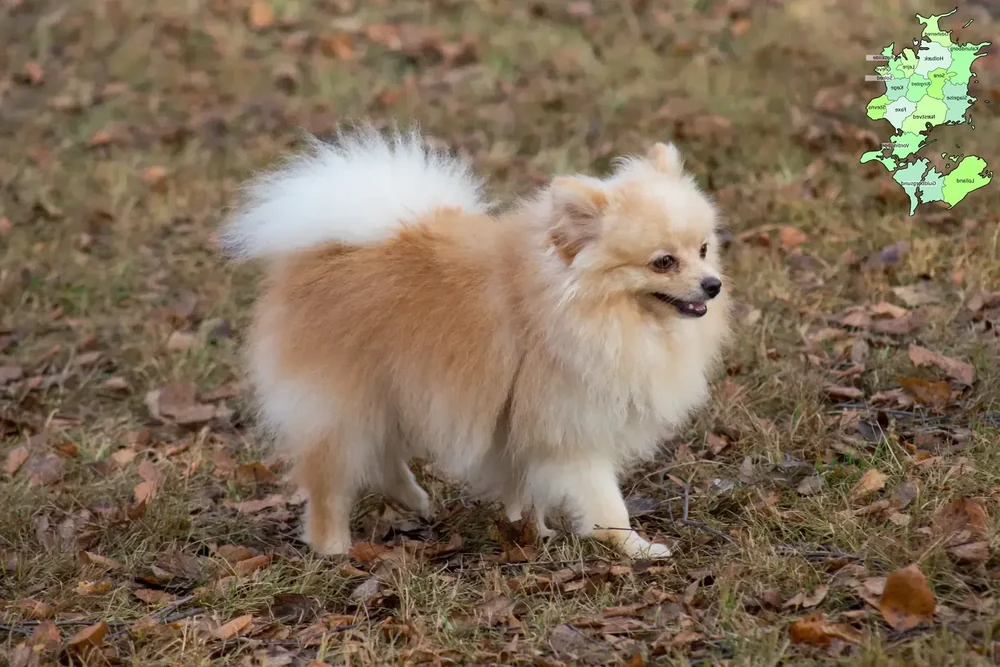
When spitz-type dogs struggle in pet homes, it is often less about “bad behaviour” and more about a life that is too quiet, too repetitive, or too confusing. A clever, energetic dog with little to do may find their own outlets: digging, chewing, escaping, or vocalising.
Helpful options include:
- Food puzzle toys and scatter feeding in the yard
- Sniff-heavy walks (letting the dog choose the route at times)
- Basic obedience and trick training with rewards
- Safe chew options and rotating toys
Try to keep enrichment realistic. Ten minutes of focused training once or twice a day can matter more than occasional huge outings that leave everyone exhausted.
Health considerations to discuss with your vet
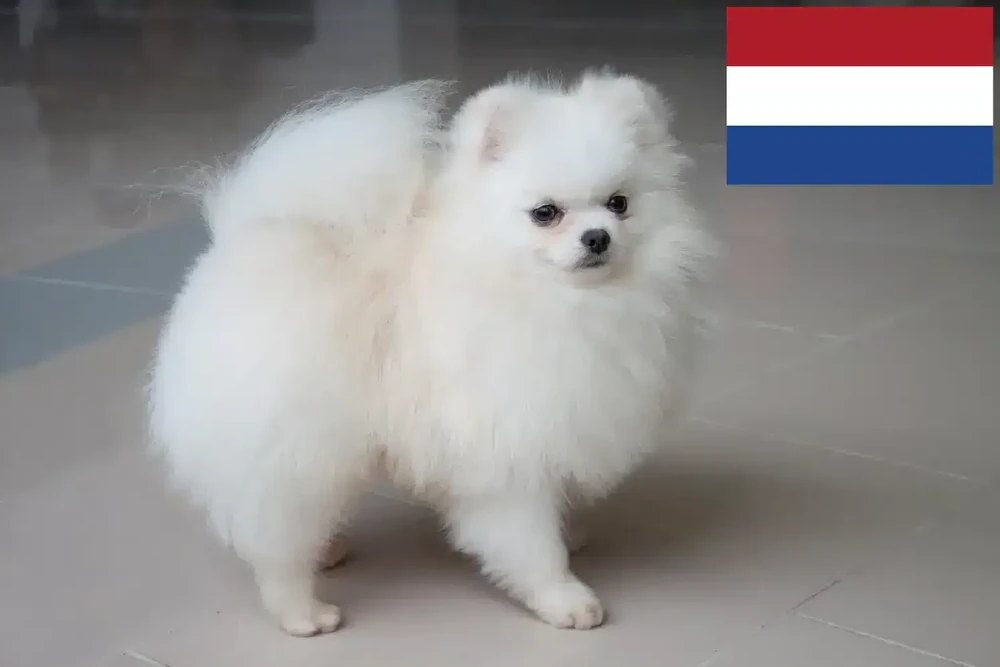
There is no single health profile for “spitz dogs” because the group is so broad. Your best guide is the specific breed and, just as importantly, the breeding and screening practices behind the individual dog.
Common, practical steps include:
- Ask what health testing is typical for that breed (for example, hips, elbows, eyes, thyroid, patellas, depending on the breed).
- Keep up with preventive care such as parasite control, dental care, and weight management.
- Feed a complete and balanced diet suitable for age and life stage, and ask your vet if you are unsure.6
If you are buying a puppy, consider choosing breeders who can show health testing results and who raise puppies with thoughtful early handling and exposure to normal household life.
Children and spitz-type dogs
Spitz-type dogs can live well with children, but it depends on the dog, the child, and the adults setting the tone. Many spitz dogs do best when they have a quiet retreat, predictable routines, and interactions that are supervised and guided.
Teach children to avoid hugging, climbing, or grabbing at a dog, especially when the dog is resting or eating. For the dog, reward calm behaviour around kids, and manage the environment so the dog is not constantly “on duty” in busy family spaces.
Other pets and multi-pet households
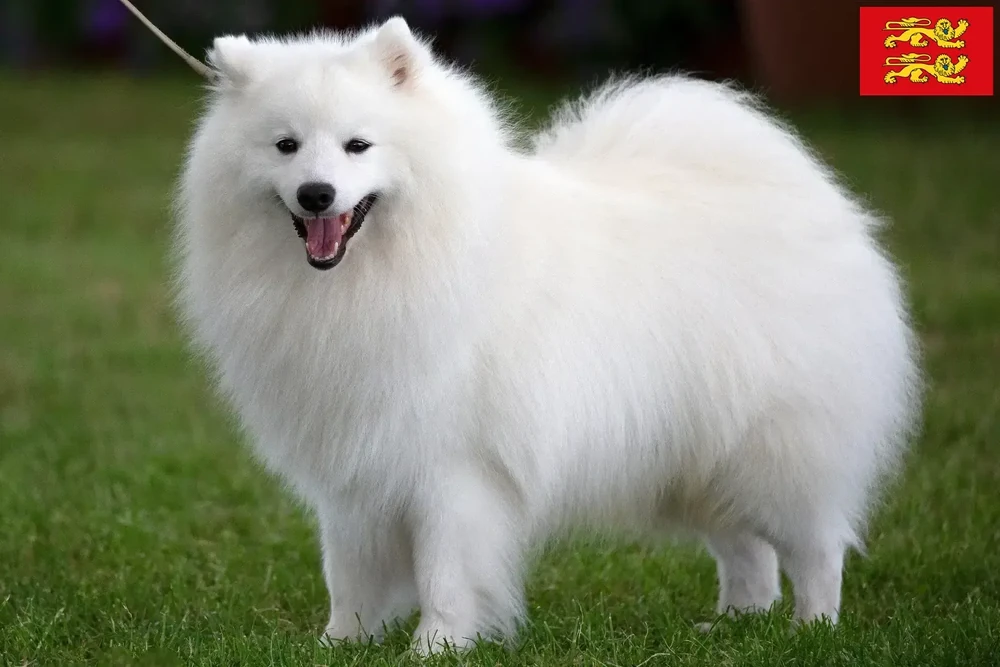
Some spitz-type dogs are social with other dogs. Others can be selective, especially as adults. Introductions matter, and so does ongoing management around high-value resources such as food, beds, and favourite toys.
If you are introducing a dog to a resident cat, aim for gradual, owner-led steps with safety barriers and plenty of retreat options for the cat. Rushing early meetings is a common reason things go wrong.7
Exercise and heat safety
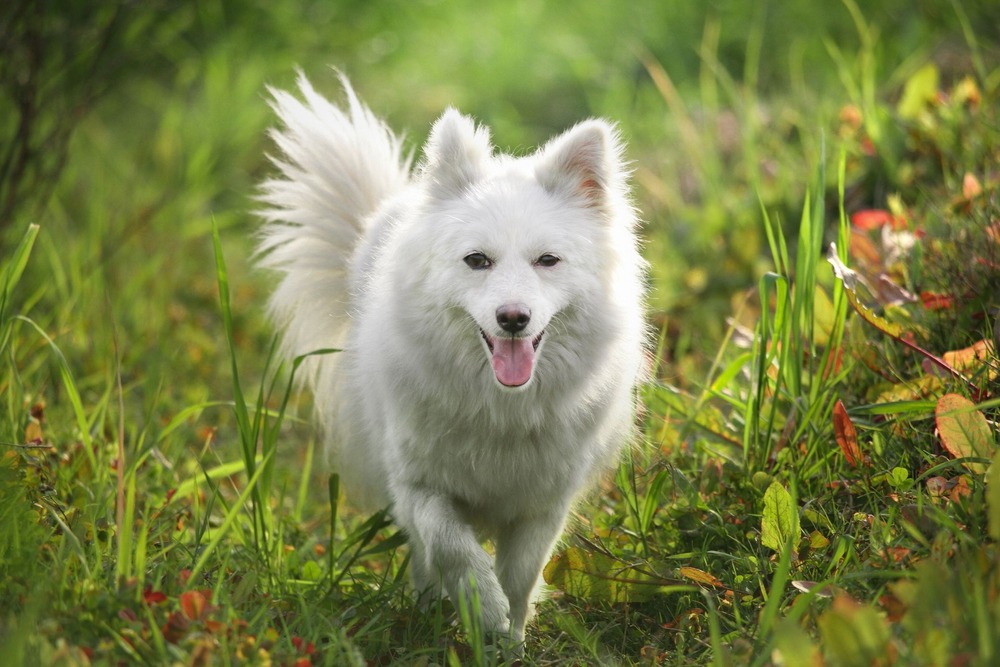
Many spitz-type dogs enjoy long walks and active play, but in warm climates you need to plan around temperature and surfaces. The safest habit is to walk early in the morning or later in the evening on hot days, avoid hot pavement, and carry water.8, 9
Learn the early signs of overheating, and treat it as a veterinary matter if you suspect heatstroke. Cooling with tepid or cool water and seeking veterinary care promptly can make a real difference.8
Housing, space, and containment
It is tempting to reduce housing to a square metre number, but dogs do not experience space like that. What matters is whether they have a calm place to rest, predictable access to toilet breaks, and daily activity that meets their needs.
For many spitz-type dogs, containment is a genuine practical issue. Secure fencing, reliable gates, and supervised outdoor time are important, particularly for dogs with a history of roaming or a strong interest in wildlife.
Indoor life works best when you also teach settling skills, and when exercise and enrichment are part of the daily rhythm rather than occasional extras.
Choosing a spitz-type dog with clear eyes
Spitz-type dogs can be wonderful companions: bright, resilient, often funny in their own way, and deeply connected to routine and place. They are not a single temperament in a pretty coat. The most successful matches happen when people choose for daily lifestyle fit, not just appearance.
If you are torn between breeds, spend time with adult dogs, not just puppies. Talk to breed clubs, reputable rescues, and vets. Ask what a normal weekday looks like with that dog. That is usually where the answer sits.
References
- RSPCA Pet Insurance: Guide to dog cleaning and grooming
- RSPCA Pet Insurance: Guide to dog shedding
- Australian Shepherd Club of America: Grooming (double coat shaving considerations)
- American Veterinary Society of Animal Behavior (AVSAB): Position statements (humane, reward-based training)
- AVSAB: Puppy socialization position statement (resource page)
- WSAVA: Global Nutrition Guidelines
- RSPCA Knowledgebase: Introducing a new dog or puppy to an existing cat
- RSPCA Australia: Keeping your pet safe during the heat
- RSPCA Pet Insurance: Safely exercise your dog or puppy