


People often first notice a Finnish Spitz because of the sound, a bright, persistent bark that carries, or because the dog looks almost fox-like at a distance. If you have met one at the park, you might have wondered whether it is a “quiet spitz” with a pretty coat, or a hunting dog that happens to live in suburbia.
The truth sits somewhere in the middle. The Finnish Spitz is a companionable, people-oriented breed, but it was shaped by work that relied on vocalising, independence, and quick decisions in the forest. That history still shows up in everyday life, especially in how they use their voice, how they respond to training, and what they need to feel settled at home.1, 2
Understanding the breed is less about memorising stats and more about seeing the pattern: a small-to-medium northern hunting dog with a dense coat, a lively mind, and a very practical reason for being chatty. When those traits are supported, Finnish Spitz tend to be rewarding to live with. When they are misunderstood, the same traits can become stressful for both dog and household.
Breed snapshot: what you are really living with
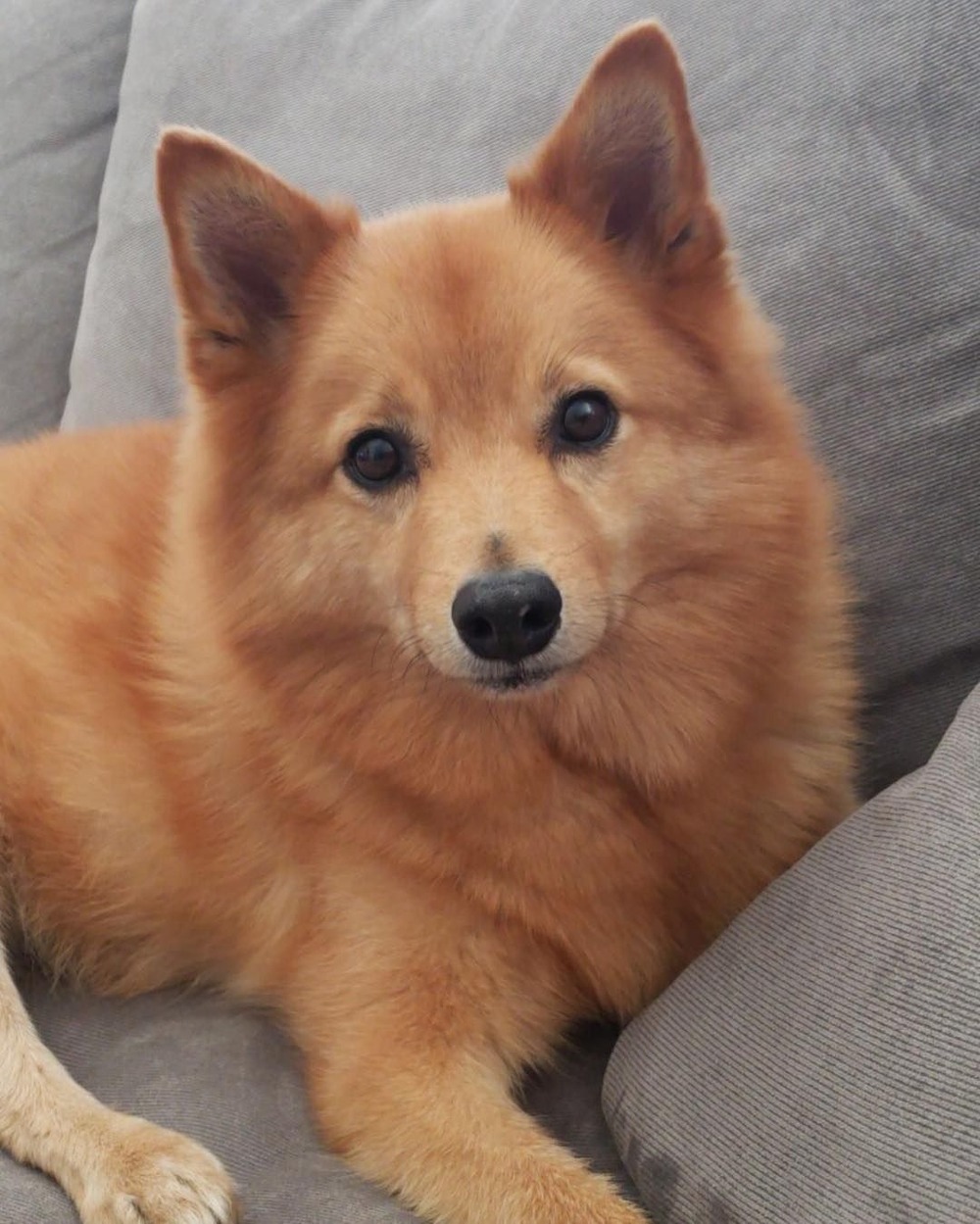
The Finnish Spitz is generally a small-to-medium spitz with a square outline, prick ears, and a plumed tail that curls over the back. The coat is a double coat, with a soft undercoat and harsher outer coat, and the colour sits in the red to red-gold range that many people describe as “fox red”.6, 7
Adult size commonly falls around 39 to 50 cm at the withers, with weight often in the low-to-mid teens in kilograms, depending on sex and build.2, 7
Most live around 12 to 15 years, and day-to-day care is usually moderate, as long as you plan for the breed’s seasonal shedding and their need for regular activity and stimulation.3, 7
Where the barking comes from: hunting work and “bark pointing”
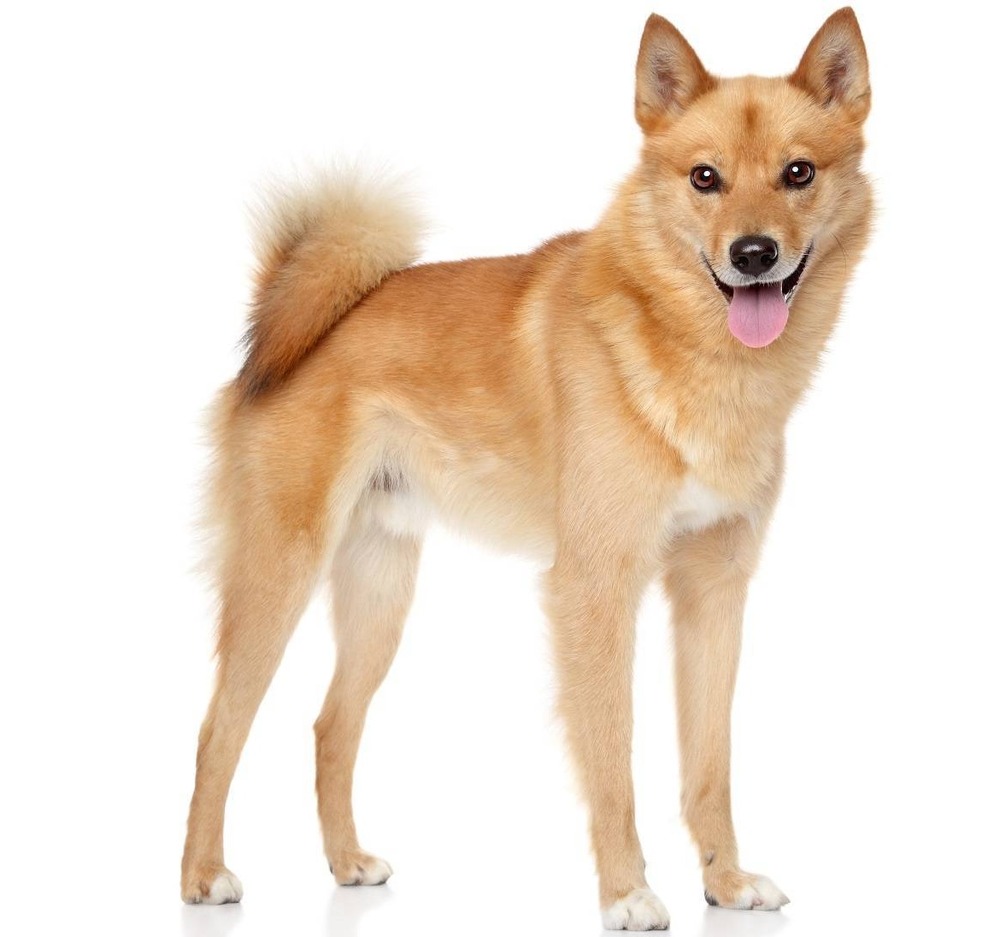
The Finnish Spitz is closely tied to Finnish hunting traditions. The breed is often described as a “barking bird dog” because the dog locates game birds and then signals by barking, holding attention so the hunter can approach. This is not random noisiness, it is a functional behaviour that was actively selected for.1, 2
In Finland, field trials for spitz-type bird dogs still evaluate independent searching and barking at the correct kind of game, which gives a good clue to what sits under the coat: a dog designed to work at distance, think for itself, and communicate loudly.4
This background also helps explain a common surprise for new owners. You can teach skills and manners, but you cannot train the breed into being naturally silent. What you are aiming for is manageable, purposeful barking rather than an unrealistic expectation of “no barking at all”.3
Temperament in real homes: lively, social, and a bit independent

Well-bred Finnish Spitz are typically alert, friendly, and lively, with a noticeable streak of independence. They often enjoy being near their people and can do well with families, but they also tend to have opinions about what is worth responding to, which is a very normal trait for a hunting spitz.6, 7
That mix, affectionate plus self-directed, is why they often suit people who like training as an ongoing conversation rather than a one-time “obedience fix”. With consistent routines, many settle nicely indoors, but they still need daily outlets for movement, sniffing, and problem-solving.3, 6
With children and other pets, outcomes are usually best when adults treat early introductions as part of the plan, not a gamble. Supervised interactions, calm boundaries, and reinforcing gentle behaviour matter more than any single claim that a breed is “good with kids”.
Training that respects the breed: soft hands, clear structure
Finnish Spitz can learn quickly, but they are rarely at their best with harsh corrections. A softer approach tends to work because it keeps the dog engaged and thinking, rather than switching off or pushing back.
Reward-based training is widely recommended by animal welfare organisations and training schools because it builds reliable behaviours while protecting the dog-handler relationship. For a vocal, alert breed, it also gives you practical tools for reinforcing calm choices before barking becomes a habit in the home.8
Helpful focus areas for many households include:
- Settle skills (mat training, calm on cue, quiet time after exercise)
- “Thank you” routines for alert barking, acknowledge then redirect to an alternative behaviour
- Recall and lead manners, especially if the dog is excited by birds or small animals
- Controlled social exposure, so the dog stays composed around visitors and neighbourhood activity
If barking is a neighbourhood issue, it is worth treating it like any other behaviour problem: look for patterns (time of day, triggers, boredom), then adjust the environment and training plan. For many Finnish Spitz, more structured enrichment and clearer routines reduce “background barking” far better than scolding ever does.
Exercise and enrichment: more than just a walk
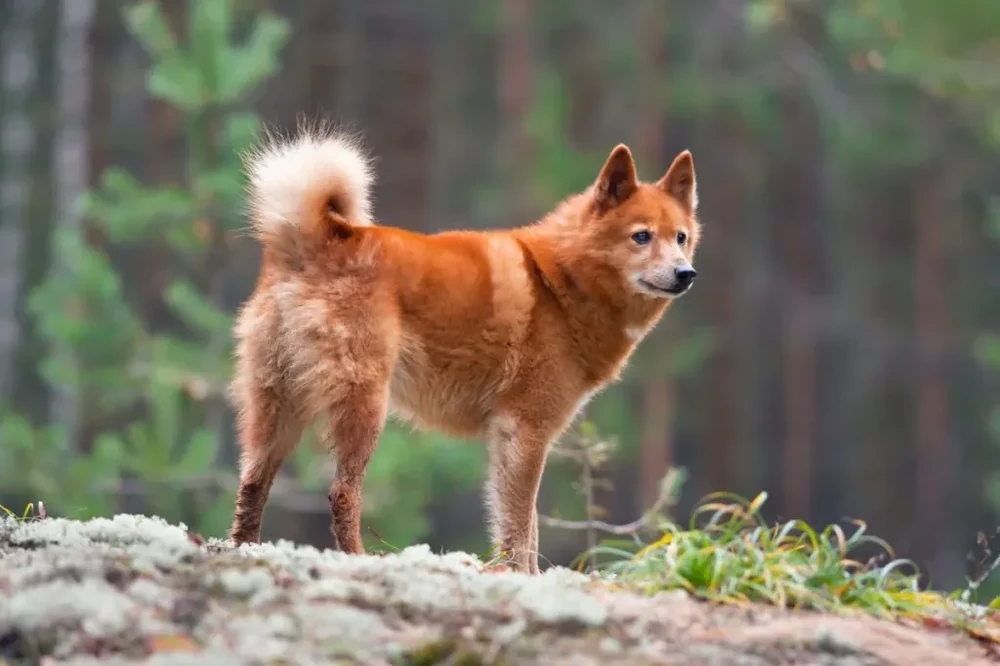
The breed tends to do best with daily exercise that includes both movement and mental work. Some individuals are content with around an hour of walking and play, while others thrive with more, particularly if they are young or under-stimulated.3, 7
A useful way to think about it is that a Finnish Spitz often wants a job, even if that job is “find the treats”, “search the yard”, or “learn a new cue”. Short, regular training sessions, scent games, and puzzle feeding can help prevent frustration that otherwise spills into barking or restlessness.
Apartment living can work for some dogs, but only when the household actively provides outlets. Without that, the same alertness that makes them engaging can become exhausting in shared walls and close neighbours.
Health notes and lifespan: what to watch, what to ask breeders

Finnish Spitz are generally considered a robust breed with a typical lifespan around 12 to 15 years.3
Like many medium-sized dogs, issues such as hip dysplasia and patellar luxation can occur in the wider dog population, and they are conditions that responsible breeders commonly consider when selecting breeding dogs. If you are buying a puppy, ask what screening has been done, and whether results are available in recognised health schemes or registries in your country.9
In everyday care, the basics still do a lot of work: maintaining a healthy weight, consistent exercise, dental care, and regular vet checks. If a dog is reluctant to jump, starts “skipping” on a hind leg, or seems stiff after rest, it is worth booking a veterinary assessment rather than waiting for it to pass.
Coat and grooming: tidy most of the year, intense twice a year
The Finnish Spitz coat is built for cold climates. The undercoat insulates, the outer coat helps shed water and dirt, and the overall look stays fairly neat without trimming. In routine weeks, brushing once or twice a week is often enough to keep the coat in good condition.6, 7
Most owners notice two heavier shedding periods each year. During those times, it helps to brush more frequently and to use tools that reach the undercoat without scraping the skin. Aim for skin-friendly de-shedding rather than trying to “strip out” the coat all at once.
Bathing is usually occasional. Over-bathing can dry the skin and does not solve shedding, which is mostly managed by brushing and good nutrition.
Feeding and weight: the quiet foundation of behaviour and health
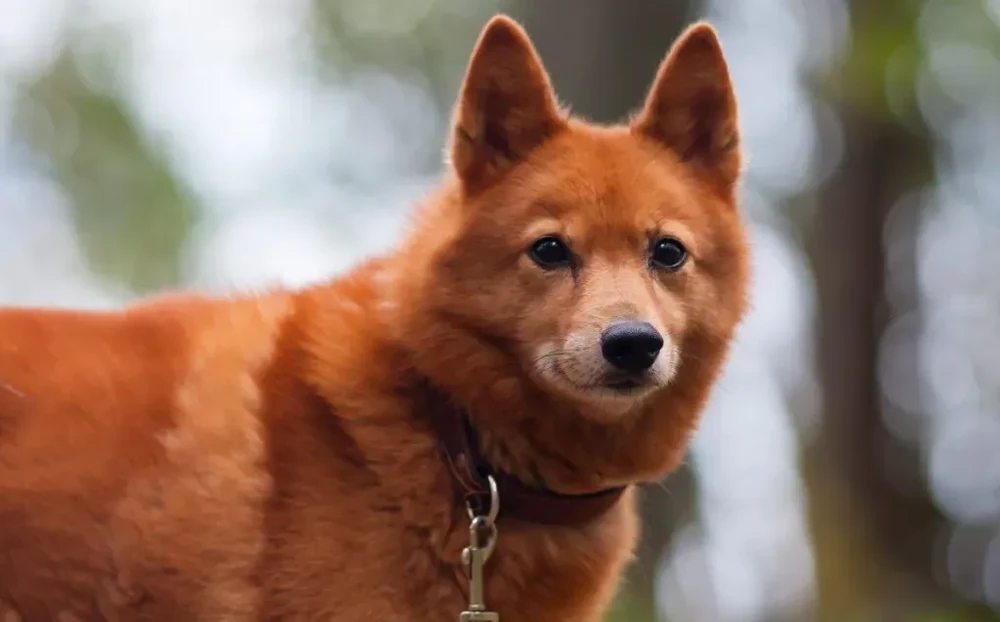
For an active, vocal breed, food is not just fuel. Diet affects body condition, coat quality, and sometimes even how resilient a dog seems when routines change. Choose a diet that is labelled as complete and balanced for your dog’s life stage, and pay attention to body condition rather than only the packet guidelines.
If you feel overwhelmed by marketing claims, WSAVA’s guidance can be a helpful anchor. It explains why ingredient lists are not a reliable shortcut for quality and what to look for on labels and from manufacturers instead.10
For many Finnish Spitz, portion control matters. A little extra weight can place avoidable load on joints, and it also makes exercise and heat management harder, especially in warmer Australian summers.
A few cultural notes that help the breed make sense
The Finnish Spitz is recognised as Finland’s national dog breed, which reflects how closely it is woven into the country’s hunting culture and identity.1, 2
If you keep that in mind, a lot of the day-to-day quirks feel less mysterious. The voice, the alertness, the independent streak, the love of being outdoors, they are not random personality traits. They are the echoes of a dog designed to find game in thick forest and to tell a human, clearly and repeatedly, “It is here”.
In a modern home, the goal is not to remove those traits. It is to channel them, so the dog can be itself while still fitting the practical realities of neighbours, family routines, and Australian living.
References
- Encyclopaedia Britannica: Finnish spitz
- Wikipedia: Finnish Spitz (overview and history)
- The Kennel Club (UK): Finnish Spitz breed information
- The Finnish Kennel Club: Hunting Trial for Spitz
- American Kennel Club: Breeds by Year Recognized
- The Westminster Kennel Club: Finnish Spitz
- The Kennel Club (UK): Finnish Spitz breed standard
- RSPCA ACT: Reward-based dog training
- Orthopedic Foundation for Animals (OFA): CHIC program, Finnish Spitz
- WSAVA: Global Nutrition Guidelines