

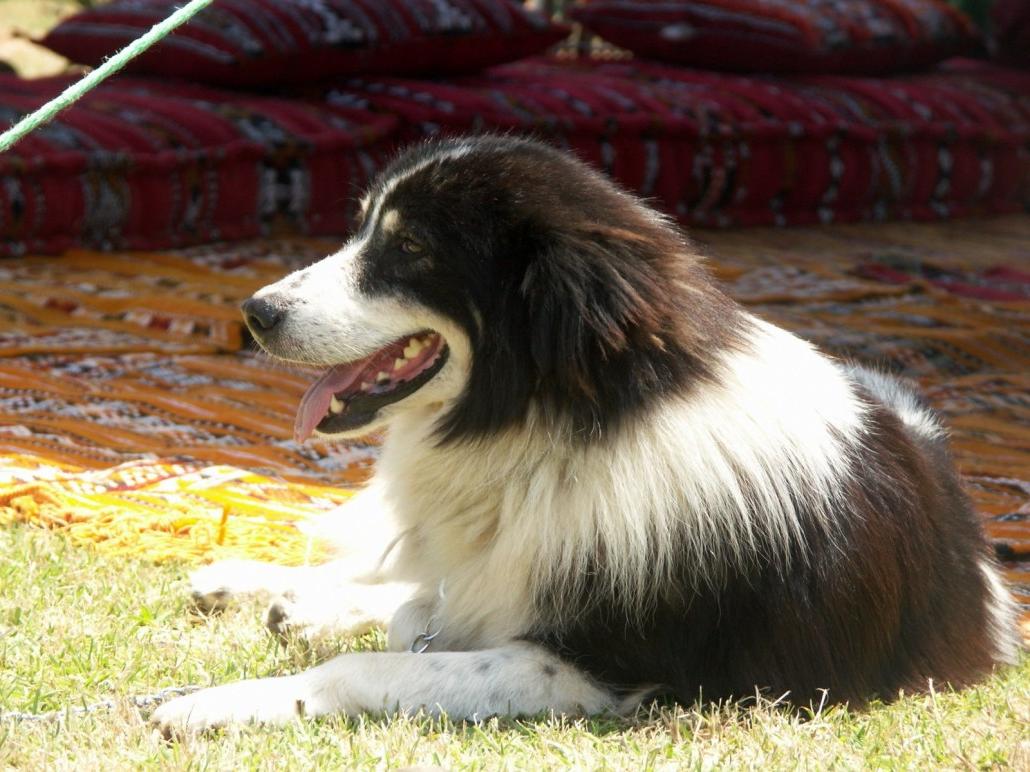
People usually come across the Aidi after seeing a photo of a thick-coated, athletic dog labelled “Atlas Mountain Dog”, or after meeting one that seems quietly watchful in a way that feels different from a typical pet-bred companion. The first assumption is often that a dog like this will be easy to “tire out” with a long run, or that its protectiveness is simply a personality quirk.
With the Aidi, it helps to pause and think about what the dog was shaped to do. This is a breed built around scanning the environment, making quick decisions, and staying present for long stretches, not just chasing a ball until it flops. That matters in daily life because it influences how Aidis settle at home, how they respond to visitors, and what kind of training actually works.
If you are considering an Aidi, or living with one already, the most useful lens is not “rare breed facts”. It is a practical look at guardian instincts, exercise that suits the dog’s body and brain, and the care that keeps them comfortable across seasons.
- Breed category: Working dog (livestock guardian type)
- Origin: Morocco, Atlas Mountains region1
- Typical size: Medium to large, roughly 52 to 62 cm at the shoulder (varies by individual and standard)1
- Coat: Dense, weather-resistant, moderate shedding
- Common theme: Alert, protective, active, thrives with steady guidance
Where the Aidi comes from, and why that still shows today
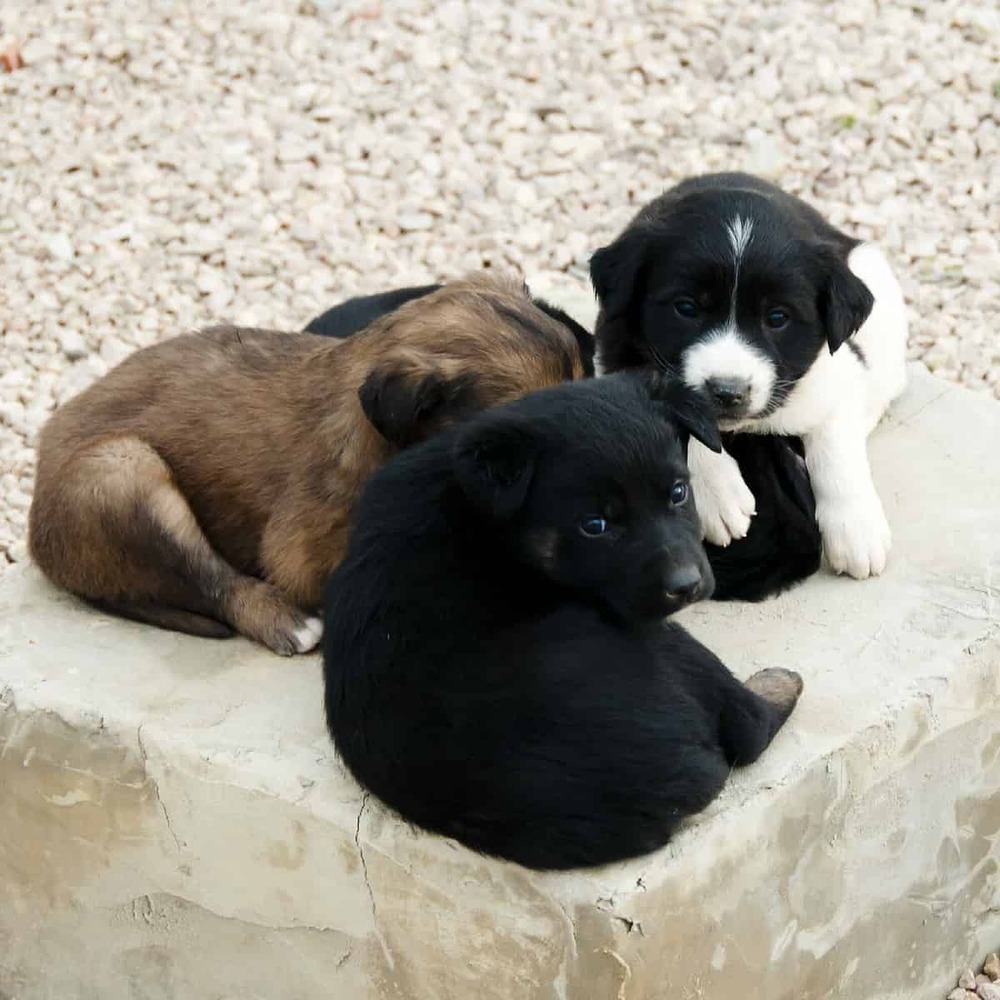
The Aidi (also written Aïdi) is recognised as a Moroccan breed in the Fédération Cynologique Internationale (FCI) standard, often referred to as the Atlas Mountain Dog.1 The historic job attached to that name is important: this is a dog developed to help guard livestock in rugged terrain, where being quick to notice movement and willing to hold ground were genuinely useful traits.2
In modern homes, those same tendencies can look like a dog that watches the front fence, notices small changes in routine, and can be cautious with unfamiliar people until it has more information. That is not “bad behaviour” by default. It is a working pattern showing up in a pet context, and it can be shaped into something manageable with clear routines and training.
One nuance that gets missed is that “guardian” does not mean “aggressive”. A well-bred, well-raised Aidi is often composed and responsive, but it is also more likely to take the environment seriously. For owners, the practical takeaway is to prioritise early social experiences and good handling skills, rather than assuming the dog will automatically generalise friendliness to every situation.
Temperament in real homes: loyalty, watchfulness, and settling skills

Aidi descriptions often mention loyalty, protectiveness, and alertness, which is broadly consistent with the breed’s background.2 In practice, what many people notice first is that the dog likes to know what is happening around the property. Some Aidis will follow family members room to room, not from clinginess, but from a preference to keep track of the group.
If you have visitors coming and going, the Aidi’s default response may be to pause and assess. That can be helpful if you want a watchdog, but it does require coaching so the dog does not practise charging the fence line or rehearsing big barking displays whenever a car door closes. The goal is a dog that can notice, then look back to you for direction.
With children, success tends to come down to the same things that matter with any robust, energetic working breed: supervision, calm boundaries, and teaching both dog and child what respectful interaction looks like. Early socialisation and ongoing management are especially important if the dog is inclined to guard spaces, toys, or food.
Other pets and livestock
Because the Aidi’s role involves guarding, individuals may be selective about strange animals entering their space. Some live well with other dogs and household pets, while others need slower introductions and ongoing structure. If you are hoping for multi-pet harmony, plan on gradual introductions, separate rest areas, and reward-based training that builds calm behaviour around triggers.
Training and exercise that fits a guardian breed

Training works best when it is consistent, reward-based, and focused on building skills rather than “winning” a contest of wills. The RSPCA recommends reward-based methods and cautions against aversive tools and punishment-based approaches, which can increase stress and problem behaviours in some dogs.3 With a naturally watchful breed, that guidance is especially relevant, because harsh handling can make the dog more suspicious of unfamiliar events.
Exercise needs are usually described as high, but it helps to think in two parts: physical movement and mental load. Aidi types often do well with long walks in new environments, hiking-style outings, scent games, and structured training sessions that ask for self-control.
Daily life tends to go more smoothly when the dog has rehearsed “off switches” such as mat work, calm greetings, and staying settled while people move around the house. In other words, you are not only trying to make the dog tired. You are building settling behaviour on purpose.
Heat management matters for thick-coated dogs
The Aidi’s dense coat is built for weather resistance, but thick-coated dogs can be more vulnerable in hot, humid conditions. RSPCA advice for hot weather includes avoiding exercise in the heat, walking early or late, checking surfaces for paw-burn risk, and knowing the signs of heatstroke.4, 5 If your Aidi pants heavily, becomes uncoordinated, vomits, or seems unwell after heat exposure, treat it as urgent and contact a vet promptly.5
Health considerations, vet checks, and what owners can do early
No breed is “immune” to health problems, even when it is generally considered robust. Like many medium-to-large dogs, the Aidi can be associated with hip dysplasia, which is a developmental condition where the hip joint does not form as well as it should, and may lead to arthritis over time.6, 7
Hip dysplasia is complicated because severity on x-ray does not always match what you see day to day. Some dogs cope well for years, while others show pain or mobility changes earlier.6 If you are purchasing a puppy, ask what health screening is done in the lines. If you are adopting an adult, watch for subtle signs such as reluctance to jump into the car, stiffness after rest, or a shortened stride behind, and discuss them with your vet.
Practical habits that often help joint comfort over a lifetime include maintaining a lean body condition, building fitness gradually, and choosing lower-impact exercise when needed. Your vet can also advise on timing for desexing, supplements, and whether imaging is warranted based on the dog’s movement and history.
Coat care and grooming, without turning it into a battle

The Aidi coat is dense and designed to cope with weather. In a home setting, that usually translates to moderate shedding and a tendency for the undercoat to loosen seasonally. A simple, regular routine is often enough: a thorough brush a few times a week, then more frequent brushing during heavier shed periods.
Try to keep grooming calm and predictable. Short sessions that end before the dog gets restless are more sustainable than occasional long sessions that feel like restraint. A non-slip surface, a consistent brush, and small food rewards can help many dogs learn that grooming is simply part of life.
Bathing is typically occasional, as frequent bathing can dry the skin in some dogs. Regular ear checks, nail trims, and tooth care round out the “maintenance” side of things, and they also make vet visits less stressful because the dog is used to handling.
Feeding and weight, the quiet foundation for an active life
People often focus on protein levels when they have an active breed, but the most important day-to-day marker is whether your dog is staying in a healthy body condition. The WSAVA Global Nutrition Guidelines emphasise the role of the veterinary team in assessing nutrition, including using body condition scoring tools for dogs.8
For many Aidis, feeding success looks like a consistent, complete diet (commercial or vet-guided home-prepared), measured portions, and adjustments when activity changes across seasons. It is also worth remembering that treats used for training “count”, especially when you are doing lots of reinforcement during adolescence.
If you are unsure, ask your vet to show you how to assess body condition at home. Keeping an Aidi lean and fit is one of the simplest ways to support joints, heat tolerance, and overall comfort.
Living with an Aidi, who tends to thrive and who might struggle
The Aidi often suits people who enjoy training, walking, and sharing daily life with a dog that pays attention. A rural or semi-rural setting can be a natural fit, but plenty of dogs live well in suburban homes when they have secure fencing, structured exercise, and guidance around visitors.
Where some households struggle is expecting the Aidi to be instantly social with everyone, or leaving the dog under-stimulated and then feeling surprised when it invents its own job, such as patrolling the fence line or barking at every new sound. This is usually the point where a good trainer can help you set up routines, teach calm behaviours, and create a plan that is realistic for your home.
If you are drawn to the breed because you want a dog with presence, stamina, and a strong sense of its surroundings, the Aidi can be deeply rewarding. The key is meeting it with the same steadiness it brings to its work: clear boundaries, thoughtful exposure to the world, and a lifestyle that respects what the dog was built to do.
References
- Fédération Cynologique Internationale (FCI): Aïdi (Atlas Mountain Dog) breed standard listing
- Wikipedia: Aidi (dog breed overview and alternate names)
- RSPCA Knowledgebase: Reward-based training recommendations
- RSPCA Australia: Keeping your pet safe during the heat
- RSPCA Australia: Protect pets from heatstroke (signs and prevention)
- Orthopedic Foundation for Animals (OFA): Hip dysplasia overview and grading
- Morris Animal Foundation: Hip dysplasia in dogs (overview)
- WSAVA: Global Nutrition Guidelines (including body condition scoring tools)