

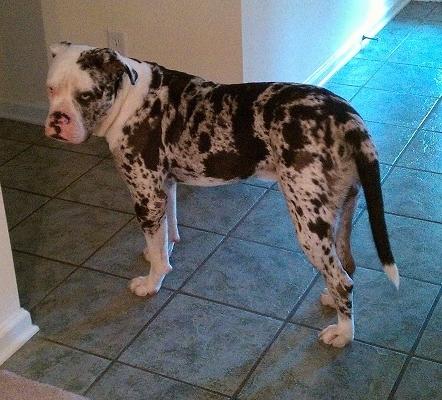
You might come across the Alapaha Blue Blood Bulldog after seeing a solid, athletic bulldog type dog that looks a little taller and more agile than the show-ring English Bulldog. Sometimes it is a photo online, sometimes it is a dog at the park, calm and watchful, with a striking eye colour that makes people look twice.
It is also a breed people tend to hear about in fragments, “rare”, “old plantation bulldog”, “protective”, “good with kids”, then the next person says they can be stubborn, or that they are not recognised by the big kennel clubs. The truth sits in the details: what the breed was developed to do, what that means in a modern home, and how to set one up for a steady life with people.
Done well, living with an Alapaha is less about hype and more about good foundations: thoughtful socialisation, clear training, enough exercise, and a realistic approach to health and day-to-day management.
At a glance: what the breed is like to live with
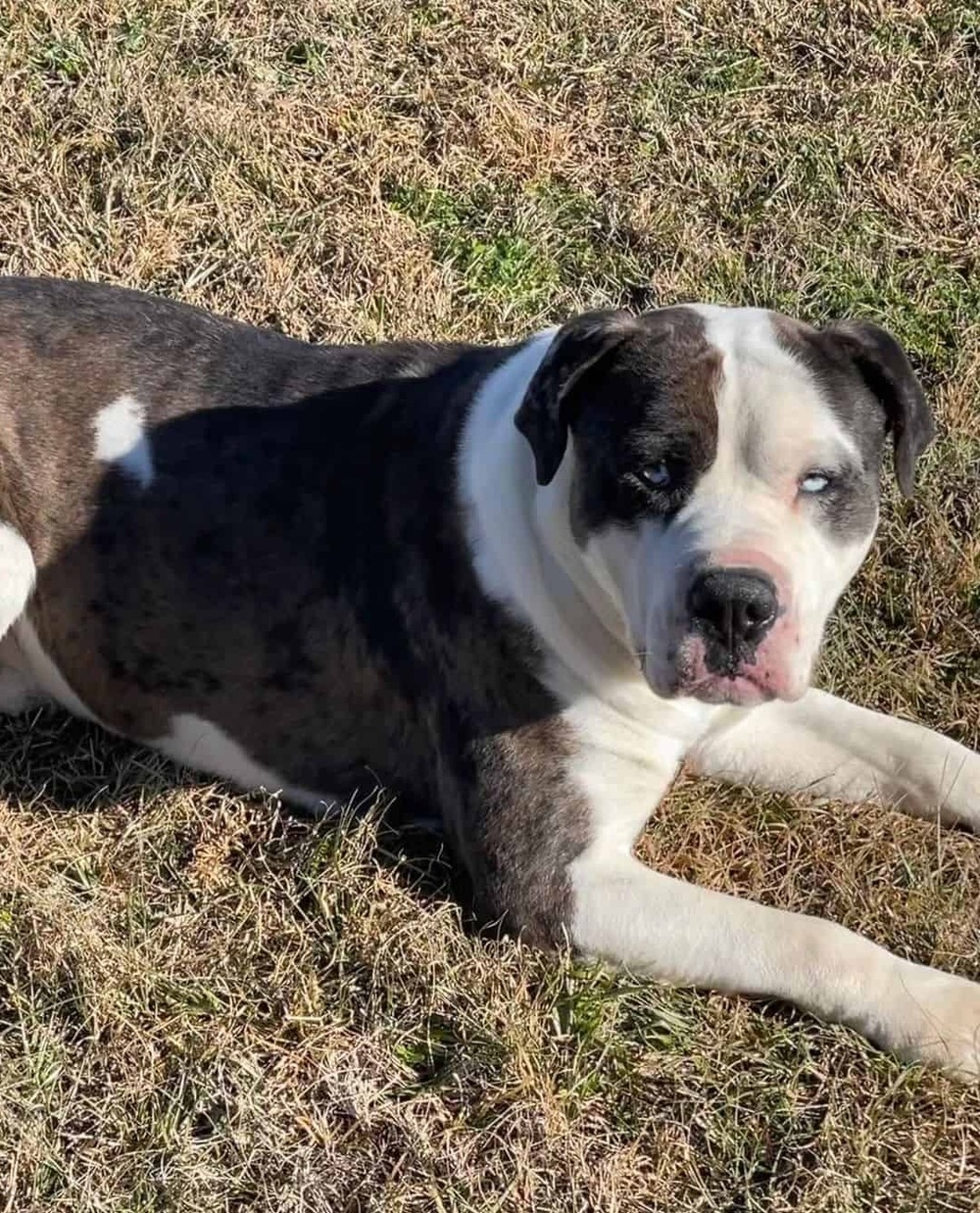
The Alapaha Blue Blood Bulldog is generally described as a working, guardian-oriented bulldog type from the southern United States. It is typically medium to large, with males often larger than females, and a short coat that is fairly easy to maintain.1
Most families who do well with the breed tend to value the same qualities: steady companionship, an alert presence around the home, and a dog that enjoys having a job, even if that “job” is structured training, scent games, or a daily walking routine.
- Energy: often higher than people expect from a bulldog type
- Space: best with a securely fenced yard and planned daily activity
- Experience: suits owners who can train kindly and consistently, without intimidation
History and origin
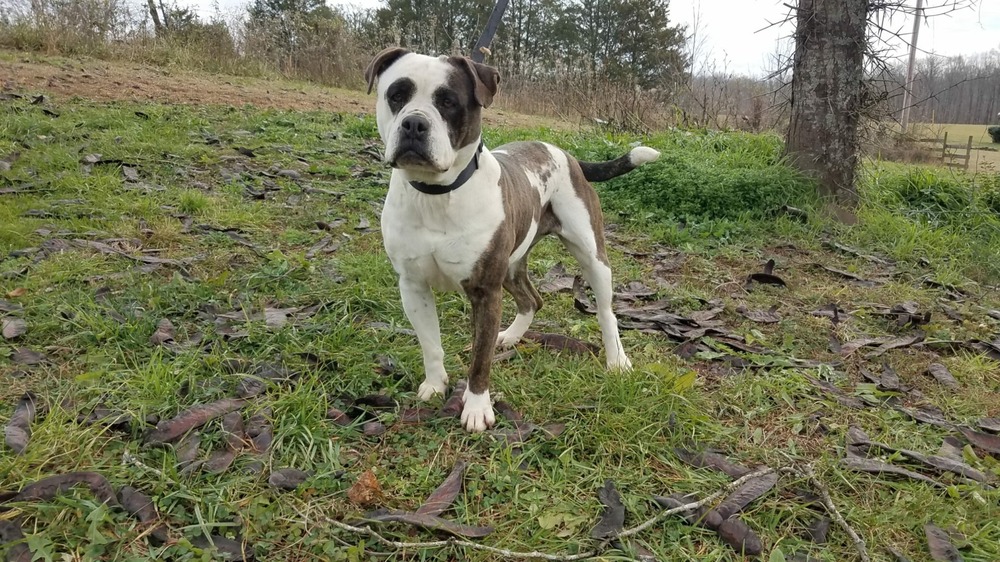
Accounts of the breed’s development commonly place it in southern Georgia, with the name linked to the Alapaha River region. The story you will often see is that the Lane family kept and bred a consistent “plantation bulldog” type for working roles, then later promoted the modern breed and its registry traditions.1
Because this is a rare breed with a small population, records can be patchy and sometimes romanticised. Still, the overall picture is consistent: a dog shaped by practical needs, property guarding, livestock management, and staying close to its people.
In modern terms, that working background matters. It helps explain why many Alapahas do best when they have clear routines, early exposure to the world, and owners who notice small signs of stress or over-arousal before they escalate.
Recognition and rarity: what “registered” really means
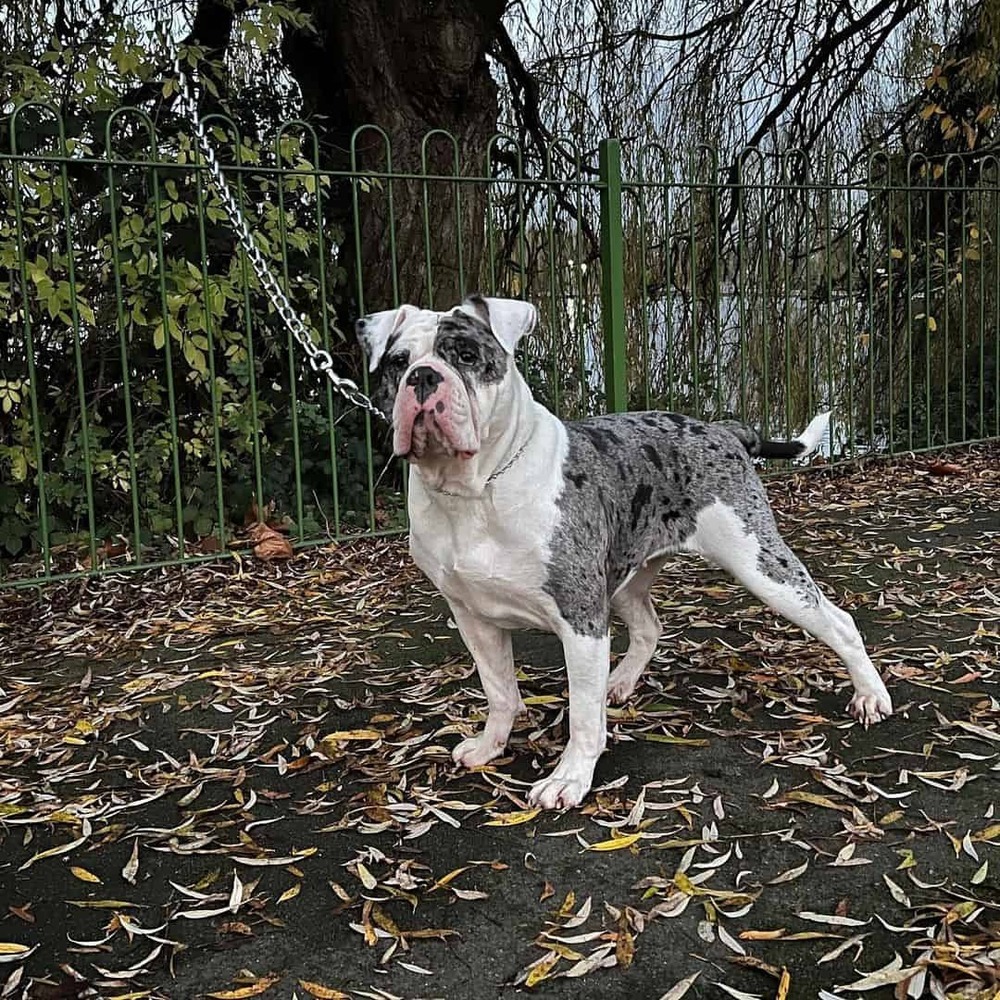
The Alapaha Blue Blood Bulldog is not widely recognised by the major, mainstream kennel club systems in the way that many common breeds are. In practice, that can mean more variation between lines, and more responsibility on buyers to check what they are actually getting.
The Alapaha Blue-Blood Bulldog Association (ABBA) positions itself as a key registry for the breed and states that ABBA registration is used to identify an “authentic” Alapaha under its rules, including requirements about parentage and its approach to preservation.2, 3
If you are considering a puppy, it is worth slowing down and asking for specifics, not just labels. A reputable breeder should be comfortable discussing:
- parent dogs, their temperament, and how they live day to day
- health screening relevant to their lines (hips, eyes, and hearing where indicated)
- how puppies are raised and socialised before they come home
Physical characteristics
Alapahas are typically muscular, athletic, and substantial without being as low-slung as some other bulldog types. The coat is short, with colour patterns often described as white with patches, including blue, black, buff, or brown.1
Now and then you will hear mention of “glass eyes”, meaning a blue eye or marbled eye colour. Eye colour can be part of the breed’s look, but it is still wise to treat eye health as more important than eye aesthetics. If a dog squints, rubs its face, or has persistent discharge, that is a veterinary conversation, not a cosmetic quirk.
Temperament and behaviour
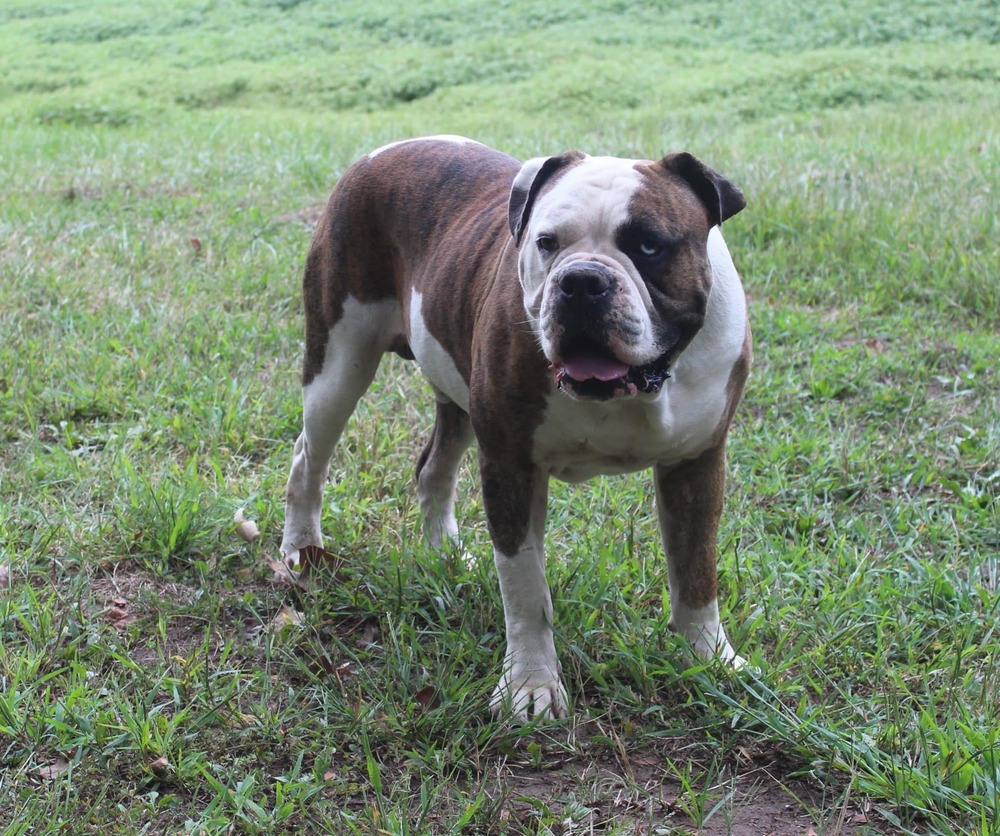
Most descriptions of the breed emphasise loyalty, confidence, and a protective streak. In the home, that can look like a dog that prefers to keep track of where everyone is, notices visitors quickly, and settles best when it understands the household rhythm.1
A common misunderstanding is to equate “protective” with “naturally well behaved”. Guarding instincts can be useful, but they can also become noisy vigilance, fence-running, or suspicion around strangers if the dog is under-socialised or repeatedly placed in situations it cannot cope with.
With children, the usual rule applies: even a gentle dog can bowl over a small child by accident, and even a tolerant dog deserves breaks. The safest pairing is supervision, predictable interactions, and teaching kids simple dog-aware habits such as leaving the dog alone while eating or resting.
Training, socialisation, and exercise
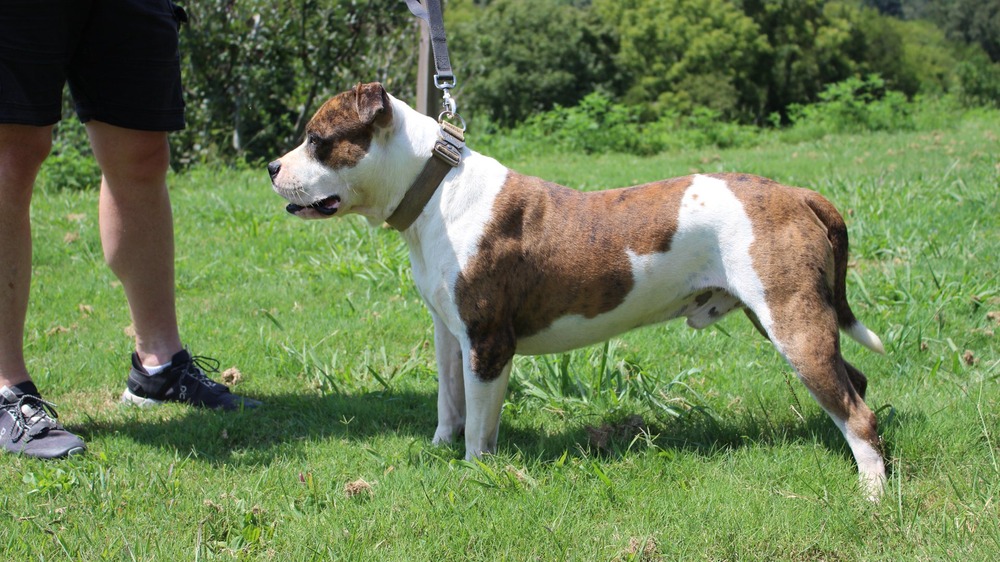
Training an Alapaha tends to go best when it is practical and calm. Short sessions, clear cues, and rewards that matter to the dog usually outperform heavy-handed “dominance” approaches, which can create conflict or shutdown in many dogs.
Early socialisation matters, but it helps to think beyond meeting lots of people. Aim for steady, low-pressure exposure to everyday life: different surfaces, sounds, car rides, people with hats, polite dogs, and the experience of being handled for grooming and vet checks.
For exercise, many adults need daily outlets that include both physical movement and thinking work. Depending on the individual dog, that can include:
- brisk walks with sniff time and training breaks
- retrieving games and tug with rules
- scent games and food puzzles at home
- structured obedience or sport foundations, if it suits the dog
Health considerations and lifespan
Any rare breed can come with challenges, partly because smaller gene pools can concentrate inherited issues. Two health topics that come up repeatedly for Alapahas are hips and hearing, plus some lines may be prone to eyelid issues such as entropion. Treat these as prompts for good screening and good observation, not guarantees that something will go wrong.1
Hip dysplasia is a developmental condition that can lead to arthritis and mobility pain. Genetics is a major risk factor, and growth rate and body weight can influence outcomes. Keeping young dogs lean and well-muscled, rather than overfed, is one of the quieter ways owners can support joint health.4, 5
Lifespan is often reported in the low-to-mid teens, but it varies by individual, breeding decisions, and the basics of care. If you want a practical yardstick, focus on body condition, fitness, dental care, and early veterinary attention when something changes.
Grooming and day-to-day maintenance
The short coat is usually straightforward: a weekly brush to lift loose hair, a quick check of skin and ears, and nail trims as needed. Many owners find that a grooming mitt and a simple routine after walks does most of the work.
Pay attention to the parts that quietly affect comfort. Overlong nails alter gait. Dirty ears can become sore. Dental health influences appetite and overall wellbeing. None of these are glamorous, but they are the difference between a dog that merely “looks fine” and a dog that moves and rests comfortably.
Diet and nutrition
A muscular, active bulldog type needs a diet that supports steady energy and healthy body condition. If you are unsure where to start, your vet is the best partner for choosing an appropriate food and portion size for your dog’s age, activity level, and any health issues.
WSAVA provides tools and guidance for veterinary teams, including body condition scoring resources. For owners, the key idea is simple: aim for lean, not heavy. Being even slightly overweight increases stress on joints and can make exercise intolerance more likely.6
It is also worth knowing the common household food hazards. Grapes and raisins can cause acute kidney injury in dogs, and RSPCA guidance also lists chocolate, xylitol, and other foods to avoid.7, 8
Choosing an Alapaha, and setting the first months up well
If an Alapaha is the right fit, it tends to be because the household is ready for a dog with opinions, athletic ability, and a tendency to take its role seriously. It is not a breed that thrives on being left to “work it out” in the backyard.
When you speak with breeders or rescue contacts, it helps to prioritise temperament stability over aesthetics. Ask what the dog is like when visitors arrive, how it behaves around other dogs, what it does when bored, and what support the breeder offers after the puppy goes home.
In the early weeks, focus on calm repetition: settling on a mat, gentle handling, learning to be alone briefly, and rehearsing neutral responses to passers-by. Those small skills are what make a protective, powerful dog easier to live with, year after year.
References
- Wikipedia: Alapaha Blue Blood Bulldog
- Alapaha Blue-Blood Bulldog Association (ABBA): About
- ABBA: Registration eligibility requirements
- American College of Veterinary Surgeons (ACVS): Canine hip dysplasia
- Merck Veterinary Manual (Pet Owner): Hip dysplasia in dogs
- WSAVA: Global Nutrition Guidelines
- Cornell University College of Veterinary Medicine: Grape and raisin toxicity
- RSPCA Pet Insurance Australia: Foods to avoid feeding your dog