

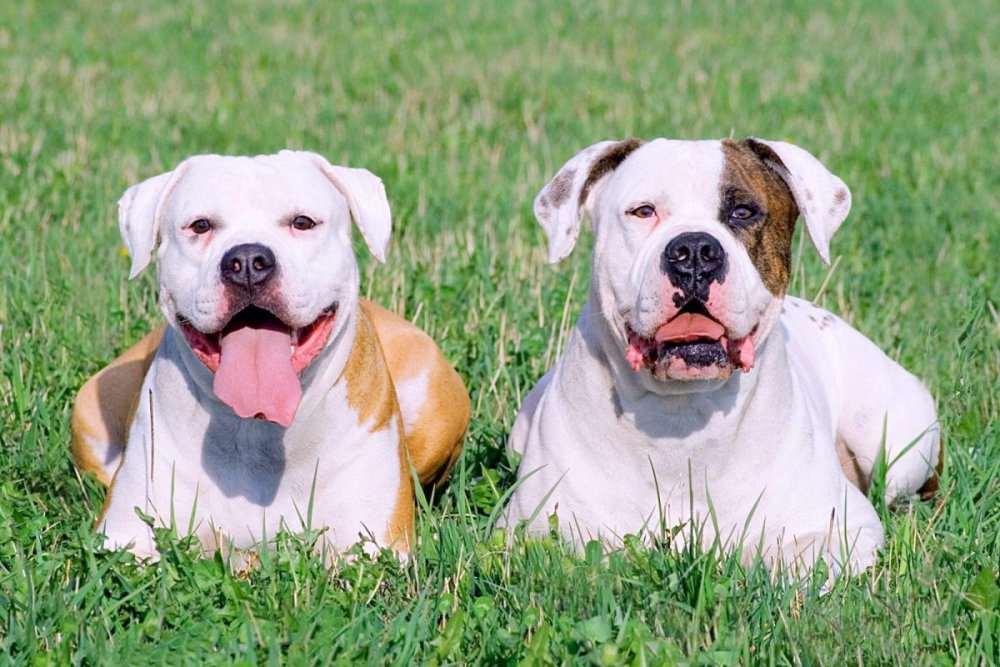
You might first notice an American Bulldog because of the way they move through the world: steady, physical, and very sure of their own space. Sometimes it is a neighbour’s dog on a lead that seems powerful but surprisingly calm, or a young dog who is friendly one moment and a bit too much the next. People often feel drawn to that solid look, then wonder what day to day life with a dog like this actually involves.
It is also a breed that attracts assumptions. Some people read “bulldog” and picture a flat-faced, low-energy companion. Others focus on the muscle and decide the temperament must be intense. In practice, American Bulldogs are best understood as a working-bred dog living in modern homes, and that mismatch can be where problems, or very good partnerships, begin.
When the fit is right, they can be affectionate, steady companions who enjoy a job, even if that “job” is structured walks, training, and learning to settle. When the fit is wrong, their size, strength, and confidence can make ordinary issues (jumping up, pulling, dog reactivity) harder to manage.
American Bulldog snapshot
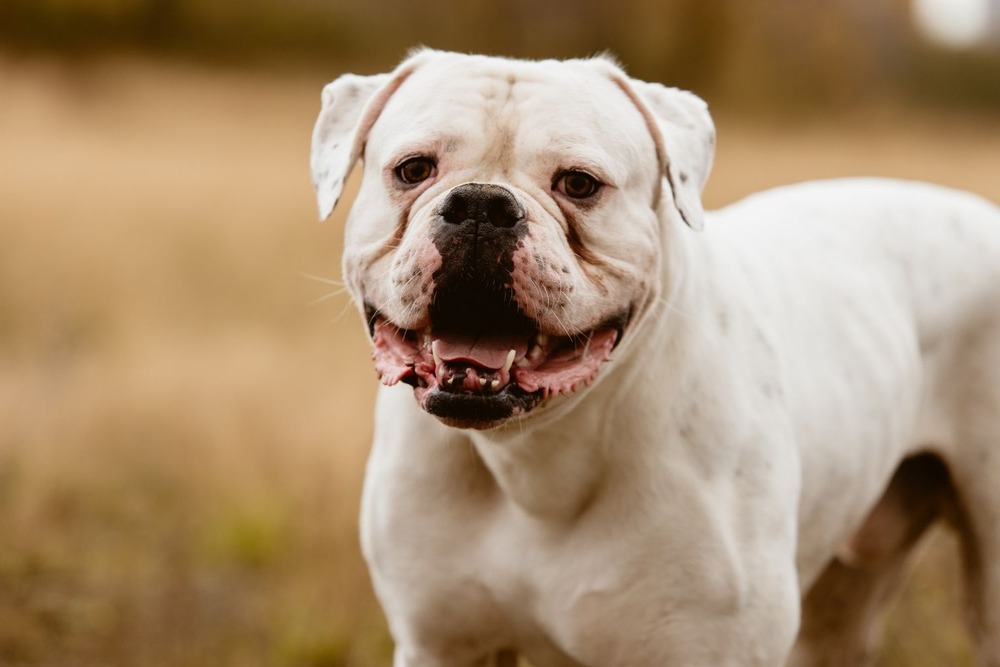
Breed type: Working utility dog, originally kept for farm roles such as property guarding and catching livestock.
- Height: Males typically about 56 to 69 cm at the shoulder, females about 51 to 64 cm.1
- Weight: Varies widely, and should be in proportion to height and overall condition rather than chasing a single number.1
- Life expectancy: Often around 10 to 15 years, with longevity heavily influenced by body condition, genetics, and management.
- Coat: Short and easy care, with moderate shedding.
- Temperament: Typically confident and family-oriented, often reserved with strangers, and can be assertive with other dogs if not thoughtfully managed.1
Breed “types” are sometimes discussed, commonly a more athletic “Standard” type and a heavier “Bully” type. In real life, many dogs sit somewhere in between, which is why looking at the individual dog, not just the label, matters.1
Where the breed comes from, and what that means today
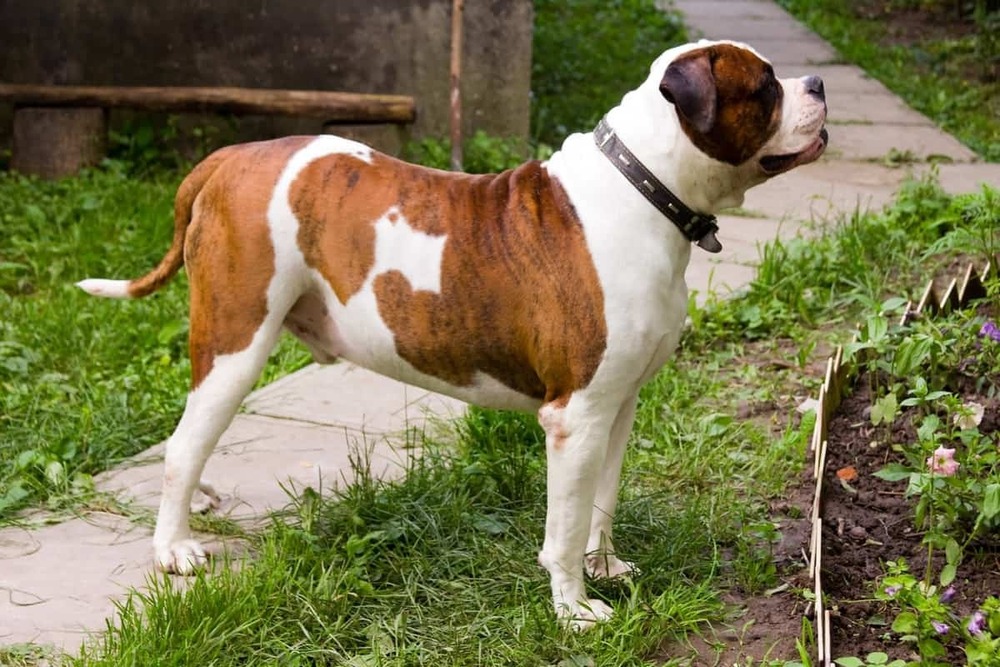
American Bulldogs are generally described as descendants of older working bulldog types brought to the American South, where they were kept as practical farm dogs. That background helps explain the modern dog: a body built to do physical tasks, and a brain that tends to cope best when life has structure.
In the twentieth century, enthusiasts and breeders helped rebuild and stabilise the type after numbers declined, and two names that appear often in breed histories are John D. Johnson and Alan Scott. Their lines are frequently referenced when people talk about different “styles” within the breed.2
One detail that is often repeated online is formal recognition. The American Bulldog was recognised by the United Kennel Club on 1 January 1999.2 At the time of writing, the breed is not recognised by the FCI, which matters mainly if you are thinking about international showing and certain sport pathways.3
Temperament, family life, and the reality of “protective”
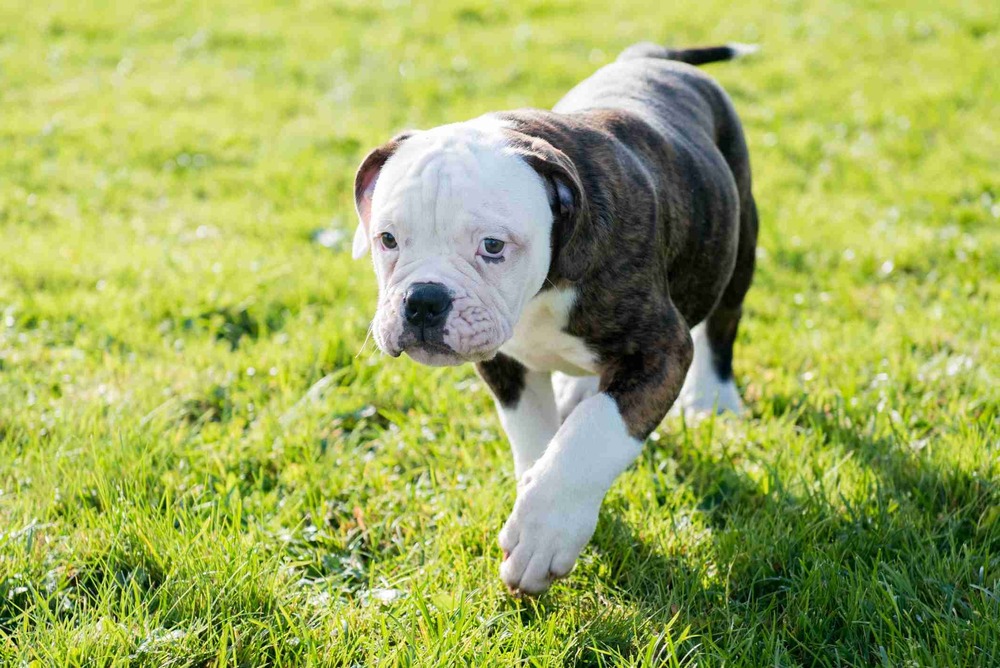
Many owners describe American Bulldogs as deeply attached to their people, and that can be true without turning them into a caricature. They often prefer to be near the action, they notice changes in routine, and they can be naturally watchful in the home.
The word protective is where nuance matters. A dog can be alert and reserved with strangers without being suitable for “guard dog” work. For most households, the safer goal is a dog who can remain calm when visitors arrive, and who can take direction from the handler even when excited.
With children, supervision is essential, not because the breed is uniquely unsafe, but because of the combination of size, strength, and enthusiasm. Many incidents in family homes come down to accidental knocks, rough play that escalates, or a child getting between dogs during arousal. Calm management and teaching everyone the household rules tends to matter more than any single training trick.
With other pets, outcomes vary. Some American Bulldogs live happily with other dogs and cats, especially when raised with them, while others find unfamiliar dogs challenging. If you are adopting an adult, assume you are assessing an individual, not a promise made by a breed description.
Training and exercise, building the dog you want to live with
American Bulldogs are often described as intelligent, and you see that in how quickly they learn patterns. The catch is that they can also learn the “wrong” patterns just as efficiently. If pulling on lead gets them to the next sniffing spot, or jumping up gets attention, those behaviours can become habits fast.
Consistency beats intensity with this breed. Short training sessions, clear cues, and rewards that actually matter to the dog (food, tug, access to the environment) tend to work well. Harsh handling is risky because it can create avoidance, conflict, or a dog who looks “shut down” rather than genuinely settled.
Exercise needs are real, but they are not only about kilometres walked. Many American Bulldogs do best with a mix of:
- Brisk daily walks with time to sniff and decompress.
- Strength and skill work, such as controlled tug, retrieves, or basic body awareness games.
- Enrichment that reduces frustration, such as food puzzles and simple scent games.
- Planned rest, because some young dogs do not naturally switch off.
If you are dealing with reactivity, over-arousal, or poor impulse control, it is worth working with a qualified trainer who can help you read what is happening in the moment, and adjust the environment so the dog can succeed.
Health, lifespan, and what to watch for
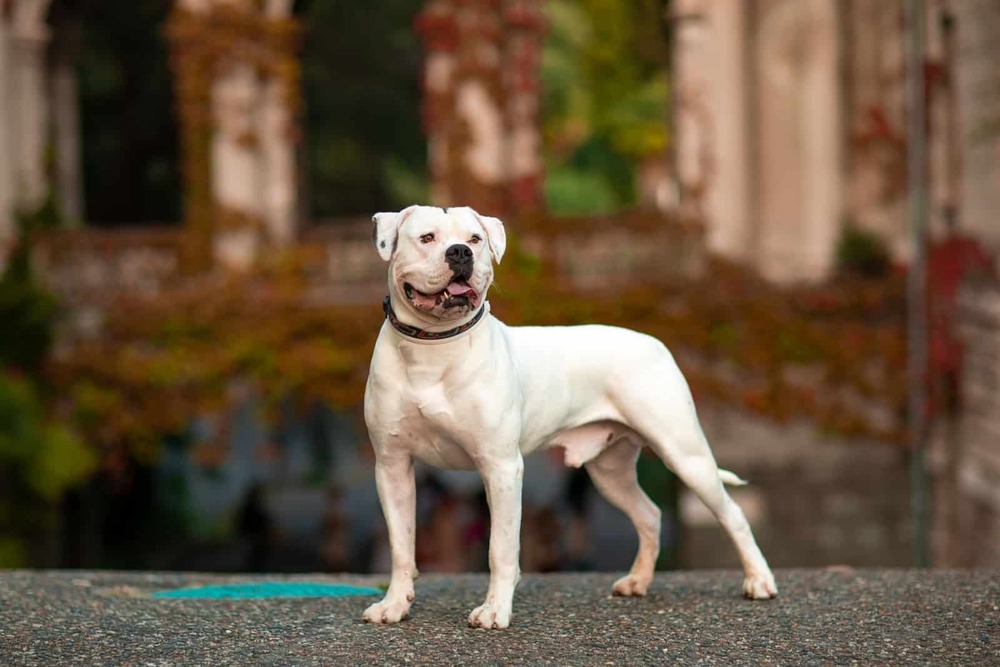
Like many medium to large, muscular breeds, American Bulldogs can be prone to orthopaedic issues, including hip dysplasia. Hip dysplasia is a developmental condition influenced by multiple factors (including genetics, growth, and body condition), and it can lead to arthritis and long-term pain if not managed well.4
Skin problems are also commonly mentioned by owners, often linked to allergies, environmental irritation, or secondary infections. Any dog with recurrent itch, ear inflammation, or chronic licking benefits from a proper veterinary work-up rather than cycling through shampoos and diet changes at random.
Heat is another practical concern. While American Bulldogs are not always as extremely short-muzzled as some other bulldog breeds, many individuals still have shortened muzzles and heavy, muscular bodies that make hot weather harder to handle. Watch for heavy panting, drooling, weakness, or distress, and avoid hard exercise in heat and humidity.5, 6
Two habits that make a real difference across the lifespan are keeping a lean body condition and building good movement patterns early. If your dog is young, talk to your vet about growth, exercise surfaces, and when to consider joint screening based on family history.
Grooming and everyday care
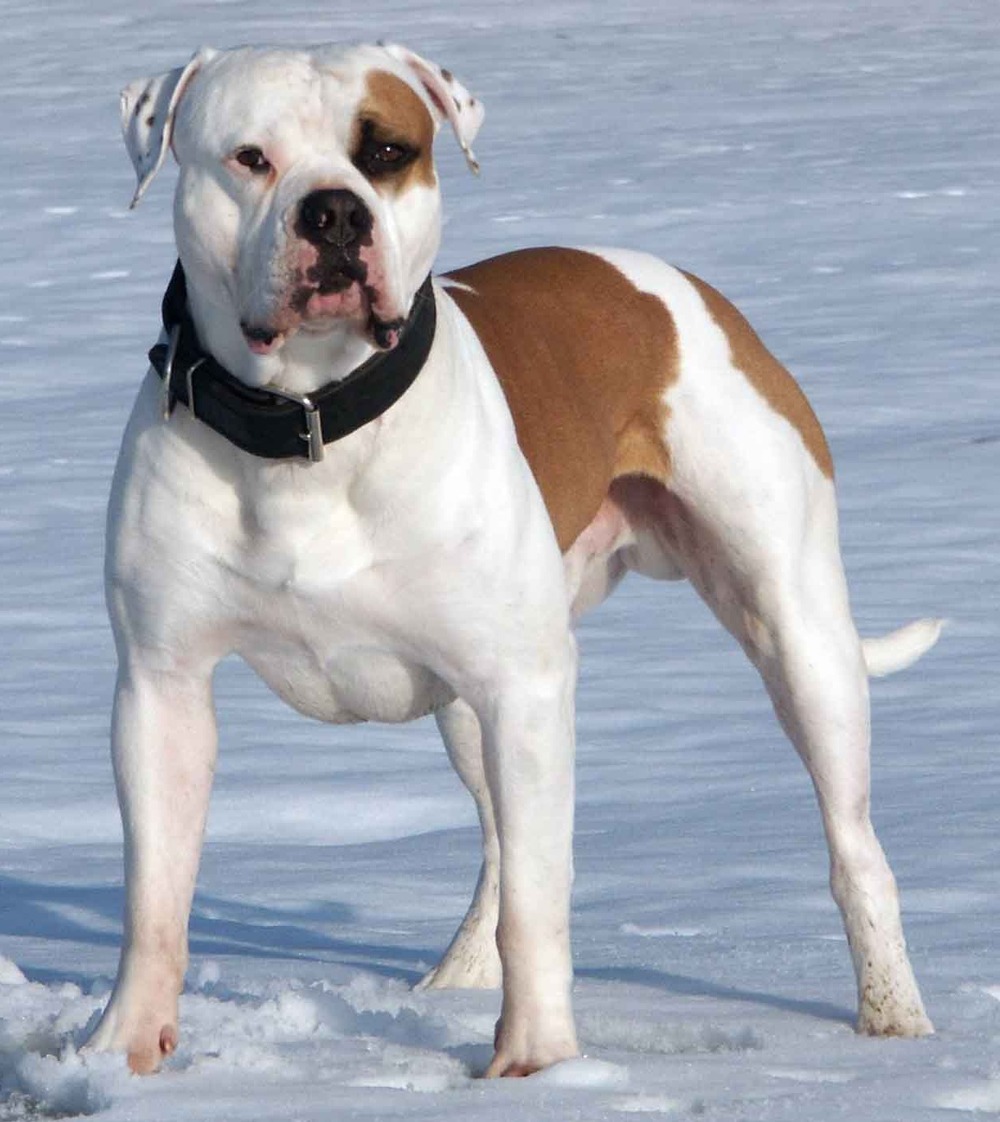
The coat is straightforward: a weekly brush usually keeps shedding under control, and baths are occasional unless your dog has skin flare-ups or a talent for finding mud. Pay attention to the small routines that prevent bigger issues, such as nail length, ear hygiene, and dental care.
Because the breed is powerful, it is worth teaching cooperative handling early. Practise brief, calm sessions where your dog learns that having paws touched, ears checked, or a harness put on predicts something good. It is not glamorous training, but it is the sort that makes vet visits and home care safer for everyone.
Feeding and body condition, keeping strength without bulk
People are often tempted to overfeed a young American Bulldog because they look “impressive” when they fill out. The trouble is that extra weight is not neutral weight. It can add strain to joints, reduce heat tolerance, and make a lively dog harder to manage on lead.
A useful approach is to choose a complete and balanced diet that suits your dog’s life stage, then adjust portions based on body condition and muscle tone rather than the feeding guide on the bag. The World Small Animal Veterinary Association recommends routine nutritional assessment as part of standard veterinary care, including monitoring body condition and muscle condition over time.7
If you are considering supplements (fish oil, joint products, “allergy” powders), it is worth checking in with your vet first, especially if your dog is on medications or has ongoing skin or gut issues.
Is an American Bulldog a good match for you?
American Bulldogs tend to suit people who like a dog with presence, who enjoy training as part of daily life, and who can provide clear boundaries without turning everything into a power struggle. They are often a better fit for households that can offer space, routine, and calm handling.
They are not a set-and-forget breed. If you are away long hours, live in a tight apartment with limited outlets, or want a dog who is naturally neutral around every dog and stranger, you may find the reality more demanding than the look you fell in love with.
If you are choosing a breeder or rescue, ask questions that relate to your life:
- How does this dog behave around unfamiliar dogs and visitors?
- What does the dog do when excited, and how do you help them settle?
- Have the parents, or this dog, been assessed for orthopaedic issues such as hip dysplasia?
- What support do you offer after adoption or purchase?
References
- United Kennel Club (UKC): Breed Standards, American Bulldog
- Wikipedia: American Bulldog (overview, including UKC recognition date and historical strains)
- United States American Bulldog Club (USABC): USABC and the AWDF (FCI recognition context)
- Merck Veterinary Manual (Pet Owner Version): Hip Dysplasia in Dogs
- RSPCA NSW: Heat stress
- RSPCA Australia: Warm weather worries, protect pets from heatstroke
- WSAVA: Global Nutrition Guidelines