

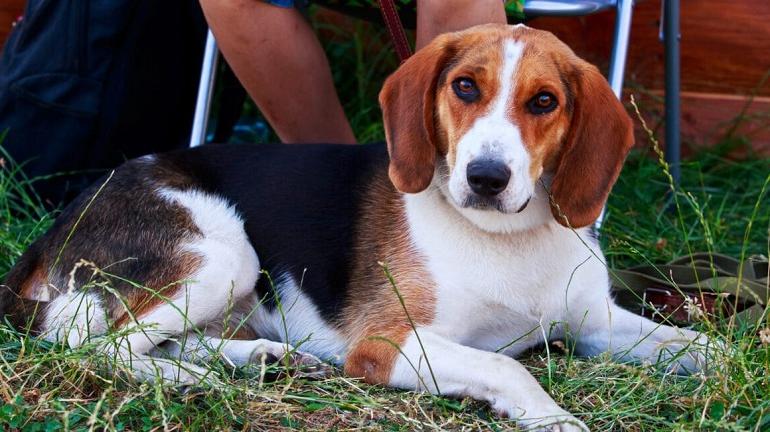
People usually start looking up the American Foxhound after noticing something that does not quite fit the usual idea of a “family dog”. Maybe you have met one on a bushwalk that seemed friendly enough, but quickly drifted off with its nose down. Or you have heard that distinctive hound voice carrying across a paddock and wondered what sort of dog is made to “sing” like that.
The American Foxhound can look deceptively straightforward, a lean, long-legged hound with a short coat and soft eyes. What catches many owners off guard is that the breed is less about tricks and tidy obedience, and more about movement, scent, stamina, and an independent style of problem solving. In practice, that shapes everything from training to fencing, and even how quiet your household can realistically be.
When their needs are met, these hounds tend to be gentle and sociable at home. When they are not, they can become restless, vocal, and determined in ways that are entirely predictable for a scent hound bred to work at distance. Knowing what that heritage looks like in everyday life is the difference between frustration and a genuinely good match.
Quick breed snapshot

- Group: Hound (scent hound)
- Origin: United States
- Typical height: Males 56 to 63 cm, females 53 to 61 cm1
- Typical weight: Often around 27 to 32 kg (some individuals lighter or heavier)2
- Life expectancy: Commonly about 11 to 13 years2
- Coat: Short, hard, generally low maintenance
- Known for: Stamina, scent drive, and a loud baying voice
Where the American Foxhound came from
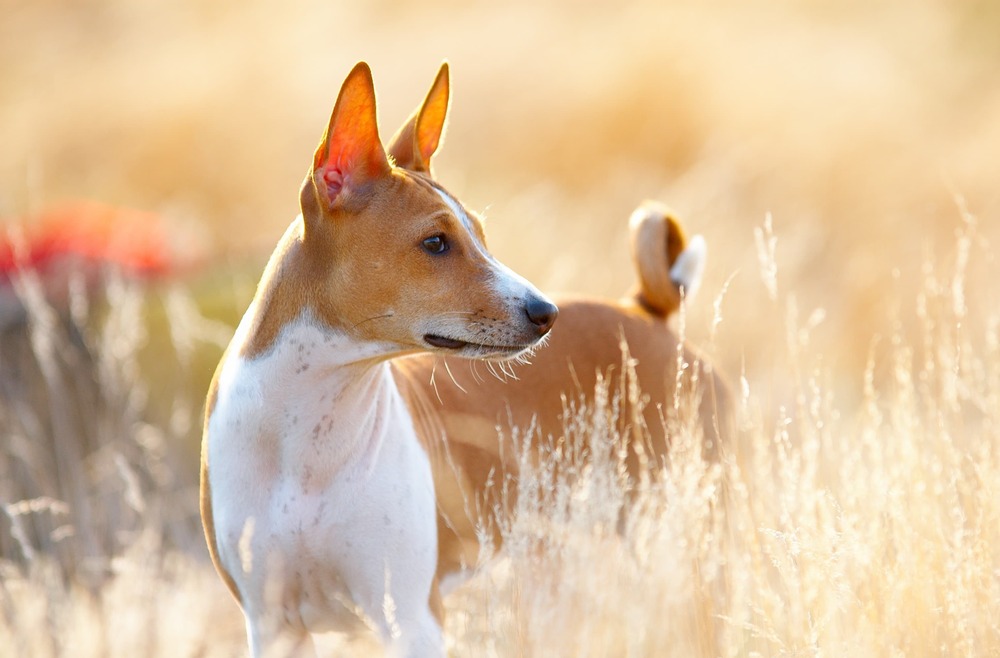
American Foxhounds sit inside a long tradition of pack hounds developed for following scent over distance. Early American breeding drew on English hounds already in the colonies, and later incorporated French hounds associated with George Washington’s kennel at Mount Vernon.3, 4
Mount Vernon’s own records describe Washington receiving seven French hounds in 1785 via the Marquis de Lafayette, then adding further hounds from Philadelphia and England and continuing an active breeding program.4 That history is often simplified into tidy origin stories, but the practical point is clear: this was a dog shaped for hours of forward movement, not close-control work.
The breed was among those first recognised by the American Kennel Club, listed as “Foxhound (American)” in 1886.5 The American Foxhound is also the state dog of Virginia, a nod to the region where foxhunting and hound culture were historically influential.6
Appearance and what it is built to do
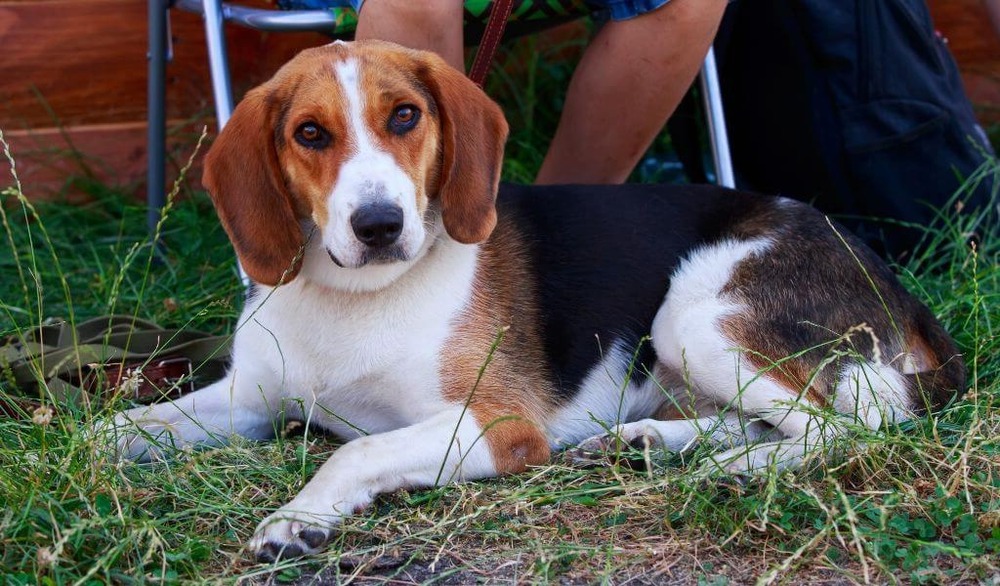
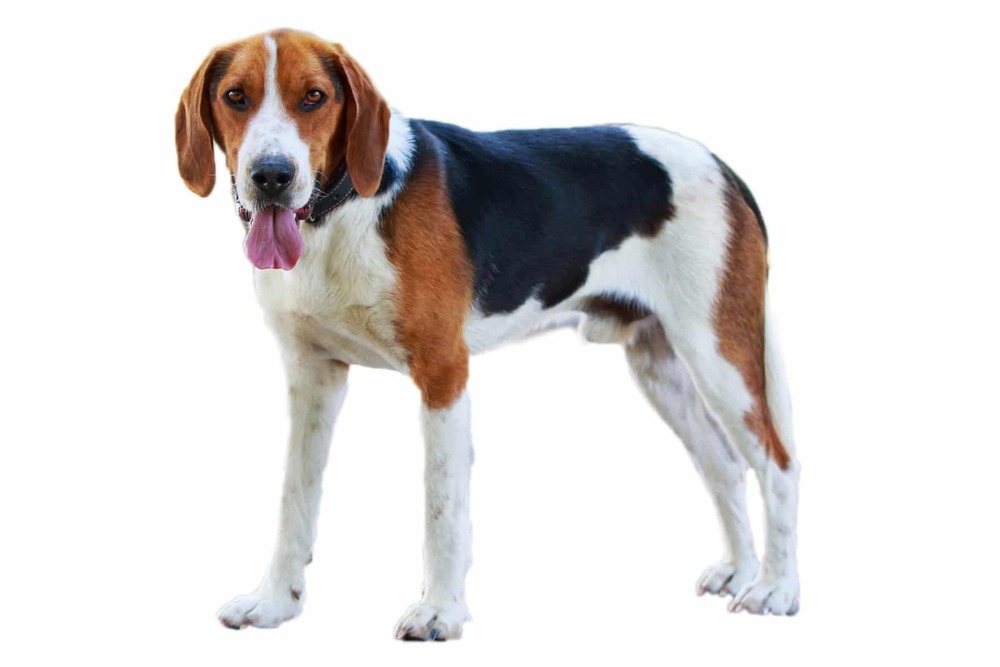
An American Foxhound is typically tall and lightly built for a hound, with long legs and an efficient gait. Breed standards emphasise a height range around 53 to 64 cm depending on sex, and allow any colour.1
Those long, low-set ears and the overall head shape are not just “hound looks”. They go with a style of scenting and tracking that favours covering ground and staying with an odour trail even when the environment is complex. In day to day life, that can show up as a dog who becomes suddenly absorbed when a scent is interesting, then finds it genuinely hard to disengage.
The coat is short and hard, which usually makes grooming simple, but it does not make them “low work”. Most of the real work with this breed is management, enrichment, and safe exercise, not brushing.
Temperament, voice, and everyday behaviour
In many households, the American Foxhound reads as friendly and easygoing, especially with familiar people and other dogs. They were developed to work in packs, so dog to dog sociability is often one of their easier traits when introductions are handled sensibly.2, 7
Two breed features matter in real life more than most “temperament” labels:
- Independence around scent: once a trail is rewarding, recall can fall apart, not because the dog is being “naughty”, but because the brain is doing what it was bred to do.2
- The baying voice: many foxhounds are naturally vocal, and the sound carries. This can be a dealbreaker in close suburbs or apartments.7
It helps to think of the bay not as a behaviour to “fix” in isolation, but as a form of expression that becomes more frequent when the dog is under-exercised, under-stimulated, or repeatedly frustrated by limited access to sniffing and movement. You can improve it with good management, but you rarely erase it completely.
Training that suits a scent hound brain
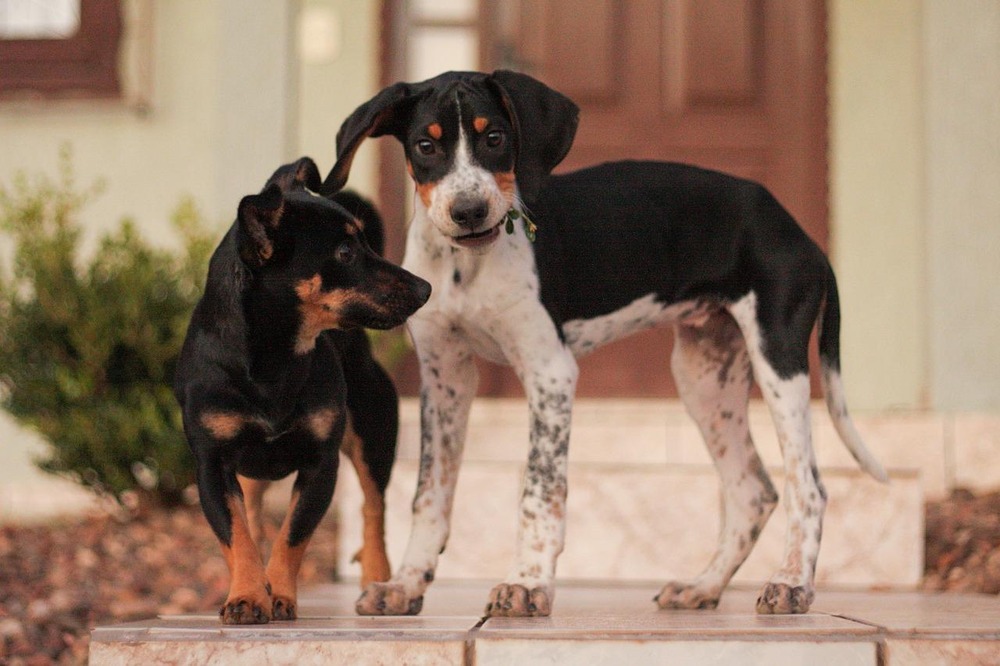
American Foxhounds can learn plenty, but they often do best with training that respects their priorities. A session that is too repetitive, too long, or too static is likely to lose them. In practice, short, rewarding repetitions tend to land better than marathon drills.
Useful focus areas include:
- Loose lead walking with access to sniffing as part of the reward
- Recall foundations, plus a realistic plan for when recall fails (long line, secure areas)
- Comfort with handling, ear checks, and car travel
- Settling skills at home, especially after exercise
Because scent hounds may follow odours while ignoring cues, many behaviour and breed guides recommend being cautious about off-lead freedom in unenclosed areas. For most families, a long line and well-fenced spaces are the safer way to provide freedom without gambling on traffic, wildlife, or livestock issues.2, 7
Exercise and enrichment that actually helps
This is a high-stamina breed. “A quick walk around the block” often leaves the body underdone and the mind still searching. Many reputable breed guides describe needing substantial daily activity, sometimes in the one to two hour range, depending on the individual dog and what that activity includes.7
Better options are usually a mix of movement and scent work:
- Long sniff walks where the dog can explore safely
- Scent games (find it, track a dragged scent, hide food in the grass)
- Jogging with an experienced, conditioned adult dog (not a growing puppy)
- Secure off-lead runs in fenced areas, ideally with compatible dogs
It is worth noting that simply “running them hard” can create a very fit dog who still struggles to settle. A steadier blend of aerobic exercise, sniffing, and calm recovery time is often more effective for day to day life.
Health, lifespan, and the checks that matter
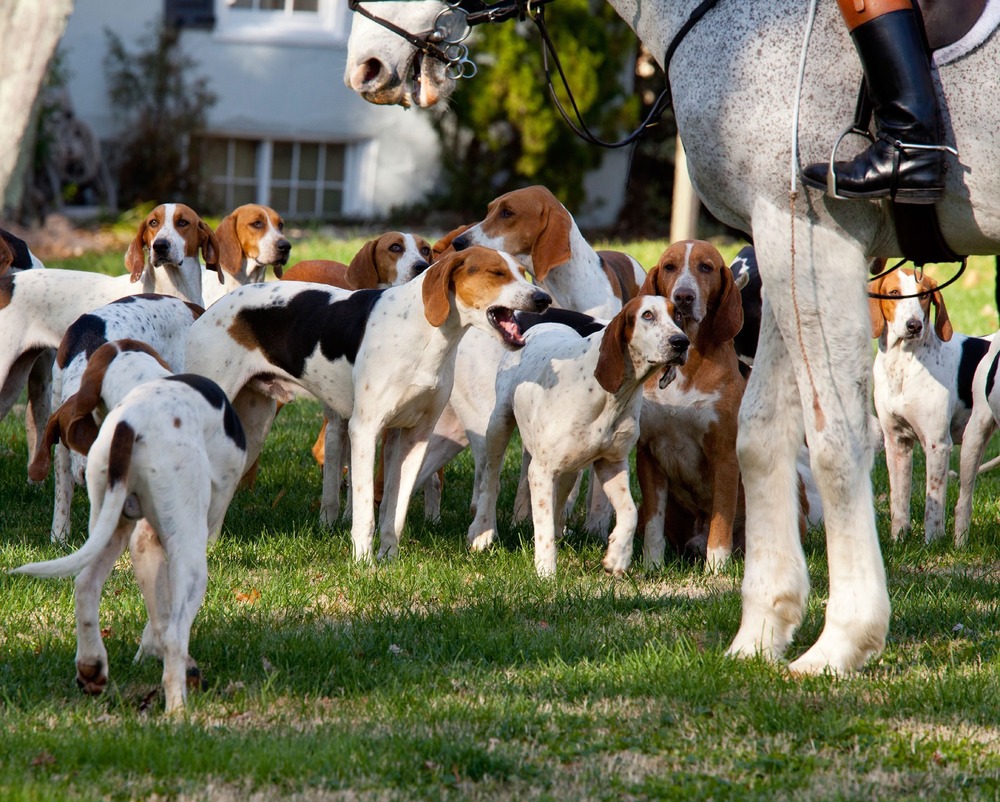
American Foxhounds are often described as generally healthy, with a typical lifespan around 11 to 13 years.2 Like many medium to large active breeds, they can be affected by orthopaedic issues such as hip dysplasia, and their long ears can contribute to a warm, low-airflow ear environment that predisposes some dogs to ear trouble.8
Practical care tends to centre on a few simple routines:
- Keep a lean body condition, which reduces stress on joints over time
- Regular ear checks and gentle cleaning when needed, especially after swimming or very dusty walks
- Routine veterinary care, including parasite control appropriate to your area
If you are buying from a breeder, ask what health screening is done in their lines and what they do when results are not ideal. If you are adopting, a vet visit early on is helpful for getting ahead of ears, weight, and any subtle lameness before it becomes a bigger issue.
Grooming, coat care, and living with shedding
The short coat is usually straightforward. A weekly brush (or a quick rub with a grooming mitt) often keeps the coat in good condition and helps manage moderate shedding. Most foxhounds do not need elaborate coat work, but they do benefit from the usual basics: nails kept tidy, teeth care, and ears checked regularly.
Because this breed tends to be active and outdoorsy, you may find you are cleaning mud off legs and bellies more often than you are “grooming” in the traditional sense. It is also worth paying attention to skin and paw condition if your dog runs a lot on hot surfaces or abrasive ground.
Feeding and keeping a working body in good shape
There is no single perfect diet for every American Foxhound, but the goal is consistent: support an athletic body without letting weight creep up. Many owners do well with a complete, balanced commercial diet, adjusting portions to match season, age, and workload.
A few practical guidelines help:
- Measure food for a while, then adjust based on body condition, not the packet alone
- Split meals into two feeds for adults if it suits your routine
- Use training rewards thoughtfully so they do not become a hidden extra meal
- Keep water available, especially after exercise and in warm weather
If you are unsure, your vet can help you assess body condition and calories in a way that matches the dog in front of you, not just the breed description.9
Is an American Foxhound a good fit in Australia?
Although the breed originated in the United States, the “fit” questions are familiar anywhere. You are usually on the right track if you can offer space, time, and a calm plan for safe freedom. You may struggle if you need a quiet dog, have unfenced boundaries, or want a breed that lives for close-handler precision.
Many American Foxhounds are happiest when they can do what hounds do: move, sniff, and spend some time each day in the world outside the backyard. If that sounds like your life already, they can be deeply enjoyable companions, steady at home and enthusiastic outdoors. If it does not, it is kinder to choose a dog whose instincts align more naturally with the home you have.
References
- United Kennel Club (UKC), American Foxhound breed standard
- WebMD, What to know about American Foxhounds
- Wikipedia, American Foxhound overview (general history and characteristics)
- George Washington's Mount Vernon, Dogs at Mount Vernon (French hounds sent in 1785)
- American Kennel Club (AKC), Breeds by year recognised (includes Foxhound (American) 1886)
- Code of Virginia, § 1-510 Official emblems and designations (state dog)
- The Spruce Pets, American Foxhound breed profile (exercise, training, vocalisation)
- Reagor Pet Hospital, American Foxhound breed info (hip dysplasia and ear issues)
- WSAVA, Global Nutrition Guidelines (body condition and feeding guidance)