

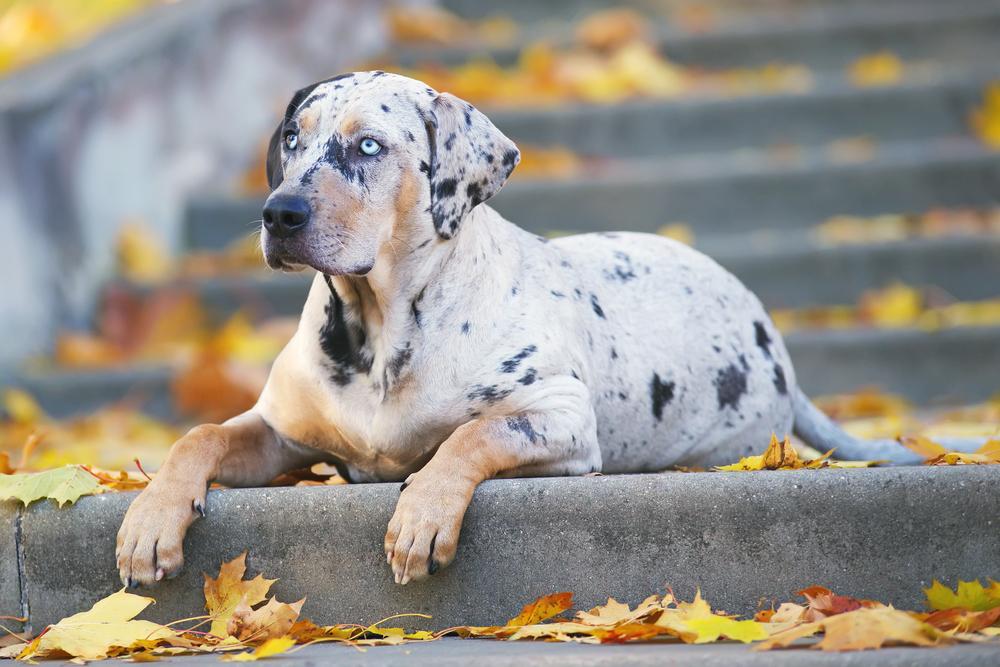
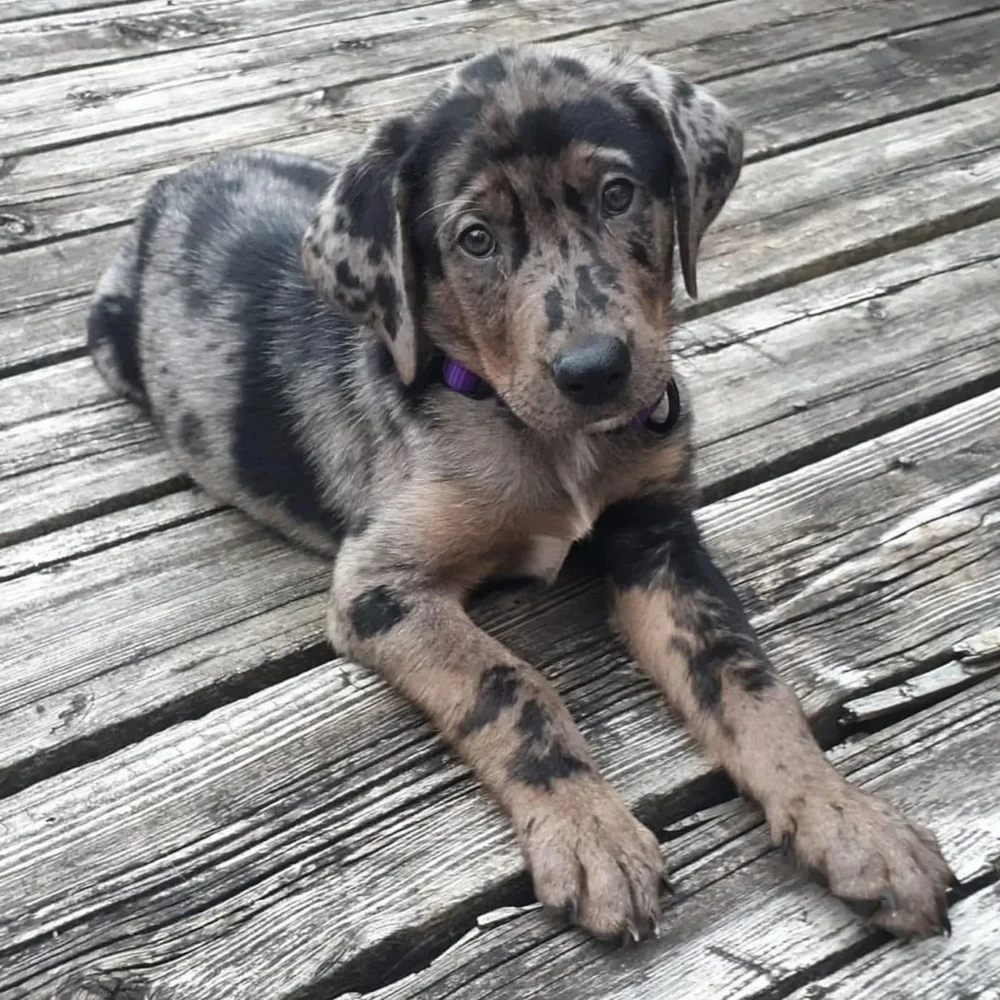
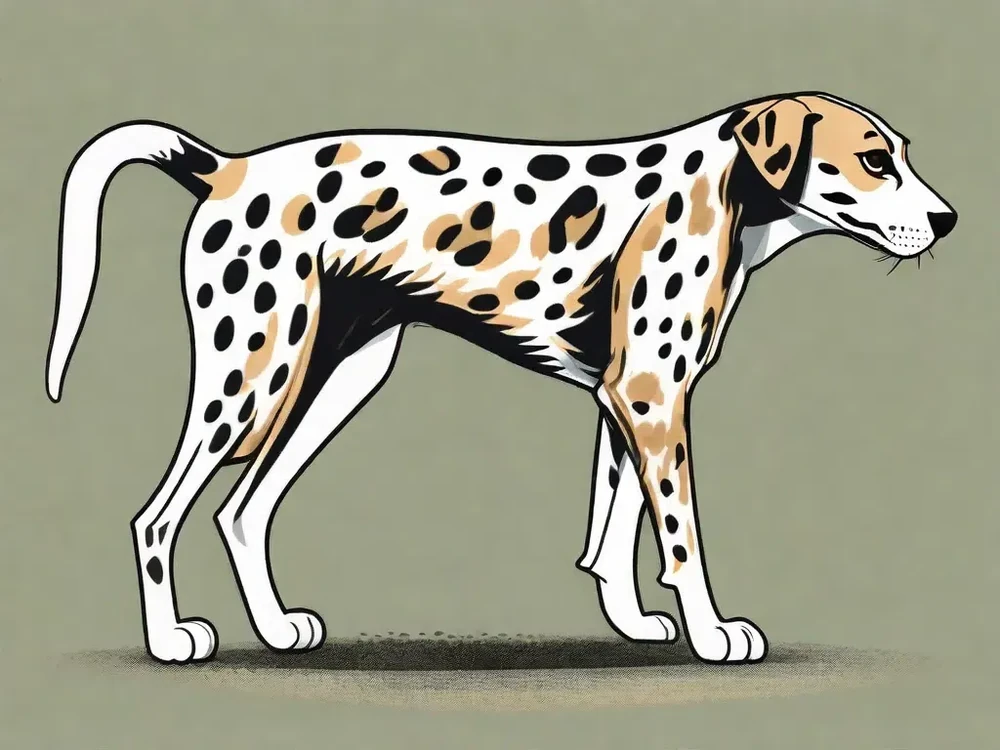
People often first notice the American Leopard Hound because of the coat. It is the sort of pattern that makes you look twice, especially if you have only ever seen leopard markings on a Catahoula or a mixed-breed working dog.
Then you hear the other part of the story: these dogs were shaped by practical work, tracking and treeing game over long distances, staying focused in rough country, and still being responsive enough to handle. That combination, eye-catching looks and serious stamina, is where many owners feel a little unsure. Is this a rare “easy family dog” with a flashy coat, or a working hound that needs a job?
The honest answer sits somewhere in the middle. With the right outlets and training, an American Leopard Hound can be an affectionate, steady companion. Without them, the same strengths that make them useful in the field can show up as restlessness, noisy frustration, or a dog that is always scanning for the next scent trail.
- Breed category: Scenthound (UKC)
- Country of origin: United States
- Typical height: Males 56 to 68 cm, females 53 to 63.5 cm
- Typical weight: Males 20 to 34 kg, females 16 to 29.5 kg
- Typical lifespan: Often around 12 to 15 years
- Coat: Dense, close-fitting double coat
- Grooming: Low to moderate
- Exercise needs: High
Where the American Leopard Hound comes from
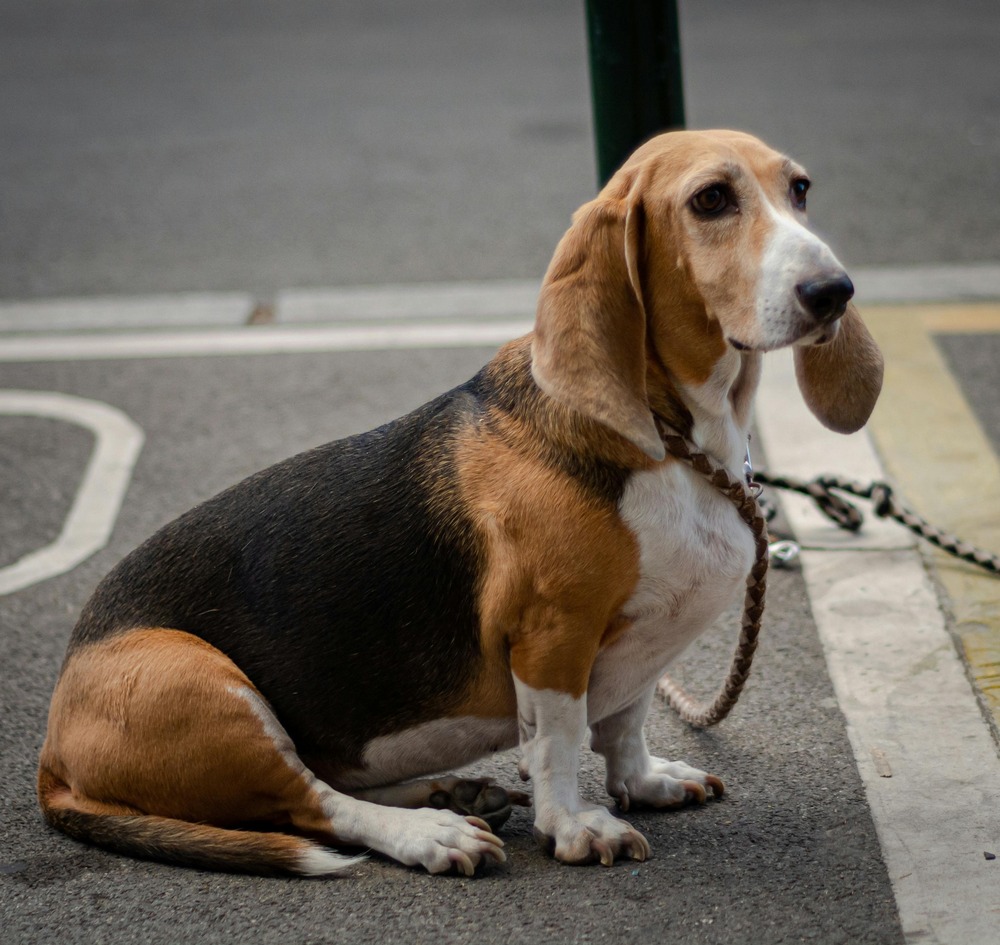
The American Leopard Hound is recognised by the United Kennel Club (UKC) as a scenthound. Historically, it is described as a versatile hunting dog, valued for stamina, track work, and the ability to handle tough terrain and temperature extremes.1
Breed histories are rarely neat. What the UKC standard captures well is the practical theme: dogs selected for function first, with coat pattern being an accepted variation rather than the point of the breed. The UKC also notes the breed was recognised as the Leopard Cur in 1998, and later renamed American Leopard Hound in 2008.1
Today, the breed is also listed in the American Kennel Club’s Foundation Stock Service (FSS), which matters mainly if you are interested in certain dog sports pathways and record-keeping, rather than implying full AKC breed recognition.2
What they are like in day-to-day life
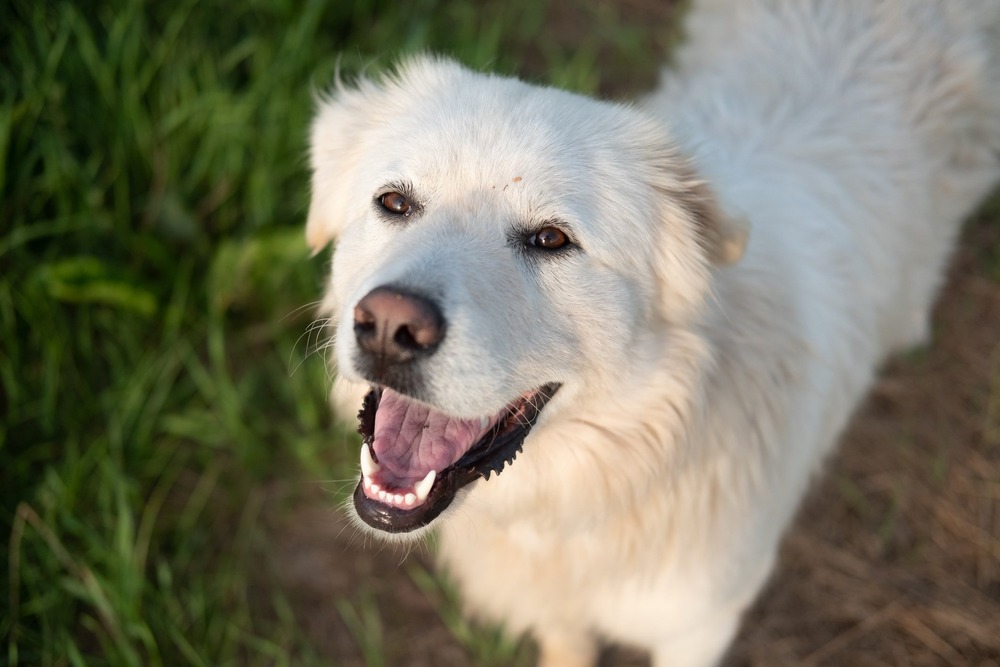
At their best, American Leopard Hounds are bright, physical dogs with a strong working rhythm: move, search, solve, repeat. The UKC describes the breed as noted for an extreme desire to please and an ability to stay on track while still being under voice control of the handler, which helps explain why some owners find them responsive once training is consistent.1
They are also “open trailers” in traditional hunting language, meaning many individuals will vocalise on scent. In a suburban setting, that can be experienced as baying or loud, echoing barking when aroused or when something interesting passes the fence line. It is not automatically a behaviour problem, but it is a trait you need to plan around.
With children and visitors, the main variable is less about “niceness” and more about arousal. A big, athletic dog that has been under-exercised can be bouncy and uncoordinated indoors. If you like a calm house, you will want to teach a settle behaviour early, and set up routines that let the dog decompress before expecting quiet family time.
Training that suits a scent-driven hound
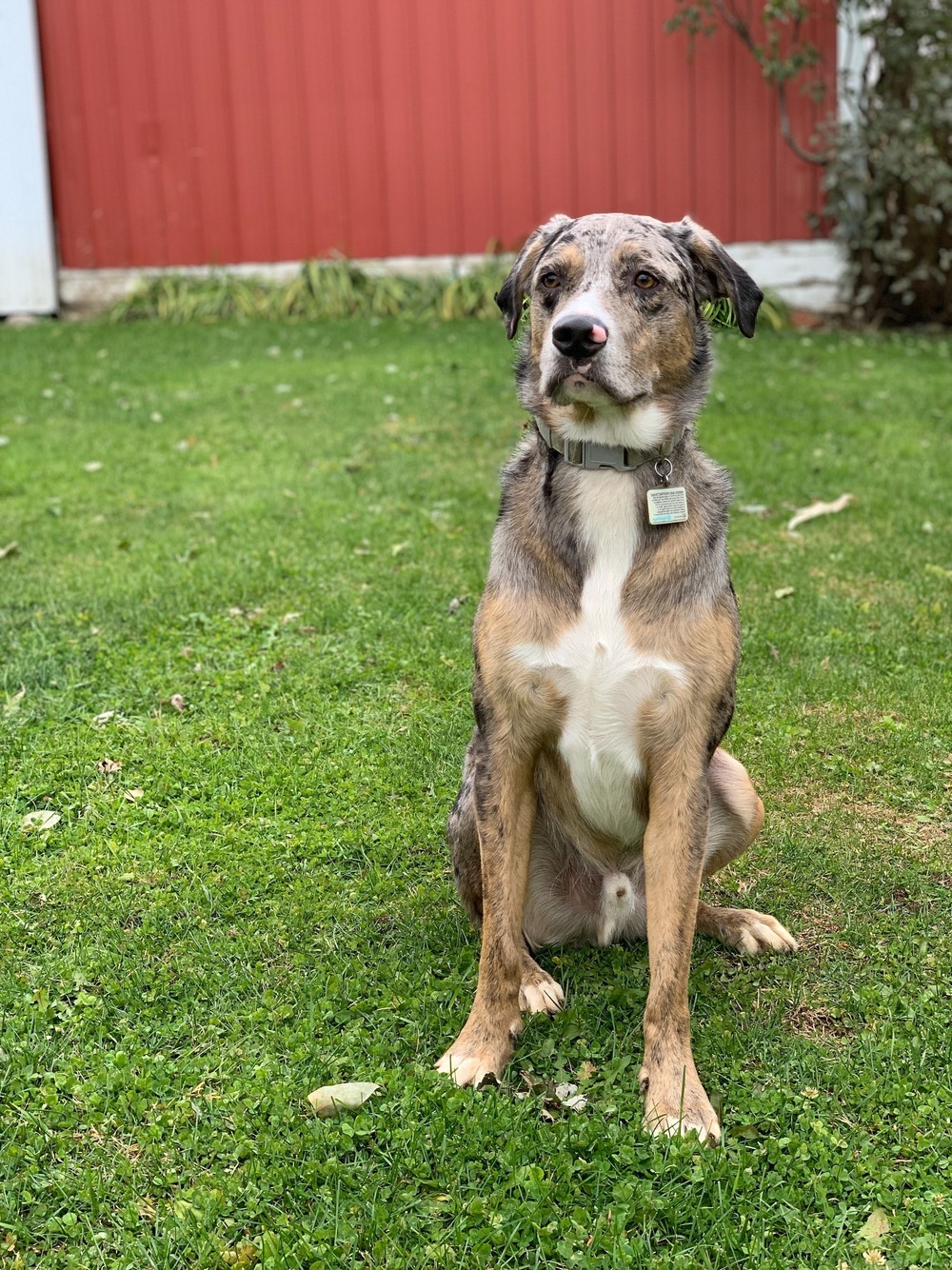
The training question usually comes up in one of two ways: recall (because scent can be more compelling than your voice), and leash manners (because a hound that is “on” will pull like it means it). It helps to think of training as building habits that hold up around distraction, rather than chasing perfect obedience.
Reward-based methods are a good match for this breed because you are trying to create voluntary check-ins, not suppression. The RSPCA (Australia) supports reward-based training and advises against aversive techniques and “dominance” approaches, which can damage the dog-handler relationship and often do not improve reliability in the long run.3
A few practical focuses tend to pay off:
- Recall as a game, built in low-distraction places before you test it outdoors.
- Long-line practice, so you can safely rehearse coming back without giving the dog a chance to learn “catch me if you can”.
- Scent outlets (sniff walks, scatter feeding, simple tracking games) so the dog’s strongest motivation gets a healthy channel.
- Calm behaviours taught at home, like settling on a mat, so “switching off” becomes a trained skill.
Exercise and enrichment that actually works
These are not dogs that thrive on a quick lap around the block. The UKC standard describes the American Leopard Hound as an all-purpose tree dog, noted for stamina, which is your clue that you will need both physical exercise and brain work.1
For many households, the sweet spot is a mix of:
- a longer, sniff-heavy walk most days (sniffing is exercise for the brain)
- short training sessions that teach useful skills (recall, loose lead, settle)
- safe off-lead running only where you can reliably control the environment
- structured play that does not whip the dog into constant over-arousal
If you are choosing between “more kilometres” and “more purpose”, purpose often wins. A dog that has spent 20 minutes doing focused scent work can look far more content than a dog that has jogged for an hour but never got to use its nose.
Health considerations and what to ask breeders about
No breed is free of health risks, and with less common breeds it can be harder to find large, public datasets. Still, there are sensible, practical conversations to have with breeders and vets.
Hip dysplasia is a well-known inherited issue across many medium and large breeds. It is influenced by genetics and environment, and responsible breeders use screening to reduce risk in puppies they produce.4
Eyes matter too. The UKC standard allows merle as a colour variation, but explicitly advises against merle-to-merle matings due to increased risk of hereditary problems including blindness and deafness.1 If you are looking at a “leopard” or merle-patterned dog, it is reasonable to ask how colour is being produced and whether parents have been health-tested.
Useful questions to bring to a breeder (or rescue) include:
- What hip screening has been done, and can I see the results?
- Have the parents had eye checks, and if so, what type?
- How are puppies raised and socialised, and what exposure do they get before they leave?
- What is the typical temperament in your lines, particularly around noise sensitivity and settle ability?
Coat care, grooming, and the everyday maintenance
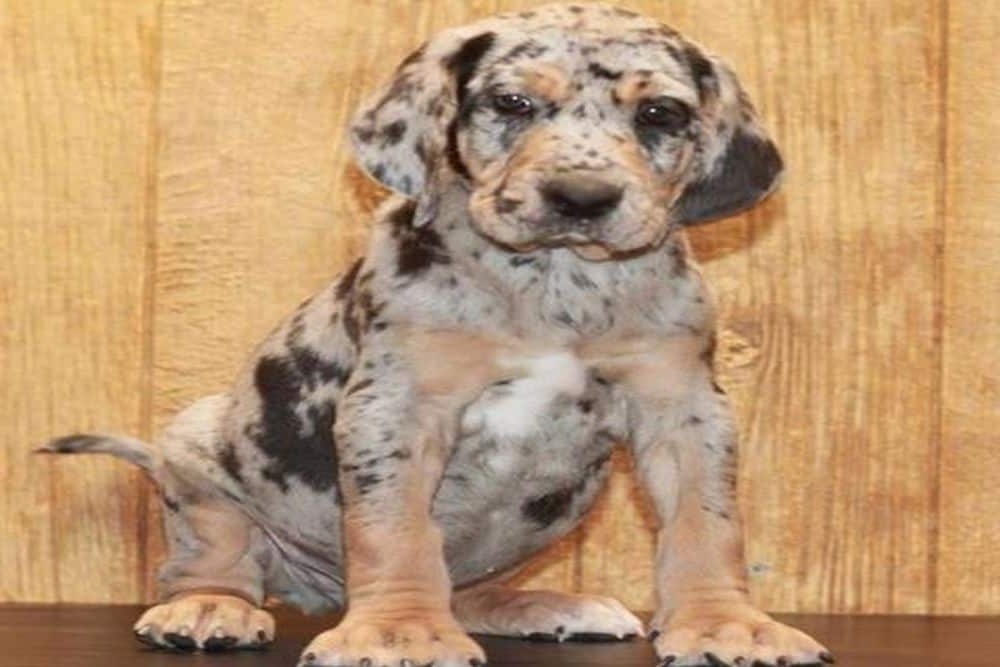
The coat is one of the joys of living with this breed. The UKC describes a dense, close-fitting coat with an undercoat, built for working through thick cover for long periods.1 In practice, that usually means dirt brushes out fairly easily, but you can expect regular shedding.
Routine care is generally straightforward:
- Quick brush once or twice a week, more often during heavier shed periods.
- Regular nail trims, especially if the dog is mostly on soft ground.
- Ear checks, because drop ears can trap moisture and debris after bush runs or swimming.
- Dental care at home plus veterinary check-ups, as recommended for any dog.
If you are trying to keep a house tidy, it helps to accept that a short coat can still shed plenty. It just sheds in smaller, stiffer hairs that can weave into fabric.
Feeding and body condition, keeping an athlete lean
American Leopard Hounds are built to work, so the goal is usually a lean, muscular condition. It can be tempting to feed like a “big dog” when the dog looks tall and powerful, but a healthier guide is body condition and how the dog moves.
In general, choose a complete and balanced diet that matches life stage, and adjust portions based on condition rather than the label alone. If you are unsure, your vet can help you set a target weight range and a plan that accounts for activity, desexing status, and any orthopaedic considerations. For broader nutrition basics and why “complete and balanced” matters, WSAVA’s guidance is a good starting point.5
It is also worth remembering that hounds can be highly food-motivated. That is handy for training, but it can quietly add up. Treats work best when they are part of the day’s food budget, not an “extra”.
Is an American Leopard Hound right for your home?
This breed tends to suit people who like being outside and who do not mind building a life around a dog’s needs. If you enjoy training, hiking, scent games, or structured dog sport, you may find the American Leopard Hound deeply satisfying to live with.
It can be a harder fit if you need an easy, low-energy dog, or if you live very close to neighbours and are not prepared to manage vocalisation and enrichment. The coat might be what brings you in, but the lifestyle match is what makes things last.
If you are meeting the breed for the first time, try to spend time with adult dogs, not just puppies. Adult temperament, voice, and energy tell you far more about what daily life will feel like in a year or two.
References
- United Kennel Club (UKC): American Leopard Hound breed standard
- American Kennel Club (AKC): Foundation Stock Service breeds in companion events
- RSPCA Australia Knowledgebase: Reward-based dog training and why the RSPCA supports it
- Orthopedic Foundation for Animals (OFA): Hip dysplasia overview
- World Small Animal Veterinary Association (WSAVA): Global nutrition guidelines
- Merck Veterinary Manual: Coat colour and coat patterns in dogs
- American Veterinary Medical Association (AVMA): Positive reinforcement training
- Veterinary Partner (VIN): Ear infections in dogs (overview for owners)
- CDC Healthy Pets: Dogs (general health guidance for pet owners)