

You might come across the Anglo-Français de Petite Vénerie in a photo, a rescue listing, or a conversation with someone who runs scent hounds, and wonder what sort of dog it actually is. It looks like a classic French pack hound, but it is not a Beagle lookalike in a different coat. It is a purpose-bred working dog with a specific job, and that job still shapes how it moves through everyday life.
A common assumption is that a “family friendly” hound will naturally settle if it gets a daily walk. With many scent hounds, the missing piece is not just exercise, it is purposeful sniffing and tracking time. When that need is met, you often see a calmer dog at home. When it is not, you can end up with a dog that feels restless, noisy, or hard to recall, even with kind handling and a good routine.
The Anglo-Français de Petite Vénerie can be a warm, sociable companion in the right setting, but it tends to suit people who enjoy training, secure outdoor time, and a bit of structured “work” for the dog. Understanding the breed’s background makes the day-to-day decisions, from fencing to ear care, feel more practical and less like guesswork.
Quick breed snapshot
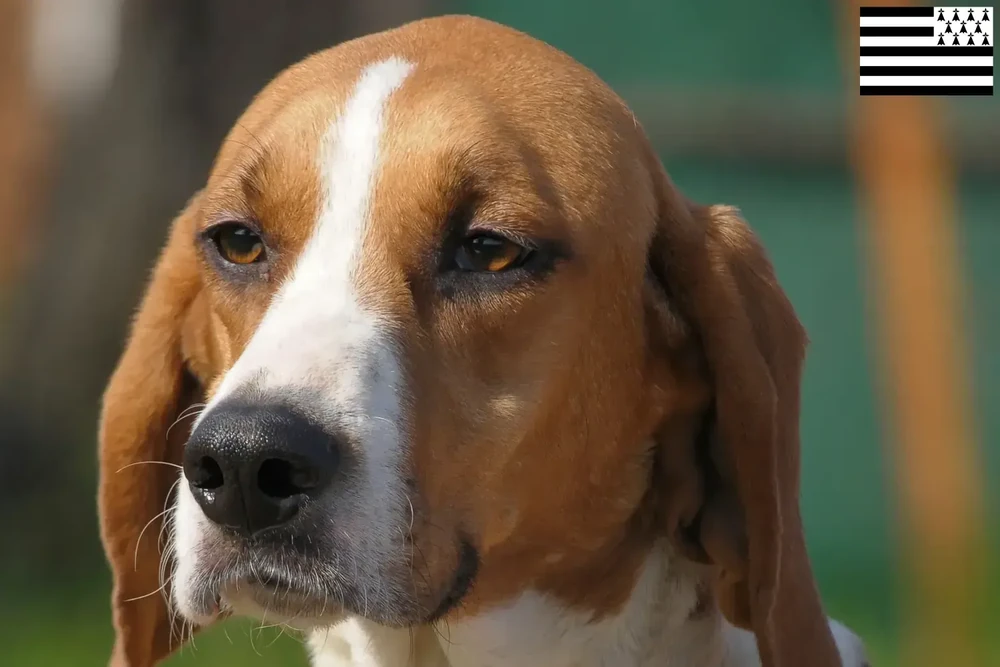
- Type: Medium-sized scent hound (pack hunting heritage)1, 2
- Origin: France1, 2
- Height: About 48 to 56 cm at the withers (commonly listed as 19 to 22 inches in some standards)3
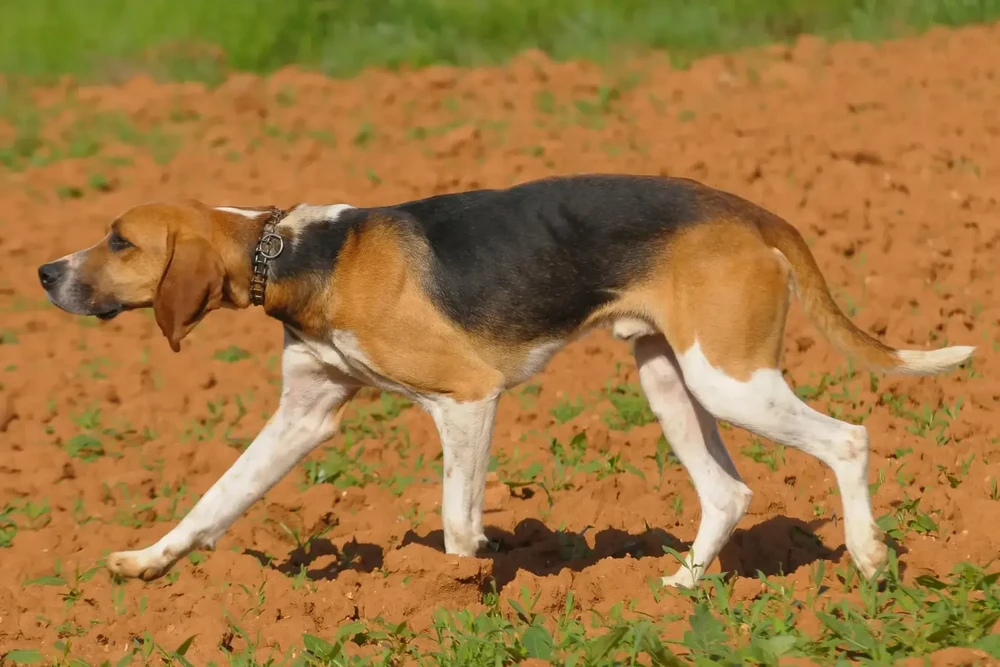
- Coat: Short, dense, smooth3
- Colours: White and black with tan markings, or white and orange (wording varies by standard)3
- Exercise and enrichment: Typically high, especially if the dog has limited free sniffing opportunities
Where the breed comes from, and why it still matters
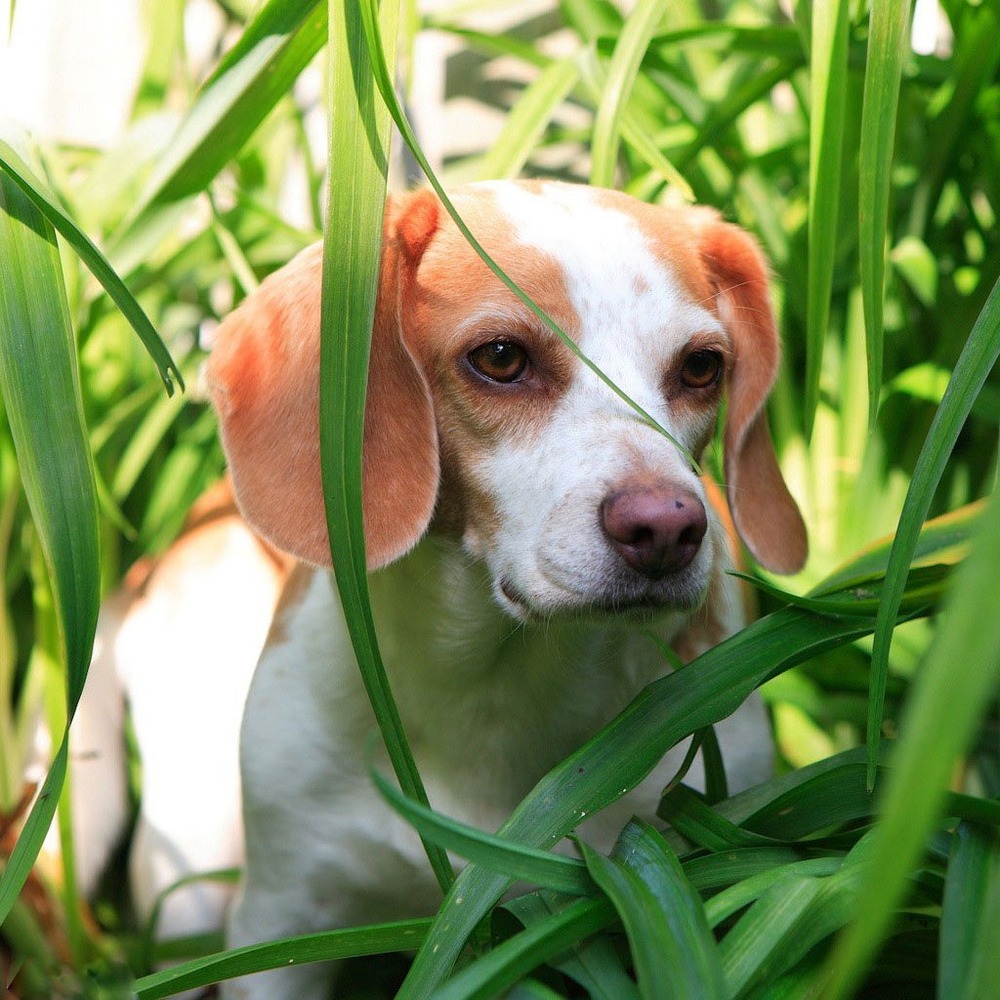
The Anglo-Français de Petite Vénerie sits within the wider tradition of French and Anglo-French hounds, developed for hunting small game with a pack. The “petite vénerie” part is about the type of quarry, not the dog’s size.4 In practice, this means a dog built to keep moving, keep checking scent, and stay engaged with the environment for long stretches.
Breed recognition varies by organisation. The Fédération Cynologique Internationale (FCI) lists the breed in Group 6 (scent hounds and related breeds) and records definitive acceptance in January 1983, with an English-language standard publication date shown as April 1997 on the FCI entry page.1, 2 Some kennel clubs publish their own standards and recognition dates, so you may see different dates quoted depending on the registry being referenced.3
For owners, the history matters because it explains why the breed often prefers doing things at a distance, nose down, and why “obedience” can look different from a breed that was selected to watch a handler closely. It is not stubbornness as a personality flaw so much as selection for independent scent work.
Temperament, household fit, and what “friendly” can look like
Well-socialised hounds of this type are often sociable with people and other dogs, particularly when they have grown up around them. Many are comfortable with the general bustle of family life, but they can be more satisfied in homes that give them room to move, plus a predictable routine for exercise and sniffing.
It helps to think in terms of the breed’s “default settings”. Expect a dog that is environment-led, meaning smells, movement, and distant sounds can be more interesting than you are, especially outdoors. That is manageable, but it does change what success looks like. A good outcome might be a dog that can recall reliably in fenced areas, can walk on a long line without rehearsing pulling, and can settle at home after its needs are met.
If you share your home with smaller pets, be realistic. Prey drive varies between individuals, and early exposure and management matter. Even a dog that lives peacefully with a cat indoors may become intensely interested in wildlife outside. Planning for that difference keeps everyone safer and reduces stress.
Training and exercise, with the nose in mind
With scent hounds, training tends to go best when you build habits rather than rely on willpower. Short, regular sessions and rewards that genuinely matter to the dog can be more effective than drilling commands.
Start with the basics that protect daily life: name response, loose lead skills, calm greetings, and a recall that is trained in stages. For many households, a long line becomes the bridge between safety and freedom while recall is still developing.
Exercise is not only about kilometres. A structured sniffing outlet often makes a bigger difference than adding more speed. Activities that commonly suit this breed type include:
- Scent games at home (scatter feeding, hidden treats, simple “find it” searches)
- Trail-style walks on a long line where sniffing is allowed and unhurried
- Beginner scent work or nosework classes, which channel natural searching behaviours into a clear task5
When sniffing is treated as enrichment rather than a nuisance, you often see improvements in lead frustration and general restlessness. It is also kinder, because it works with the dog’s natural strengths rather than constantly trying to suppress them.
Health considerations, especially ears and joints
No single health issue defines every line of this breed, and much depends on individual genetics, conditioning, and overall care. Still, there are a few sensible watch-points for a medium-sized, athletic hound.
Ear health is a common practical issue for dogs with drop ears. Reduced airflow and trapped moisture can make infections more likely, especially after swimming, bathing, or humid weather.6, 7 The goal is not aggressive cleaning, it is gentle prevention and early detection.
- Check ears regularly for smell, redness, discharge, or increased scratching.
- Dry ears after water exposure.
- Clean only as advised by your vet, and avoid pushing anything down into the ear canal.6
For joints, keep the focus on steady conditioning and body weight. A fit dog with good muscle and a sensible weight typically copes better with the stop-start bursts that come naturally to hunting breeds. If you notice stiffness, limping, or reluctance to jump, a vet check is worthwhile sooner rather than later.
Grooming and everyday care
The short coat is usually straightforward. A weekly brush is often enough to lift loose hair and keep the coat glossy, with more frequent brushing during seasonal shed. Nails, teeth, and parasite prevention still need routine attention, regardless of coat type.
Many owners find it helpful to link care tasks to existing habits, for example a quick ear check after a weekend outing, or a nail check after a bath. Small, calm routines can prevent the “big wrestle” feeling that sometimes develops when maintenance is left until it is urgent.
Feeding and keeping weight steady
Rather than chasing a perfect ingredient list, aim for a diet that is complete and balanced for your dog’s life stage, and then adjust portions based on body condition and activity. Veterinary nutrition guidance tends to emphasise individual assessment, including body condition scoring and regular monitoring, because needs change with age, workload, and health status.8
If your dog does a lot of off-lead running or structured training, you may need to review calorie intake and meal timing. If your dog is more of a “weekend adventurer” with quieter weekdays, portion creep can happen surprisingly fast. Your vet can help you set a target body condition and a practical feeding plan that matches the dog in front of you.
Final thoughts
The Anglo-Français de Petite Vénerie makes the most sense when you see it as a dog designed to move through the world by scent. In a home that can offer secure space, consistent training, and plenty of sniff-based enrichment, it can be a steady, companionable hound with a real spark for outdoor life.
If you are deciding whether the breed suits you, the most useful question is not whether it is “easy”. It is whether you can make room for its instincts in a way that feels safe and enjoyable for your household. For this breed, that usually means time outside with a job, not just time outside.
References
- Fédération Cynologique Internationale (FCI): Anglo-Français de Petite Vénerie (Breed No. 325)
- Fédération Cynologique Internationale (FCI): Anglo-Français de Petite Vénerie (page en français)
- United Kennel Club (UKC): Breed Standards, Anglo Francais de Petite Venerie
- Wikipedia: Anglo-Français de Petite Vénerie (overview and meaning of “petite vénerie”)
- RSPCA South Australia: Nosework (scent work classes and benefits)
- American Kennel Club: Tips for preventing ear infections in dogs
- The Animal Medical Center: Ear infections in pets (risk factors and causes)
- World Small Animal Veterinary Association (WSAVA): Global Nutrition Guidelines