

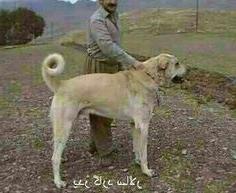
You might come across the term “Assyrian Mastiff” after seeing a dramatic photo online, hearing someone describe an “ancient war dog”, or noticing breed lists that put a neat label on any big, mastiff-like guardian. It makes sense to wonder whether this is a recognised breed you can actually find, or more of a historical idea that has taken on a modern life.
The reality is a little messier, and more interesting. Ancient Assyrian art does show powerful, large dogs used in hunting and protection. But the modern dog world tends to turn those images into a single, fixed breed, even when the historical record points more toward a type of working dog than a consistent, pedigreed breed in today’s sense.
If you are drawn to the Assyrian Mastiff story, it helps to hold two thoughts at once: there is real history here, and modern care decisions still come down to the dog in front of you, their size, their temperament, and the environment you can offer.
At a glance: what people mean by “Assyrian Mastiff”
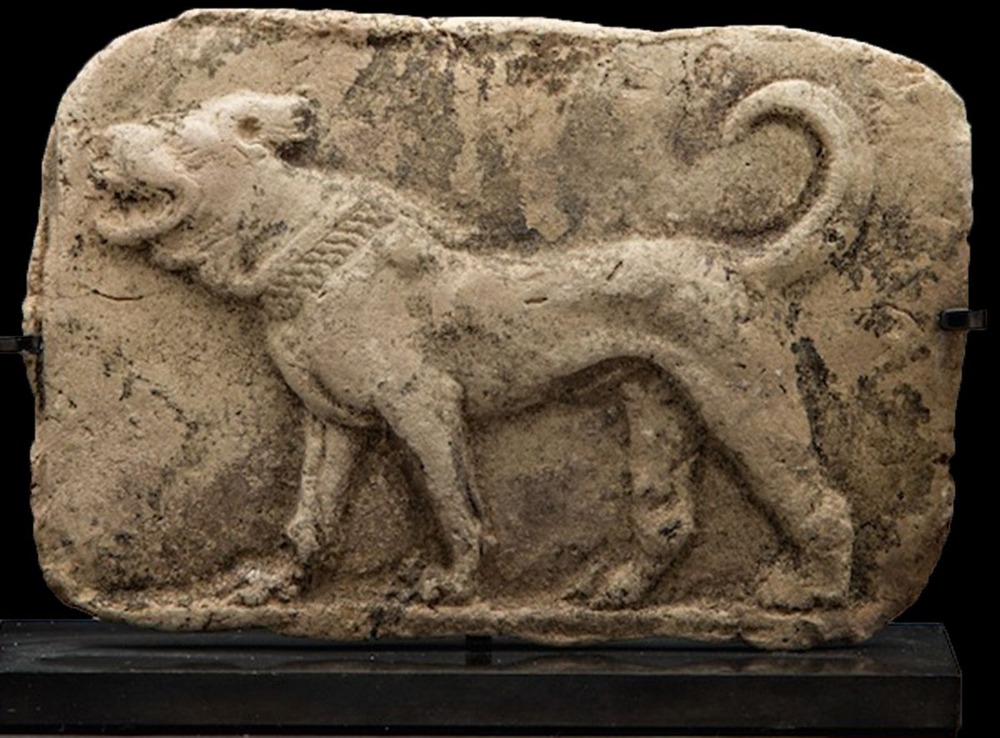
Online descriptions often group the “Assyrian Mastiff” with large, protective livestock guardian and mastiff-type dogs. You will see typical claims such as:
- Category: working or guardian dog type
- Origin: Assyria and Mesopotamia (modern-day Iraq)
- Build: large, heavy-boned, strong-headed, short-coated
- Temperament: loyal, protective, independent
That shorthand can be useful for visualising the “type”, but it is not the same as a modern kennel club standard. In many contexts, “Assyrian Mastiff” is better understood as a historical landrace label connected to depictions of large dogs in the Neo-Assyrian period, rather than a consistently defined modern breed you can reliably source from registered breeders.1, 2
History and origin: what we can say with confidence
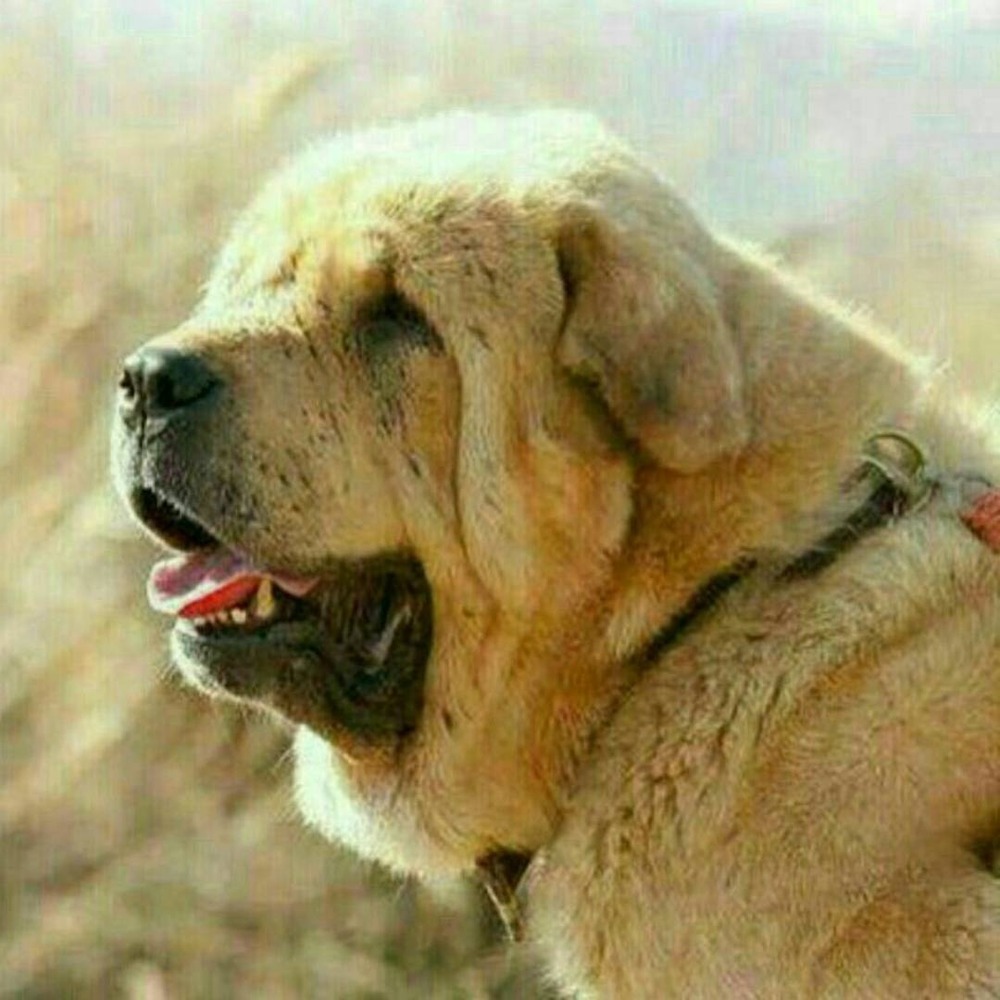
Ancient Assyrian palace reliefs and other artworks include scenes where dogs appear alongside people in organised hunts. These images are one reason the “Assyrian Mastiff” idea has persisted, because they show dogs that look substantial and capable, doing purposeful work in a demanding environment.2
It is also worth being cautious about tidy modern storylines. Art can show us that a dog type existed and was valued, but it does not automatically give us a continuous, traceable breeding record that matches how recognised breeds are defined today. Many modern references describe the Assyrian Mastiff as an extinct landrace, and suggest potential links to regional guardian dogs rather than a direct, standardised pedigree line.1
Assyrian culture and working dogs
In the Neo-Assyrian period, royal hunting was both sport and symbolism. The presence of dogs in those scenes speaks to their practical role: control, pursuit, and holding animals at bay. It also hints at the value placed on capable working dogs, especially in high-stakes settings like large game hunts.2
A note on famous historical associations
Some sources tie these depictions to rulers such as Ashurbanipal, whose palace reliefs include hunting scenes featuring attendants and dogs. What we can verify from museum records is that reliefs connected to Ashurbanipal’s reign show dogs positioned with keepers on the edge of the hunting arena.2
Physical characteristics: what a mastiff-type guardian usually looks like
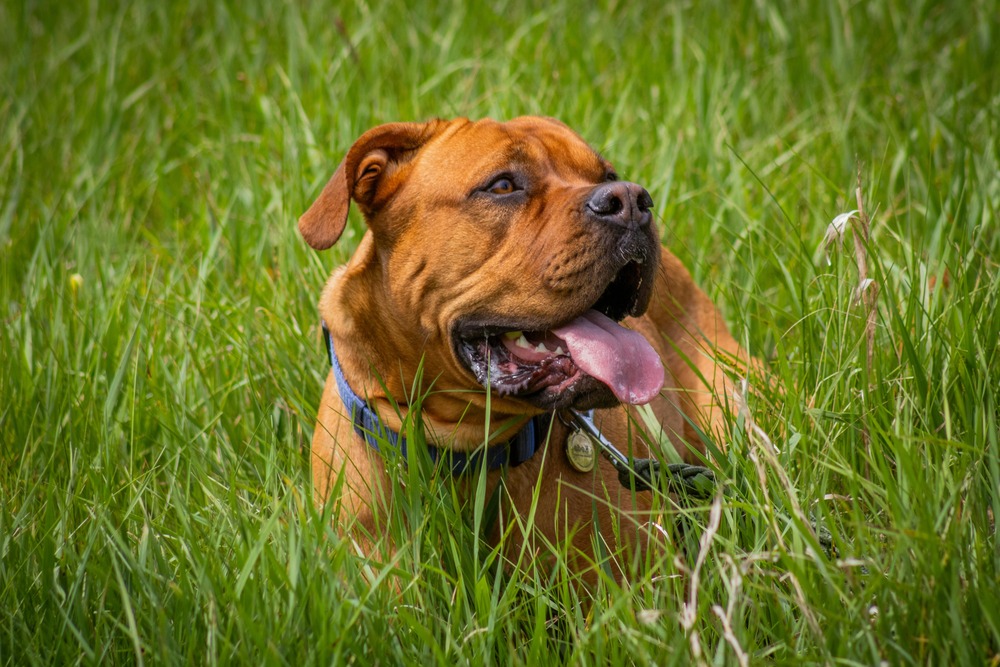
Most modern descriptions paint a picture of a large, mastiff-like dog: heavy frame, broad head, short dense coat, and a steady presence. Whether you call that “Assyrian Mastiff” or simply “guardian mastiff type”, the practical implications are the same.
Large dogs tend to be slower to mature physically, harder on joints, and more affected by heat. If you are living with a big, powerful dog, planning for safe handling, controlled exercise, and appropriate surfaces at home matters more than the label attached to them.
Temperament and behaviour: protection is a trait, not a personality
Guardian and mastiff-type dogs are often described as loyal and protective, and many are. Still, protection does not look the same in every dog. Some are naturally calm observers, while others are quicker to alert, patrol, or place themselves between family and novelty.
It helps to think in terms of tendencies:
- Independence: many working guardians were selected to make decisions without constant human direction.
- Territorial awareness: boundaries and routines matter, and changes can trigger more watchfulness.
- Low “busy” energy: some large guardians are not hyperactive, but they still need daily movement and mental engagement.
With children, the biggest risk is often accidental. Size and weight can turn ordinary moments into knocks and tumbles, so supervision and calm routines tend to matter more than expecting the dog to “just know”.
Training and exercise needs: build steadiness, not sharpness
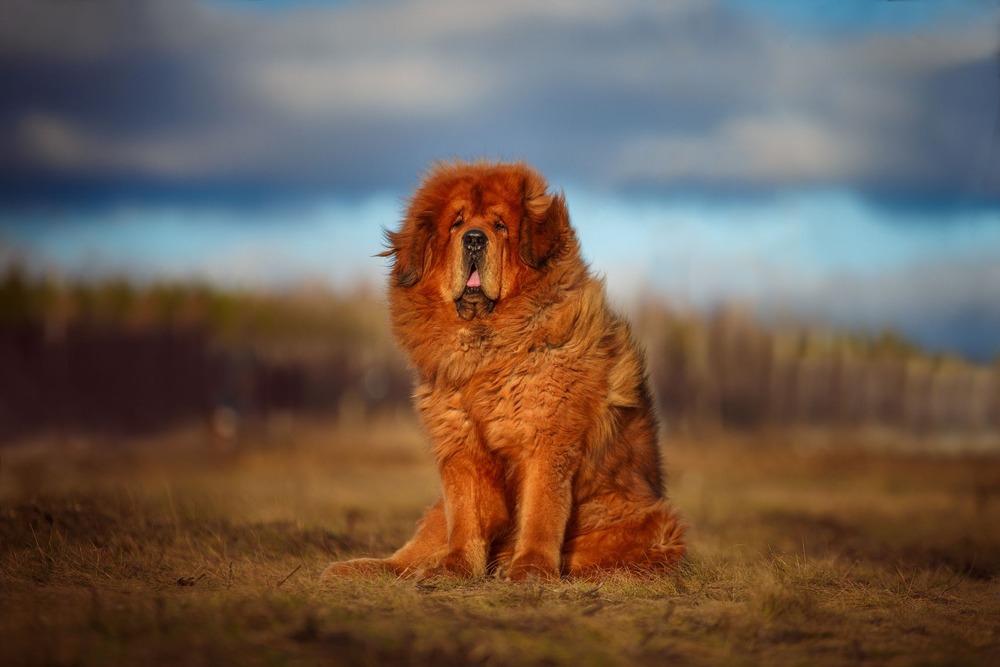
Training a large guardian type usually goes best when you aim for reliability and emotional steadiness. Harsh methods can increase reactivity and distrust, especially in dogs already inclined to be cautious with strangers.
Early socialisation done thoughtfully
Socialisation is not about pushing a dog into overwhelming situations. For a protective type, it is more often about controlled exposure that teaches the dog what “normal” looks like: visitors arriving calmly, people passing the property boundary, other dogs at a distance, and time to observe without pressure.
Exercise that suits the body
Big dogs need daily movement, but not all movement is equal. Long sessions of hard running on hot days, slippery floors, or repetitive impact can be counterproductive. Aim for steady walks, sniffing time, and low-impact strength such as hill walking. In warm weather, adjust timing and intensity to reduce heat risk, and watch for heavy panting and distress signs.6
Health considerations: the big-dog basics still apply
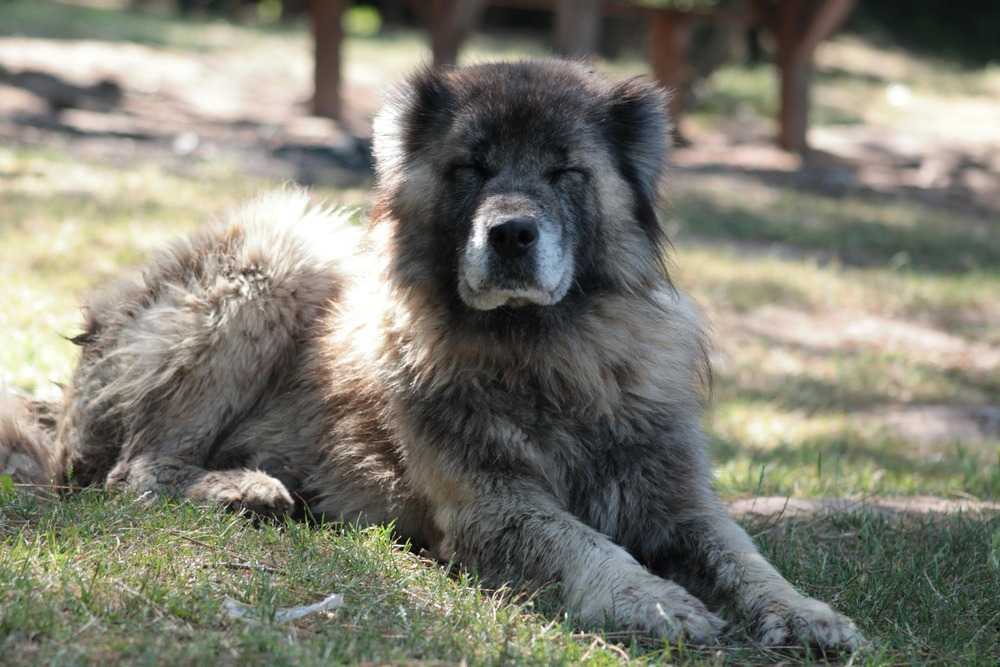
When people talk about common health issues for “Assyrian Mastiffs”, they often list problems seen across many large and deep-chested dogs. Two come up repeatedly because they are both serious and practical to manage: hip dysplasia and gastric dilatation-volvulus (GDV), commonly called bloat.
Hip dysplasia
Hip dysplasia involves an abnormally formed hip joint and can contribute to arthritis and pain over time. Screening is done with veterinary radiographs, and structured breeding programs use these assessments to reduce risk in future generations.3
GDV (bloat): know the risk and the routine changes that help
GDV is an emergency, and it is more common in large, deep-chested dogs. Risk is influenced by multiple factors, including feeding one large meal a day, eating quickly, and exercising soon after meals. Many veterinary sources recommend practical prevention steps such as feeding two or more smaller meals, slowing down fast eaters, and avoiding raised bowls for at-risk dogs.4, 5
Heat sensitivity
Large dogs can struggle in hot weather, particularly if they are overweight or have thick coats. Provide shade and water, avoid walking in the hottest part of the day, and treat signs of heat stress as a reason to cool the dog and seek veterinary advice promptly.6
Grooming and everyday maintenance
A short, dense coat is often described for this “type”, which usually means grooming is more about consistency than complexity. Weekly brushing can help remove dust and loose hair, and gives you a regular chance to check skin, paws, and ears.
For large dogs, maintenance also includes the unglamorous essentials: nail length that supports good movement, teeth and gum care, and weight control. When those slide, you often see it first as stiffness, reluctance to move, or a dog that tires sooner on walks.
Diet and nutrition: focus on “complete and balanced”, then tailor
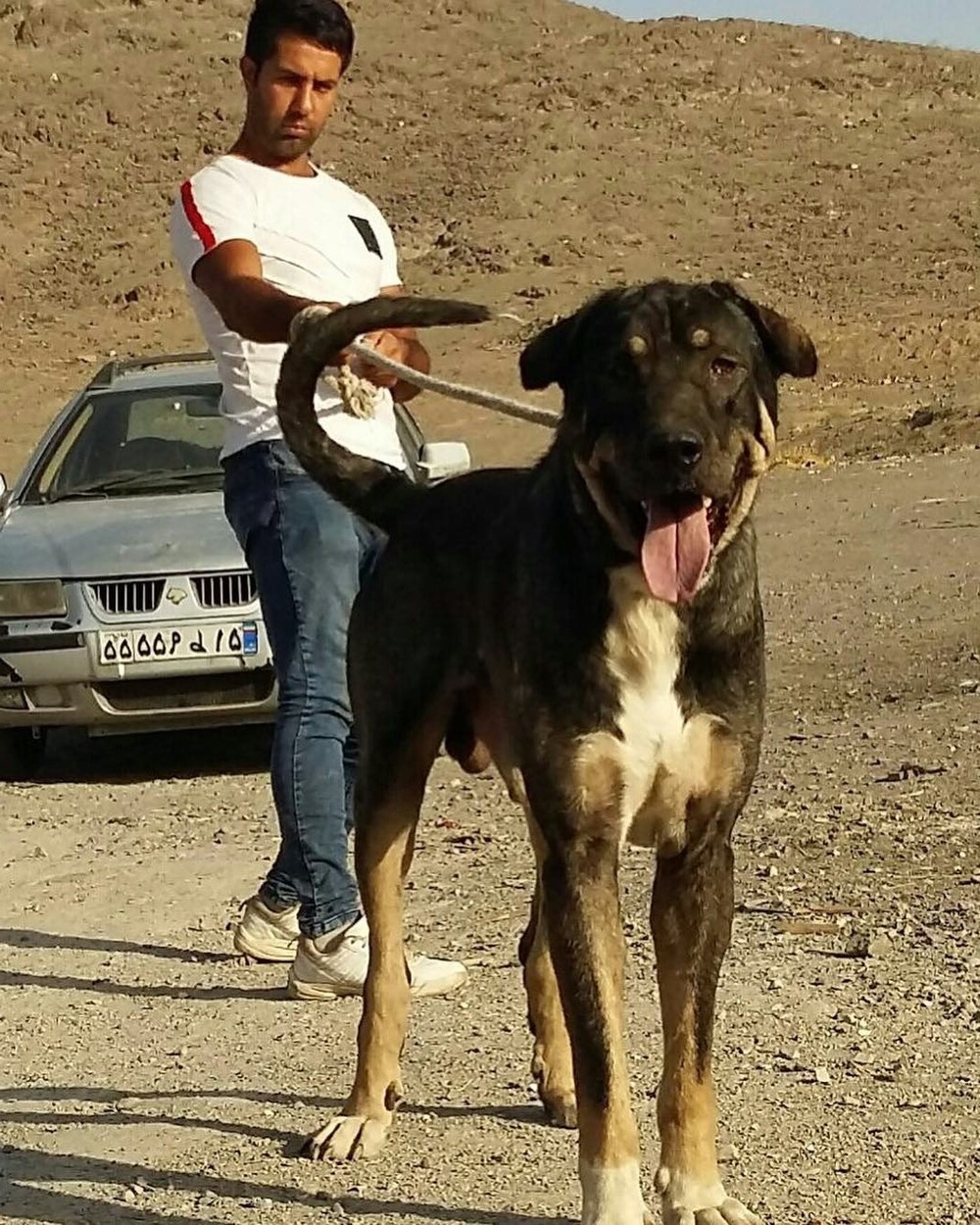
Nutrition advice online can get strangely absolutist, especially for large dogs. A steadier approach is to start with a complete and balanced diet suitable for your dog’s life stage, then adjust based on body condition, activity, and any veterinary guidance. The World Small Animal Veterinary Association (WSAVA) provides practical tools for evaluating pet foods and cutting through marketing and label confusion.7
If your dog is at risk of GDV, feeding routines matter just as much as ingredients. Two or three smaller meals, calmer feeding, and rest after eating are the sorts of unexciting habits that can make a real difference over a lifetime.4, 5
Final thoughts: let the history inspire you, but live with the dog you have
The idea of the Assyrian Mastiff taps into something many people love about dogs: continuity, partnership, and the feeling that working animals have always been part of human life. The historical images are real, and they are compelling.
In day-to-day life, though, the essentials are surprisingly modern. If you share your home with a large guardian type, the best outcomes usually come from calm training, thoughtful socialisation, sensible exercise, and an eye on the big-dog health risks that can escalate quickly. The label matters far less than the routines you build together.
References
- Wikipedia: Assyrian Mastiff
- British Museum: Wall panel relief depicting lion hunt (Ashurbanipal), includes keepers with dogs
- Orthopedic Foundation for Animals (OFA): Hip dysplasia overview
- Cornell University College of Veterinary Medicine: Gastric dilatation-volvulus (GDV) or bloat
- American Animal Hospital Association (AAHA): Understanding canine bloat (GDV)
- RSPCA Australia: Warm weather worries, protect pets from heatstroke
- WSAVA: Global Nutrition Guidelines
- American College of Veterinary Surgeons (ACVS): Gastropexy and GDV information