

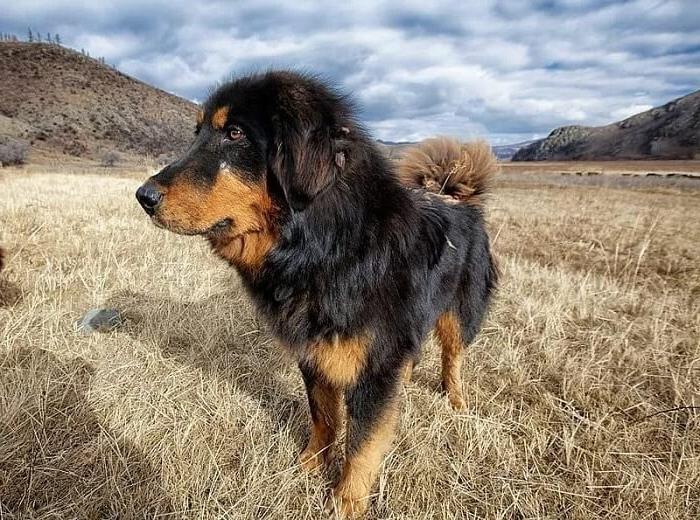
You might come across the Bakharwal Dog in a photo first, a large, thick-coated dog with a steady, watchful way of standing. Or you might hear the name in passing, usually alongside words like “guardian”, “mountain”, and “loyal”. It is tempting to assume that means they are simply a bigger, fluffier version of a family dog, just with a tougher backstory.
In practice, Bakharwal Dogs make more sense when you think about what they were shaped to do: live alongside people moving with livestock, make decisions at a distance, and hold their ground in difficult conditions. That heritage can be a wonderful fit for the right home, but it also comes with needs that are easy to underestimate at first glance.
Getting clear on the breed is not just about size and coat. It is about understanding guarding instincts, socialisation, and the kind of daily rhythm that helps a protective, independent dog settle well.
At a glance: breed traits that tend to matter day to day
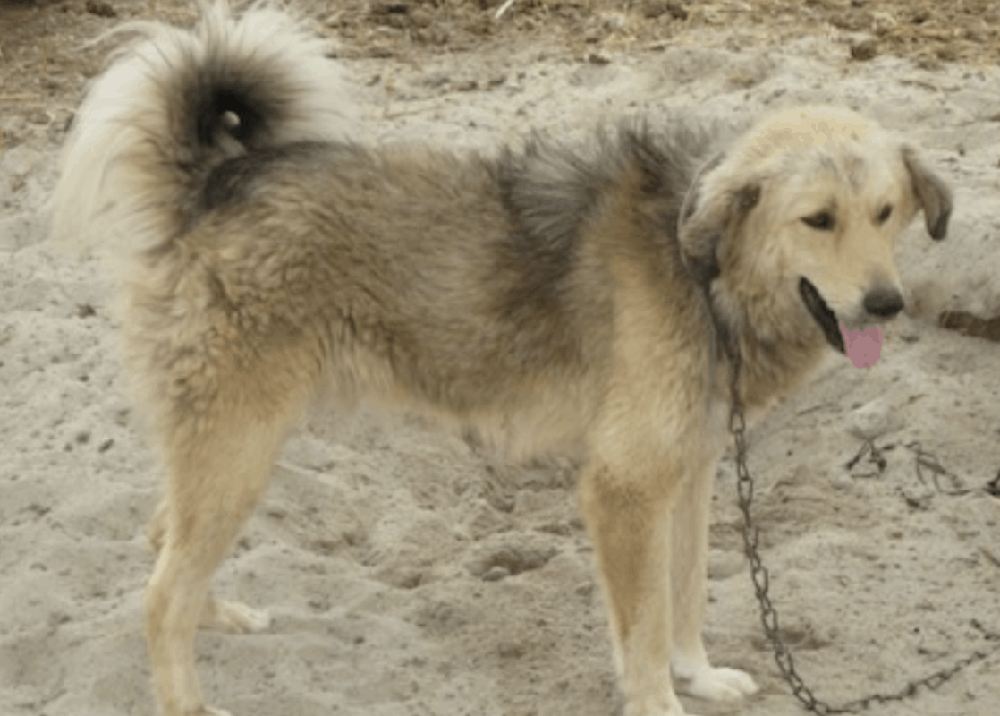
Bakharwal Dogs are generally described as livestock guardian dogs from the Himalayan region of northern India, particularly associated with Jammu and Kashmir and nearby areas.1
- Breed type: Working, livestock guardian
- Size: Medium to large, with substantial bone and muscle
- Coat: Thick double coat, built for cold conditions
- Temperament tendencies: Loyal to their people, naturally watchful, often independent in how they think
- Best environment: Usually suits homes with space, routine, and confident handling more than busy, high-turnover households
Because the breed is not widely standardised through major kennel clubs, you will see variation in size, coat and type. If you are meeting a Bakharwal Dog or a “Bakharwal type” dog, it helps to focus less on a perfect checklist and more on the individual dog’s behaviour, history, and support network.
Where the Bakharwal Dog comes from, and why that history still shows up
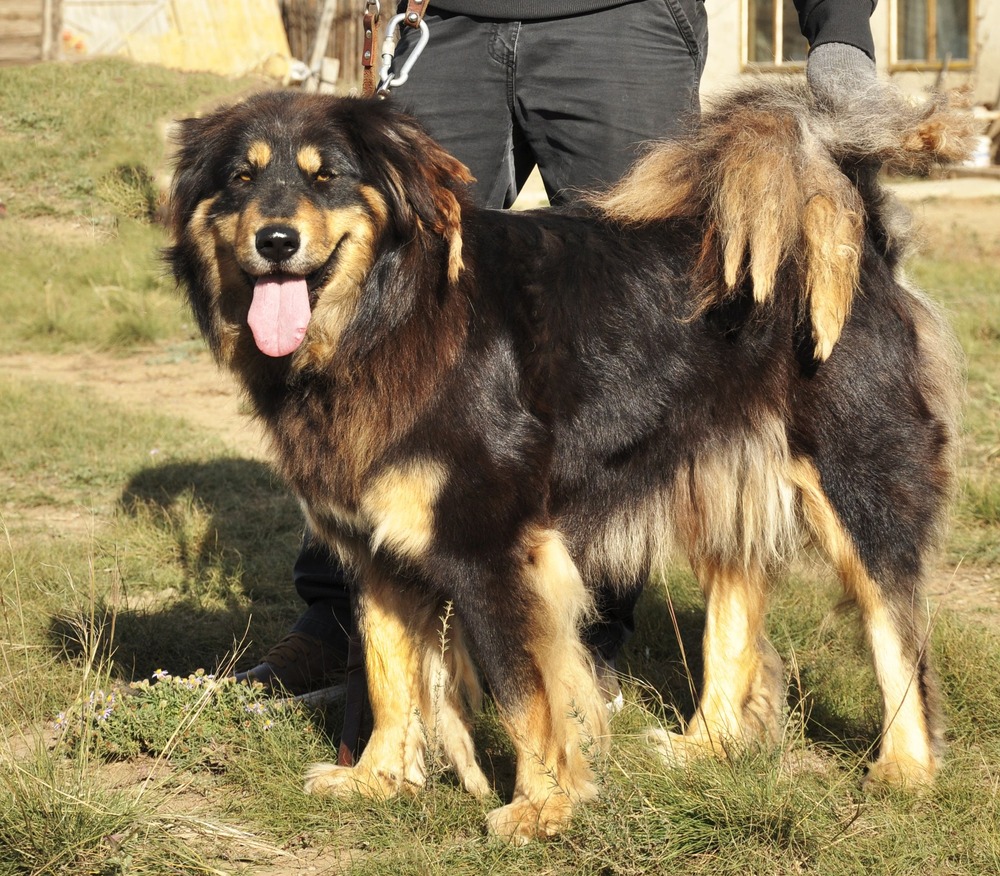
The Bakharwal Dog is commonly linked with pastoral communities such as the Gujjar and Bakarwal, who have long practised seasonal migration with sheep and goats in the Himalayan regions.1, 2
That context matters because livestock guardian dogs are selected for calm vigilance and an ability to work without constant direction. They often need to assess situations for themselves, respond to unfamiliar animals or people at a distance, and stay steady when conditions are uncomfortable. Those are valuable traits on a mountainside. In a suburban backyard, the same traits can look like: patrolling, barking at movement beyond the fence, and deciding they would rather keep watch than practise “sit” for the fifth time.
This does not mean they cannot live as companions. It does mean they tend to do best when their people respect what the dog is, and set up life so the dog is not left to “solve” the neighbourhood on its own.
Temperament: loyal, protective, and not especially interested in pleasing people
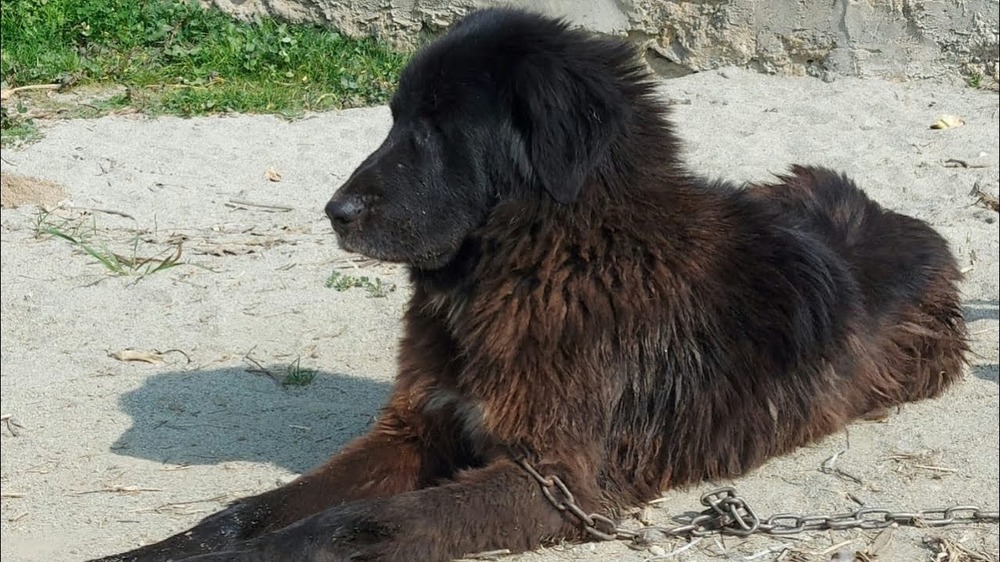
Many Bakharwal Dogs are described as loyal and protective, with a strong tendency to guard what they see as their territory or group.1 In day-to-day terms, this can be a steady presence in the home, and a dog that takes “who belongs here” seriously.
It also means you often need to think ahead. Visitors, tradies, delivery drivers, dogs passing the front fence, and kids running through the yard can all trigger watchful behaviour. The goal is not to train guarding out of them. The goal is to build predictable routines and safe management so your dog can relax when nothing is required.
With children, the broad rule is the same as for any large guardian breed: supervision, calm introductions, and teaching kids how to move around dogs. Even a gentle dog can misjudge space or react to surprise, particularly if the dog is still learning what “normal family life” looks like.
Training and socialisation: start early, keep it practical
Early socialisation is less about making a Bakharwal Dog “friendly with everyone” and more about helping them feel safe and neutral in ordinary situations. Think: people in hats, neighbours chatting over the fence, cars reversing, other dogs at a distance, the sound of the bin truck.
Training tends to work best when it is clear and consistent, with rewards that matter to the dog. Short sessions, repeated often, usually beat long drills. Many guardian breeds respond well when they understand the point of an exercise, and when training is woven into life: waiting at gates, settling on a mat, coming when called before the lead goes on, and walking politely past distractions.
If you are working with a trainer, look for someone comfortable with guardian breeds and modern, reward-based methods. “More force” can create more conflict in a dog that is already confident about making their own calls.
Exercise and enrichment: more than just a long walk
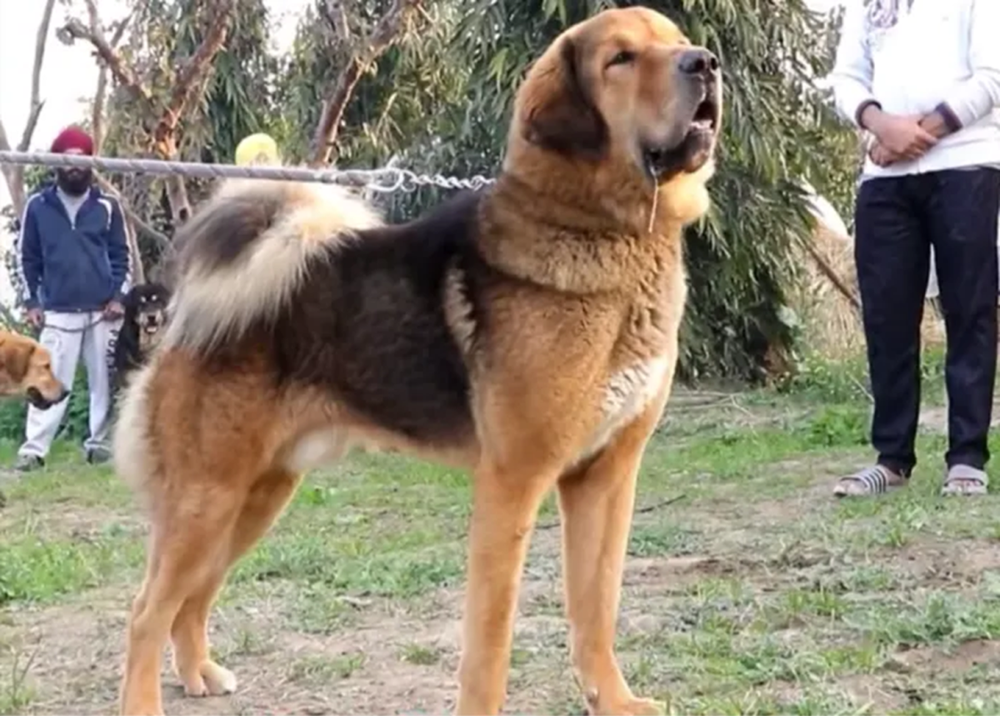
Bakharwal Dogs are often described as high energy working dogs, but their needs can be a blend of physical activity and purposeful engagement. A long walk is useful, but so is giving them a job that suits a guardian mind: scent games, searching for scattered food in grass, structured play with rules, and calm exposure to the world.
Aim for daily activity that includes:
- Steady movement: walks, hiking-style outings, or roaming in a secure yard
- Thinking work: sniffing, puzzle feeding, basic obedience that supports real life
- Down-regulation: practising calm settling indoors, especially after stimulation
Without this balance, some dogs do what working dogs always do when under-stimulated: they create their own work, which can look like fence running, barking, or “supervising” the household with intensity.
Health considerations: what to watch for in a large, deep-chested dog
There is limited breed-specific research available publicly for Bakharwal Dogs compared with heavily standardised breeds. Still, the general health themes for large dogs are worth taking seriously, especially hip and joint issues, and gastric dilatation-volvulus (GDV), often called bloat.3, 4, 5
GDV is an emergency. If your dog suddenly retches without bringing anything up, has a rapidly distending belly, seems distressed, or collapses, treat it as urgent and seek veterinary care immediately.4, 5
For prevention in at-risk dogs, veterinarians may discuss feeding and routine changes, and in some cases a preventative gastropexy procedure. Gastropexy does not stop gas build-up, but it helps prevent the dangerous twisting component of GDV.3, 4, 5
Grooming and coat care: thick double coat, steady maintenance
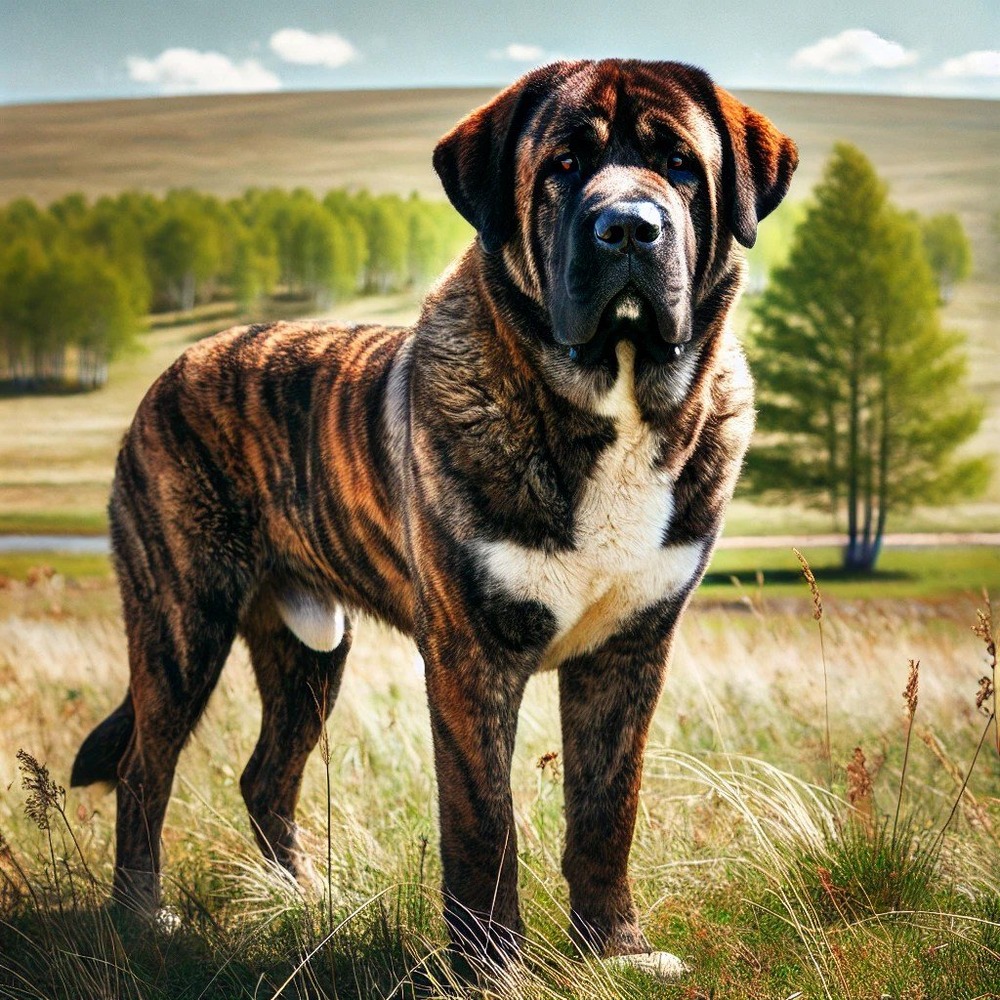
A thick double coat is practical in cold climates, but it needs regular attention in a home environment. Weekly brushing is a sensible baseline for many double-coated dogs, with more frequent sessions during heavier shedding periods.6, 7
Coat care is also a health check. Brushing gives you a chance to notice skin irritation, mats forming behind ears or in the “trousers”, parasites, and sore spots that a stoic dog might not advertise. If the dog is new to handling, keep sessions short and build comfort gradually, especially around feet, ears and tail.
Bathing is usually occasional rather than frequent, unless the dog is genuinely dirty. Use dog-appropriate shampoo and rinse well, since residue can irritate skin.7
Nutrition: focus on balance, not buzzwords
Working-type dogs can look like they need “lots of protein” as a blanket rule, but nutrition is more individual than that. What matters most is a diet that is complete and balanced for your dog’s life stage, body condition, and activity level, and adjusted over time rather than set once and forgotten.8
If your dog is large and deep-chested, feeding practices may also matter for GDV risk. Common veterinary recommendations include splitting food into two to three smaller meals, slowing down fast eating, and avoiding hard exercise around meal times. Raised feeders are not routinely recommended for GDV prevention based on current evidence.4, 5
If you are considering supplements (including “joint supplements”), it is worth discussing them with your vet, particularly if your dog is still growing, is overweight, or already showing stiffness.
Is a Bakharwal Dog a good fit?
The right fit usually looks like a home that appreciates a dog with strong boundaries and a steady guarding presence, and is willing to put time into early socialisation, management, and calm routines. Space helps, but so does structure. A secure fence, thoughtful introductions to visitors, and meaningful daily activity go a long way.
If you are drawn to the breed because you want a devoted companion who is naturally watchful, you are seeing something real. The other side of that coin is responsibility: a guardian dog becomes easier to live with when you plan for the instincts, instead of being surprised by them.
References
- Wikipedia: Bakharwal dog
- Wikipedia: Bakarwal (pastoral nomadic community)
- American College of Veterinary Surgeons: Prophylactic Gastropexy
- Cornell University College of Veterinary Medicine: Gastric dilatation volvulus (GDV) or bloat
- American Animal Hospital Association (AAHA): Understanding canine bloat (GDV)
- RSPCA Pet Insurance Australia: Guide to dog cleaning and grooming
- RSPCA Pet Insurance Australia: When to groom your dog
- WSAVA: Global Nutrition Guidelines