

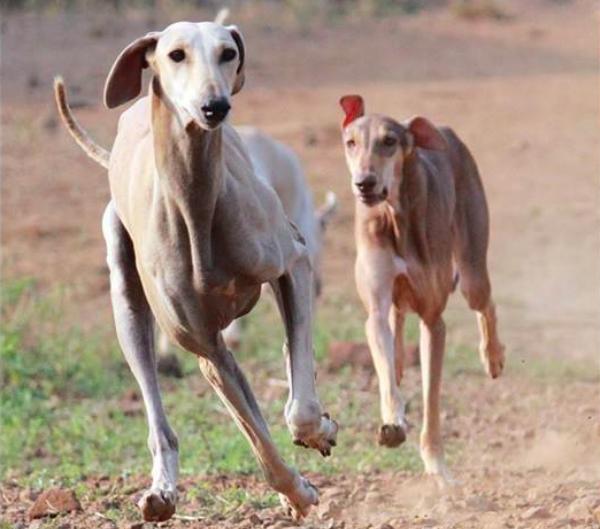
You might come across the Banjara Hound the way many people do, through a photo of a lean, long-legged dog that looks a bit like a Saluki or a Greyhound, then a trail of names that do not quite match up. Is it a Banjari Hound, a Vanjari Hound, or a “Banjara Greyhound”? The confusion is understandable, because this is a regional, working type with variation, and much of what is written about it online is inconsistent.1
What tends to matter in day-to-day life is simpler. This is a sighthound-type dog shaped by travel, hunting, and camp life with nomadic communities in India, especially in Maharashtra. That background shows up today as speed, stamina, a quick eye for movement, and a fairly independent way of thinking. If you are considering one, or you have met one and felt intrigued, the practical questions are about space, safe exercise, training style, and whether your household can live comfortably with a strong chase instinct.1, 6
Quick snapshot of the Banjara Hound
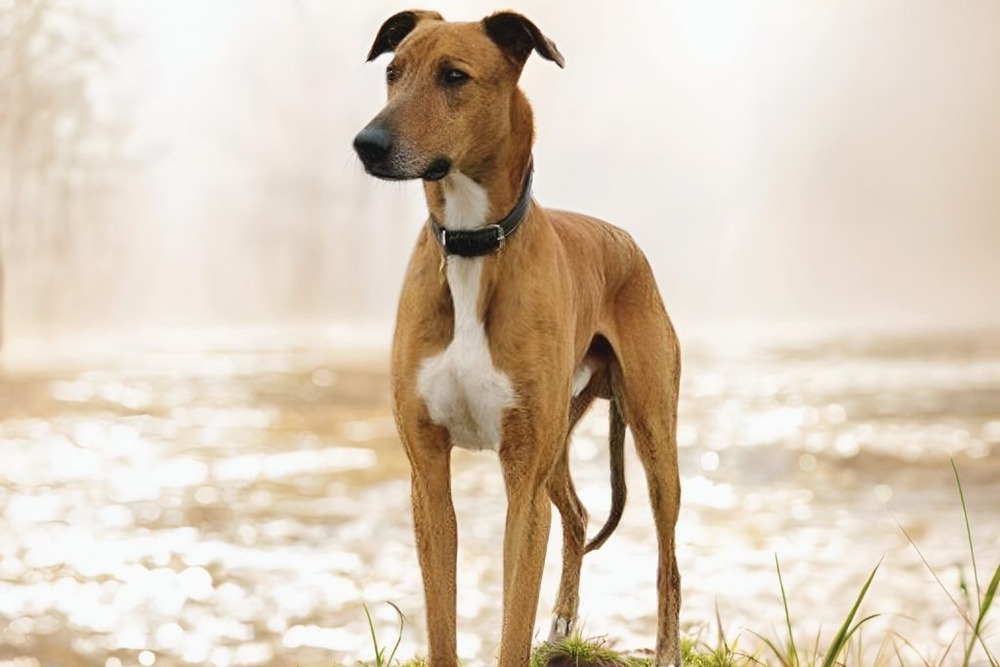
The Banjara Hound is commonly described as a sighthound-type dog kept and used for hunting by the nomadic Banjara people of India. You will also see several alternate names in use, which can refer to the same general type depending on region and source.1
- Type: Sighthound-type, traditionally a hunting and camp-guarding dog1
- Origin: India, particularly associated with Maharashtra and the Banjara (Vanjari) community1
- Build: Lean, deep-chested, made for speed and endurance1
- Coat: Sources vary, many describe a rough or longer coat in some dogs, colour is often brindle or solid1
Origins, names, and why the breed can be hard to pin down
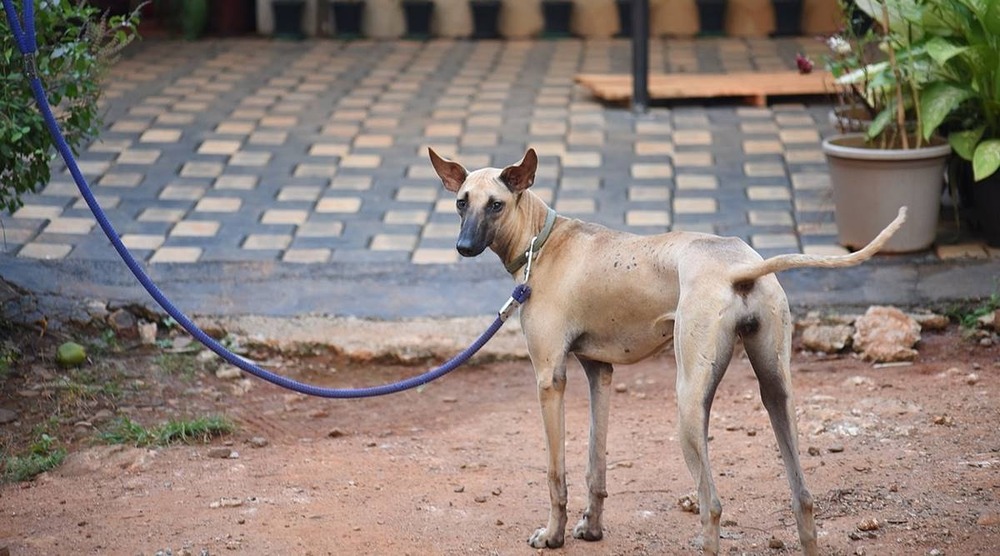
Most descriptions link the Banjara Hound to the nomadic Banjara people, and to practical selection for hunting ability rather than a tightly standardised show pedigree. That tends to produce the kind of dog people recognise quickly, even when details like coat and size vary from one line or region to another.1
The name issue is not just trivia. If you are trying to research health, temperament, or even find a responsible rescue contact, you may need to search across multiple terms such as Banjara Hound and Vanjari Hound. You may also see the dog compared with other Indian sighthounds, including the Mudhol (Caravan) Hound, which is a distinct breed with its own background and descriptions.1, 2
Temperament and daily life with a sighthound-type dog
People often describe sighthounds as “quiet” or “easy”, and sometimes they are, in the sense that many will happily settle indoors once their exercise needs are met. The other side of that coin is that a sighthound can be highly responsive to movement, and may take off quickly if something triggers a chase. With a Banjara Hound, it is sensible to assume prey drive is part of the package, even if an individual dog is calm with familiar pets at home.1
Independence is another common thread in working sighthounds. It does not mean the dog is “stubborn” in a human sense. It usually means the dog has been shaped to make fast decisions at distance, then return to you when it suits the task. Training goes best when it is clear, consistent, and worth the dog’s time.
Training and socialisation that actually works
For most dogs, and especially for dogs that can be sensitive or quick to react, reward-based training is a practical starting point. It is easier to build reliable habits when the dog understands what earns reinforcement, and it helps protect the relationship when you are working through real-world challenges like lead manners, recall foundations, and calm behaviour around other animals.4, 5
Early, well-managed socialisation matters, but it is worth thinking of it as “learning the world is safe and predictable”, not “meeting everyone”. Start with low-pressure exposures, and prioritise the skills that keep a fast dog safe.
- Lead and harness comfort before busy environments
- Pattern games and check-ins to build attention around movement
- Recall foundations practised behind a fence or on a long line
- Calm behaviour around other dogs with distance, not forced greetings
Many welfare organisations advise avoiding aversive tools and methods, including equipment designed to cause pain or fear, because of risks to welfare and potential fallout in behaviour. If you feel stuck, it is usually more productive to adjust the environment and reinforcement plan, rather than escalating corrections.6
Exercise and enrichment, with safety front of mind
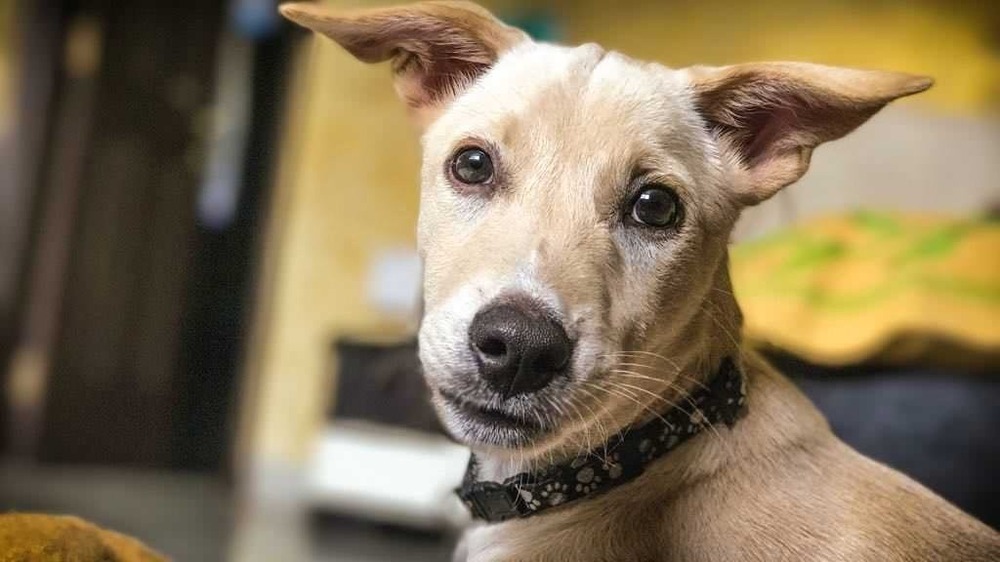
A Banjara Hound is typically described as athletic and enduring, which means daily exercise is not optional. The mistake people sometimes make is assuming that long walks alone will cover it. Most sighthound-type dogs benefit from a mix of steady movement and short bursts, plus time to decompress with sniffing and exploration.
Because speed is such a defining feature, safety is part of responsible exercise. Many sighthounds are best managed with a secure, well-fenced area for free running, and a long line where fencing is not available. In unfenced spaces, a moment of movement can undo months of training, and it can happen before you have time to react.
If your climate is cool or you are walking early or late, keep in mind that lean, short-coated dogs may be more sensitive to cold than sturdier, double-coated breeds. Watch for shivering, reluctance to move, or tense posture, and consider a coat if needed.
Health considerations and preventative care
There is limited high-quality, breed-specific health data published for the Banjara Hound. In practice, that means owners often rely on general principles: keep your dog lean, build fitness gradually, and treat lameness or stiffness as a veterinary issue rather than a training issue.
Hip dysplasia is frequently mentioned in general breed summaries online, but it is best understood as a condition influenced by genetics and environment, including growth rate and body weight in young dogs. If you are choosing a puppy, ask what is known about the parents and relatives. If you already have a dog, talk to your vet promptly if you notice limping, reluctance to jump, or difficulty rising.7
Routine preventative care still does the heavy lifting for quality of life:
- Regular vet checks and dental care
- Parasite prevention suited to your local risks
- Body condition monitoring so weight stays in a healthy range
Grooming and coat care
Coat descriptions for the Banjara Hound vary by source and likely by line. Some describe the breed as rough-coated, while others describe shorter coats in some dogs. Either way, the grooming approach is usually straightforward: a weekly brush, a quick check of skin and feet after runs, and occasional baths when needed.1
Pay particular attention to nails (active dogs can still need trimming), ears, and small cuts from grass seeds or rough ground. With lean, fine-skinned dogs, minor scrapes can be easy to miss until they look sore.
Feeding and keeping condition steady
A working-built dog can look “too slim” to someone used to stockier breeds. Aim for a clear waist and an easy-to-feel rib outline without heavy fat cover. If you are unsure, your vet can score body condition and help you adjust portions over time.
Nutrition advice online can be noisy, so it helps to use a framework that prioritises evidence and suitability for the individual dog. The World Small Animal Veterinary Association (WSAVA) Global Nutrition Guidelines emphasise regular nutritional assessment and making a specific plan for the pet in front of you, rather than relying on marketing cues or ingredient list assumptions.8, 9
Is a Banjara Hound a good fit?
In the right home, a Banjara Hound can be a striking, capable companion, especially for people who enjoy calm routines punctuated by real exercise. The “right home” usually means a commitment to daily movement, a secure plan for off-lead time, and a training approach built on reinforcement and management rather than force.
If you are drawn to the look of a fast dog but your life is more indoor, more crowded, or full of small pets that cannot be separated safely, it may be kinder to admire this type from a distance. A mismatch rarely shows up on day one. It tends to appear months later, when the dog is settled enough to rehearse the behaviours it was bred for.
References
- Wikipedia: Banjara Hound
- Wikipedia: Mudhol Hound
- CaravanHound.in: Mudhol Hound (breed description)
- RSPCA Knowledgebase: Reward-based dog training and why the RSPCA supports it
- RSPCA Australia: The do’s and don’ts of training your dog
- RSPCA Knowledgebase: Training recommendations and avoiding aversive methods
- American College of Veterinary Surgeons (ACVS): Canine Hip Dysplasia
- WSAVA: Global Nutrition Guidelines
- WSAVA: Introducing the Global Nutrition Committee and nutrition toolkit