

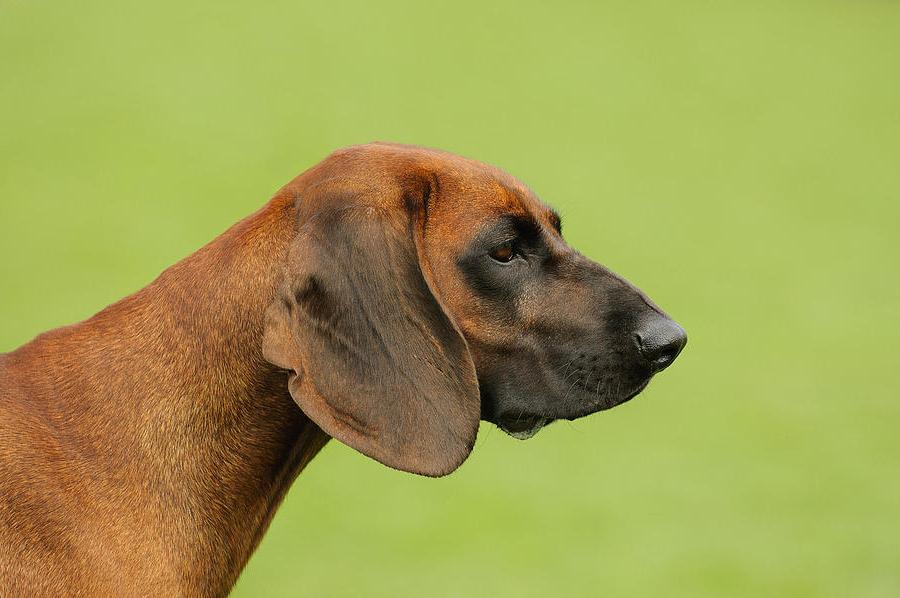
You often hear about the Bavarian Mountain Hound in passing, from someone who has seen a steady, red-brown hound working on a scent line, or from a family who loves bush walks and wonders why their dog seems to “switch on” the moment there is an interesting smell.
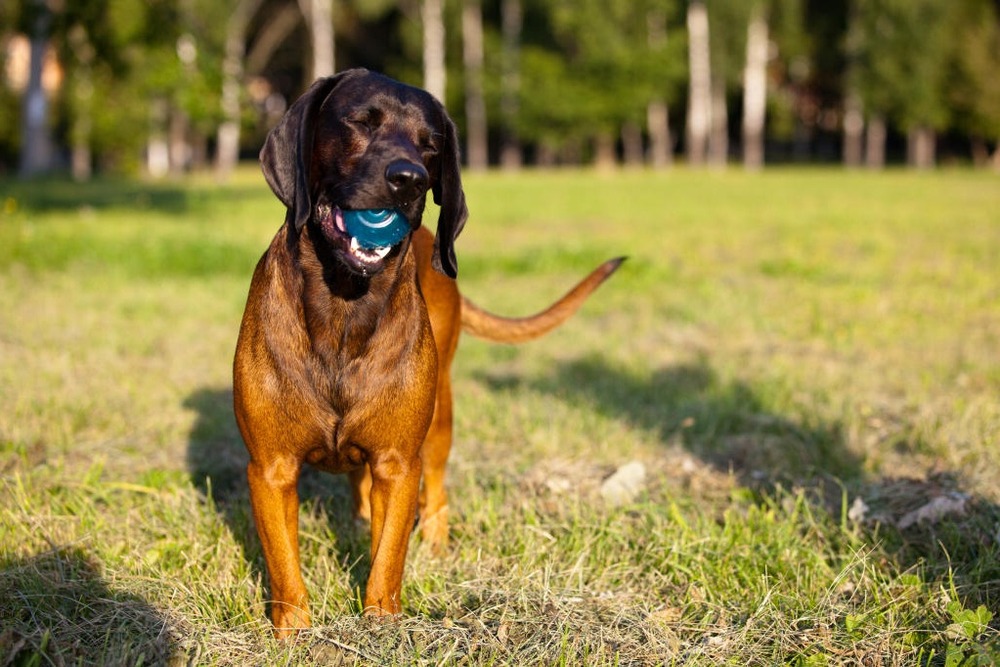
It is tempting to assume a scent hound is either a straightforward hunting dog or a placid lounge-room companion. In real life, it is usually both, just not at the same time. The Bavarian Mountain Hound tends to be calm at home, then purposeful and single-minded outdoors, especially when scent is involved.
If you are considering the breed, or living with one already, the practical question is less about whether they are “good dogs”, and more about whether your daily routines can meet a dog designed for patient tracking, steady movement, and thoughtful handling.
- Breed category: Scent hound
- Country of origin: Germany
- Typical height: Males 47 to 52 cm, females 44 to 48 cm1
- Typical weight: Commonly around 20 to 27 kg (varies with build and condition)2
- Typical lifespan: Around 10 to 14 years3
- Coat: Dense, close-fitting, moderately harsh1
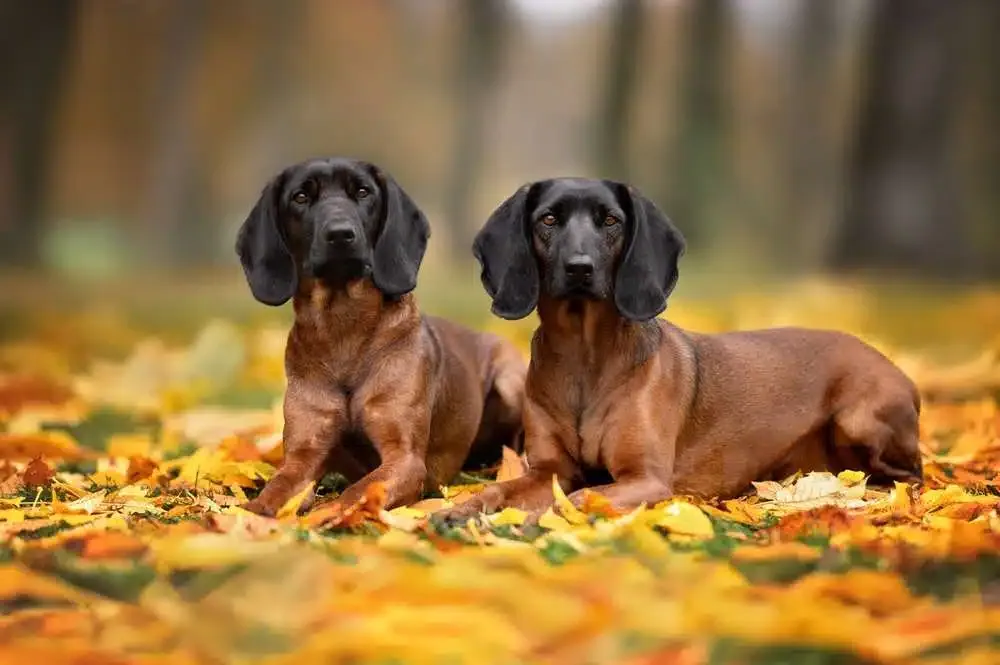
- Colour: Deer red, tan, fawn, and related shades, sometimes with darker hairs and a small chest patch permitted1, 4
- Original purpose: Tracking wounded game (leash scent hound work)1, 5
Where the breed came from, and what it was built to do
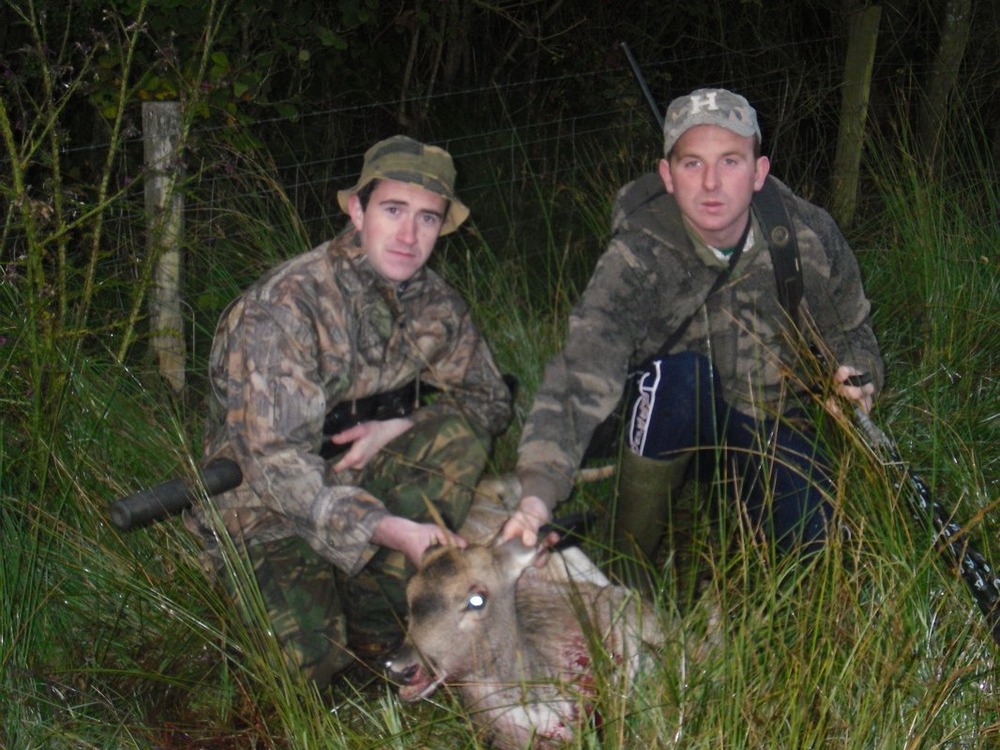
The Bavarian Mountain Hound (Bayerischer Gebirgsschweisshund) was developed in Germany as a specialist scent hound for following the trail of injured game, traditionally worked on lead in demanding terrain.1, 5
That background matters because it explains so much about the modern dog. This is a breed shaped for careful, sustained tracking, not quick bursts of speed. Many individuals will happily amble beside you for kilometres, but the moment they pick up a scent, their focus can narrow, and their persistence becomes the feature you need to plan around.
It also explains why they can seem “quiet” compared to some other hounds. Their work is not about constant noise, it is about concentration, body control, and staying with a trail until the job is done.
Temperament, day to day behaviour, and suitability
Well-bred Bavarian Mountain Hounds are often described as steady and composed, closely bonded to their people, and sometimes reserved with strangers.4, 5 In a household, this can look like a dog that settles well indoors, then becomes very engaged once you head outside.
As pets, they tend to suit people who like routine and time outdoors. They are not usually a “set and forget” breed, not because they are naughty, but because their brains stay busy. A short lap around the block may keep their legs moving, but it rarely scratches the deeper itch to sniff, problem-solve, and range a little.
Children and other animals
With thoughtful socialisation and supervision, many do well with children, especially in families that teach kids how to give a dog space when it is resting or eating. With other pets, early introductions and calm management matter. Scent hounds can be sociable, but individual prey drive varies, and the safest approach is to assume you will need to train for reliability rather than hope for it.
Apartment living
This breed can cope with smaller homes if daily life includes substantial outdoor time, but it is not an easy match for apartments where exercise is irregular or mostly indoors. Their needs are less about floor space and more about time, structure, and sniffing freedom in safe places.
Training and exercise that actually works for a scent hound
The most effective training plans for Bavarian Mountain Hounds tend to respect what the dog is. They were bred to use their nose and make decisions in partnership with a handler, so they often respond best to calm consistency, clear cues, and rewards that feel relevant.1, 4
Training priorities
- Recall and check-ins, built slowly and practiced in low-distraction environments first.
- Loose-lead walking skills, because a powerful nose can pull a powerful body.
- Comfortable handling for ears, paws, and grooming, so routine care is not a wrestling match.
- Confidence-building socialisation that stays within the dog’s coping range, rather than flooding them with too much too soon.
Exercise and enrichment
They do need daily movement, but for many individuals the real game-changer is letting them do “dog work” rather than only human exercise. Sniffy walks, tracking games, and simple scent trails in the backyard often leave them more settled than a faster, shorter run.
If you hike, camp, or spend time on rural property, you will likely see the breed at its best, provided you also put boundaries around access to wildlife and reinforce lead manners.
Health considerations and preventative care
No breed comes with guarantees. In Bavarian Mountain Hounds, the practical health themes owners commonly manage are joint care (including hip dysplasia risk, as in many medium to large active dogs) and ear health, because long, hanging ears can reduce airflow and trap moisture.6, 7
Supporting joints over the long term
For growing dogs, it is worth being cautious with repetitive high-impact activity. Many veterinary resources recommend moderate, regular exercise for joint support, especially in dogs with dysplasia risk factors, and suggest avoiding excessive jumping and hard landings during development.6
Ear checks as a habit, not a crisis response
Ear infections (otitis externa) can escalate if ignored. Dogs with long ear flaps can be at higher risk because the ear canal stays warmer and more humid, especially after swimming or frequent wet weather walks.7
- Get into the routine of a quick weekly look and sniff.
- Dry ears after swimming or baths.
- If you notice redness, odour, head shaking, or discharge, speak with your vet rather than trying random cleaners at home.7
Grooming, coat care, and everyday maintenance

The coat is generally straightforward: dense, close-fitting, and not typically high-maintenance. A weekly brush is usually enough to lift loose hair and keep the coat looking tidy. Nails, teeth, and ears are the areas that benefit most from steady, low-drama routines.
Because they are working-bred dogs, many owners find it helps to treat grooming as part of training. A minute or two of cooperative handling several times a week often prevents the bigger problems that show up when dogs only get touched during stressful moments.
Feeding and keeping a healthy body condition
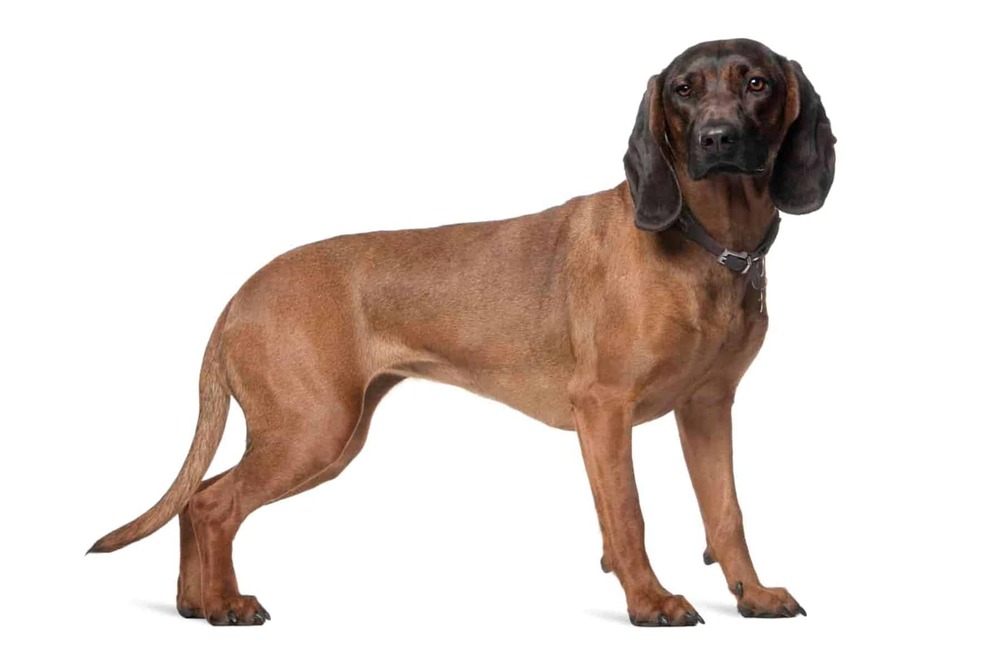
With active breeds, feeding is not just about choosing a “good food”. It is about matching intake to the dog in front of you, their age, work level, and metabolism. Veterinary nutrition guidance commonly emphasises regular nutritional assessment, including body condition scoring, so feeding amounts can be adjusted before weight creep becomes normalised.8
A useful rule of thumb is that you should be able to feel ribs under a light layer of tissue and see a waist from above. If you are unsure, ask your vet clinic to show you how they score body condition and what “ideal” looks like for your dog’s frame.
Feeding habits that help
- Measure meals rather than free-pouring.
- Keep treats in the budget, especially during training blocks.
- Weigh regularly or take monthly photos from the side and above to notice slow changes early.
Living well with a Bavarian Mountain Hound
At their best, these dogs are steady companions with a strong work ethic and a deep interest in the world. They rarely suit a life built around quick outings and constant novelty, but they can thrive in homes that value consistency, outdoor time, and training that respects a nose-led brain.
If you can provide daily exercise plus purposeful sniffing, and you do not mind a dog who sometimes has its own ideas about what is interesting, the Bavarian Mountain Hound can be a quietly impressive partner.
References
- Federation Cynologique Internationale (FCI): BAYERISCHER GEBIRGSSCHWEISSHUND (Breed 217) overview
- Dimensions.com: Bavarian Mountain Scent Hound dimensions and typical weight range
- United Kennel Club (UKC): Bavarian Mountain Hound breed standard summary
- The Royal Kennel Club: Bavarian Mountain Hound breed standard (Imported Breed Register)
- Wikipedia: Bavarian Mountain Hound (history and original purpose overview)
- PAW by Blackmores: Hip dysplasia in dogs (exercise and management overview)
- The Kennel Club: Otitis externa (ear infection) in dogs, risk factors and prevention
- World Small Animal Veterinary Association (WSAVA): Global Nutrition Guidelines