

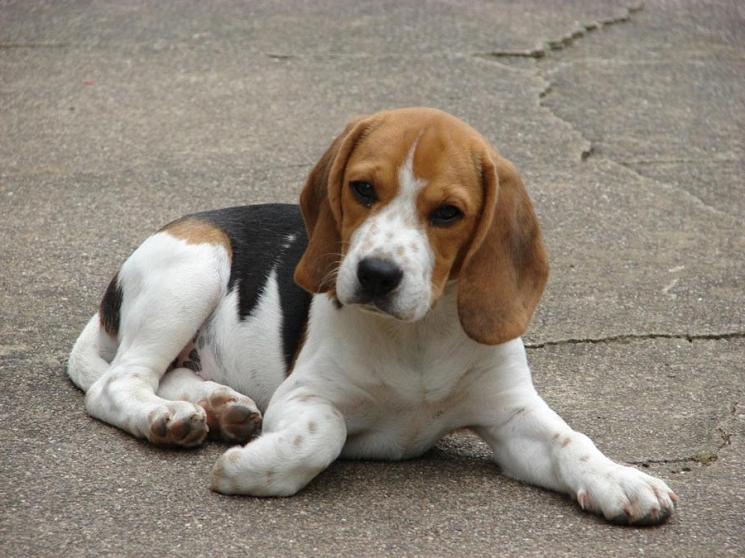
People often come across the Beagle-Harrier by accident. It might be a dog that looks like a slightly taller Beagle, with the same nose-to-the-ground focus, or a “houndy” companion who seems friendly enough at home but becomes surprisingly single-minded once a scent appears.
That contrast can be confusing. A Beagle-Harrier can be affectionate and social, then suddenly feel as if it has gone deaf when the environment offers something more interesting than you. It is not bad manners so much as a breed shaped around scent work, movement, and persistence.
If you are considering the breed, or living with one and trying to make sense of the daily rhythms, it helps to understand what the Beagle-Harrier was built to do, and what that means for training, exercise, and home life.
Beagle-Harrier at a glance
Breed group: Scent hound (FCI Group 6).1
- Origin: France.1
- Typical size: medium, commonly around 45 to 50 cm at the withers, and about 19 to 25 kg (ranges vary by standard and lines).1, 2
- Coat: short, dense, relatively low-maintenance, with regular shedding.2
- Life expectancy: commonly reported around 12 to 13 years.3
- Big picture: a social, active hound with strong scent drive, best suited to people who enjoy daily outdoor time and structured training.
Origins and what the breed was made for

The Beagle-Harrier is a French scenthound developed for hunting, traditionally in packs, with an emphasis on steady pursuit and the ability to hold a line of scent over distance.1
Many modern descriptions mention Beagle and Harrier ancestry. What matters most in day-to-day life is the practical outcome: this is a dog designed to follow its nose, keep moving, and stay engaged with the environment for long periods. That heritage tends to show up in recall reliability, lead manners, and the need for purposeful exercise.
It is also a relatively uncommon breed outside its home region, which can make it harder to find experienced local support, especially if you are comparing it to more widely kept hounds like Beagles.4
Temperament, everyday behaviour, and suitability
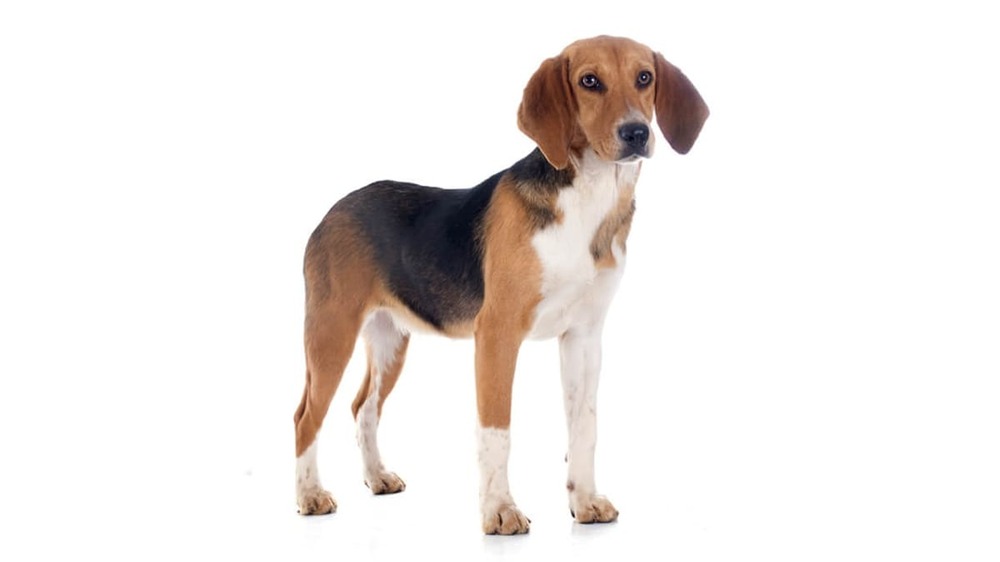
Most Beagle-Harriers are described as lively, sociable dogs with an energetic, determined working style.2 In a home setting, that often looks like a companion who likes to be near the action, enjoys interaction, and benefits from predictable routines.
They can suit family life when their needs are met, particularly in households that enjoy walking, hiking, and training as part of normal life. Where people get stuck is assuming that friendliness automatically equals “easy”. With scenthounds, friendly does not mean biddable. A dog can be gentle and still find the outside world far more compelling than a cue.
With children and other pets, individual temperament and early socialisation matter more than any breed summary. Many Beagle-Harriers do well when raised with thoughtful boundaries, supervision, and calm introductions. If you have small animals, remember that “hound” can include a strong interest in moving, scented things, so management and training are important.
Training: working with the nose, not against it
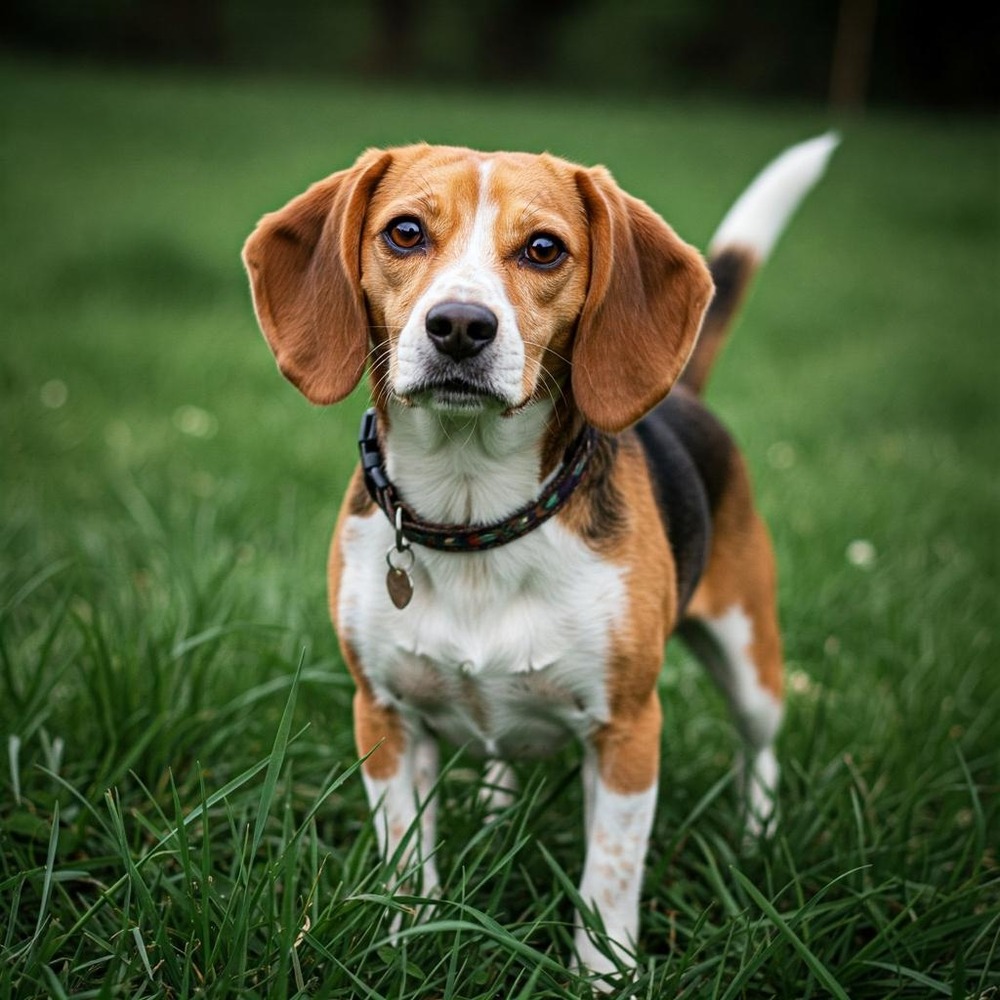
Beagle-Harriers tend to learn well, but they do best with training that acknowledges their sensory world. For many hounds, sniffing is not a distraction, it is a primary need. A practical approach is to include it, rather than trying to suppress it.
Positive reinforcement (food, play, access to sniffing) is usually the most productive route with scenthounds, especially for recall and lead skills. Keep sessions short, repeat often, and practise in gradually more difficult environments. If you only ask for “hard” behaviours when the dog is already over threshold, you can end up rehearsing failure.
Useful, realistic goals often include:
- Recall with management, using long lines and fenced areas as your default, not your backup.
- Loose lead walking that includes permission to sniff at intervals.
- Basic settling skills at home (mat work, calm reinforcement) so the dog can switch off.
Exercise and enrichment that actually satisfies
A Beagle-Harrier typically needs more than a quick lap of the block. As a guide, think in terms of daily movement plus regular opportunities to use the nose, because scent work can be more tiring than you expect for a fit dog.
Options that often suit the breed include:
- Long, varied walks with time to sniff and explore safely
- Food searches in grass, snuffle mats, or scatter feeding
- Beginner scent work games (simple “find it” in the yard)
- Structured play with rules, plus calm recovery time afterwards
When exercise is missing, the fallout is not always obvious “bad behaviour”. Some dogs become restless, vocal, or more likely to roam. Others simply become harder to train because their baseline need for stimulation has not been met.
Health considerations and routine care

Most descriptions present the Beagle-Harrier as generally healthy, with a commonly reported life expectancy around 12 to 13 years.3 As with many medium, athletic breeds, hip dysplasia can be a concern, so it is sensible to ask breeders about screening and family history, and to keep your dog lean and fit.3, 5
Those characteristic hound ears are also worth steady attention. Floppy ears can reduce airflow, which may increase the likelihood of ear problems in some dogs, particularly if they swim, roll in wet grass, or are prone to wax build-up. If you notice odour, redness, frequent head-shaking, or sensitivity, it is a vet visit rather than a home remedy situation.6
Good basics make a difference:
- Regular veterinary check-ups, parasite prevention, and dental care
- Weight management, which supports joints and overall comfort
- Prompt attention to ear and skin changes
Grooming: simple, but not zero effort
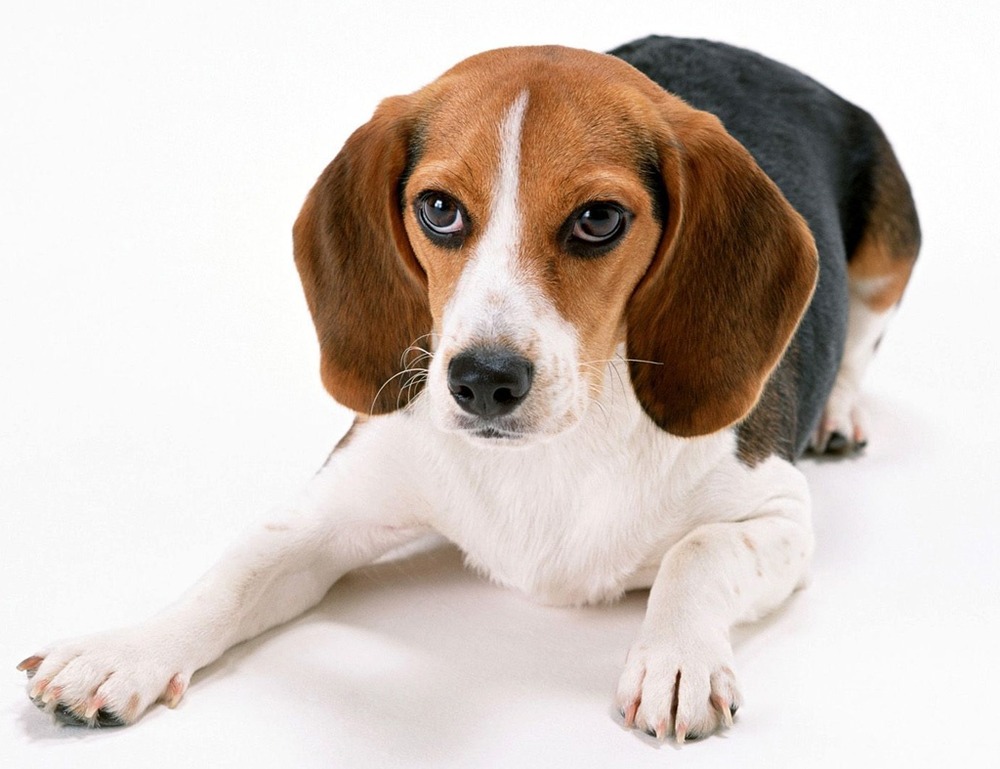
The Beagle-Harrier’s coat is typically short and dense, which means it does not mat easily, but it does shed. A weekly brush is often enough to lift dead hair and keep the coat looking tidy, with more frequent brushing during heavier shedding periods.2
Keep grooming practical and routine:
- Brush once or twice weekly (more when shedding increases)
- Check ears regularly, especially after wet weather or swimming
- Nail trims often enough that nails do not click on hard floors
- Teeth brushing where possible, since dental disease is common across many breeds7
Feeding and weight: the unglamorous key to a happier hound
Active hounds can look as if they “burn off anything”, but many scenthounds are also highly food-motivated, which can be a training advantage and a weight risk. Aim for a complete, balanced diet suited to your dog’s age and activity, and measure portions rather than guessing.
If you are unsure whether your dog is in the right condition, your vet can help you assess body condition score and adjust intake safely. Keeping a Beagle-Harrier lean is one of the most practical ways to support long-term mobility and comfort, particularly if joint issues are a concern.5, 8
A note on scent: why their world feels different
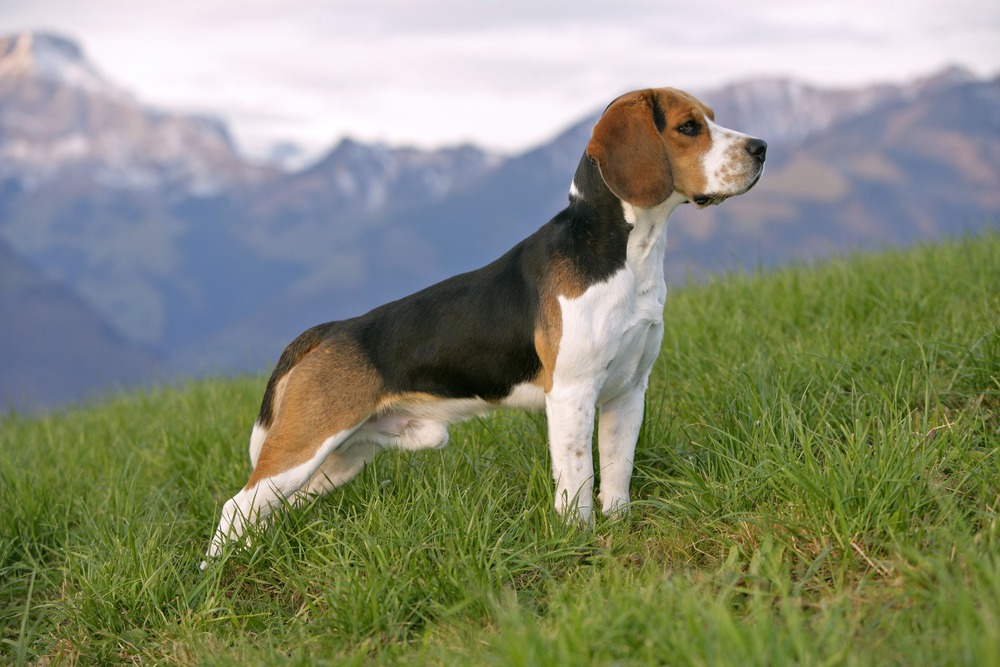
It is common to hear that a dog’s sense of smell is tens of thousands of times more sensitive than ours, with many reputable summaries placing typical estimates around 100,000 times stronger (with variation by individual and breed).9
For a Beagle-Harrier, this is not trivia. It explains why the same route can feel endlessly new, why “just come away” can be genuinely difficult mid-scent, and why sniffing time is not wasted time. When people build sniffing into walks and use it as a reward, training often becomes calmer and more reliable.
Final thoughts
A Beagle-Harrier can be a wonderful companion for the right home: affectionate, active, and engaging, with the kind of stamina that suits people who genuinely enjoy being outside. The best experiences usually come when expectations match the dog in front of you, a scenthound with a powerful nose and a steady desire to follow it.
If you can offer daily exercise, patient training, and safe ways to explore the world by scent, you are more likely to end up with what hound people quietly love, a dog that feels good to live alongside, not because it is perfectly obedient, but because its needs make sense in your life.
References
- Federation Cynologique Internationale (FCI): Beagle-Harrier (No. 290)
- United Kennel Club (UKC): Breed Standards, Beagle Harrier
- Wikipedia: Beagle-Harrier (overview, history, size, lifespan summary)
- United Kennel Club (UKC): Notes on rarity and recognition
- OrthoK9: Hip dysplasia in dogs (overview and management)
- RSPCA: Caring for your dog’s ears
- RSPCA Knowledgebase: Why dental care is important for dogs and cats
- WSAVA: Global Nutrition Toolkit (pet nutrition and body condition guidance)
- American Kennel Club: The Nose Knows, Is There Anything Like a Dog’s Nose?