

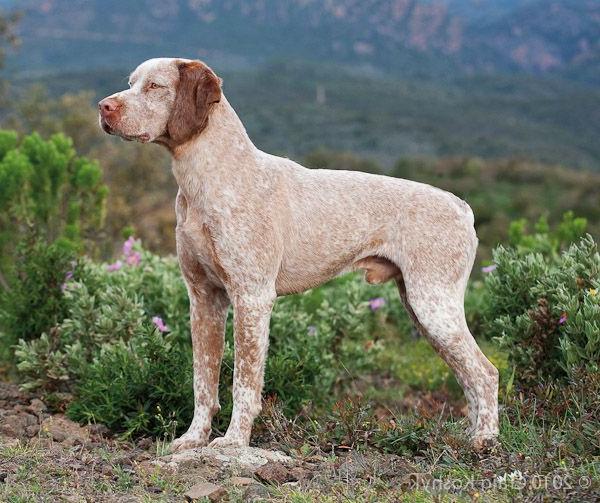
You might come across the Braque du Bourbonnais as a photo that stops you scrolling, a compact pointer with a softly speckled coat and a tail that looks almost too short to be real. Sometimes it is. Some dogs are born with a naturally short tail, which can surprise people who assume every short tail is the result of docking.1, 2
Then the practical questions arrive. Would a dog bred to work all day actually settle in a normal home, or does “gundog” automatically mean frantic energy? How much exercise is enough, what does “easy to train” look like in real life, and what should you keep an eye on health-wise when the breed is still relatively uncommon in Australia?
The Braque du Bourbonnais sits in that interesting space between field-dog capability and companionable manners. When the match is right, these dogs can be steady, responsive, and deeply enjoyable to live with. When the match is wrong, the same traits can show up as restlessness, sensitivity to chaos, or a dog that struggles without a job to do.
- Breed category: Gundog (pointing dog)
- Country of origin: France
- Typical height: Males 51 to 57 cm, females 48 to 55 cm
- Typical weight: Often around 16 to 25 kg, depending on sex and build
- Typical life span: Commonly 12 to 15 years
- Coat: Short, fine, dense
- Colour: White with fawn or brown ticking, sometimes roaning
- Exercise needs: High, daily physical exercise plus mental work
- Temperament (typical): People-oriented, gentle, biddable, with hunting drive
History and origin
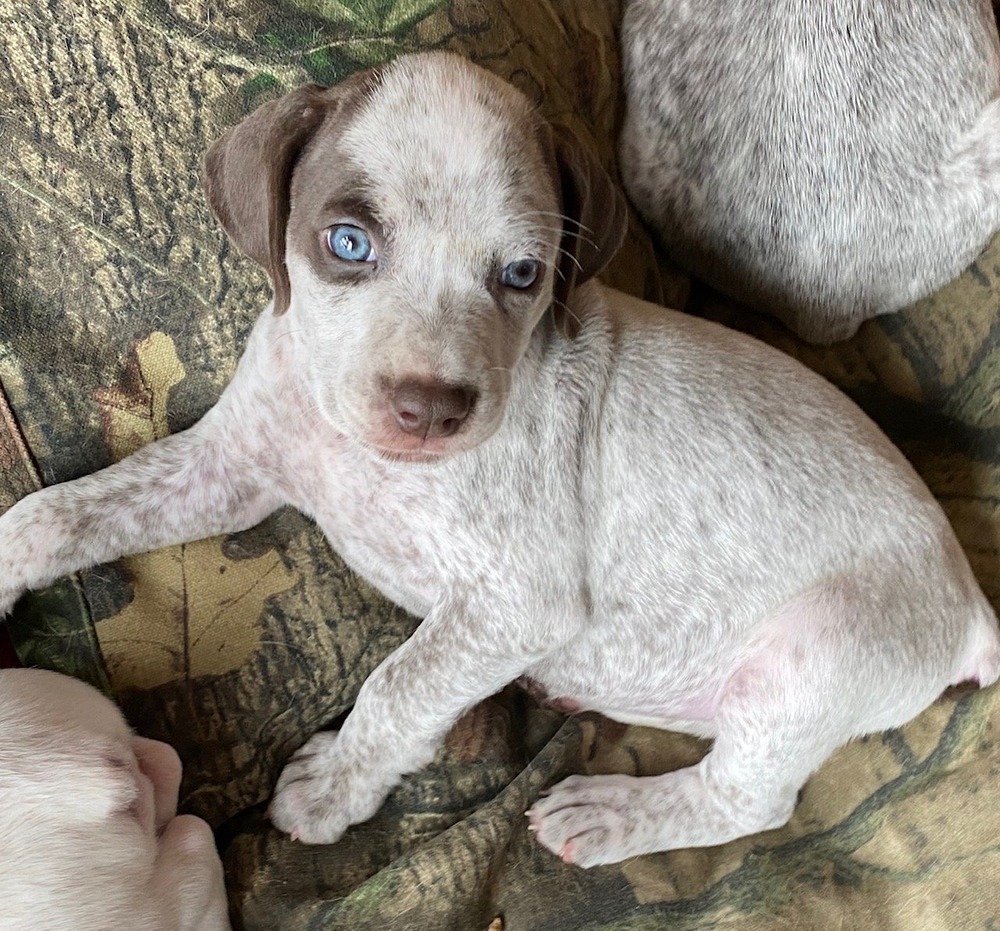
The Braque du Bourbonnais is a French pointing breed associated with the historic Bourbonnais region. Early descriptions of similar dogs appear in old European hunting writing, and the modern breed is recognised internationally as a continental pointing dog.2, 3
One piece of the breed’s story that still shapes conversations today is what happened in the mid 20th century. Selection pressure for very specific cosmetic traits, including particular coat shades and a natural short tail, narrowed the gene pool. In France, registrations dropped to the point that there were no LOF registrations recorded between 1963 and 1973, a stark marker of how close the breed came to disappearing from mainstream breeding records.2
Modern breeders have worked to preserve the dog’s field usefulness and overall soundness, rather than chasing a single look. That matters, because a pointing dog’s value is not just the outline in a photo, it is the way the dog moves, hunts, recovers, and lives day to day with people.
Physical characteristics that affect everyday life
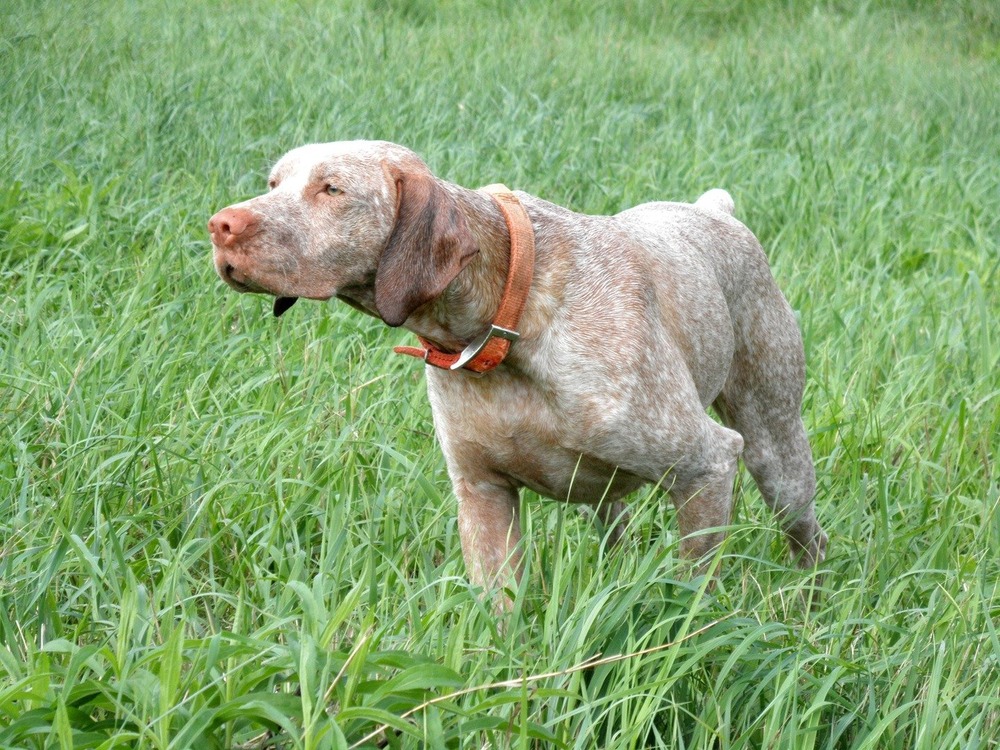
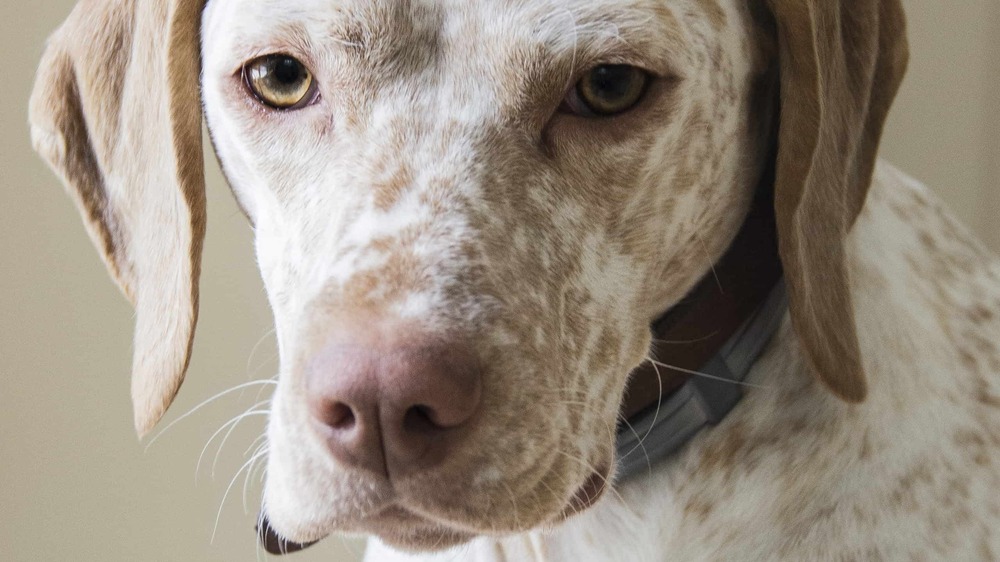
This is a medium-sized, athletic dog with a short coat that tends to be low-fuss to care for. The coat is typically white with fine ticking in brown or fawn, and some dogs appear more “roaned” overall, especially from a distance. Breed standards describe a coat that is short, fine, and dense, which fits the dog’s role moving through scrub and field.1
Tail length is the feature most people notice. Depending on the standard and the individual dog, you may see a natural bobtail, a full tail, or a tail that has been docked short in places where docking is still permitted. In Australia, routine cosmetic tail docking is banned, with docking generally only allowed for therapeutic reasons by a veterinarian, so you are more likely to meet dogs with natural tails or naturally short tails.4, 5
If you are looking at a puppy, it is worth remembering that structure is more than height and weight. Watch how the pup uses its body, how easily it changes direction, and whether it seems comfortable being handled. Those small observations often tell you more about future suitability than a tape measure does.
Temperament and behaviour, what owners tend to notice
At their best, Braques du Bourbonnais come across as steady and connected. Many are naturally attentive to their person, which can make training feel pleasantly collaborative. It is not unusual to hear people describe them as gentle at home, then noticeably more animated when they are out in a paddock or on a trail with interesting scent.
It helps to think in terms of patterns rather than labels. “Affectionate” in a gundog often looks like following you from room to room, checking in, and settling close by when the house is quiet. “Sensitive” can mean the dog responds quickly to tone and tension, for better or worse. A calm, consistent household suits them well.
With children and other pets, the usual rules apply. Early socialisation, supervision, and teaching kids how to interact thoughtfully matter more than any breed summary. The Braque du Bourbonnais is a pointing dog, so prey drive can appear around fast-moving small animals outdoors, even if the dog is friendly and well-socialised indoors.
Training and exercise, giving them a job without turning life into a marathon
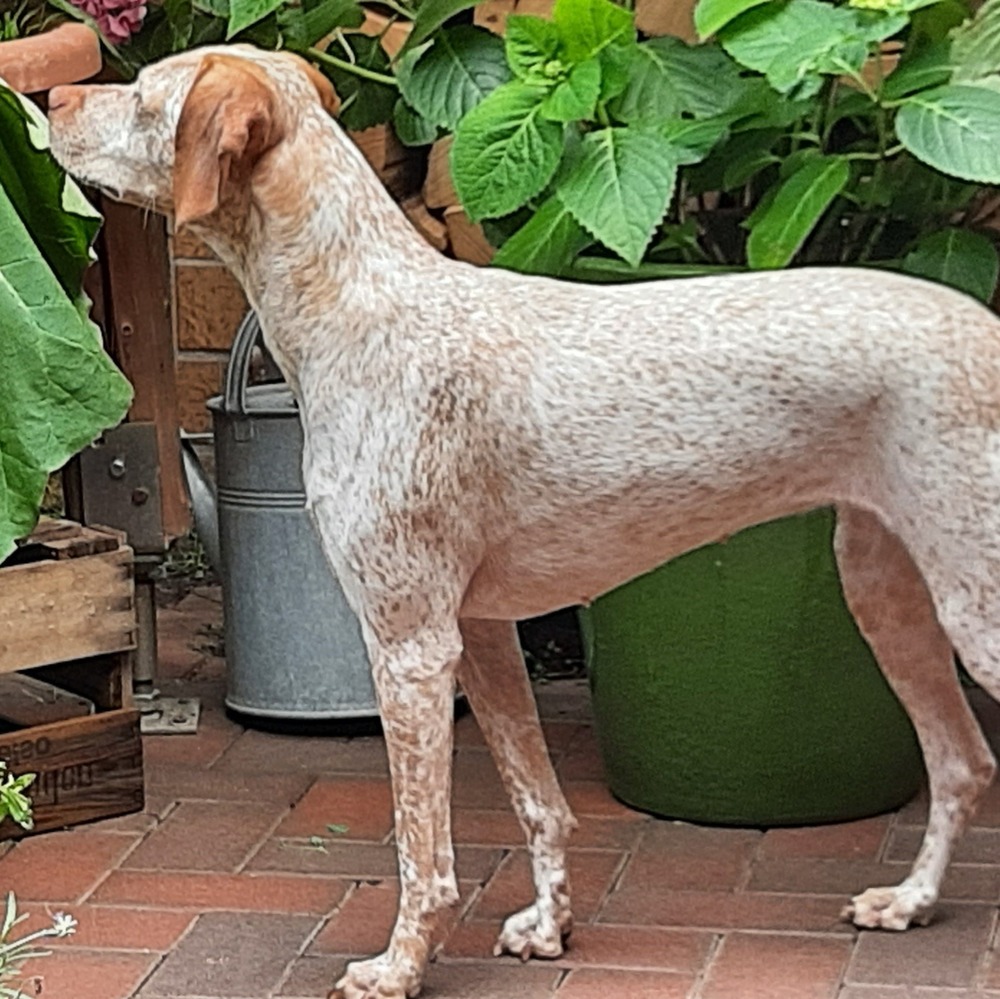
These dogs are built to work. The mistake is assuming that “more running” is the whole answer. They do need daily physical exercise, but they also need the kind of engagement that uses their brain and their nose. A Braque that only ever gets fast exercise can become very fit and still feel unsettled.
In practice, the best rhythm is usually a mix of movement and thinking. Many owners do well with:
- Long, varied walks with time to sniff and explore
- Recall games and short training blocks that end while the dog is still keen
- Scent work, food scatters in grass, or simple tracking games
- Field-style retrieves or structured play that stays under control
Training methods that lean on rewards and clarity tend to suit pointing breeds. If you are raising an adolescent, expect a phase where the nose seems to switch on louder than your voice. That is not stubbornness so much as a young dog discovering what it was bred to notice. Manage the environment, use a long line where needed, and practise recall in easy places before asking for it around wildlife.
Health and lifespan, what to watch and what to screen for
Many Braques du Bourbonnais live into their early to mid teens with good care, which aligns with what you might expect for an active, medium-sized dog. Good outcomes are not luck alone. They are usually the result of sensible breeding choices, healthy growth in puppyhood, and consistent preventative care across adulthood.
Like many athletic breeds, it is wise to take hip health seriously. Canine hip dysplasia is influenced by both genetics and environment, and screening programs rely on veterinary radiographs assessed through established schemes.6
Eyes also come up in breed conversations, although “eye problems” is a broad label. If you are buying a puppy, ask what health tests the parents have had, and ask for documentation. If you already live with a Braque, keep an eye on changes such as squinting, redness, unusual discharge, bumping into things in dim light, or hesitation on stairs, then book a vet check rather than trying to guess at home.
Preventative care that tends to matter most
- Keep vaccinations, parasite control, and dental care up to date with your vet’s advice.
- Maintain a lean body condition, extra weight adds strain to joints and reduces stamina.
- Build fitness gradually, especially for young dogs, and avoid repetitive high-impact exercise during growth.
- Ask your vet about appropriate screening if you notice lameness, stiffness, or reduced willingness to exercise.
Grooming and maintenance
The coat is short and generally straightforward. A weekly brush or grooming mitt often does the job, not because the dog “needs” it for appearance, but because it helps lift loose hair, spreads oils through the coat, and gives you a regular chance to check the skin for irritation, seeds, or ticks.
Pay more attention to the practical details: nails, ears, teeth, and whatever the dog picks up in the field. If your dog swims or runs through wet scrub, dry the ears and check for redness or odour. A lot of “sudden” ear issues are simply slow irritation that no one noticed until it was uncomfortable.
If shedding is your main worry, it is usually moderate rather than extreme, but short coat hair can weave into fabric. Brushing little and often tends to work better than waiting until hair is everywhere.
Diet and nutrition, keeping an active dog in good shape

Feeding an active pointing dog is less about finding a magic ingredient list and more about keeping the dog in steady condition. A good diet supports stamina and recovery, but the clearest sign you are on track is what you see: a healthy body condition, good muscle tone, a consistent stool, and a coat that looks and feels well.7
For many adults, two meals a day works well. If your dog exercises hard, you may need to adjust portions and timing to reduce the risk of gastrointestinal upset. Treats are useful, especially for training, but they add up quickly in a medium-sized dog. One practical habit is to reserve part of the day’s food for rewards, so you do not accidentally overfeed.
If you are unsure, ask your vet team to do a quick nutritional assessment at routine visits. The aim is not perfection. It is a sensible baseline that fits your individual dog, not a generic chart.7
Living with a Braque du Bourbonnais, who they tend to suit
The best homes for this breed tend to be the ones that enjoy being outdoors, but also enjoy training as part of everyday life. You do not need to be a hunter, but you do need to be comfortable giving the dog a regular outlet for natural behaviours like searching, sniffing, and retrieving.
They are often described as adaptable, but it is more accurate to say they adapt well when their needs are met. A busy household can work if there is predictable routine and the dog gets enough rest. A small home can work if exercise and enrichment are consistent. What usually does not work is long stretches of boredom, irregular activity, and a dog expected to “just settle” without enough practice and structure.
If you are choosing a puppy, look for a breeder who prioritises health testing, sound temperament, and working ability, and who is happy to talk through what daily life looks like beyond puppyhood. The right match tends to feel calm rather than impulsive.
References
- United Kennel Club (UKC), Breed Standards: Braque du Bourbonnais
- Braquedubourbonnais.info, Breed standard (1991) and historical summary
- Federation Cynologique Internationale (FCI), Braque du Bourbonnais (No. 179) breed listing
- RSPCA Australia Knowledgebase, Is the tail docking of dogs legal in Australia?
- Business Queensland, Queensland's ban on docking dogs' tails
- Orthopedic Foundation for Animals (OFA), Hip Dysplasia
- World Small Animal Veterinary Association (WSAVA), Global Nutrition Guidelines
- Agriculture Victoria, Prohibited procedures on dogs (including tail docking)
- FCI (French page), Braque du Bourbonnais (No. 179) recognition and standard publication dates