

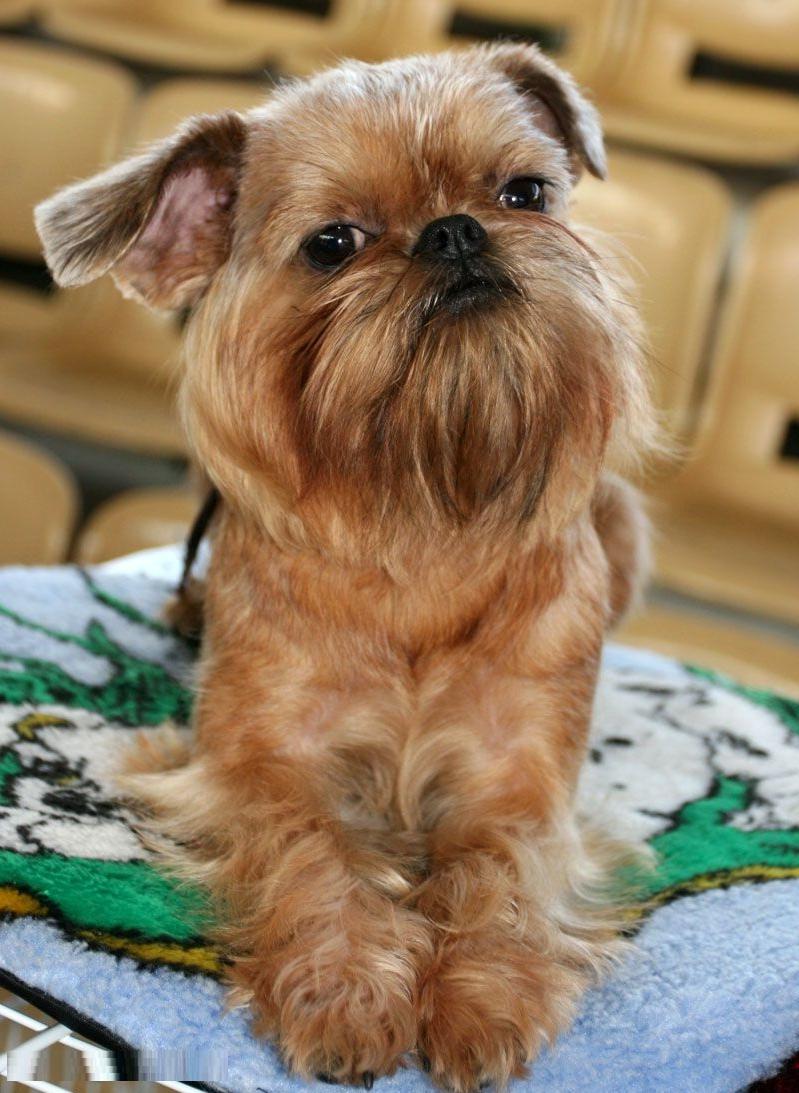
You might notice a Brussels Griffon and feel a little unsure what you are looking at. The face can be so expressive, the eyes so prominent, and the body so compact that it is easy to assume they are simply a quirky little lap dog with a funny look.
Live with one, though, and the details start to matter. How they breathe on a warm day, how easily their eyes get irritated, whether they cope with rough play, and how much grooming their particular coat needs all shape what “easy companion” actually means in daily life.
The Brussels Griffon can be a deeply engaging small dog, often happiest close to their people, but they also benefit from thoughtful handling and a bit of planning. Knowing what sits behind the breed’s look and history helps you make kinder, more practical choices at home.
Quick breed snapshot
Breed group: Toy
- Origin: Belgium
- Typical size: about 3.2 to 5 kg
- Coat: rough or smooth
- Common colours: red, black, black and tan
- Exercise needs: modest, often up to about 30 minutes a day, adjusted to the dog
- Typical lifespan: often 12+ years
- Best known for: compact build, prominent eyes, and an “almost human” expression
Breed standards and kennel club guides are descriptions of an ideal, not a promise that every dog will match every detail. They are still useful for understanding what the breed was shaped to look like, and what that can mean for health and comfort.1, 2
The Brussels Griffon, where they came from and what they were bred for
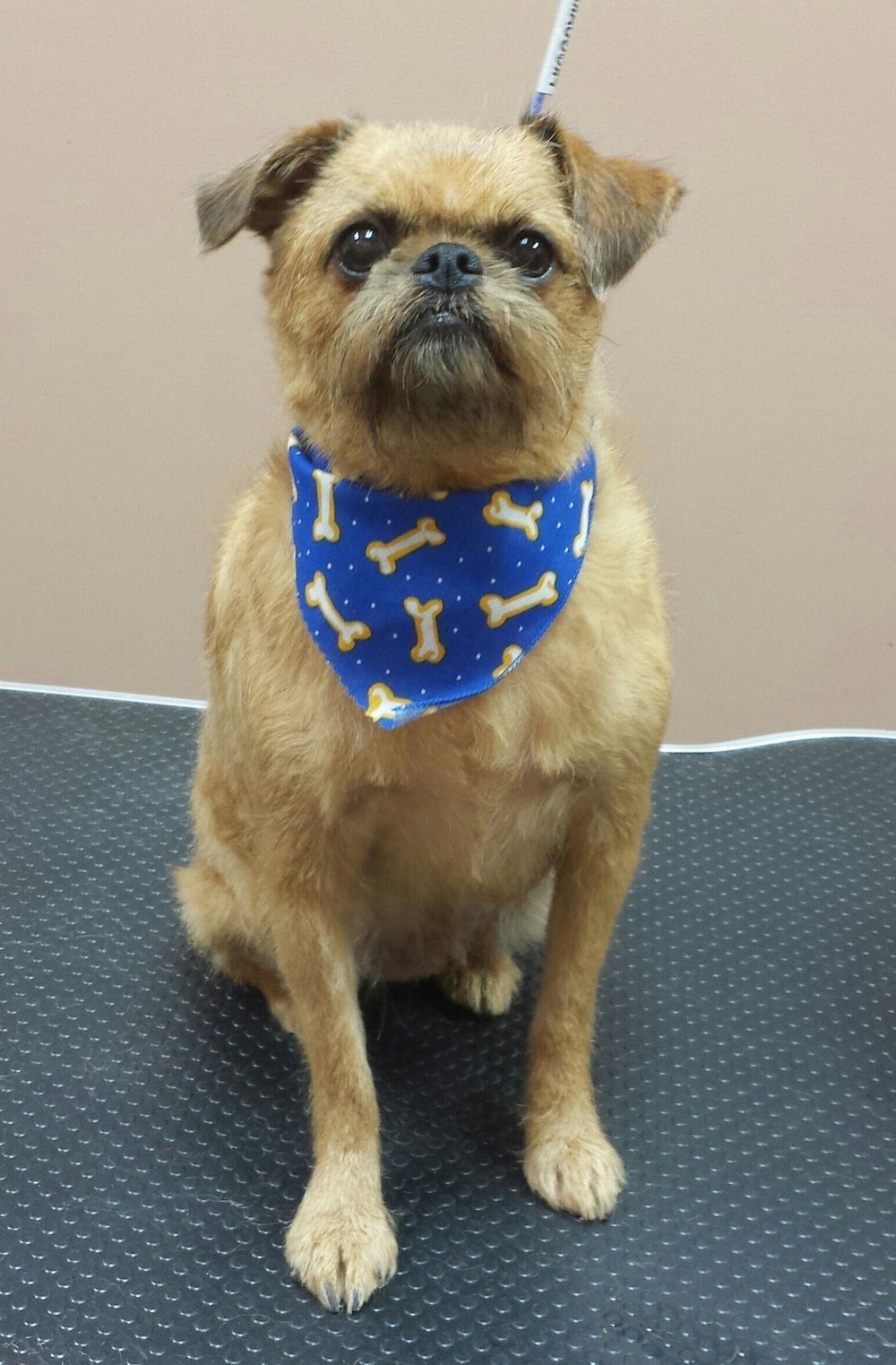
Brussels Griffons originated in Belgium and are closely linked with small stable dogs kept for their usefulness around horses and outbuildings. They are often described as having had a role in keeping down rodents, alongside being a watchful little presence in busy places.1
Over time, the Griffon became a companion dog as well as a working type. That shift is part of why the breed is so focused on people now. Many owners notice their dog prefers to be close, to watch what is going on, and to join in whenever something changes around the house.
It is also worth noting that modern Griffons sit under the broader “toy” umbrella, but they are not always delicate in attitude. A lot of them carry themselves like a much larger dog, which can be charming, and occasionally inconvenient, if you forget how small they actually are.
Temperament and what living with a Griffon can feel like
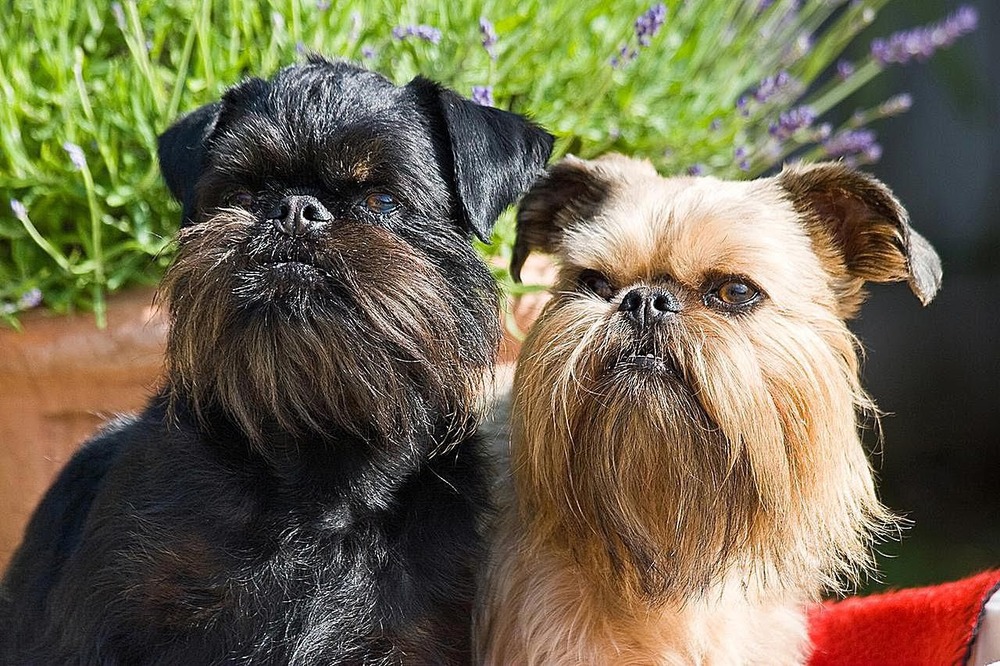
The Brussels Griffon is often described as bright, alert, and companionable. They tend to notice patterns quickly, which helps with training, but can also mean they pick up household routines fast, including the ones you would rather they did not learn.
Many Griffons are at their best with steady human company. If left alone for long stretches, some individuals can become noisy or unsettled, not out of spite, but because they were bred for closeness and involvement.
They can suit apartment living well, provided they still get daily outings and enough mental engagement to stop life shrinking down to the couch and the kitchen. Short walks, sniffing time, and simple food puzzles often go further than people expect.
Children and other pets
With children, the big consideration is less about friendliness and more about size. A Griffon can be tolerant and social, but they are small enough to be injured by accidental rough handling. Many families find they do best with older children who can manage gentle, predictable play.
With other pets, early introductions and calm management usually matter more than the breed label. Some Griffons are quite social, others prefer a bit of space, and most will benefit from being taught that attention can be shared.
Training and exercise, keeping it light but consistent
Griffons tend to respond best to reward-based training and short sessions that end before they lose interest. If you feel a stubborn streak, it is often more productive to make the task easier, then build up gradually, rather than repeating the cue and hoping it lands.
For exercise, many do well with up to around 30 minutes a day, broken into small walks and play. The Kennel Club’s breed guidance reflects this modest requirement, but it is always worth adjusting to the individual dog’s fitness, age, and breathing comfort.1
If your Griffon has a shorter muzzle, treat heat and hard exertion with extra care. Flat-faced dogs can struggle to cool themselves efficiently and may overheat more quickly than people expect, even in conditions that feel mild to us.4
Small practical habits that help
- Use a well-fitted harness for walking, especially if your dog coughs or pulls in a collar.
- Aim for calm greetings, as over-arousal can tip some dogs into noisy breathing.
- Choose cooler times of day in warm weather, and build in sniff breaks rather than fast, continuous walking.
Health considerations, what owners should watch for
Brussels Griffons are often long-lived for a small breed, but there are a few predictable pressure points that come up often enough to be worth understanding.
Brachycephalic breathing risks
Not every Brussels Griffon has severe breathing compromise, but the breed can fall within the broader “brachycephalic” category. In flat-faced dogs, narrowed nostrils and crowded soft tissues can obstruct airflow, reduce exercise tolerance, and increase heat risk. Noisy breathing is not something to dismiss as “normal for the breed” if your dog is struggling to recover after mild exertion.4, 5
If you see repeated gagging, collapse, blue-tinged gums, or your dog cannot settle their breathing after rest and cooling, treat that as urgent and contact a vet immediately.8
Eyes, teeth, and joints
The Griffon’s prominent eyes are part of their appeal, but also mean they can be more prone to eye injury and irritation. Redness, squinting, or rubbing at the face is worth checking promptly.7
Dental crowding is another common theme in small, short-muzzled dogs. Daily tooth brushing is one of the most effective home habits for reducing dental disease, alongside professional care as advised by your vet.9, 10
Orthopaedic issues can occur too, including patellar luxation (kneecap slipping) and, less commonly, hip concerns. If you notice skipping steps, stiffness, or reluctance to jump, it is worth a check rather than waiting for it to “settle”.7
Coat care and grooming, smooth versus rough
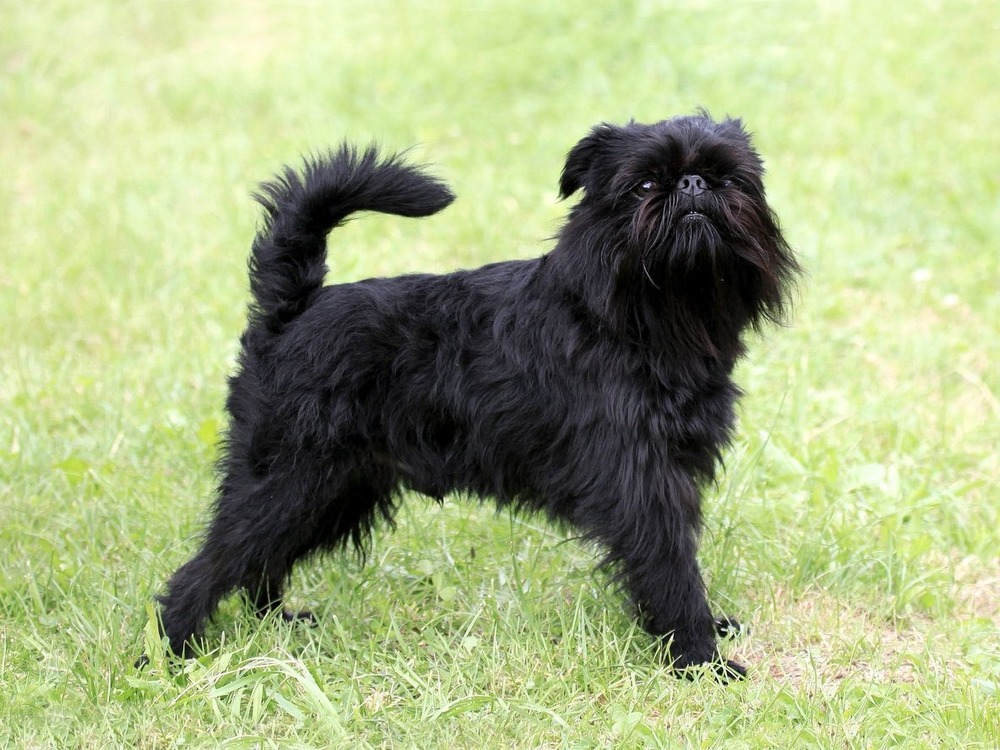
Brussels Griffons come in two coat types, rough and smooth, and grooming feels quite different depending on which you have. Breed standards describe both types clearly, which can help you understand what “normal” maintenance looks like.2
Smooth coats are generally easier for day-to-day care, with regular brushing to lift loose hair and keep the coat glossy. Rough coats usually need more frequent brushing to prevent tangles, and many owners choose occasional professional grooming.
If your rough-coated Griffon is being kept in a traditional “harsh” texture, ask a groomer about whether hand-stripping is appropriate for your dog. Not every pet owner wants or needs a show-style coat, but it helps to understand the options so you are not surprised by how the coat changes over time.
Feeding and weight, small dog habits that add up
Most Griffons do best on a high-quality diet suited to small breeds, with portions measured rather than guessed. Because they are compact, a little extra food can show up quickly on the body, and extra weight can make breathing and joint comfort more challenging.5
It often helps to think in terms of body condition rather than a number on the scales. Your vet can show you how to assess this, and adjust feeding with you over time.
Final thoughts

The Brussels Griffon suits people who enjoy a small dog with presence, one who notices everything and prefers to be included. They are often affectionate and funny to live with, but they also ask for thoughtful everyday care, especially around dental health, eyes, and heat management.
If you are choosing a puppy, spend time with the parents if you can, watch how they breathe at rest and after gentle play, and ask what health checks have been done. If you already share your life with a Griffon, small adjustments in routine can make a surprisingly big difference to comfort.
References
- The Kennel Club (UK): Griffon Bruxellois (breed information)
- The Kennel Club (UK): Griffon Bruxellois breed standard
- American Brussels Griffon Association: AKC breed standard (overview and links)
- RSPCA Australia Knowledgebase: What to know about brachycephalic dogs
- RSPCA Australia: The conversation about brachycephalic dog breeds
- RSPCA Australia: Airline measures and air travel risks for flat-faced pets
- PetMD: Brussels Griffon health and care
- Vets on Crown: Brachycephalic Airway Obstruction Syndrome (BAOS) guide for owners
- WSAVA: Global Dental Guidelines
- AAHA: Dental care guidelines, recommending home oral hygiene