

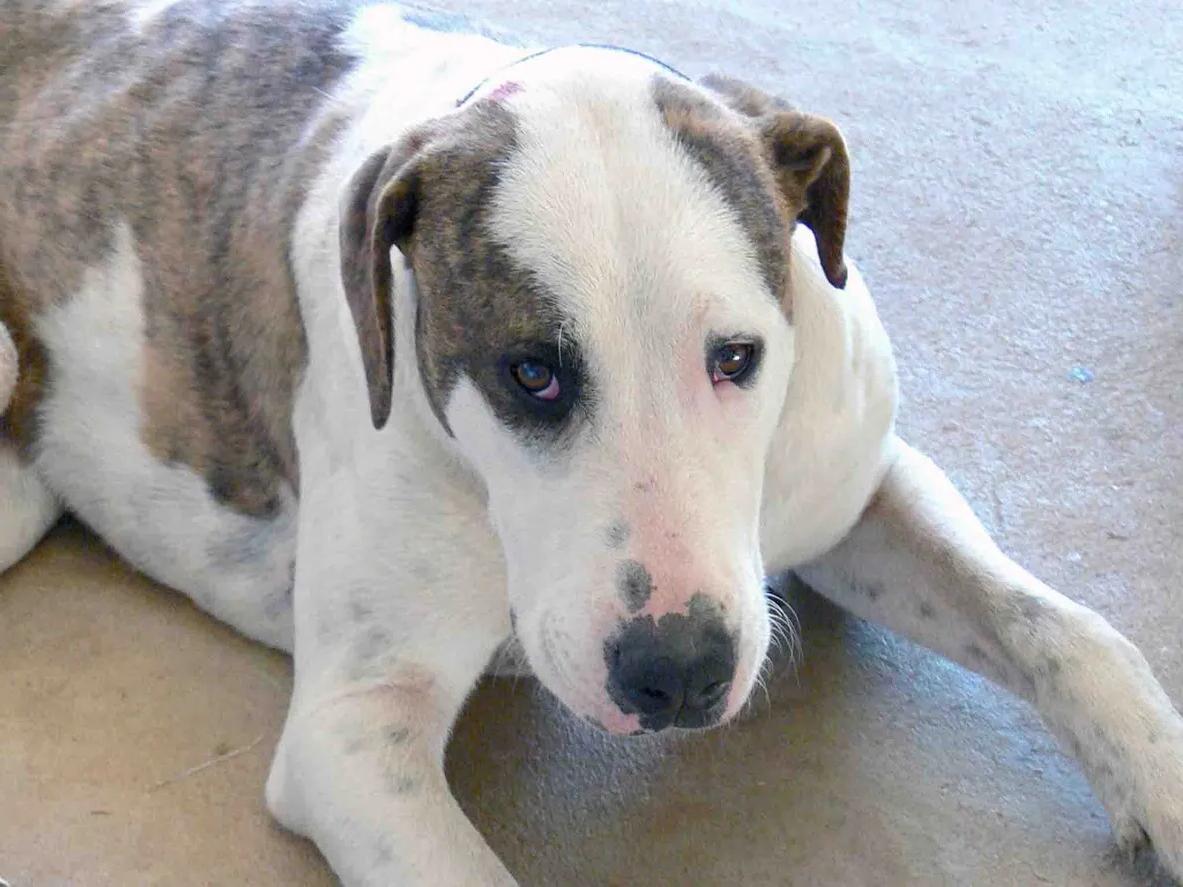
People usually come to the Bull Arab after meeting one in the real world. It might be a big, athletic white dog at a mate’s property, a rescued “bull breed cross” with a lot of go, or a dog someone mentions as a “pig dog”. The name can sound like a purebred, but in practice you will often see variation in looks and background, depending on the line and what the dog was bred for.
It is also easy to make quick assumptions about a dog built like this. Some people assume “tough dog” means difficult or unsafe, while others assume a working dog automatically “knows what to do” without much guidance. Most Bull Arabs fall somewhere in between, and what matters most is how they are raised, trained, and managed, plus whether their home actually fits their needs.
When the fit is right, these dogs can be steady, capable companions for experienced owners who enjoy training and daily activity. When the fit is wrong, the same strengths can become problems, such as frustration, chasing behaviour, or boundary testing. Understanding where the Bull Arab came from helps make sense of what you might be living with.
- Breed category: Working dog (type)
- Country of origin: Australia
- Typical height: Males 63 to 69 cm, females 61 to 66 cm
- Typical weight: Males 32 to 42 kg, females 30 to 40 kg
- Typical lifespan: Around 12 to 15 years
- Coat: Short and smooth
- Colours: Often white with patches (black, tan, brindle, liver)
- Grooming: Low, occasional brushing
- Exercise needs: High, daily activity and mental work
The Bull Arab, how the “pig dog” reputation began
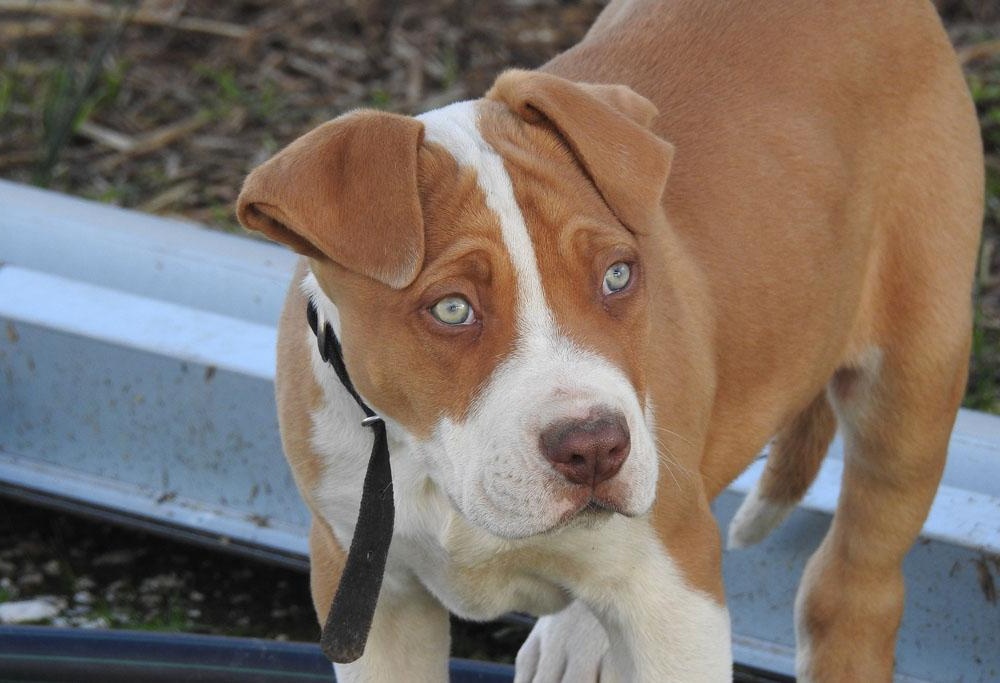
The Bull Arab is widely described as an Australian dog developed in the 1970s for hunting feral pigs, with early breeding commonly reported as Bull Terrier crossed with Greyhound and German Shorthaired Pointer.1 That mix makes practical sense: strength and determination, speed and agility, and scenting and track work.
It also helps to understand why feral pigs have been such a big focus in rural Australia. They cause serious damage to waterways and habitat, impact farms and infrastructure, and can carry and spread disease, which is why coordinated control programs exist across states and territories.2, 3
In some lines, other breeds have been added over time to suit different terrain and preferences, which is one reason you may see Bull Arabs with slightly different proportions and working style.1 If you are adopting rather than buying from a known working line, it is worth treating “Bull Arab” as a type, then meeting the dog in front of you.
What a Bull Arab looks like in everyday life
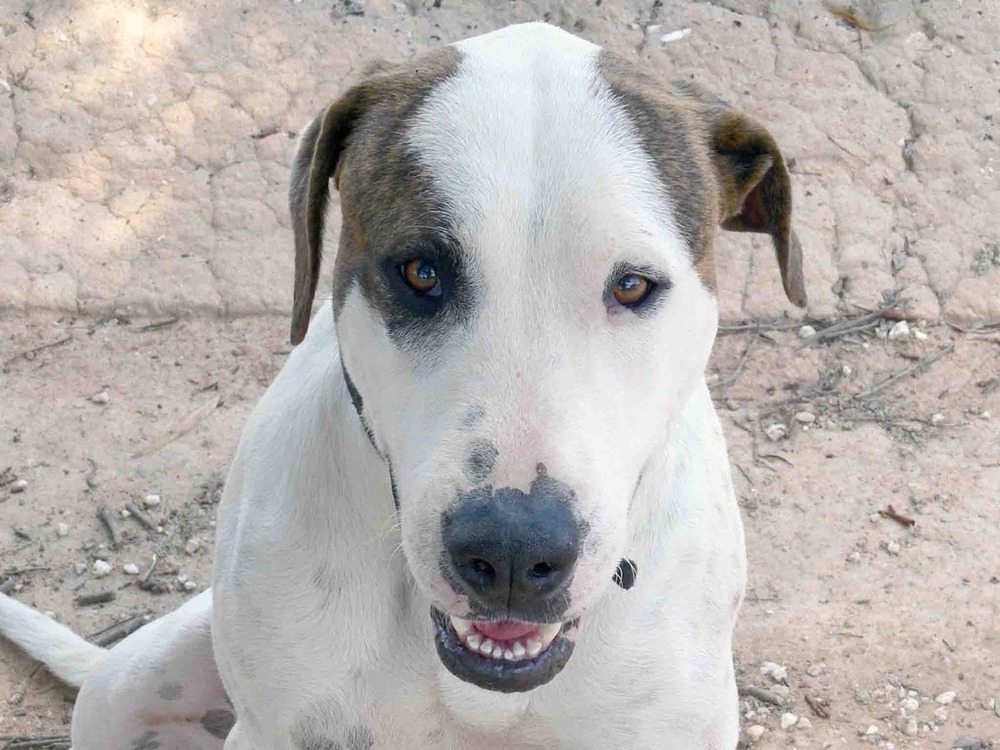
Bull Arabs are typically medium to large, athletic dogs with a short coat. Many are predominantly white with darker patches, and most have a straightforward, no-fuss coat that suits Australian conditions, while still needing shade, water, and sensible exercise planning in heat.
You will often notice a combination of reach and power: a dog that can cover ground easily, then brace and hold. Even as a companion animal, that physical ability matters. It affects leash handling, containment, and what “enough exercise” actually means for the individual dog.
It is common for owners to describe them as low drool and moderate shedders, but those details vary. What is consistent is that a bored Bull Arab tends to become a “self-employed” dog, such as patrolling fences, digging, or rehearsing chase behaviour.
Temperament, loyalty, and the role of prey drive
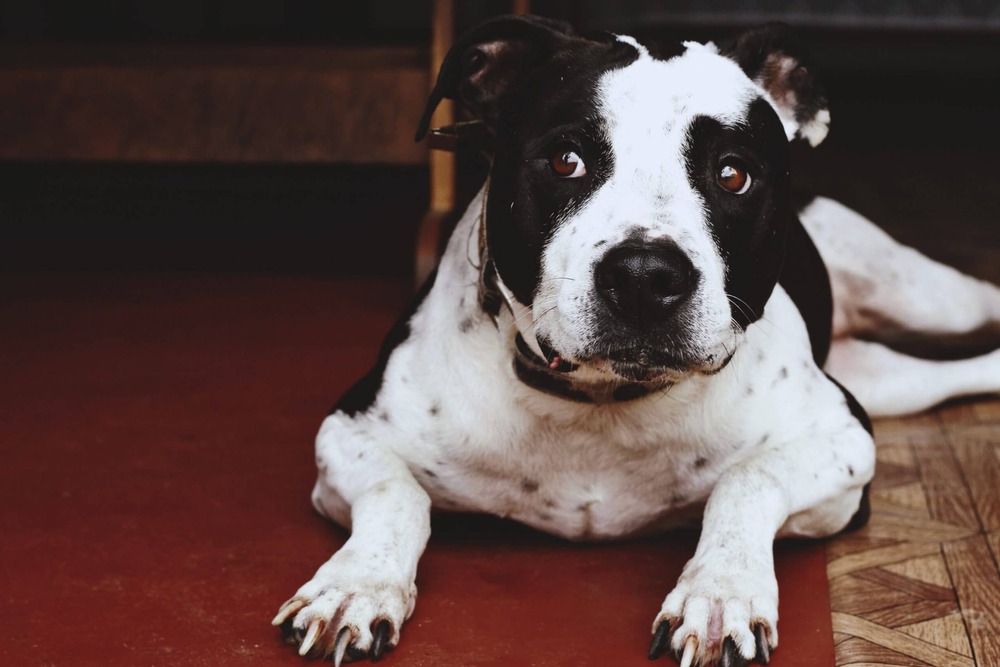
Many Bull Arabs are people-focused with their own family and can be affectionate, but it is best to avoid assuming this will automatically generalise to other dogs, visitors, or unfamiliar animals. Temperament sits at the intersection of genetics, early learning, daily management, and stress levels.
Because the breed type is associated with hunting and holding, some individuals show a stronger tendency to chase, grab, and persist. This does not mean a dog is “bad”, but it does mean you may need clear boundaries and rehearsed skills around movement triggers, wildlife, and small pets.
If you have cats, poultry, or pocket pets, take introductions slowly and realistically. Management might include physical separation, secure runs, and training plans that build calm behaviour around temptation. For some dogs, it is simply safer to keep certain animals apart.
Training that suits a strong, fast dog
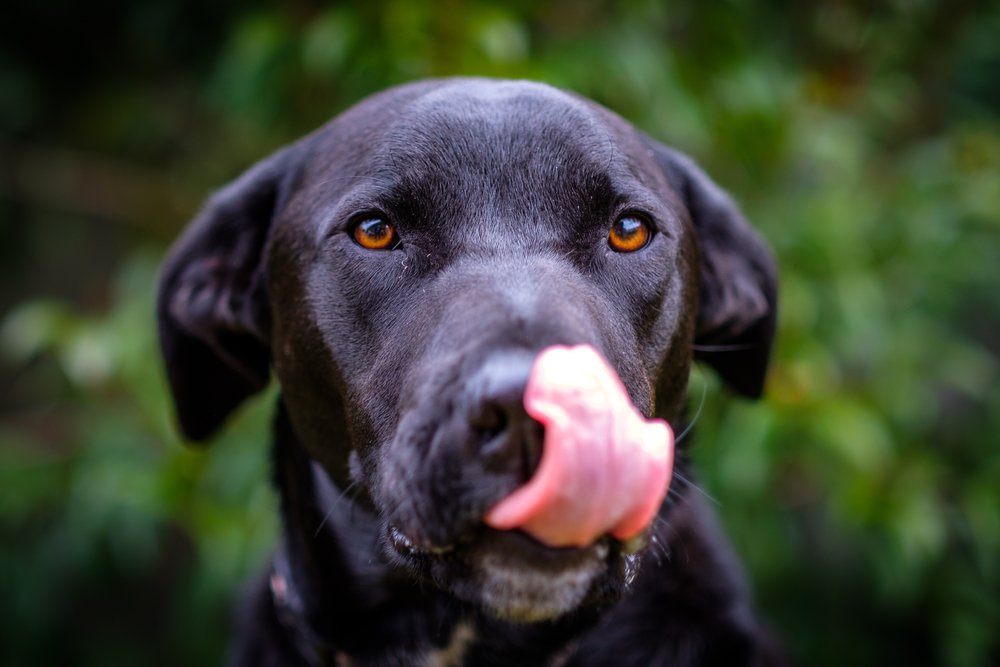
Bull Arabs often learn quickly, but they do not usually thrive on harsh handling or “dominance” ideas. Reward-based training is widely recommended by animal welfare organisations because it teaches skills without adding fear or conflict, and it tends to strengthen the dog-handler relationship over time.6, 7
Early socialisation matters, not as forced meet-and-greets, but as thoughtful exposure to the world that helps a young dog build stable responses. Many Australian guidance materials describe the key puppy socialisation window as roughly 3 to 17 weeks, which is early enough that planning is essential.8
If you only teach one thing well, make it a reliable recall and a calm lead routine. For a fast dog with a strong chasing instinct, those skills are not “nice extras”. They are part of everyday safety.
- Keep sessions short, especially with young dogs, then repeat often.
- Use food, toys, and access to sniffing as rewards, not just praise.
- Practise calm behaviours (mat work, waiting at gates, settling after play).
- Build distance and difficulty gradually, especially around wildlife and running children.
Exercise and enrichment, what “high energy” really needs
People often hear “high energy” and think in kilometres. For many Bull Arabs, the bigger need is a mix of movement and problem solving: sniffing games, structured tug, obedience foundations, and controlled off-lead time in safe areas. A dog that can sprint and wrestle will still struggle if their brain is underworked.
Try to plan for two layers each day: physical exercise (walking, running, hiking, flirt pole used safely) and mental work (training, scent games, food puzzles). If you skip one layer for long stretches, you may see more impulsive behaviour.
Because these dogs can be powerful and quick, choose equipment that keeps everyone safe. A sturdy harness or well-fitted collar, a strong lead, and a secure yard are practical essentials, not luxury items.
Health considerations and what to watch for
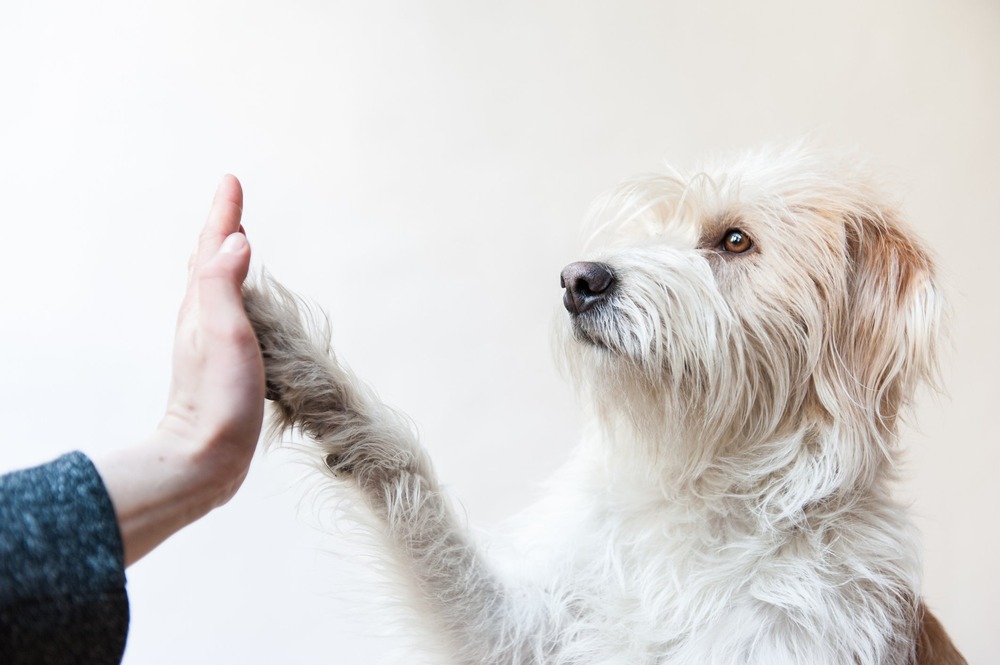
As a larger, athletic dog type, Bull Arabs can be affected by joint issues. Hip dysplasia, for example, is a developmental condition linked to joint laxity that can contribute to pain and arthritis over time, with risk influenced by genetics and growth patterns.9
In day-to-day life, the signs that deserve a vet check are often subtle at first: stiffness after rest, reluctance to jump, bunny-hopping at a run, changes in muscle across the hindquarters, or a dog who “slows down” earlier than you would expect.
Deafness is also sometimes discussed with predominantly white dogs, and if you suspect hearing issues, a vet can guide you on assessment and training adjustments. Even without a formal test, many dogs do well with clear hand signals and consistent routines.
Grooming, coat care, and the practical bits
The short coat is usually easy to manage. A weekly brush (or a grooming mitt) helps lift dead hair, spreads oils, and gives you a chance to check skin, paws, and ears. It is also a good time to notice early problems, such as grass seeds, ticks, or small cuts.
Nails and teeth are the unglamorous part that matter. Overlong nails change gait and can add strain, and dental disease is common across breeds. If home brushing is new to you, ask your vet or a reputable trainer to help you build a calm routine.
Feeding for a lean, strong body

Feeding a Bull Arab well is mostly about consistency and monitoring. Choose a complete and balanced diet, then adjust portions to keep your dog lean, athletic, and comfortable in their joints. Veterinary groups emphasise that nutrition should be tailored to the individual, and that weight and body condition are key parts of long-term health planning.10
If your dog is doing heavy work, such as long runs or working days on a property, talk to your vet about energy needs and meal timing. For many active dogs, splitting food into two meals helps with digestion and steadier energy.
Be cautious with dramatic diet changes or internet-fed rules about ingredients. If you want to change foods, transition slowly over several days and watch stools, skin, and energy.
Living in Australia, rural realities and baiting risk
If you live or travel in rural areas, it is worth being aware that pest control programs can involve toxins such as 1080. Official guidance for pet owners stresses that domestic dogs can be at risk if they access baits or scavenge on carcasses, and it recommends practical precautions such as confinement, restraint, and paying attention to local baiting notifications and signage.4, 5
This matters for Bull Arabs in particular because many are naturally interested in scent trails and carcasses. The safest approach is to assume your dog will investigate if given the chance, then manage accordingly with leads, fences, and supervision.
Final thoughts on choosing a Bull Arab
A Bull Arab can be a brilliant dog for the right person. They tend to suit owners who enjoy training, have the time for daily exercise, and can provide secure containment and calm structure. They are usually not the easiest “set and forget” dog, and they rarely thrive when their world is small or unpredictable.
If you are considering one, spend time with adult dogs, ask direct questions about prey drive and dog-to-dog behaviour, and be honest about your own routines. With thoughtful training and a realistic setup, many Bull Arabs settle into family life well, while still carrying the athleticism and working focus they were developed for.
References
- Bull Arab (Wikipedia)
- Feral pigs (Australian Government, Department of Climate Change, Energy, the Environment and Water)
- Feral pig impacts and management (Northern Territory Government)
- 1080 baiting information for pet owners (DPIRD Western Australia factsheet)
- Baiting notifications and how to minimise risk to pets (Agriculture Victoria)
- Reward-based training overview (RSPCA ACT)
- The do’s and don’ts of training your dog (RSPCA Australia)
- Responsible dog ownership, including puppy socialisation window (Queensland Government)
- Canine Hip Dysplasia (American College of Veterinary Surgeons)
- WSAVA Global Nutrition Guidelines (World Small Animal Veterinary Association)