

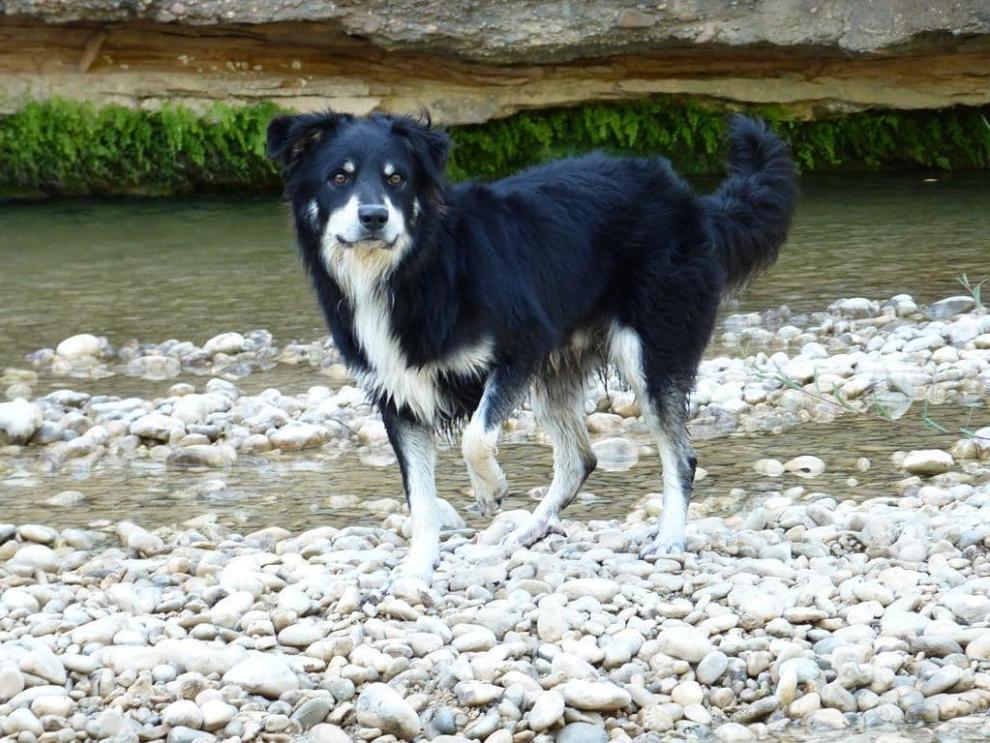
People usually come across the Can de Chira after seeing a photo online, hearing the name in a breed list, or meeting a dog that looks like a familiar working type but does not quite fit the usual labels. It can feel like a “missing” breed, especially because the name is used in different ways in different places, and not every source agrees on what a Can de Chira looks like.
That confusion is worth taking seriously. The real Can de Chira is a traditional herding dog from the Alto Aragon region of Spain, not a Canary Islands breed. Once you place it in its proper context, a lot of the breed’s traits make more sense: a dog shaped by open country, stock work, long days outside, and handlers who needed practical reliability over polish.1, 2
If you are considering one, or simply trying to understand what you have met, it helps to think less in terms of “rare and exotic” and more in terms of what it means to live with a dog that was built for decision-making, movement, and purposeful work.
History and origin (and why the name gets muddled)
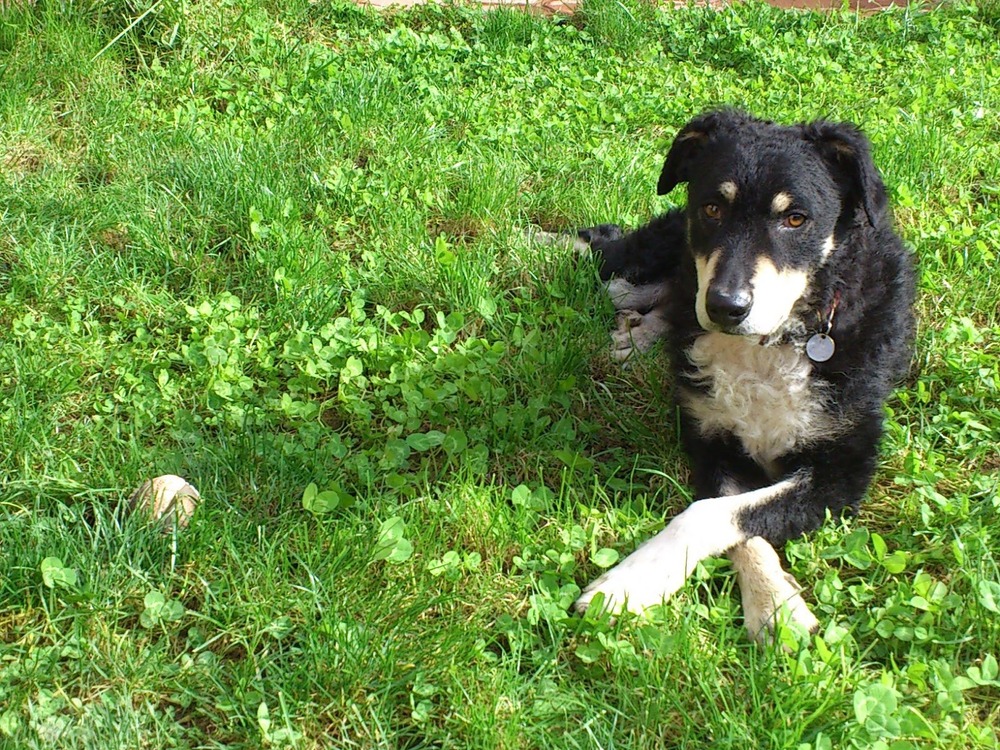
The Can de Chira, also known as the Perro pastor altoaragonés, is associated with the mountainous Alto Aragon area in north-eastern Spain. In that setting, “pastor” is not a decorative label. It points to a dog used to move and manage livestock, often across challenging ground and changing weather.1, 2
Many general breed summaries describe it as uncommon, and it is not recognised by the FCI. That does not automatically mean a breed is “not real”, but it does mean the population is small and documentation is thinner than it is for internationally standardised breeds.1
If you have previously seen the Can de Chira linked with the Canary Islands, you are not alone. Breed names can be repeated, mistranslated, or applied loosely, especially when a dog is rare outside its home region. When you are researching, it is worth prioritising sources tied to Spanish breed clubs and historical regional descriptions, rather than recycled summaries.2
Physical characteristics (what to expect, and what varies)
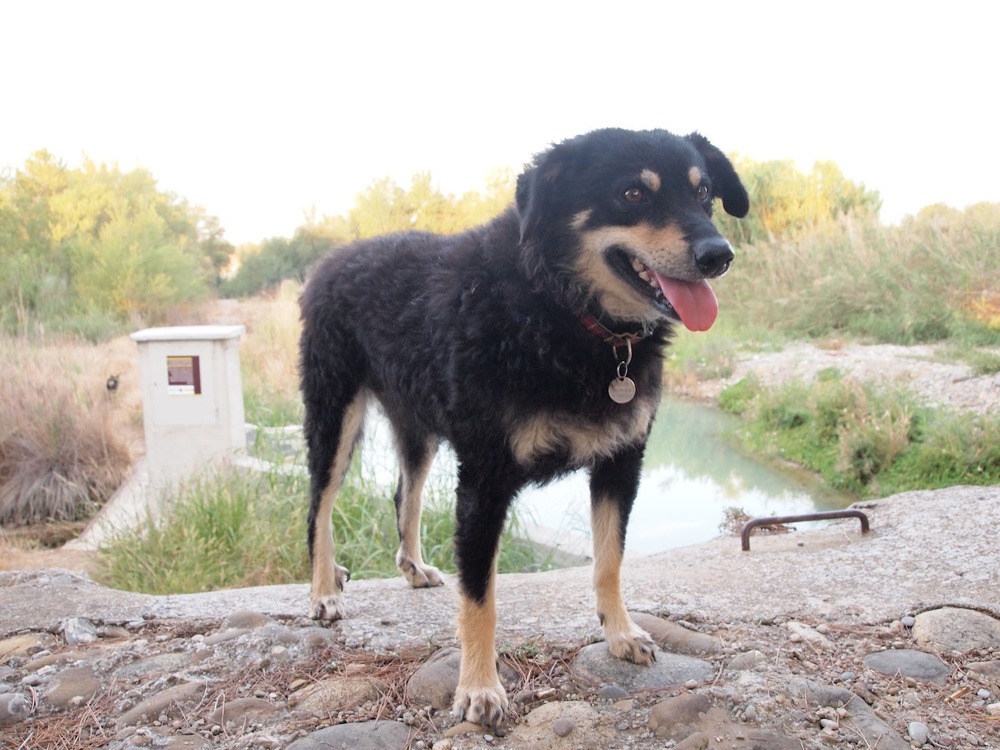
Descriptions of the Can de Chira generally place it in the medium-sized working-dog range, with males typically taller and heavier than females. Expect a dog that looks built for movement rather than for bulk: balanced, agile, and able to change direction quickly when working stock.2
Coat and colour can be a point of confusion. Some sources describe black with white markings, while other informal descriptions mention a broader range. With small populations and mixed local lines over time, you may see variation, especially outside carefully managed breeding programs. If you are assessing a particular dog, it is more useful to look at structure, soundness, and temperament than to fixate on a single “correct” colour.
Temperament and behaviour in everyday life
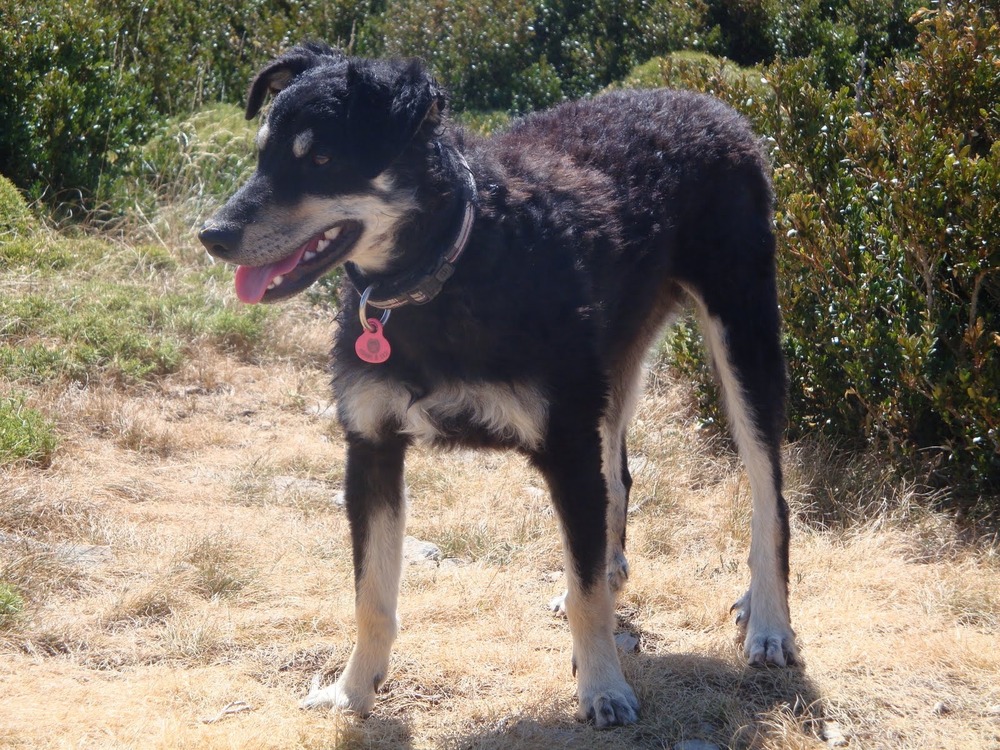
Well-bred herding dogs often have a particular flavour of attentiveness. They notice patterns, they track movement, and they tend to stay interested in their people. With the Can de Chira, expect quick learning and active observation, which can be a joy when you enjoy training, and a challenge when life is inconsistent or under-stimulating.2
“Loyal” is a word people use a lot, sometimes too loosely. In practice, what many owners experience is a dog that prefers proximity, forms strong routines, and can be cautious with unfamiliar people if introductions are rushed. That is not “good” or “bad”, it is a trait that needs shaping.
With children and other animals, outcomes hinge on management and early experiences. A dog with herding instincts may be drawn to fast movement and noise, which is why supervised interactions and calm, structured introductions matter, especially in the early months.
Training and exercise needs (working-dog realism)
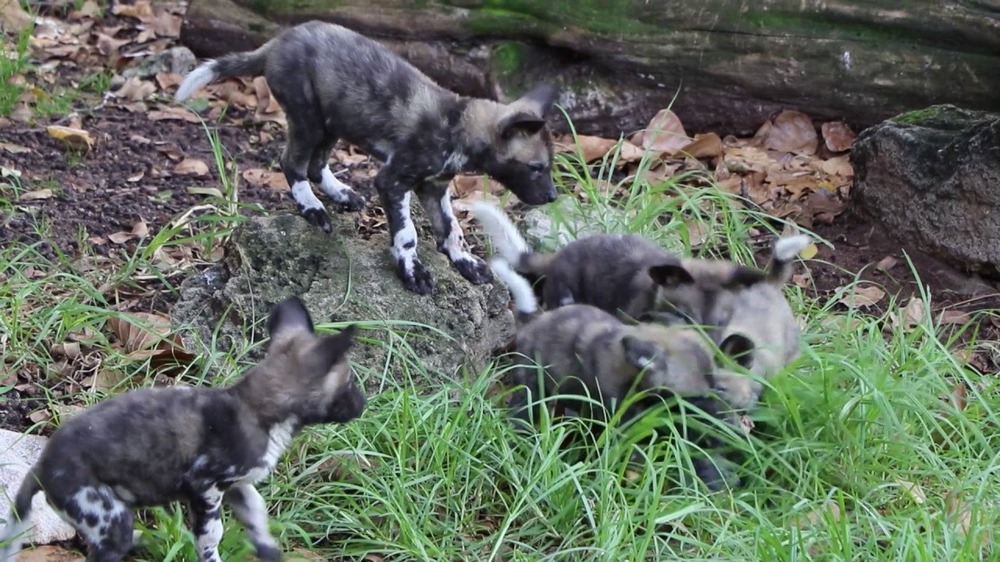
Training goes best when it starts early, stays consistent, and avoids harshness. Reward-based methods are widely recommended for building reliable behaviour without unnecessary conflict, and they suit bright, sensitive working types particularly well.3, 4
Socialisation is often misunderstood as “meet everyone and every dog”. A better aim is controlled, positive exposure to the real world, at a pace the puppy can handle. The RSPCA describes a critical socialisation period broadly between about 3 or 4 weeks and 16 or 17 weeks, which is why thoughtful early experiences can have an outsized effect later on.3, 4
For exercise, think beyond a single long walk. Many herding breeds cope best with a blend of:
- steady daily movement (walks, hiking, jogging if appropriate for age and joints)
- training sessions that require focus and self-control
- enrichment that uses the brain (search games, puzzle feeders, scent work)
A bored, under-worked dog does not become “naughty” out of spite. It typically becomes creative, restless, and much more likely to practise behaviours you would rather not live with.
Health and lifespan
There is not a large body of breed-specific health data publicly available for the Can de Chira, which is common for rare and regionally kept dogs. That makes individual assessment and responsible breeding practices particularly important.
As with many medium working dogs, joint health and overall conditioning matter. Keeping your dog lean is one of the most practical, evidence-aligned ways to support long-term comfort and mobility, and it is also central to broader disease prevention. The WSAVA Global Nutrition Guidelines provide useful tools for body condition scoring and nutrition conversations with your vet team.5
For preventative care, aim for the basics done well: regular veterinary checks, appropriate parasite control for your area, vaccination advice tailored to lifestyle, and a plan for dental care that your dog can tolerate.
Grooming and maintenance
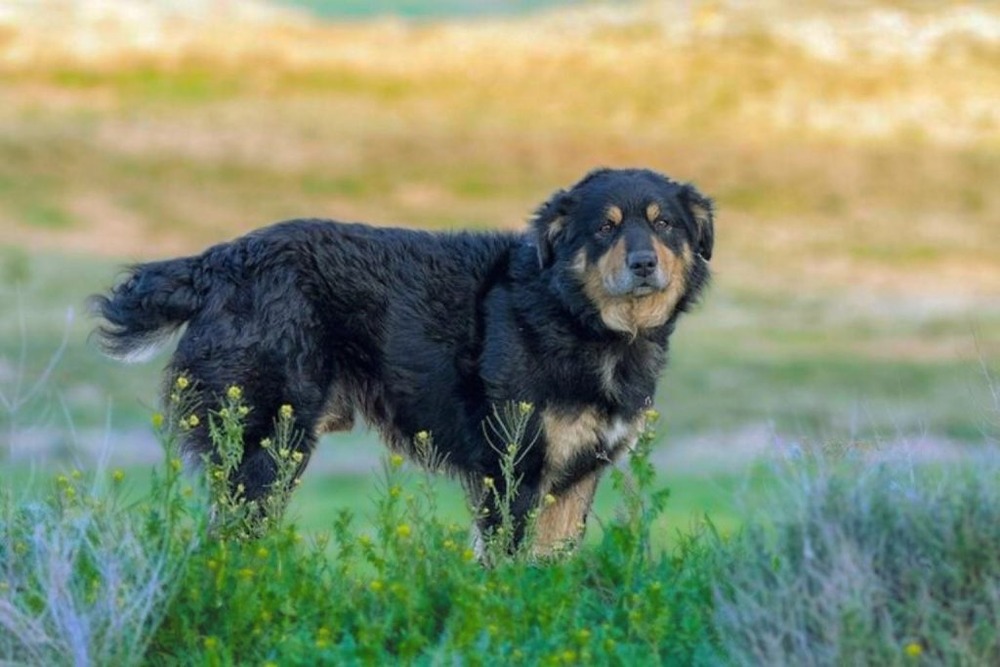
Most working-type coats are designed to be practical. Even so, simple grooming habits help you spot issues early. A weekly brush and a quick hands-on check for burrs, skin irritation, or new lumps can save trouble later.
Dental care is often where good intentions fall over. If you can, build tolerance gradually and keep it low-pressure. Guidance from animal welfare organisations emphasises starting gently and making brushing a normal, brief routine. If brushing is not possible, ask your vet about safer alternatives such as dental diets or approved chews, and do not force it if it escalates stress.6
Diet and nutrition (keeping it simple and defensible)
Feeding advice online can become strangely ideological. In day-to-day practice, most dogs do best on a complete, balanced diet that suits their life stage, workload, and health status, with portions adjusted to keep a healthy body condition.
The WSAVA nutrition resources are a helpful compass here, particularly their emphasis on nutrition assessment and the limits of judging a food purely by its ingredient list. If you are changing diets, do it gradually and involve your vet if your dog has any medical issues or persistent stomach upsets.5
It is also worth being clear about safety. Some human foods can cause serious harm, including grapes and raisins, chocolate, and alliums such as onion and garlic. If you are not sure whether something is safe, do not “test and see”. Check a reputable list or call your vet.7
Rarity, responsible sourcing, and what to look for
Because the Can de Chira is not common outside its home region, you may see dogs advertised under the name with little documentation. If you are pursuing this breed, take your time. Ask about parent temperament, health screening, early rearing environment, and where the breeder expects puppies to fit.
Good signs tend to look ordinary rather than flashy: clear records, realistic promises, careful matching of pups to homes, and willingness to say no. Be cautious of vague claims about extreme rarity, secret bloodlines, or guaranteed behaviour traits in adult life.
Final thoughts
The Can de Chira makes more sense when you see it as a regional working partner, shaped by stock work and landscape, rather than as a novelty. For the right home, that can mean an unusually engaged, responsive dog with a strong capacity for learning.
For many households, the deciding factor is not admiration for the breed’s history, but the everyday reality of meeting exercise, training, and management needs with calm consistency. When those pieces are in place, working breeds often settle more comfortably than people expect.
References
- Wikipedia: Can de Chira
- Real Sociedad Canina de España (RSCE): Can de Chira
- RSPCA Australia: Socialising your puppy
- RSPCA Knowledgebase: Is socialising my puppy important?
- WSAVA: Global Nutrition Guidelines
- FOUR PAWS Australia: Dental care for dogs and cats
- ASPCA: People foods to avoid feeding your pets