

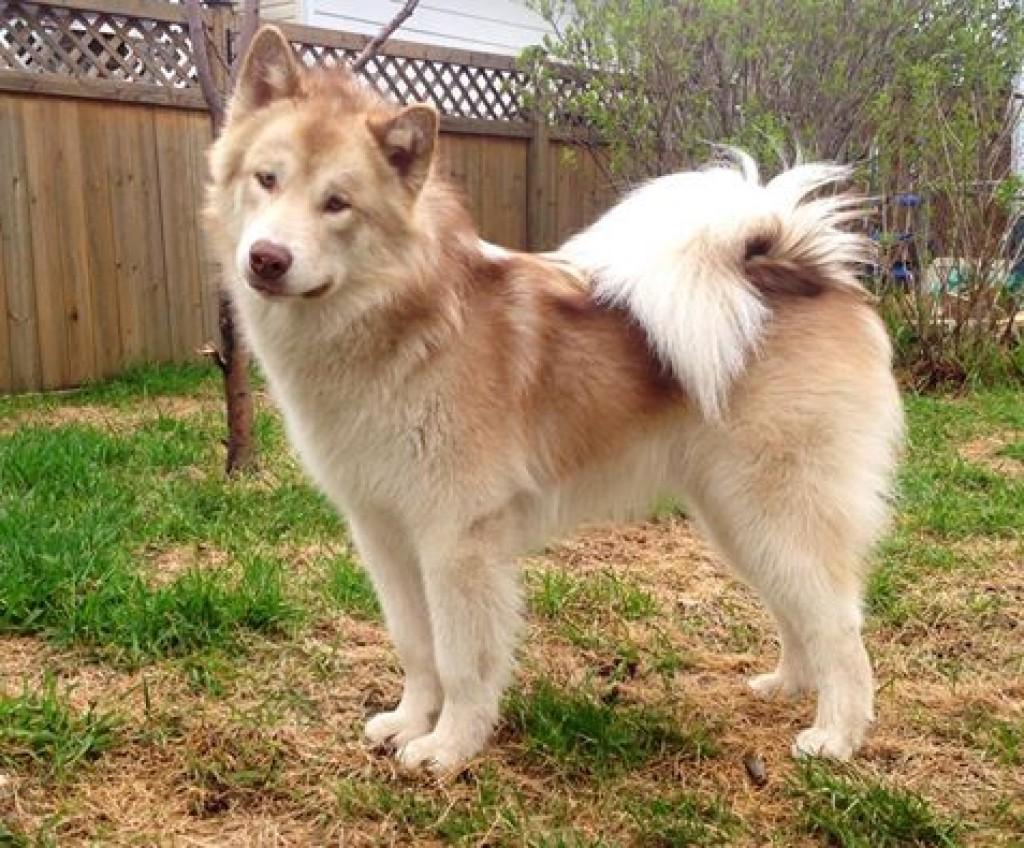
- Breed category: Working dog
- Country of origin: Canada
- Average height: Males 58 to 70 cm, females 50 to 60 cm
- Average weight: Males 30 to 43 kg, females 18 to 30 kg
- Average life span: 10 to 15 years
- Grooming requirements: Moderate, regular brushing needed
- Exercise requirements: High, needs daily vigorous exercise
- Coat type: Thick double coat
- Coat colour variations: White, black, grey, red, sable (and combinations)
- Shedding level: High, especially during seasonal coat blow
- Ear type: Erect, triangular
- Tail type: Bushy, carried over the back
- Temperament: Loyal, intelligent, energetic, independent
- Training ease: Moderate, often best with an experienced handler
- Common health issues: Orthopaedic problems including hip dysplasia, arthritis
- Weather tolerance: Built for cold, can struggle in heat
People usually find the Canadian Eskimo Dog after noticing a photo that looks a bit wolfish, or after hearing the name Qimmiq and wondering what, exactly, it refers to. Sometimes it comes up in conversations about sled dogs, or in a quieter, more sobering context, as one of the rare northern breeds that nearly disappeared.
It is easy to assume a sled dog is just a husky in a different coat. The Canadian Eskimo Dog is a more specific thing: a tough, traditional working dog shaped by Arctic life, with a temperament and set of needs that do not always fit neatly into modern suburban routines.1, 2
When people do live well with this breed, it is usually because they respect what the dog was made for: daily movement, purposeful work, steady handling, and careful management in warm weather. Those practical details matter more than the romance of the history.
Early development and cultural significance
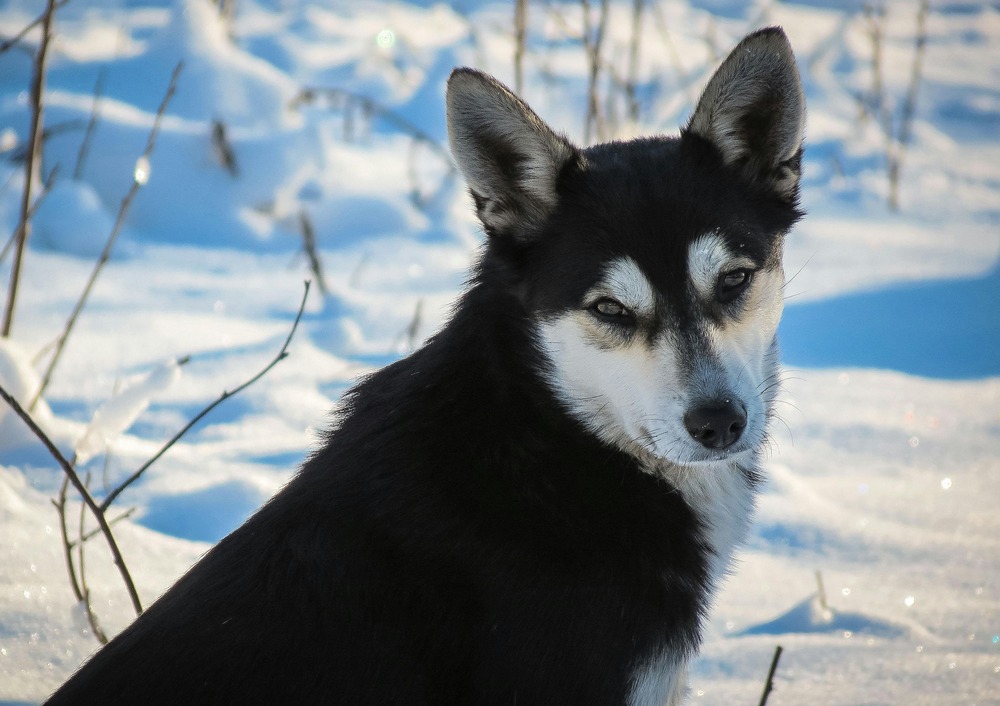
The Canadian Eskimo Dog is also known as the Canadian Inuit Dog, and the Inuktitut name Qimmiq is commonly used when talking about the breed’s deep connections to Inuit life in the Canadian Arctic.1, 2
For generations, these dogs were selected for traits that supported survival: endurance in harsh cold, the ability to pull heavy loads, and the robustness to live and work in conditions that would overwhelm many other dogs.2
The shift from dog teams to mechanised transport contributed to dramatic population declines. Modern conservation and breeding efforts exist because, for a time, the breed’s future looked genuinely uncertain.2, 3
What they look like, and what that build is for

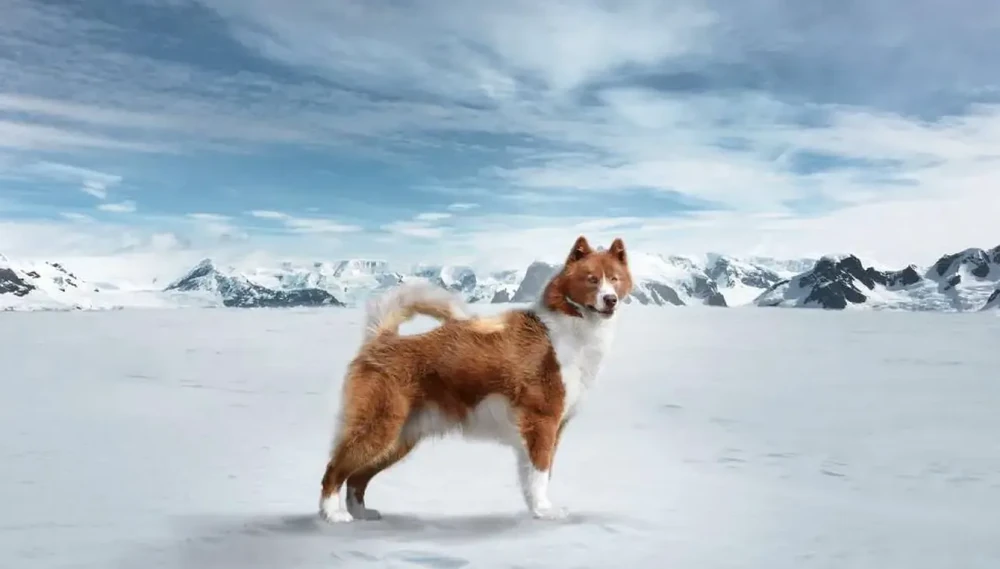
This is a spitz-type sled dog: erect triangular ears, a heavily furred tail carried over the back, and a substantial double coat designed for insulation and weather protection.4
Size can vary, but they are generally medium to large, powerfully built, and more about sustained work than sprinting. When you see a Canadian Eskimo Dog that looks “solid”, that is the point. The body is shaped for pulling and travelling, not for ornamental pet life.2, 4
That same coat and compact strength that suits them to sub-zero conditions can become a challenge in warmer climates. If you live somewhere that gets hot or humid, heat management is not optional, it is part of responsible ownership.2, 5
Temperament, social life, and the reality of “independent”
Breed descriptions often use words like intelligent, loyal, and independent. In practice, “independent” can look like a dog that thinks for itself, notices everything, and does not automatically accept direction just because a person asked.2
Many do best with an adult household, or with families who can supervise closely and teach children how to interact calmly. This is not because the breed is “bad with kids”, but because big, energetic working dogs can accidentally overwhelm small people during play.2
With other animals, outcomes vary. Early socialisation helps, but it is not a guarantee. What matters most is realistic management: safe introductions, controlled environments, and a willingness to step in before excitement escalates into chasing or rough behaviour.
Training and daily exercise that actually suits the breed
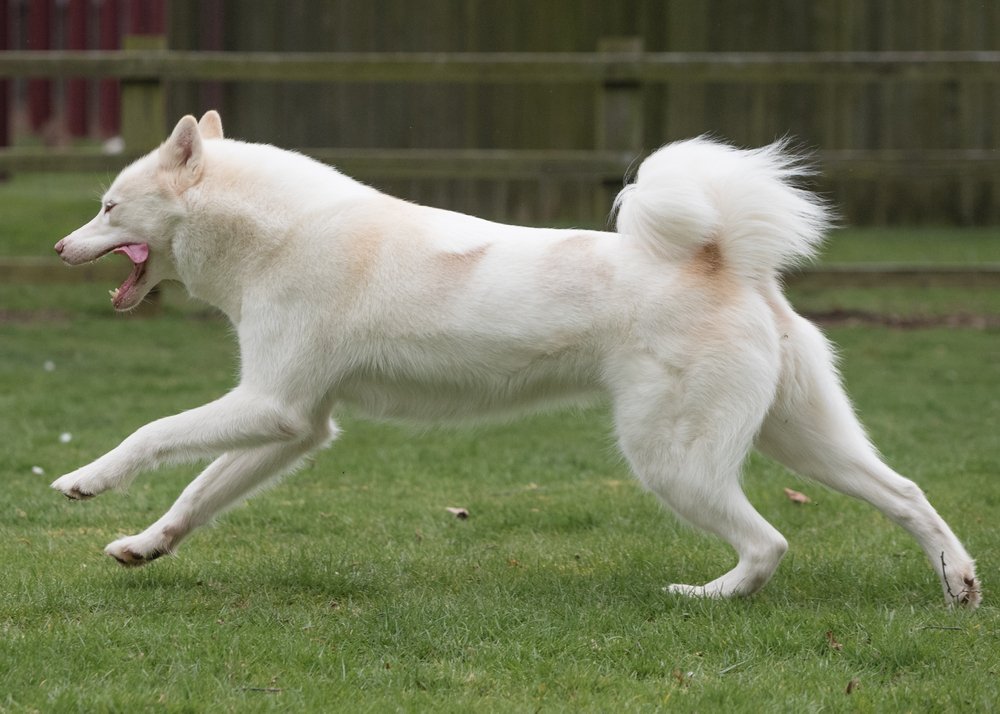
These dogs were bred to work in harness for long periods, and the Canadian Kennel Club notes their need for plenty of outdoor exercise. For many owners, the challenge is not teaching “sit”, it is meeting the dog’s need for sustained, meaningful activity day after day.2
Training tends to go best when it is consistent and reward-based, with clear boundaries and plenty of repetition in real-life settings. Short sessions can work well, but the bigger picture is lifestyle: a dog like this needs routine, outlets, and guidance that does not change depending on the day.2
If you are choosing activities, think beyond a quick stroll. Many enjoy:
- Long, steady walks or hikes in cool weather
- Structured pulling sports (where legal and safe), or controlled dragging exercises designed by a trainer
- Problem-solving games and food enrichment that slows the brain down
A useful rule of thumb is that exercise should leave the dog relaxed, not simply exhausted. Over-arousal can look like “more energy”, when it is really a dog that has not learned to come down.
Health considerations and preventive care
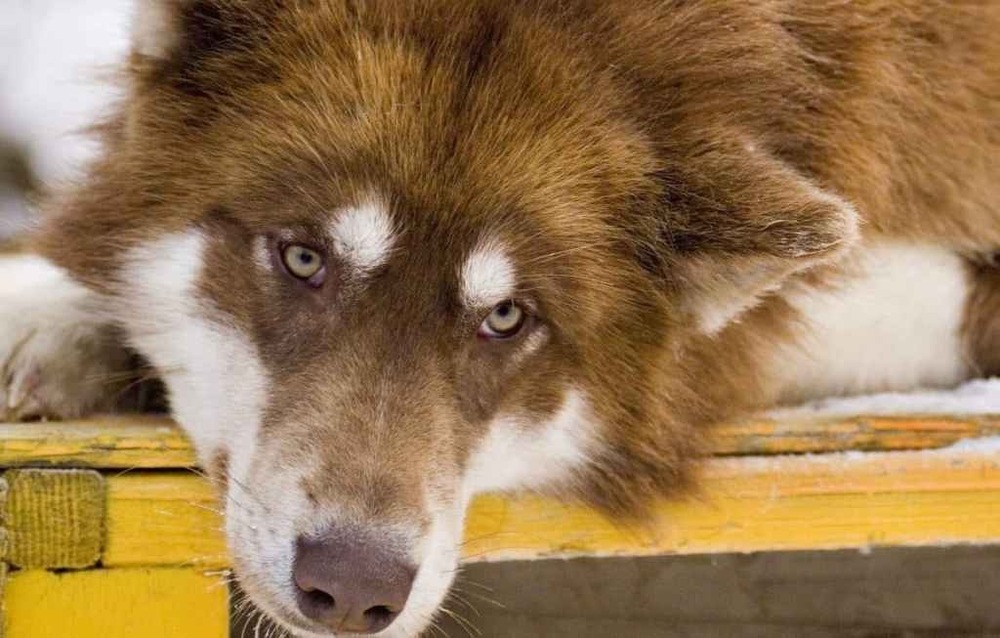
Canadian Eskimo Dogs are often described as hardy, but that does not mean indestructible. Like many medium to large working breeds, orthopaedic issues can be a concern, including hip dysplasia and arthritis. Choosing responsible breeders, keeping the dog lean, and building fitness gradually all help reduce strain on joints.6
Lifespan is commonly given as around 10 to 15 years. The basics make a bigger difference than people expect: a healthy body condition, appropriate exercise, and regular veterinary checks to catch problems early.2
If you are trying to keep your dog at a healthy weight, using a body condition scoring chart can be more reliable than guessing by kilograms alone, especially in a thick-coated breed where “fluffy” can hide extra fat.6
Coat care, shedding, and living with fur in your house
The double coat needs regular brushing, not just for tidiness, but to prevent matting and to keep skin healthy. Most weeks, a thorough brush a few times is enough. During seasonal shedding, many owners find that daily brushing is the only way to stay on top of it.
Bathing can be occasional rather than frequent, since overwashing can strip oils and irritate the skin. What usually matters more is good technique: line brushing down to the undercoat, checking friction spots (behind ears, armpits, groin), and making grooming calm and predictable.
A common misconception is that shaving a double-coated dog is a good way to prevent overheating. For Arctic-type coats, it is more nuanced. Coat removal can affect insulation and coat function, and it can create skin risks in sun and heat. If you are worried about heat, it is safer to focus on cooling strategies and timing exercise, and ask your vet or groomer for breed-appropriate advice.5, 7
Heat safety, especially outside the Arctic
The Canadian Kennel Club notes that the breed does not adapt well to temperate climates. In Australia, that point becomes very practical very quickly. Hot weather can turn “normal exercise” into a medical risk, particularly for dogs with thick coats, dogs carrying extra weight, and dogs that get over-excited easily.2, 5
Plan your day around cooler temperatures, provide shade and airflow, and keep water accessible. Avoid hard exercise in heat and humidity, and do not rely on “they will stop when they need to”. Many dogs push on until they are in trouble.5, 7
Know the warning signs of heat stress and heatstroke, including heavy panting, drooling, agitation, vomiting or diarrhoea, weakness, and collapse. If you suspect heatstroke, cool the dog with tepid or cool water and airflow, then get veterinary help urgently. Do not use ice-cold water or ice, as it can make things worse.5, 7
Final thoughts on suitability
For the right home, the Canadian Eskimo Dog can be a steady, impressive companion, the sort of dog that looks most comfortable when it has a job to do and room to move. For the wrong home, it can become a constant negotiation with boredom, noise, pulling power, and heat risk.
If you are considering one, it helps to be honest about your week, not your weekend. The best matches tend to be people who enjoy routine outdoor activity in cool conditions, value training as a long-term relationship, and are prepared to manage weather carefully. Respect the working heritage, and you give the dog its best chance of settling well.
References
- Canadian Eskimo Dog Club, About the Breed
- Canadian Kennel Club, Canadian Eskimo Dog
- Canadian Eskimo Dog Club, Home (breed conservation context)
- Fédération Cynologique Internationale (FCI), Canadian Eskimo Dog breed standard overview
- RSPCA Australia, Warm weather worries: protect pets from heatstroke
- WSAVA, Global Nutrition Guidelines (body condition scoring resources)
- RSPCA Australia, Keeping your pet safe during the heat
- RSPCA ACT, Hot weather advice for pets
- RSPCA Pet Insurance, Heatstroke guide for cats and dogs