

You usually hear about the Cão de Castro Laboreiro in a slightly sideways way. Someone mentions a rare Portuguese guardian dog with a bark you can pick out from across a valley, or you notice a sturdy, wolf-grey dog that looks like it belongs outdoors more than it belongs in a lounge room.
It is easy to assume a dog like this is simply “protective” in the modern, suburban sense. In practice, the breed’s instincts were shaped for a very specific kind of work: staying alert for long stretches, making decisions without constant human direction, and taking territory seriously. That can be a wonderful fit, or an exhausting mismatch, depending on the home.
Understanding the Cão de Castro Laboreiro is mostly about understanding context. This is a dog designed for rugged country, clear boundaries, and a calm, consistent handler. When those pieces line up, the breed can be steady, impressive, and deeply companionable in its own grounded way.
At a glance
Breed type: Livestock guardian and watch dog, from northern Portugal.1, 2
- Height: Males 58 to 64 cm, females 55 to 61 cm (FCI standard, with tolerance in the official wording).2
- Weight: Males 30 to 40 kg, females 25 to 35 kg.2
- Coat: Short, thick, coarse, weather-resistant; commonly wolf-grey shades.2, 3
- Typical home match: Space, secure fencing, predictable routines, and an owner comfortable with guardian-breed behaviour.
History and origin
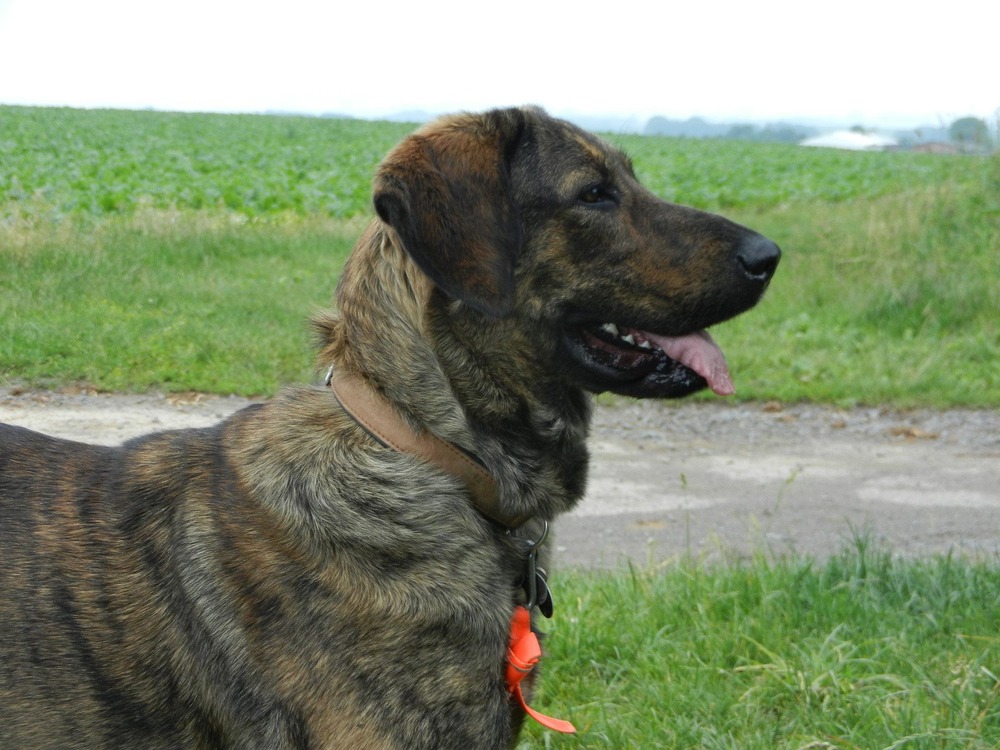
The breed takes its name from Castro Laboreiro, a mountainous area in the far north of Portugal. It is often described as an old Iberian livestock-guarding type, developed to live and work in a harsh landscape with minimal fuss.2
That history matters because it helps explain the temperament people notice today: a dog that can be watchful, decisive, and not automatically friendly with strangers. Independence is not a training failure in this breed, it is part of the original job description.
In formal breed terms, the Cão de Castro Laboreiro is recognised by the Federation Cynologique Internationale (FCI) as a Portuguese breed in Group 2 (Molossian type, mountain type).1
Physical characteristics
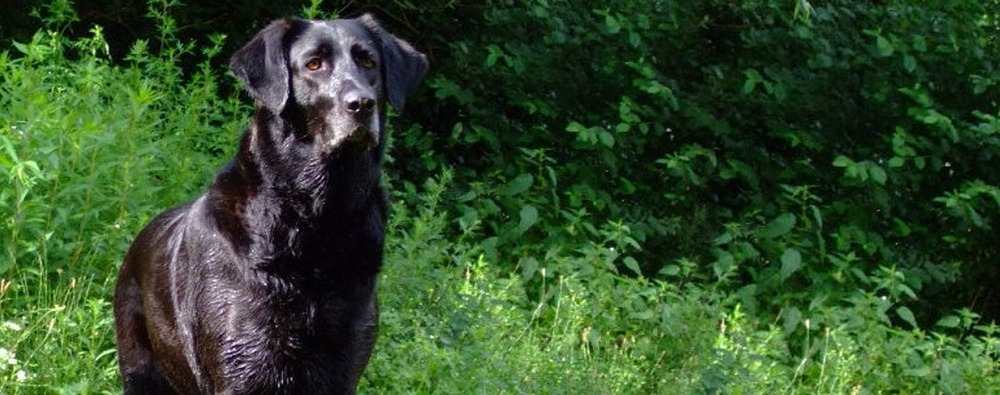
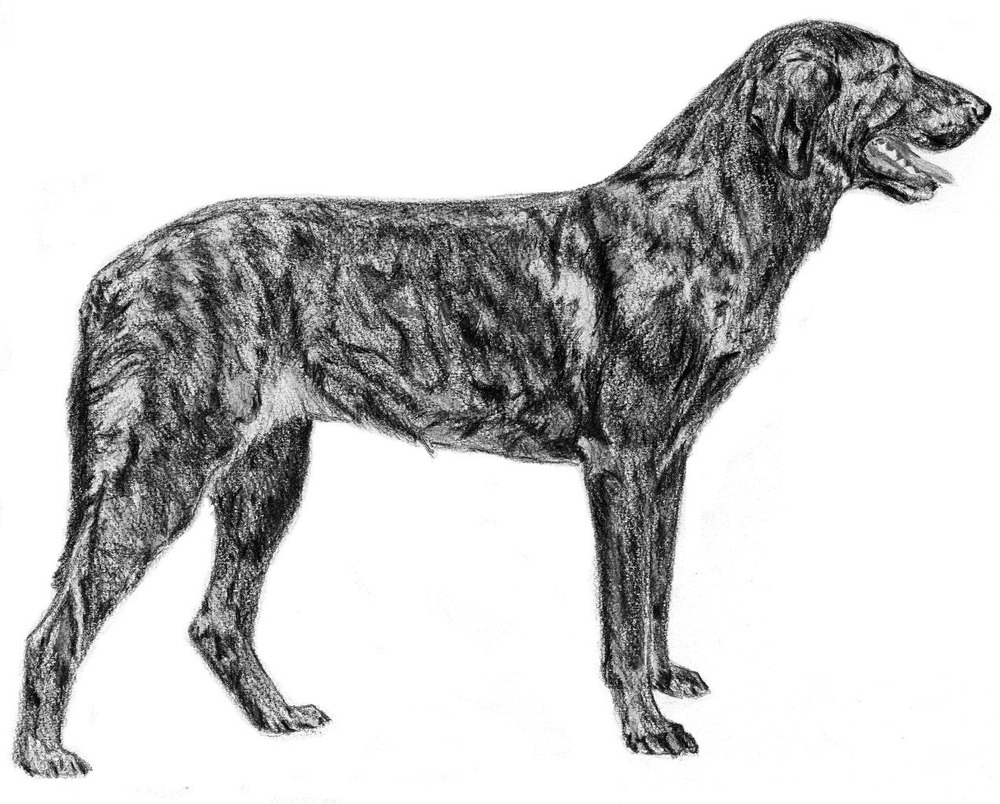
The overall impression is athletic, solid, and weather-ready. The official measurements put the breed in the medium to large range, without tipping into the heavy, slow look people sometimes associate with guarding dogs.2
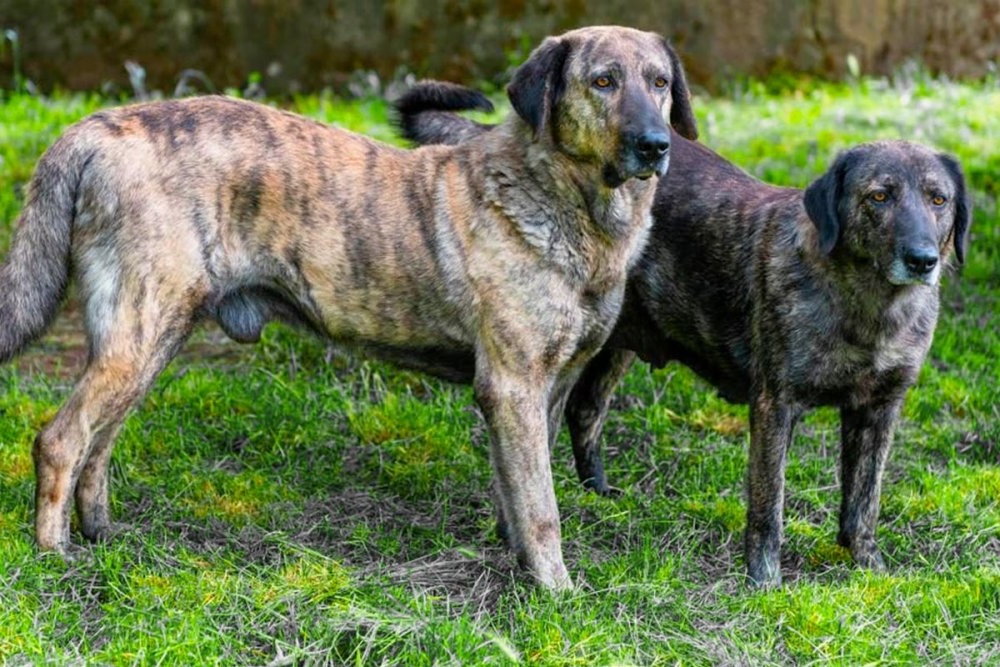
The coat is short and dense, built for wind and wet. Colour is typically wolf shades, and many dogs show a brindled patterning that can look almost “smoky” across the body.2, 3
Many owners also comment on the voice. Breed descriptions often note a distinctive bark, which makes sense for a dog expected to warn from a distance. Noise control is usually management (routine, boundaries, and reducing trigger exposure) more than it is “training it out”.
Temperament and everyday behaviour
Think of the Cão de Castro Laboreiro as a dog that keeps its own counsel. Many individuals are deeply loyal to their household, naturally suspicious of unfamiliar people on their property, and inclined to watch first, then decide what to do. That can read as “stubborn” if you expect a people-pleasing retriever style.
With children, the big variables are supervision and dog skills in the family. Guardian breeds can be steady around respectful kids, but they are not always forgiving of chaotic handling, rough play, or constant visitors moving in and out of the home. Early social experiences help, but management and routine still matter in adulthood.
With other pets, outcomes vary. Some dogs live peacefully with a resident dog or cat, particularly when raised together. Others are selective with dogs, especially on home turf. It is sensible to assume you will need careful introductions, secure fencing, and ongoing structure.
Training and exercise needs
Training tends to go best when it is calm, consistent, and practical. Reward-based methods, including positive reinforcement, are widely recommended by animal welfare and veterinary-aligned organisations because they build behaviour without relying on intimidation or pain.4, 5
Socialisation is worth approaching as gentle, repeated exposure rather than forced “meet everyone” friendliness. The goal is usually neutral and confident in the world, not dog-park extroversion. Keep sessions short, pair new experiences with rewards, and avoid overwhelming the dog when it is young.6, 7
Exercise needs are often described as high, but it is not only about kilometres. Many dogs do best with a mix of:
- steady daily walks (preferably in quiet places, especially during adolescence)
- training “jobs” at home, such as boundary games, recall practice, and calm settle work
- enrichment that slows the brain down (food puzzles, scent games, supervised chewing)
Health and lifespan
There is no single health issue that defines the breed, but owners and vets often keep a close eye on joints and mobility in medium to large working dogs. Hip dysplasia is a common concern across many larger breeds, and it is influenced by genetics, growth rate, body condition, and exercise choices during development.8
Deep-chested dogs are also discussed in the context of gastric dilatation-volvulus (GDV), sometimes called bloat. GDV is a true emergency, and the advice across veterinary sources is consistent: know the early signs, seek urgent care, and talk with your vet about risk reduction strategies (including feeding routines and, in some cases, preventive gastropexy).9, 10
Just as important is everyday prevention. Keeping a guardian breed lean, fit, and mentally settled tends to pay off over time. Body condition is a health tool, not an aesthetic goal.
Grooming and maintenance
The coat is usually straightforward. Occasional brushing helps lift dead hair and dirt, and it gives you a regular chance to check skin, ears, and feet. Expect heavier shedding at certain times of year, even if the coat is short.
Because these dogs are built for outdoor life, they often cope well with cold and wet. Heat can be harder, especially for darker-coated individuals or dogs that are asked to exercise at the wrong time of day. In Australian summers, it is sensible to shift walks to early morning or evening, keep water available, and take heat stress signs seriously.5
Diet and nutrition
Most Cão de Castro Laboreiro dogs do well on a complete and balanced diet suited to their life stage and activity level. Rather than chasing trends, it helps to choose foods from manufacturers who can answer clear questions about formulation, quality control, and nutritional expertise.
The World Small Animal Veterinary Association (WSAVA) Global Nutrition Guidelines and toolkit resources are useful for learning what to look for on labels and which questions matter most when selecting a diet.10
If you are managing GDV risk, discuss practical feeding habits with your vet. Common advice includes splitting daily intake into smaller meals and avoiding hard exercise around mealtimes.9
Living with a Cão de Castro Laboreiro
This is not typically an “easy first dog”, but it can be a very satisfying breed for the right person. The best matches are usually homes that appreciate a dog who watches quietly, bonds strongly, and needs thoughtful handling more than constant entertainment.
Before committing, be honest about the realities:
- Space and fencing: secure boundaries matter for guardian breeds.
- Visitors and delivery traffic: you will likely need a routine for managing the front door.
- Training approach: patient, reward-based work tends to get better long-term results.4, 5
- Time: not just exercise time, but time for calm exposure, handling practice, and supervision during adolescence.
When people thrive with this breed, it is usually because they stop trying to turn it into something else. Work with the instincts, set clear boundaries, and build trust through repetition.
References
- FCI: Cão de Castro Laboreiro (Breed No. 170)
- Clube Português de Canicultura: Castro Laboreiro Dog
- United Kennel Club: Cão de Castro Laboreiro Breed Standard
- RSPCA Australia: Socialising your puppy
- RSPCA NSW: Keeping pets safe in the heat
- RSPCA Knowledgebase: How can I socialise my puppy?
- RSPCA Pet Insurance: Positive reinforcement training
- Australian Veterinary Association: Canine hip dysplasia
- American College of Veterinary Surgeons: Gastric Dilatation-Volvulus (GDV) and gastropexy
- WSAVA: Global Nutrition Guidelines