

You might come across the Cão de Gado Transmontano (sometimes called the Transmontano Mastiff) the way many people do, via a photo that makes you pause. A huge white dog standing quietly near stock, or lying in the paddock like it belongs there. It is easy to assume a dog that big must be demanding, intense, or “too much” for ordinary life.
In practice, this is a breed shaped by long hours, distance, weather, and the steady pressure of guarding animals that cannot guard themselves. Much of what makes the Cão de Gado Transmontano distinctive is not flashy behaviour, it is calm, independent presence. That calmness can read as friendliness, but it is often better understood as steadiness.
For anyone considering one, or simply trying to make sense of the breed, it helps to look past the size and into the job. These dogs tend to do best when their home life respects their purpose, their socialisation is thoughtful, and their health management reflects the realities of a giant, working type.
At a glance: size, coat, and everyday needs
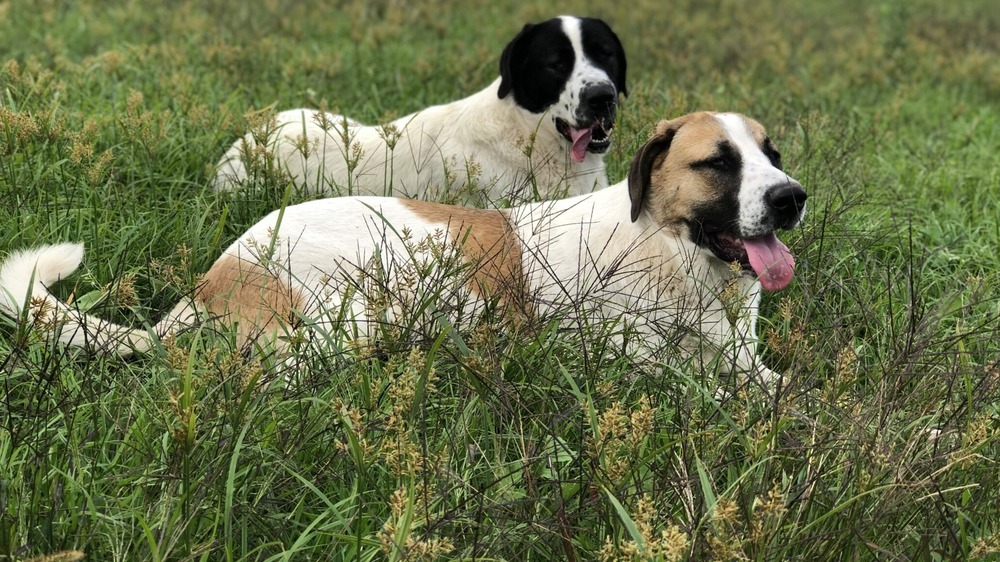
The Cão de Gado Transmontano is a Portuguese livestock guardian breed recognised by the Fédération Cynologique Internationale (FCI) in Group 2, Molossian type, mountain type.1 It is a very large, powerfully built dog, typically with a dense coat suited to outdoor life and seasonal weather.
Breed summaries vary a little across sources, but most agree on the broad picture: giant size, strong guarding instincts, and moderate day to day grooming needs.1, 2 Expect moderate shedding and a coat that benefits from occasional brushing, especially when it is dropping undercoat.
Exercise needs are often described as “moderate”, but that can be misleading if you picture a neat, suburban walk as the whole story. Many guardians are physically capable of far more than that, but they are not always playful in the way gundogs or herding breeds can be. What they typically need is room to move, regular low-stress activity, and a predictable routine.
Where the breed comes from, and why it matters
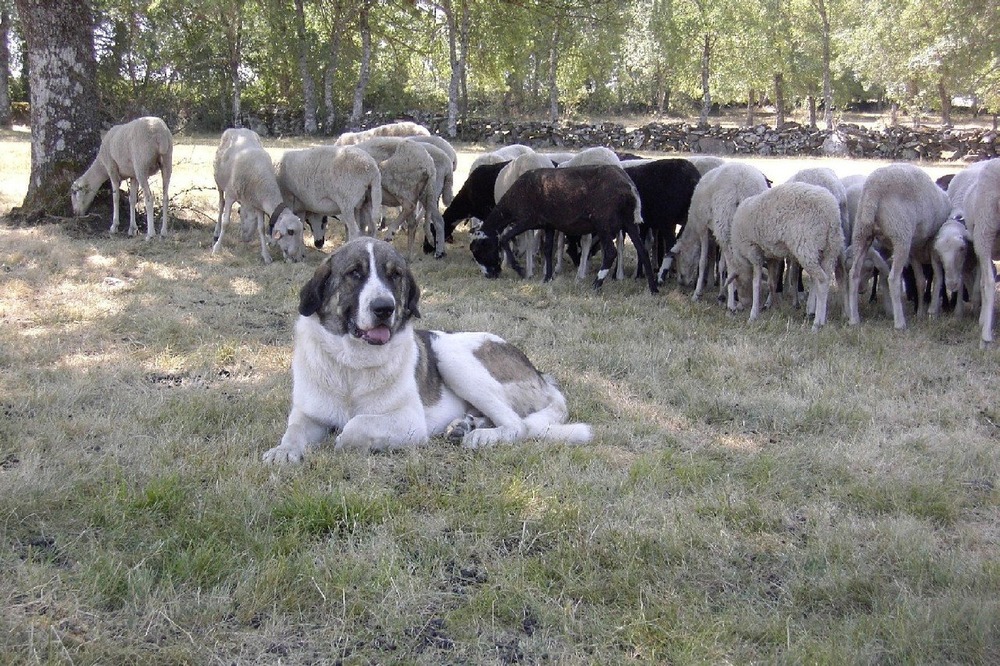
This breed is closely associated with northern Portugal, particularly the Trás os Montes region, where dogs like this have been used to guard livestock and property across large, rugged areas.1 The FCI standard reflects that working background in its emphasis on size, substance, and balanced temperament rather than high drive obedience traits.
Understanding the original role helps with modern expectations. A livestock guardian is often selected for the ability to assess what is normal in its environment, and to respond when something is not. That can look like a dog that is “quiet”, right up until it is not. It can also look like a dog that takes its time around strangers, because caution is part of the job.
If you are drawn to the breed’s calm presence, it is worth remembering that much of that calmness depends on the dog feeling it has a safe, stable territory and clear boundaries. In a busy household with lots of visitors, or in close suburban living, those needs can be harder to meet well.
Temperament in real homes: loyalty, caution, and independence
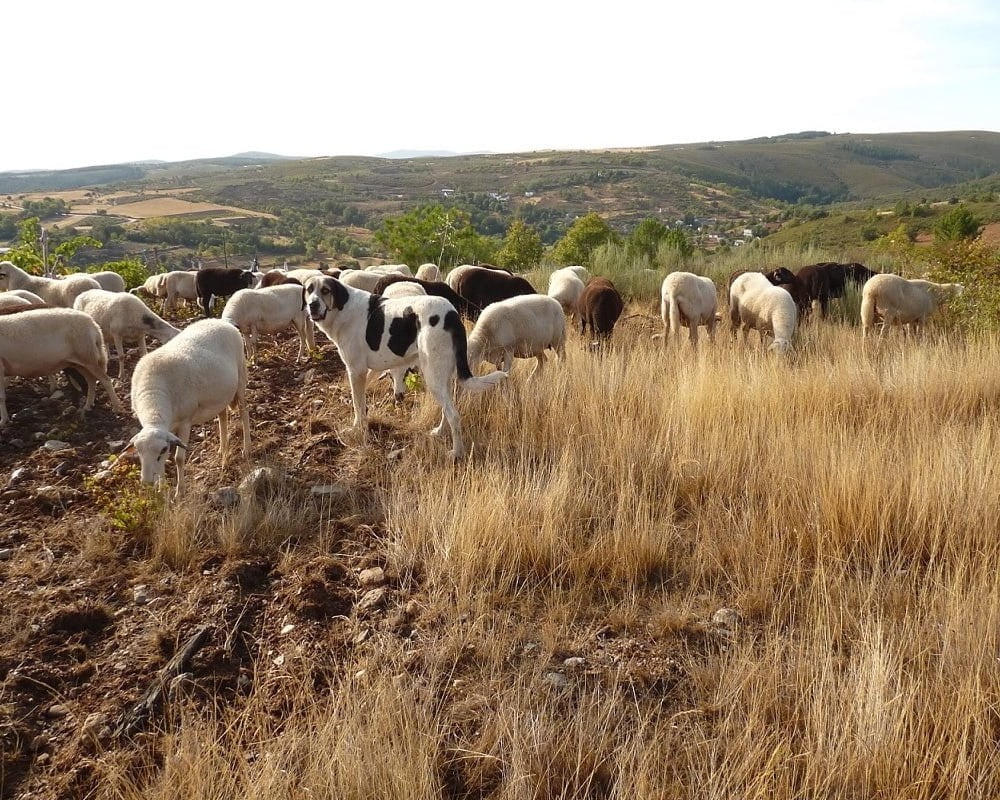
Most descriptions of the Cão de Gado Transmontano highlight loyalty and protectiveness, alongside a calmer, more reserved style than many people expect from such a formidable dog.2 In practical terms, many guardians are not looking to be everyone’s best mate. They are often more comfortable when introductions are unhurried and the environment is settled.
It is also a breed type that may not respond well to heavy-handed handling. A dog bred to make decisions at distance from the shepherd tends to value its own judgement. That does not mean they cannot be trained, it means the handler usually gets the best results by building cooperation rather than trying to “win”.
If you live with children or other pets, supervision and management matter, not because the breed is automatically unsafe, but because size changes everything. Even a gentle, careful dog can knock a toddler over without meaning to. With other animals, early, sensible socialisation and ongoing routine tends to matter more than trying to force friendship.
Training and socialisation that fits a livestock guardian
Early socialisation is not just about meeting people. For a livestock guardian, it is about learning what “normal” looks like: visitors arriving calmly, stock moving through gates, vehicles on the property, children playing, other dogs passing by. The goal is steady exposure without flooding, so the dog learns to recover and settle.
Reward-based training methods are widely supported by animal welfare organisations because they improve learning while reducing fear and conflict in the handler-dog relationship.3, 4 For a large guardian breed, that matters. It is difficult to live with a giant dog if day to day handling relies on physical control.
In many homes, the most useful training priorities look like this:
- Loose lead walking and calm exits from gates and doors.
- A reliable recall in low-distraction contexts, plus realistic management when distractions are high.
- Settle on a mat or bed, so the dog can switch off when the household is busy.
- Comfort with handling for grooming and veterinary checks.
Because this is a guardian breed, it is sensible to plan for boundary behaviours. Barking at night, patrolling, and watching fences are not “bad habits” in the way people sometimes frame them. They are often normal expressions of the job. The question is how to shape them, and where to place the dog, so that normal guardian behaviour does not become a neighbourhood problem.
Exercise and enrichment without winding them up
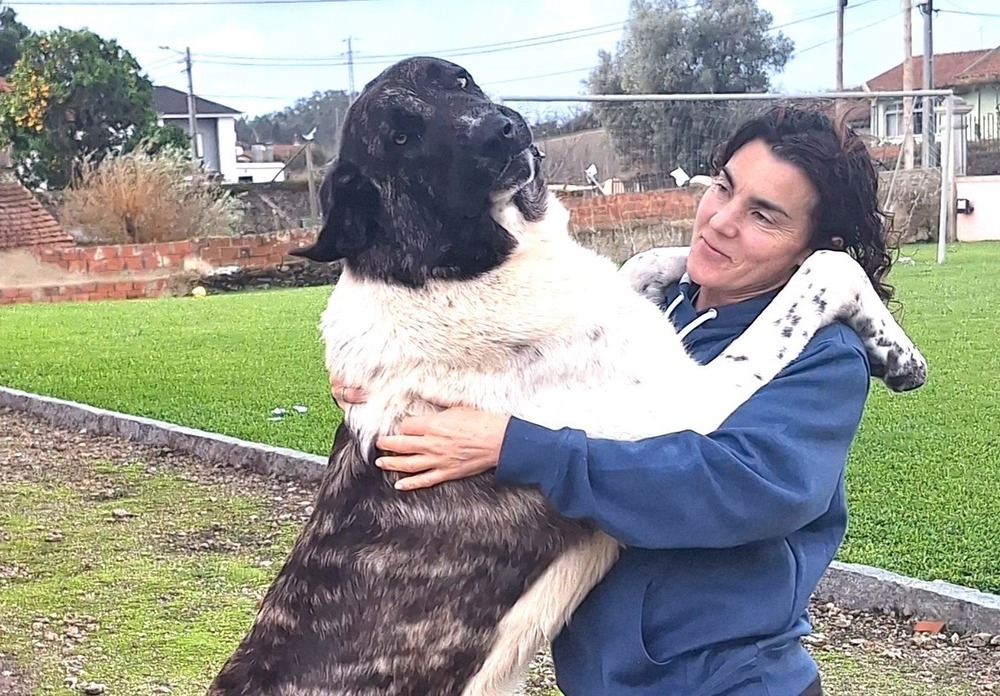
Many giant guardians do best with steady, low-impact exercise rather than intense repetitive running. Think long, sniffy walks, safe property patrols, and simple strength and mobility work that keeps joints supported as the dog matures.
Enrichment can be quieter, too. Food puzzles, scatter feeding, scent games, and structured “watch and relax” time can suit dogs that are naturally observant. The aim is not to manufacture constant excitement, it is to give the dog ways to use its brain that do not increase reactivity.
It is also worth being mindful of growth. Large and giant breeds are still developing well past the puppy months, and a vet can help you choose age-appropriate exercise, especially if you are seeing stiffness, limping, or reluctance to jump.
Health considerations: hips, bloat risk, and sensible prevention
Like many large and giant breeds, hip dysplasia is a relevant concern. It is a condition where the hip joint develops abnormally, with signs and severity influenced by both genetics and environment (including body condition and activity).5 If you are buying a puppy, it is reasonable to ask what health screening the breeder has done, and what the family history looks like.
Another topic that deserves calm, practical attention is gastric dilatation-volvulus (GDV), often called bloat. GDV is a rapidly progressive emergency, and deep-chested, large breeds are commonly discussed as higher risk.6 Risk is multifactorial, so no single feeding trick “solves” it, but management can still matter.
Common veterinary recommendations for at-risk dogs include:
- Feed two to three smaller meals rather than one large meal.
- Avoid vigorous exercise close to mealtimes.
- Learn the early signs and treat it as an emergency if suspected.6, 7
In some at-risk dogs, a veterinarian may discuss prophylactic gastropexy, a procedure that tacks the stomach to help prevent life-threatening twisting (volvulus). It does not prevent all stomach dilation, but it can reduce the risk of the catastrophic “twist” component of GDV.7 This is a decision to make with your vet or a veterinary surgeon, based on your dog’s build, family history, and lifestyle.
Grooming and coat care: simple, steady maintenance
The coat is typically dense and functional. Most owners find it manageable with a basic routine rather than constant professional grooming. A quick weekly brush is often enough to remove dust and loose coat, with more frequent brushing during heavier seasonal shed.
Pay attention to the practical details that affect comfort and health:
- Ears: check regularly for redness, odour, or build-up.
- Nails: keep them short enough that the dog moves comfortably.
- Skin and coat: watch for hot spots or irritation after wet weather.
Bathing is usually occasional. Over-washing can dry the coat and skin, especially in dogs that live outdoors part of the time.
Feeding a giant breed: quality, body condition, and realistic choices
The best diet is usually the one that keeps the dog in a healthy body condition, supports steady growth (for youngsters), and is practical for the household to feed consistently. The World Small Animal Veterinary Association (WSAVA) nutrition resources are a useful starting point for making sense of pet food claims and choosing a diet based on more than marketing.8
With giant breeds, avoiding excess weight is one of the most practical things you can do for long-term mobility. If you can no longer easily feel ribs under a light layer of tissue, or your dog’s waist has disappeared, it is worth discussing a feeding plan with your vet.
If you are changing foods, do it gradually. Sudden diet changes can upset digestion, and in a large dog that can become a stressful problem quickly.
Is this breed a good match for you?
A Cão de Gado Transmontano often suits people who respect what guardian breeds are, rather than trying to turn them into something else. They tend to do best when they have space, a stable routine, and handlers who can offer calm leadership and clear boundaries.
They are usually not an easy fit for apartment living or highly social, visitor-heavy homes. Not because they are “bad”, but because the breed’s natural watchfulness and the sheer physical presence can create friction in close quarters.
If you are unsure, a thoughtful conversation with a breed-savvy trainer and a veterinarian can help you plan for the realities of a giant dog, including training time, containment, and emergency care costs.
Final thoughts
The Cão de Gado Transmontano is easiest to appreciate when you picture the work it was built for: long stretches of quiet, punctuated by moments where it must respond decisively. In the right setting, that becomes a dog that feels grounded and reassuring, with a kind of steadiness that does not need much performance.
When people struggle with this breed, it is often not because the dog is “too protective” in some simple sense. It is because the environment asks the dog to ignore its instincts all day, or because training focuses on control rather than cooperation. With appropriate space and guidance, many of these dogs settle into their role with remarkably little fuss.
References
- Fédération Cynologique Internationale (FCI): Cão de Gado Transmontano (Standard No. 368)
- FCI Breed Standard PDF: Cão de Gado Transmontano (English)
- RSPCA ACT: Reward-based dog training and why the RSPCA supports it
- RSPCA Knowledgebase: What is reward-based dog training?
- Orthopedic Foundation for Animals (OFA): Hip Dysplasia
- American College of Veterinary Surgeons (ACVS): Gastric Dilatation-Volvulus (GDV)
- American College of Veterinary Surgeons (ACVS): Prophylactic Gastropexy
- WSAVA: Global Nutrition Guidelines
- RSPCA South Australia: Puppy Partnership (positive socialisation and early training)