

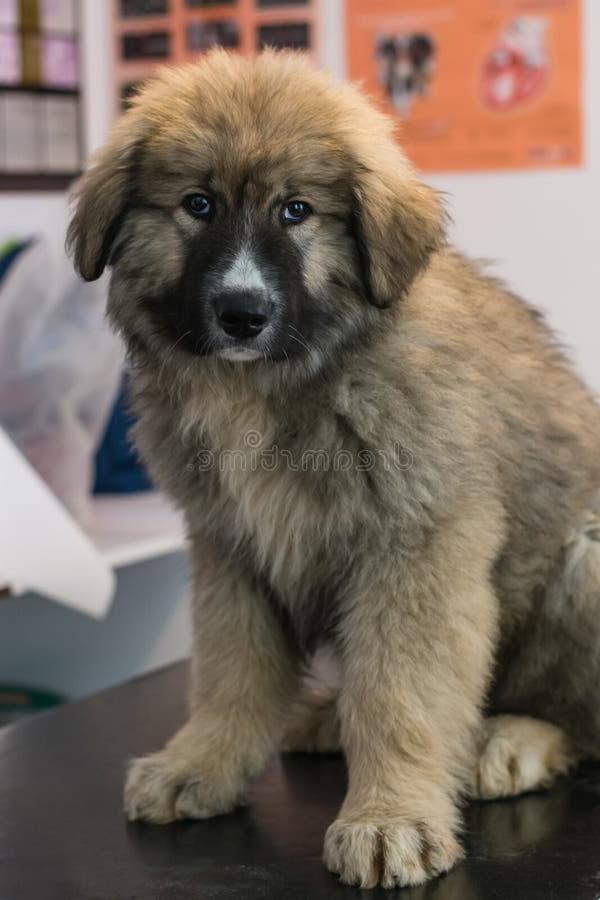
You might notice the Carpathian Shepherd Dog in a photo and assume it is simply a big, fluffy “mountain dog”, the sort that will slot neatly into family life if it gets enough walks. Then you read a little further and see words like “guardian”, “protective”, and “wary of strangers”, and it becomes less straightforward.
What most people are actually responding to is a combination of powerful calm and a very particular job history. This is a livestock guardian breed, shaped to make decisions at the edge of a flock and to take its environment seriously. That can be a wonderful fit in the right home, and a challenging one in the wrong setting.
Understanding the Carpathian Shepherd Dog is mostly about matching expectations to reality: what they were bred to do, how they tend to move through the world, and what day to day care looks like when a dog’s default is to watch, assess, and protect.
Breed snapshot (at a glance)
Breed category: Working, livestock guardian
- Origin: Romania (Carpathian region)
- Height: males typically 65 to 73 cm, females typically 59 to 67 cm1
- Build: large, athletic, powerful without being heavy
- Coat: harsh, dense double coat, shorter on head and front of legs, longer furnishings on neck, backs of legs, and tail1
- Colour: pale fawn overlaid with black (wolf grey), white markings may occur but are preferably not predominant1
- Life expectancy: often around 12 to 14 years (varies with genetics, size, and management)
Where the Carpathian Shepherd Dog comes from
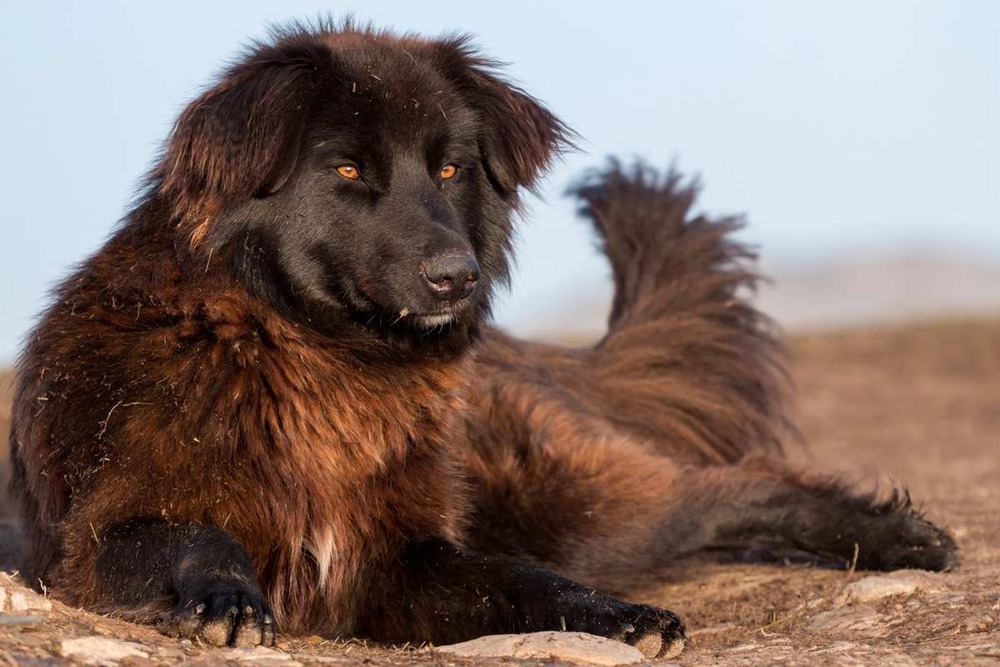
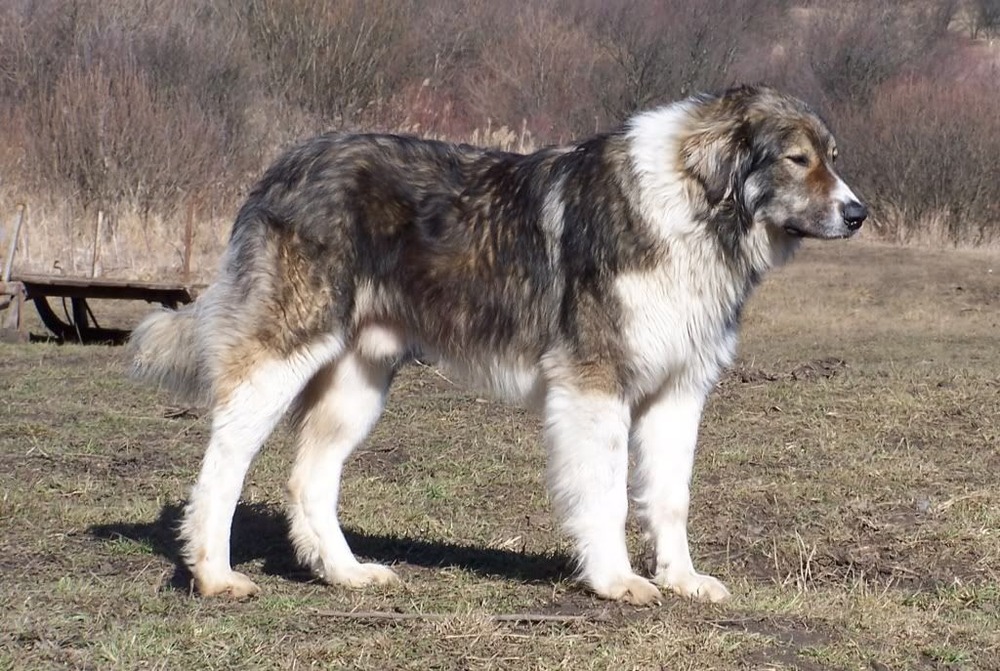
The Romanian Carpathian Shepherd Dog, also known as the Ciobănesc Românesc Carpatin, developed in a landscape where dogs were expected to live alongside stock and people, in rugged weather and difficult terrain.1
It helps to picture the job properly. Livestock guardian dogs are not herders, they are typically positioned to prevent trouble, using presence, vigilance, and, when needed, confrontation. That history is one reason many Carpathians are naturally watchful and can be slow to accept unfamiliar visitors without careful handling and guidance.
Appearance and what it is “for”
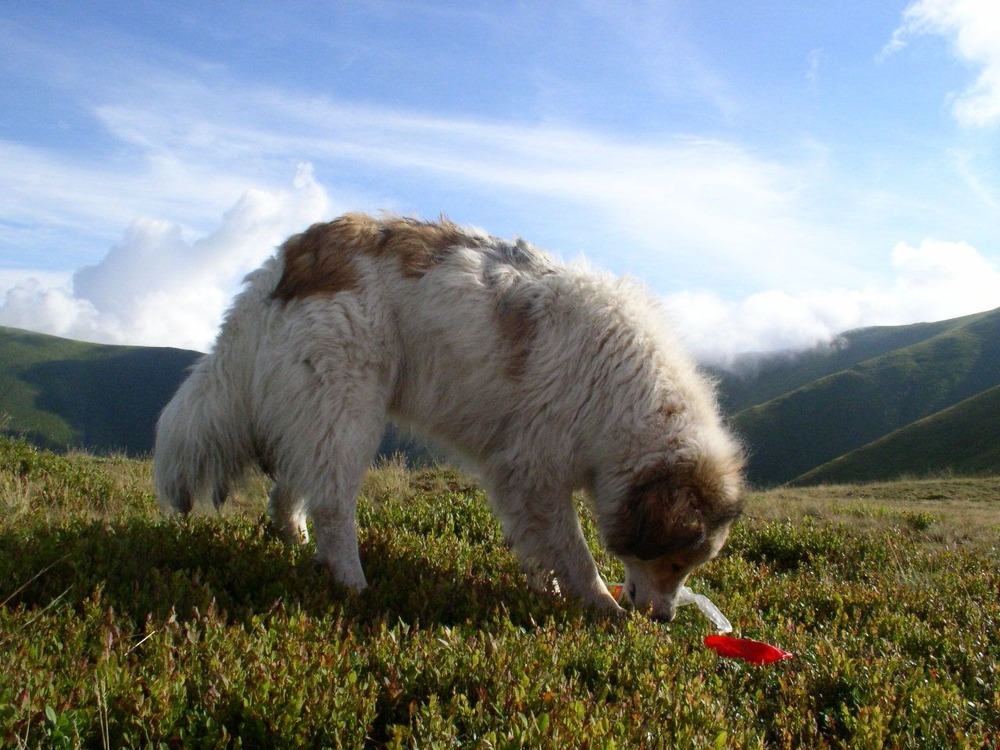
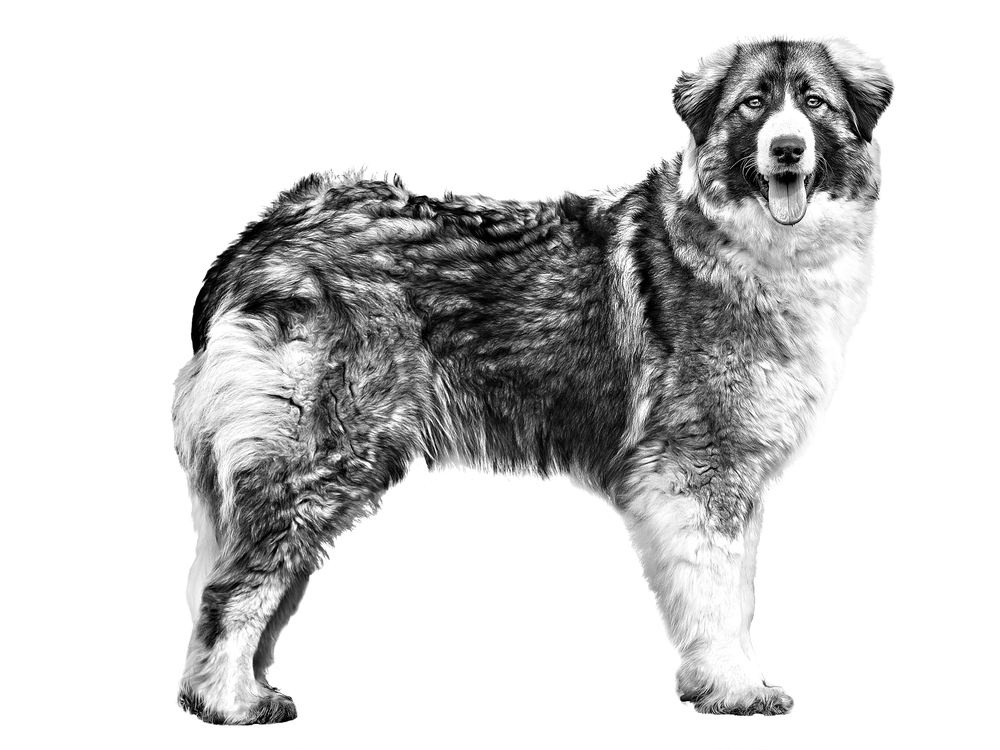
The Carpathian Shepherd Dog has a practical, weather-ready design: a dense double coat, a robust body, and movement described in the breed standard as free and long reaching.1 Those features are not just aesthetic. They support long hours outdoors, steady patrolling, and the ability to respond quickly on uneven ground.
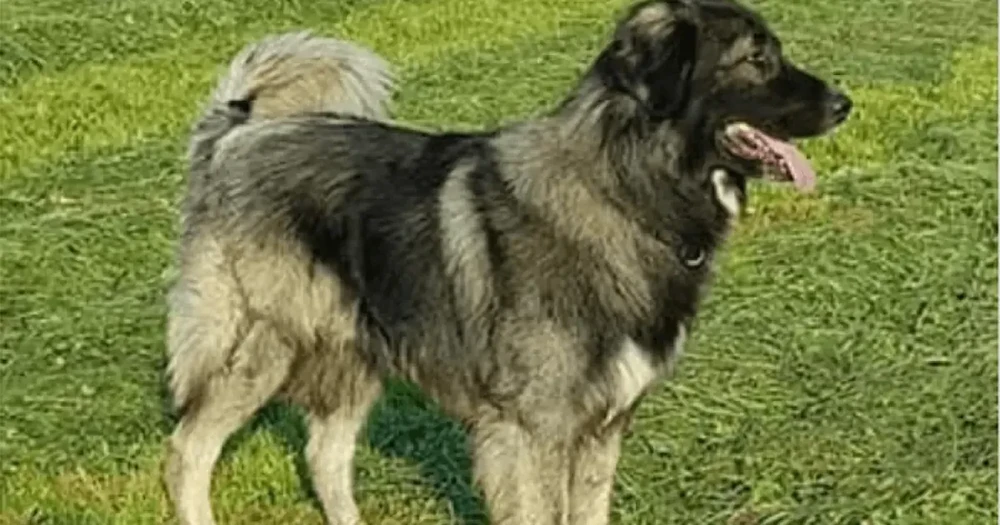
The coat is often described as wolf grey because of the pale fawn base with darker overlay. White markings can appear, but the FCI standard prefers they are not dominant.1 If you are meeting dogs in person, you will also notice a strong sexual dimorphism in many lines, with males often appearing noticeably bigger and heavier boned than females.
Temperament, instincts, and everyday behaviour
Most well-bred, well-raised Carpathian Shepherd Dogs show a steady, grounded presence with their family, paired with a strong tendency to scan the environment. Owners often describe them as calm at home, but “on duty” the moment something changes outside.
It is worth holding two truths at once:
- They can be affectionate and loyal with their people.
- They can also be naturally suspicious of unfamiliar people or animals, particularly on their home territory.
This is not a flaw so much as a guardian default. The practical question is how much structure the household can offer. Clear routines, controlled introductions, good fencing, and thoughtful management matter more with a guardian breed than they do with many easygoing companion breeds.
Family suitability (children, visitors, other pets)
In many homes, the Carpathian Shepherd Dog can live well with children, especially when the dog is raised with them and adults actively supervise interactions. “Good with kids” still depends on the individual dog, the children’s ages, and how the household runs. Large guardian breeds can be physically imposing even when they are being gentle.
Visitors are often the trickier piece. A dog that is bred to notice and respond to change may not love a steady stream of unfamiliar people coming and going. Slow introductions, calm handling, and a plan for the front door can make the difference between a dog that copes and a dog that escalates.
With other pets, early and ongoing socialisation helps. That said, do not assume that “socialised” means “indifferent”. Many guardians remain selective, especially with unfamiliar dogs near their home.
Training that fits a livestock guardian breed
Training is often described as “moderate” for the Carpathian Shepherd Dog, not because they lack intelligence, but because they were selected for independent decision-making. You are not trying to suppress that independence, you are trying to channel it.
Reward-based training is widely recommended by animal welfare organisations because it improves learning while reducing fear and conflict. It is also a better match for a dog that may already be inclined to take charge of situations.7
Early socialisation matters, but it should be done carefully: controlled exposure to people, surfaces, sounds, handling, and calm dogs, paired with good experiences. The American Veterinary Society of Animal Behavior highlights the importance of early socialisation and discusses how it can be balanced with disease prevention and vaccination planning.8
Exercise and enrichment (what “daily exercise” really means)
These dogs need more than a lap around the block. They often do best with a mix of:
- steady physical exercise (long walks, hiking, structured roaming in secure areas)
- training games that teach calm focus
- enrichment that gives them a job, like scent work and supervised property checks
A common mistake is to focus only on tiring them out physically. For many guardians, learning to settle, disengage, and accept direction around triggers (people at the gate, dogs on the road) is just as important as kilometres walked.
Grooming and coat care
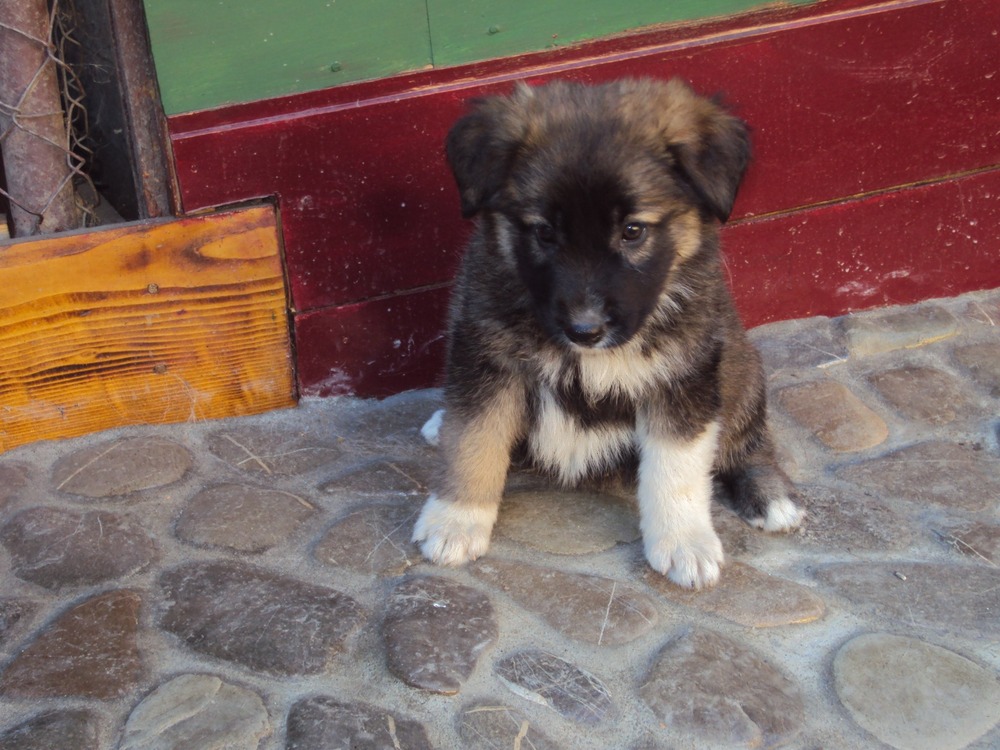
The coat is designed to protect, which means it also holds on to seasonal shedding. Expect a moderate to heavy shed, particularly through warmer months or seasonal coat blows.
For most dogs, a thorough brush once or twice a week is enough, with more frequent brushing during heavier shedding. Aim to keep the undercoat from packing down, and use grooming time as a quiet health check for skin, ears, nails, and any new lumps.
Bathing is occasional rather than frequent. Over-washing can strip protective oils and may leave the coat feeling dull or less weather-resistant.
Health considerations and preventative care
Like many large breeds, Carpathian Shepherd Dogs can be prone to orthopaedic issues such as hip dysplasia. Eye conditions are also sometimes mentioned by breed communities. The most useful approach is not to assume a specific diagnosis, but to plan for preventative basics and good breeding practices.
- Ask breeders for health testing information relevant to their lines.
- Keep dogs lean, excess weight increases stress on joints.
- Maintain regular veterinary checks, including dental care.
- Build fitness gradually, especially during growth.
Feeding and nutrition (practical, not faddish)
Most Carpathian Shepherd Dogs thrive on a high-quality, complete and balanced diet suited to their life stage and activity level. If you are unsure where to start, a useful baseline is to prioritise diets that meet recognised nutritional standards, then adjust based on body condition, energy, stool quality, and veterinary feedback.
The World Small Animal Veterinary Association (WSAVA) Global Nutrition Committee emphasises the value of nutritional assessment and tailored recommendations as part of routine veterinary care, rather than one-size-fits-all feeding advice.5
Because this is a large, deep-chested type, speak with your vet about practical feeding habits, including meal timing and exercise around meals, to reduce avoidable risks.
Climate and comfort (especially heat)
With a dense double coat, many Carpathian Shepherd Dogs cope well with cold conditions, but heat can be harder. Hot weather management is not only about comfort. Heat stress can become a veterinary emergency.
Animal Welfare Victoria advises never leaving pets unattended in cars and outlines signs of heat stress and immediate steps to take, including moving the animal to a cool area, using cool water (not icy), and contacting a vet promptly.6
If you live somewhere that gets hot, plan ahead: shade that actually stays shaded, multiple water sources, cool indoor access, and exercise at the cooler ends of the day.
Is this breed a good match for your home?
The Carpathian Shepherd Dog tends to fit best with people who appreciate a dog that is present, observant, and not automatically friendly with everyone. Space helps, but space alone is not enough. What matters is management, training, and a willingness to guide a dog with strong opinions about what counts as “normal”.
If you want a social butterfly for cafés and busy dog parks, this may not be the easiest path. If you want a steady companion that takes home seriously, and you are prepared to invest in early socialisation and reward-based training, the breed can be deeply rewarding.
References
- Fédération Cynologique Internationale (FCI): Romanian Carpathian Shepherd Dog (Standard No. 350) (PDF)
- United Kennel Club (UKC): Romanian Carpathian Shepherd Dog breed standard
- American Kennel Club (AKC): Foundation Stock Service breeds in companion events (includes Romanian Carpathian Shepherd)
- Wikipedia: Carpathian Shepherd Dog (overview and alternate names)
- WSAVA Global Nutrition Committee: Nutrition resources and global guidelines
- Agriculture Victoria: Heat and pets
- RSPCA Australia Knowledgebase: Reward-based dog training and why the RSPCA supports it
- American Veterinary Society of Animal Behavior (AVSAB): Position statements (includes puppy socialisation)
- Animal Referral & Emergency Network (Australia): Hot weather can harm pets