

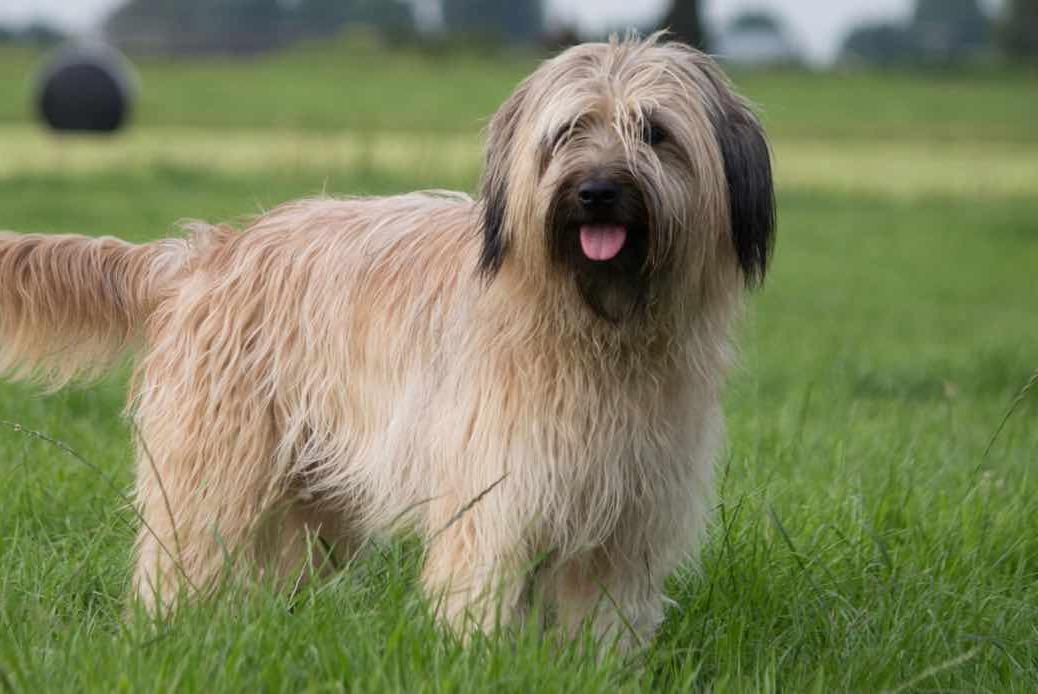
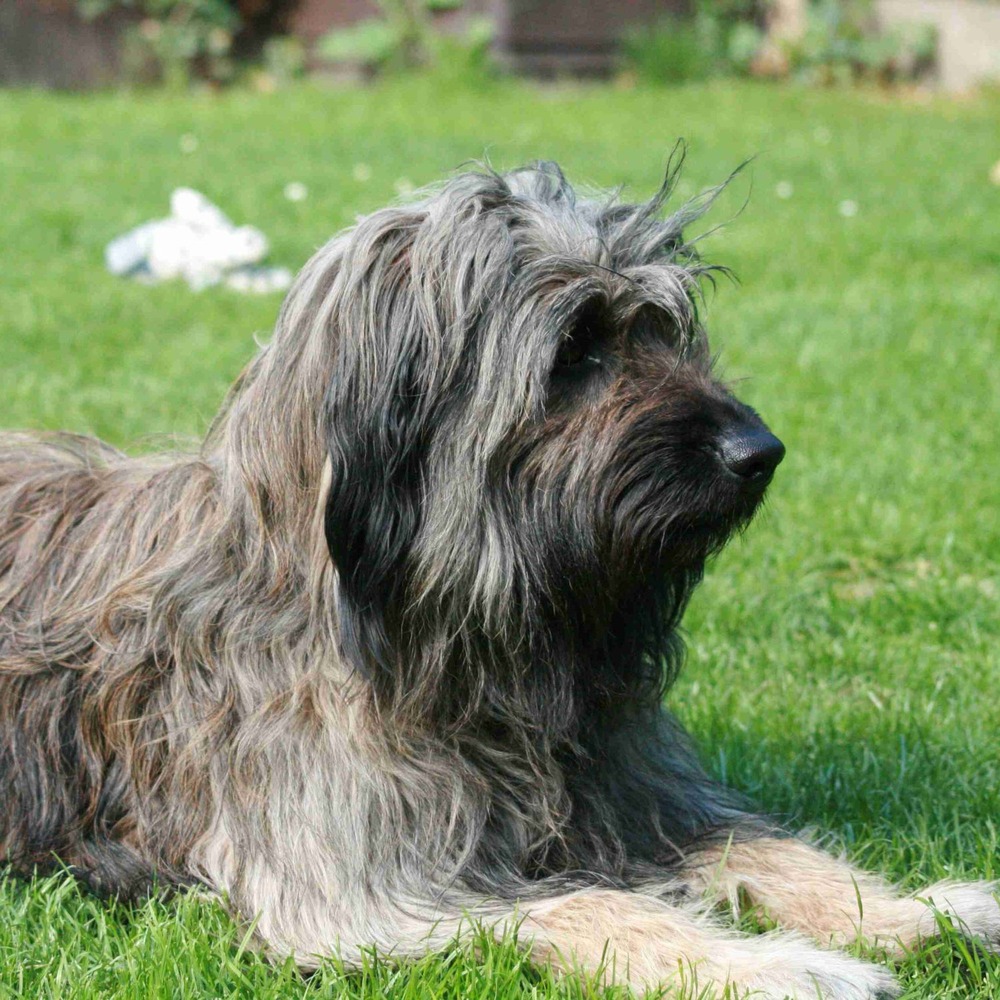
People often notice a Catalan Sheepdog because of the coat first. It looks a bit windswept and rustic, the kind of dog that seems built for weather, movement, and long days outdoors. Sometimes the curiosity comes later, after meeting one that is quietly watchful with strangers, then surprisingly soft and engaged with their own people.
It is easy to assume a shaggy herding breed will be either low-maintenance or endlessly busy. The Catalan Sheepdog (Gos d’Atura Català) sits somewhere more interesting. They tend to be capable, thoughtful dogs that do best when their days have shape, regular exercise, and a job of some kind, even if that job is learning, training, or coming along on adventures.
What matters in practice is fit. This breed can thrive with the right household rhythm, but they are not a set-and-forget companion. Understanding what they were bred to do helps explain what they need now.
Breed snapshot: what a Catalan Sheepdog is like day to day
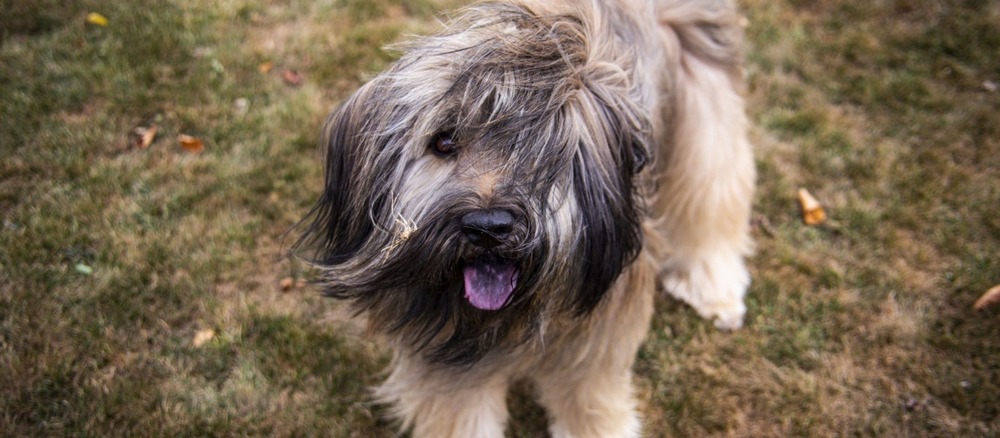
The Catalan Sheepdog is a medium-sized herding dog from Spain, developed for working flocks in the Pyrenees and surrounding regions.1, 2 They are typically active, intelligent, and alert, with a coat designed to cope with rough conditions and changing weather.
Many people fall for the breed’s “scruffy” look, but living with one is less about appearance and more about temperament. Catalans often come across as attentive and quick to learn, and they can be initially reserved with unfamiliar people while remaining steady with their family.2
- Breed group: Herding (FCI Group 1 sheepdogs)1
- Typical size: Medium, body slightly longer than tall2
- Coat: Rough, straight to slightly wavy, with a dense undercoat2
- Notable feature: Strong, firmly set double dewclaws on the hind legs are a recognised breed characteristic2
Origins and working purpose
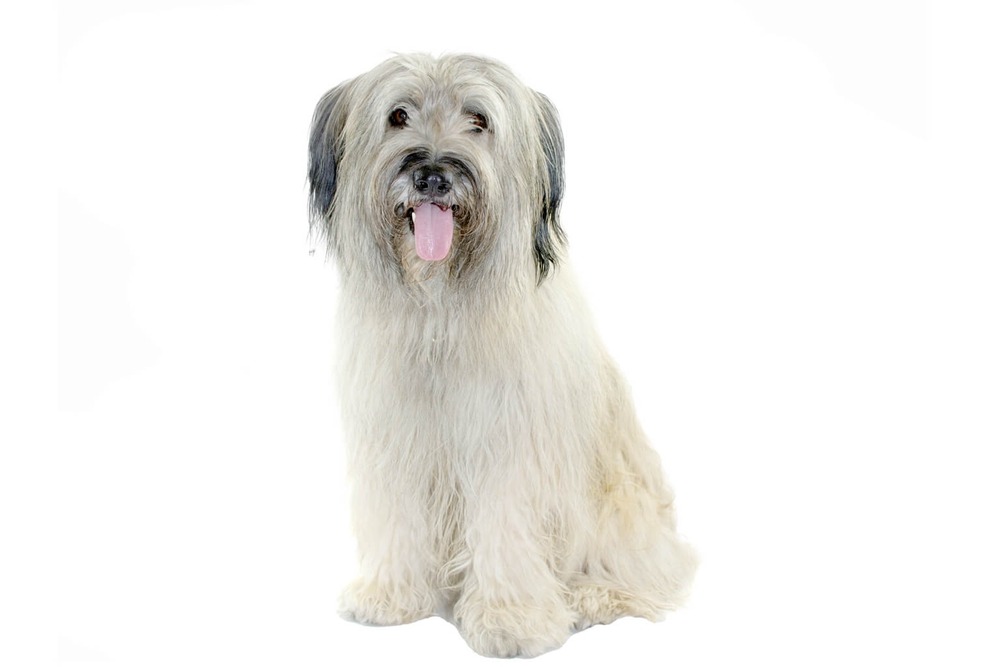
Catalan Sheepdogs were developed as working partners for shepherds, valued for their ability to move stock across uneven ground and cope with long days outside. The breed is recognised by the Federation Cynologique Internationale (FCI) as originating in Spain, with definitive recognition dating to 30 November 1954.1
Even when kept purely as companions today, many Catalans still carry that working-dog patterning: scanning the environment, noticing movement, and wanting to participate rather than watch life from a distance. It is not “naughtiness” so much as a dog that has been shaped to stay switched on.
Temperament, social behaviour, and suitability
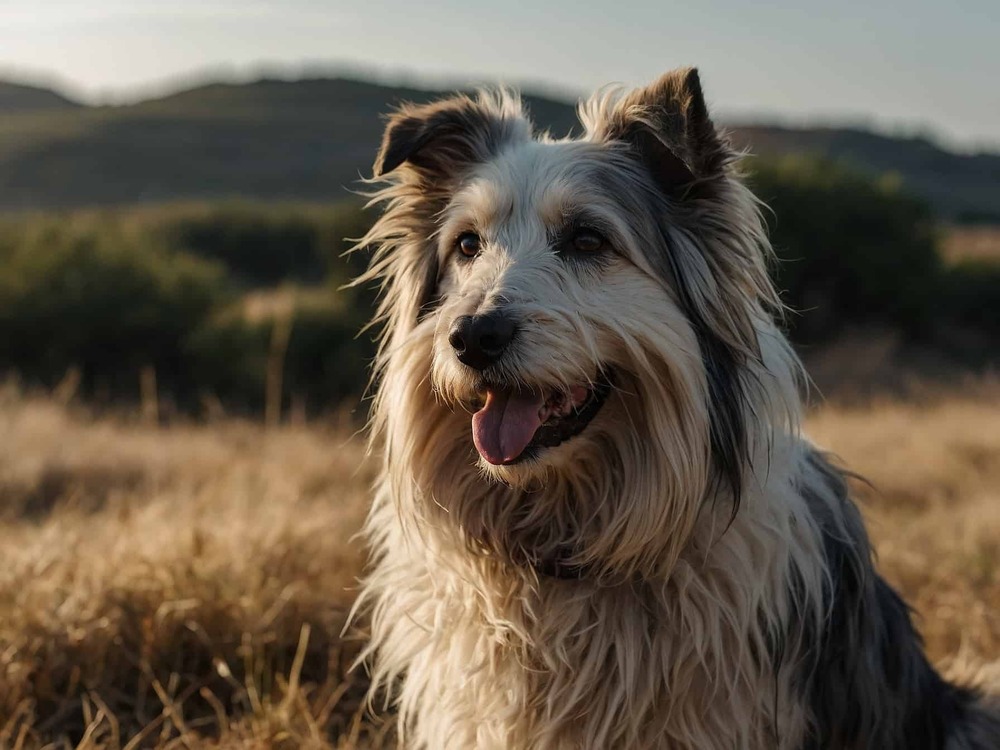
A well-bred, well-socialised Catalan Sheepdog is often described as active, intelligent, loyal, and easily trainable, while sometimes wary at first with strangers.2 In a home, that can look like a dog who takes a moment to assess new visitors, then settles once they understand the situation.
They tend to do best with people who enjoy interacting with their dog throughout the day. Not constant entertainment, but frequent small moments: a short training session, a sniffy walk, a game that asks them to think. For many Catalans, purposeful activity is what takes the edge off restlessness.
With children and other pets, the usual herding-breed principles apply. Supervision, calm introductions, and early practice with appropriate boundaries matter more than a promise that any dog will automatically “love kids”. If you are seeing chasing, nipping, or over-arousal around running children, it is a sign to slow things down and get help early from a qualified trainer.
Training and exercise: building a life that suits them
Catalans usually respond well to reward-based training. They are often bright enough to spot patterns quickly, including the patterns you did not mean to teach. Consistency, clear reinforcement, and short sessions tend to work better than drilling.
Exercise needs vary with age and individual temperament, but they are not a breed that thrives on a quick loop of the block once a day. Many owners find success combining physical activity with brain work, for example:
- brisk walks that include sniff time and decompression
- obedience foundations and recall games
- agility-style skills (even at home with low, safe setups)
- scent games and food puzzles
If you live somewhere hot, factor climate into your routine. Thick-coated dogs can be more vulnerable in high temperatures, so aim for exercise in the cooler parts of the day, keep water available, and be cautious with hot pavement.6, 7 Learn the early signs of heat stress and treat heatstroke as an emergency.5, 8
Health considerations to discuss with your vet
No breed is “perfectly healthy”, and the smartest approach is practical rather than anxious. Ask what health testing is common in the breed, and what your individual dog’s build, weight, and lifestyle might mean for their risk profile.
Two areas that commonly come up in herding breeds, including Catalans, are joints and eyes:
- Hip dysplasia and arthritis: hip laxity can develop as a dog grows, and long-term joint change can follow in some individuals. Keeping your dog lean is one of the most meaningful protective steps you can take over their lifetime.3
- Progressive retinal atrophy (PRA): PRA is a group of inherited retinal degenerations that can lead to vision loss over time. If you notice night vision changes, hesitation in dim light, or bumping into objects, book a veterinary eye check promptly.4
Routine care still does most of the heavy lifting: regular veterinary check-ups, parasite prevention appropriate to your area, and dental care that is realistic for your household. If you can manage it, home tooth brushing is one of the simplest long-term investments in comfort and health.9
Coat care and grooming, what “regular brushing” really means
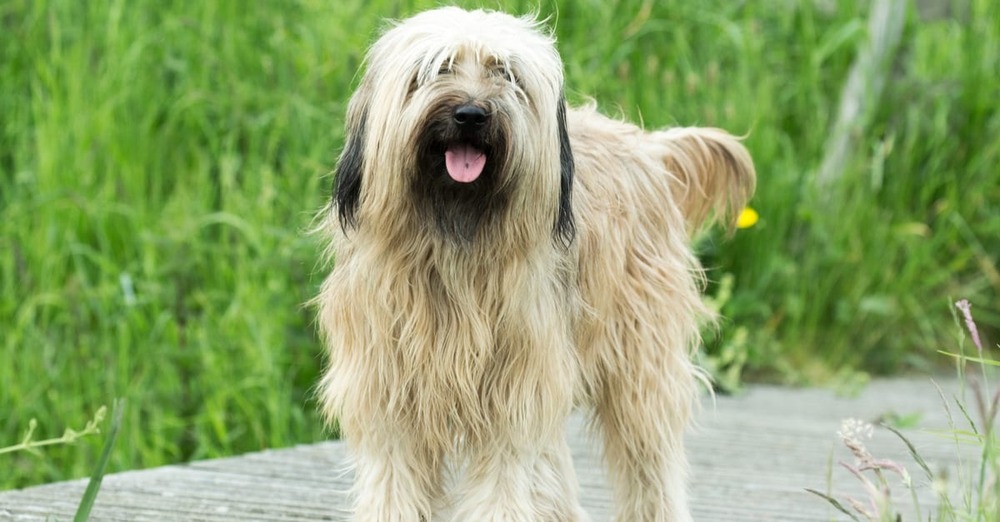
The Catalan’s coat is part of their working design: rough outer coat with a dense undercoat.2 In real life, this means maintenance sits in the middle. It is not as intensive as some long-coated breeds, but it is also not a coat you can ignore without paying for it later in matting and discomfort.
A useful rhythm for many households is a thorough brush once or twice a week, then more frequent sessions if you are seeing tangles behind the ears, in the “trouser” area, or where harness straps rub. Check ears, nails, and paw hair as part of the same routine, so grooming does not become a once-a-month wrestling match.
If your dog is sensitive about handling, treat grooming as training: tiny sessions, gentle restraint, and rewards for calm cooperation. The goal is comfortable maintenance, not perfect presentation.
Feeding and keeping them in good condition
Catalans are typically energetic dogs, and it can be tempting to feed for activity rather than body condition. Instead, let your dog’s shape guide you. Veterinary teams often use body condition scoring to keep weight management practical and consistent across a dog’s life.10
A complete and balanced diet that suits your dog’s life stage is the baseline. From there, adjust portions slowly, watch treats, and weigh your dog occasionally. If your Catalan is doing high-impact sport or long hikes, your vet can help you choose a diet and feeding schedule that supports performance without creeping weight gain.
Living well with a Catalan Sheepdog
The best Catalan Sheepdog homes tend to have two things: time and structure. Not endless free time, but the willingness to include the dog in daily life, provide consistent boundaries, and keep learning together.
If you are choosing a puppy, look for breeders who prioritise temperament and health testing, and who are honest about what the breed is like when it is bored, under-exercised, or under-socialised. If you are adopting an adult, give them time to settle and plan for gradual introductions to your routines.
With the right match, a Catalan is often a quietly impressive companion, capable, observant, and deeply connected to their people, without needing to be the centre of attention every minute.
References
- Federation Cynologique Internationale (FCI): Catalan Sheepdog (Gos d’Atura Català), breed nomenclature
- The Kennel Club (UK): Catalan Sheepdog breed standard
- American College of Veterinary Surgeons (ACVS): Canine hip dysplasia overview
- VCA Animal Hospitals: Progressive retinal atrophy (PRA) in dogs
- RSPCA Knowledgebase: How to protect your dog from heatstroke
- The University of Sydney: Tips to help keep pets cool in hot weather
- RSPCA Australia: Keeping your pet safe during the heat
- RSPCA Pet Insurance: Heatstroke guide for cats and dogs
- RSPCA Knowledgebase: Why dental care is important for dogs
- WSAVA: Global Nutrition Guidelines and body condition score resources