

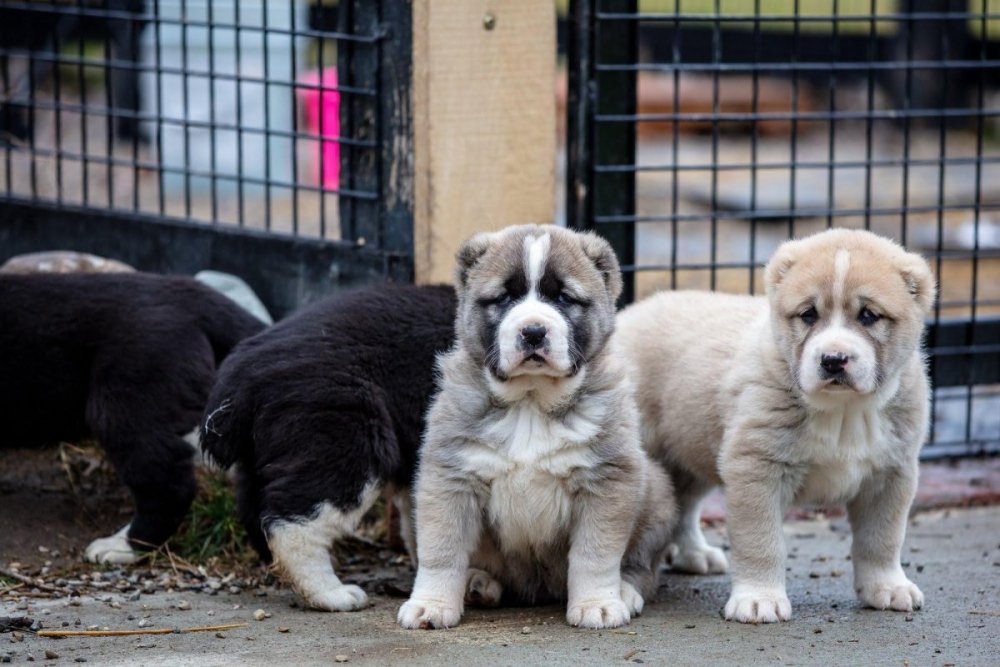
You might come across a Central Asian Shepherd Dog and wonder what, exactly, you are looking at. The dog can be huge, calm to the point of stillness, and then suddenly very switched on when something changes in the environment. For people used to social, people-oriented breeds, that steadiness can be mistaken for “easy-going”. In reality, it often reflects a dog that has been shaped to make decisions, hold ground, and take unfamiliar situations seriously.
These dogs have a long history as livestock guardians, which means their instincts are built around assessing risk and defending space rather than seeking constant direction from a person. That can be a beautiful fit in the right home, and a difficult mismatch in the wrong one. Understanding what the breed was made for is practical, not romantic. It helps you predict the sorts of environments, routines, and handling that tend to keep everyone safe and settled.
Below is a grounded look at the Central Asian Shepherd Dog (often called the Alabai), with a focus on how their background shows up in day-to-day life, and what that means for training, health, grooming, and family suitability.
Breed snapshot: what people notice first
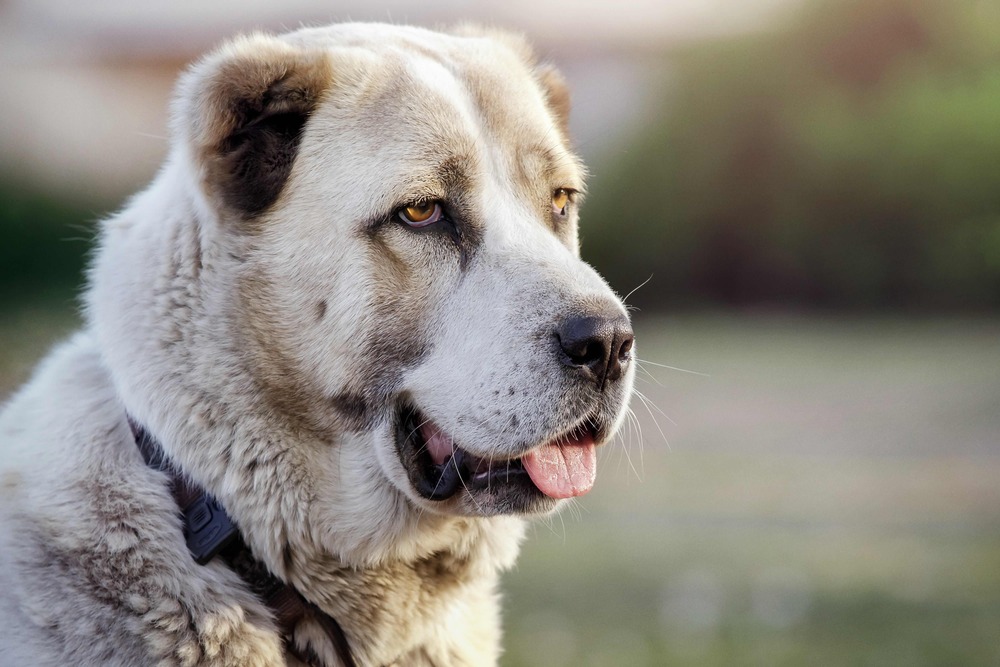
The Central Asian Shepherd Dog is widely recognised as a powerful, large livestock guardian breed, developed across a broad region historically described as Central Asia, and formalised through modern kennel club standards.1, 2 In Australia, the breed standard sits within Dogs Australia’s framework, with an Australian adoption date that is often cited as May 1996.2
- Type: Livestock guardian, utility style working dog
- Typical size: Large and heavy-boned, with substantial variation within the breed1, 2
- Coat: Dense, double coat, seasonal shedding is common
- Life expectancy: Often reported around 10 to 15 years, depending on lines and management3
People are sometimes surprised that a dog this imposing can appear quiet. Many Central Asian Shepherd Dogs are not “busy” in the way herding or gundog breeds can be. Their work historically rewarded calm vigilance, energy conservation, and the ability to respond when it mattered.
History and working purpose
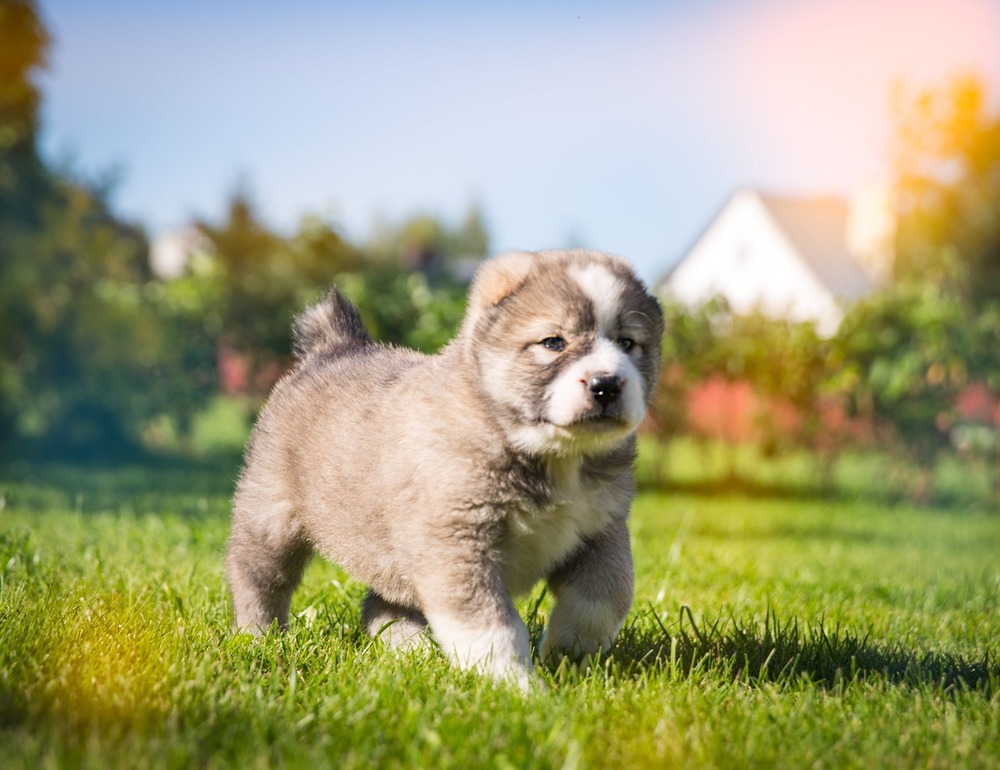
Breed histories are often told in sweeping, myth-like terms, but the useful thread here is simple: these dogs were valued because they could live alongside stock and discourage predators and intruders with minimal human supervision. Dogs Australia’s breed standard describes the Central Asian Shepherd Dog as an ancient type shaped by natural selection across a huge territory, and used to protect herds, caravans, and dwellings.2
That background helps explain several “modern” behaviour patterns that owners and trainers commonly report:
- strong preference for controlling access to a property or gate
- watchfulness around strangers approaching the home
- less interest in repeated drills, especially if the dog does not see the point
- greater comfort with predictable routines and clear boundaries
It is also why the breed can be a poor fit for highly social public lifestyles. A Central Asian Shepherd Dog may tolerate busy environments, but tolerance is not the same thing as enjoyment, and it is not the same thing as safety.
Appearance and unique traits
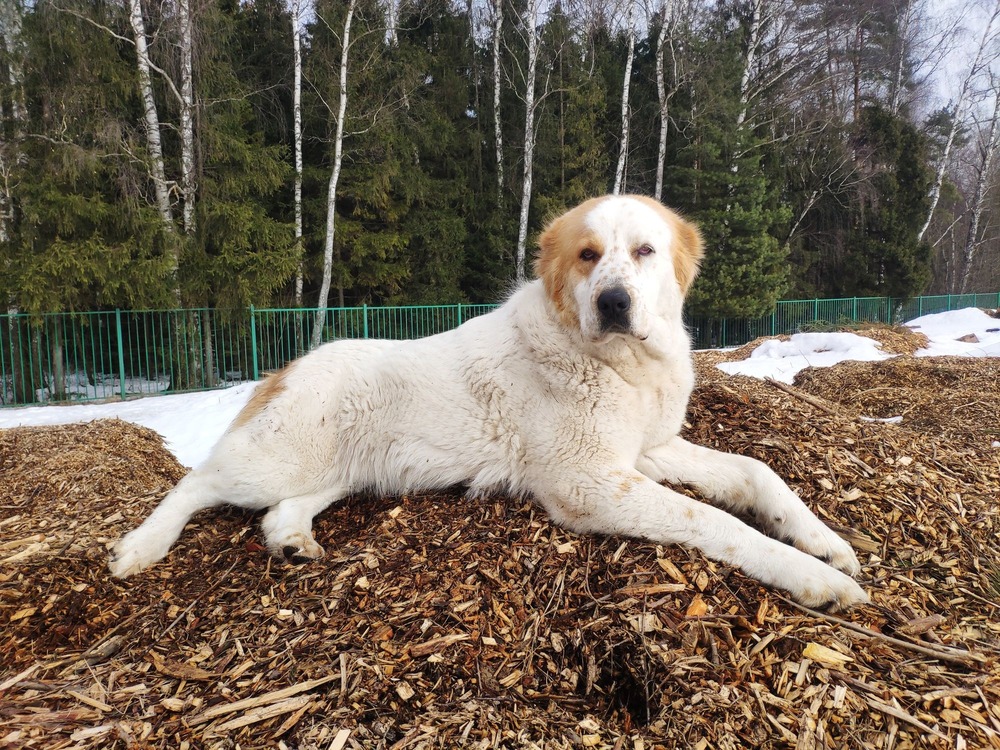
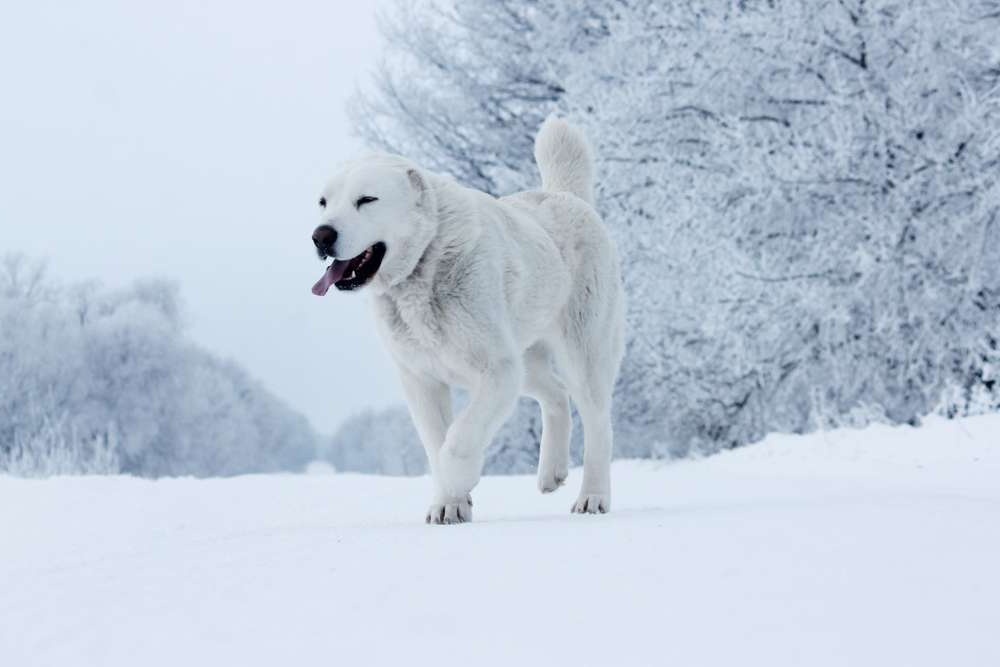
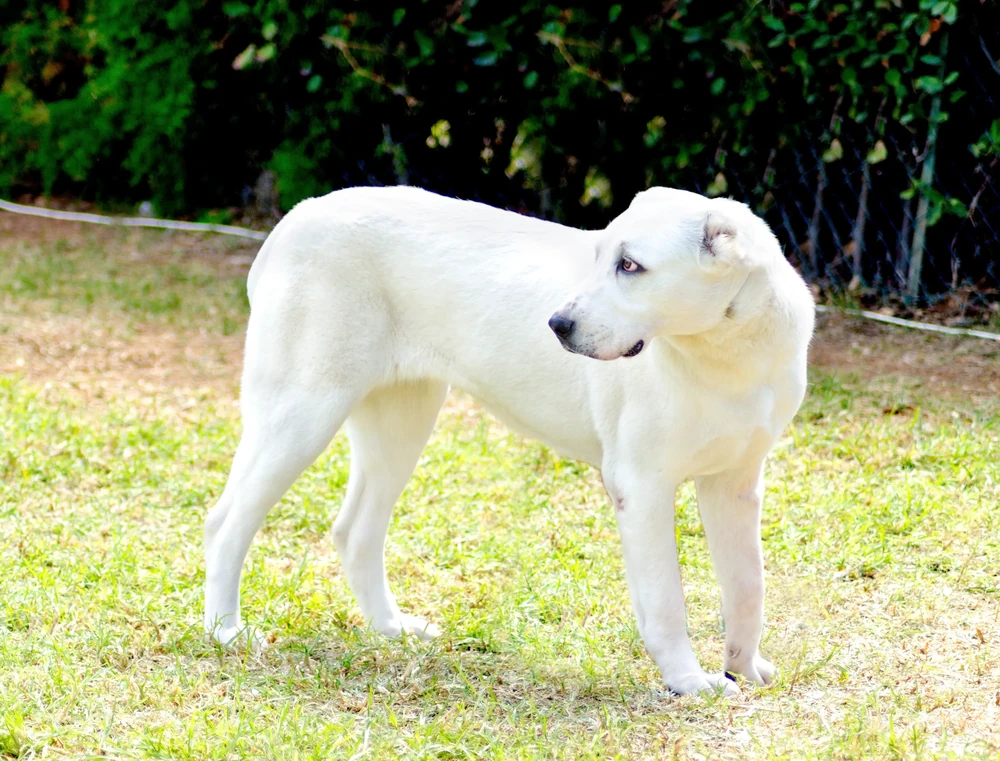
Central Asian Shepherd Dogs tend to have a broad head, substantial bone, and a thick coat designed for weather protection. Standards and breed descriptions emphasise function and soundness, rather than a single “look”.1, 2
Coat length can vary, but the common theme is density, with an undercoat that drops heavily at certain times of year. If you live in a warm part of Australia, it is worth thinking carefully about heat management. A double-coated dog can cope with cold well, but hot, still days and poor shade can be genuinely risky for large breeds, particularly those that prefer to lie still rather than self-regulate through constant movement.
Ear cropping and tail docking are sometimes seen historically in livestock guardian contexts. In Australia, these practices are regulated, and in many places they are restricted to therapeutic reasons only, depending on the state or territory. If you are unsure what applies where you live, check current local rules through your relevant government authority.7
Temperament: protective does not mean aggressive
A well-managed Central Asian Shepherd Dog is often steady, observant, and slow to make friends. That can be deeply reassuring for owners who want a guardian type, but it also means you should treat the dog’s decision-making seriously. Stranger tolerance is not guaranteed, especially on the dog’s home ground.
It helps to think in practical terms rather than labels. Many of these dogs will:
- watch first, then act
- prefer distance over close contact with unfamiliar people
- settle best with clear daily patterns
- be less motivated by toys or repeated games than some other working breeds
Families sometimes do well with this breed, but supervision matters. Size alone creates risk in normal household moments, such as a child running, squealing, or having friends over. A calm dog can still collide with a toddler, and a protective dog can misread a noisy game.
Training and socialisation in real life
With guardian breeds, early work is less about teaching tricks and more about building safe, predictable patterns. Socialisation is not simply exposure. It is carefully arranged experiences that teach the dog what is normal, what is irrelevant, and what you will handle.
In Australia, the RSPCA recommends reward-based training approaches grounded in positive reinforcement, and advises avoiding aversive methods and equipment that rely on pain, intimidation, or coercion.4, 5 For an independent, powerful breed, harsh methods can create conflict quickly. The practical goal is not “total control”, it is a dog that can accept guidance and recover calmly from surprises.
What helps most with this breed
- Environmental management, such as secure fencing, double gates, and visitor routines
- short sessions that end while the dog is still engaged
- reinforcement for calm behaviours, not only for obedience positions
- structured decompression time, including quiet areas away from visitors
If you are working with a trainer, look for someone experienced with livestock guardian types, not just high-drive sport dogs. The skill set is different, and so is the risk profile.
Exercise and enrichment: less about kilometres, more about containment
These dogs need regular movement and mental stimulation, but they are not always built for constant high-speed exercise. Many do best with a steady routine: walks in quieter areas, time in a secure yard, and small “jobs” that suit their temperament, such as boundary games, scent-based enrichment, and calm stationing.
Because they can be territorial and powerful, the more important question is often, “Can I keep this dog securely contained and calmly handled in daily life?” A bored or under-managed guardian breed can create neighbourhood problems quickly, particularly if the dog has access to fences, gates, or sightlines to pedestrians and other dogs.
Health considerations and lifespan
Central Asian Shepherd Dogs are often described as robust, in part because the type developed over time under demanding conditions. Even so, modern dogs can still face the same broad issues seen in other large breeds.
Hip dysplasia is commonly raised as a concern, and screening is widely recommended by veterinary sources.3, 6 If you are buying a puppy, ask for evidence of hip scoring or equivalent screening, and be cautious about breeders who dismiss joint disease as “rare” without data.
As a general guide, large-breed dogs benefit from:
- lean body condition, since excess weight increases joint load
- age-appropriate exercise during growth
- regular veterinary checks, including mobility monitoring as the dog ages
Lifespan is often reported in the range of 10 to 15 years, but it varies by genetics, size, and health management.3
Coat care, grooming, and seasonal shedding
A dense double coat is practical for weather protection, and it also means you will be living with hair. Regular brushing is less about making the dog “look nice” and more about comfort, skin health, and reducing compacted undercoat.
Many owners find a weekly brush is manageable most of the year, then more frequent grooming during the big seasonal shed. An undercoat rake can help, but go gently. If you are pulling hard, you are probably irritating the skin or breaking coat.
Bathing is usually occasional. Over-washing can dry the skin, and a wet, thick undercoat that does not dry properly can create its own problems. If odour, itching, or redness becomes a pattern, it is worth discussing with your vet.
Feeding and growth: supporting a big body responsibly
For a large, heavy dog, nutrition choices show up in the joints, the skin, and long-term mobility. The basics are not glamorous: choose a complete and balanced diet appropriate for the dog’s life stage, keep treats sensible, and monitor body condition regularly.
If your dog is growing quickly, consider discussing large-breed growth and calorie management with your vet. Overfeeding in puppyhood is a common, well-meaning mistake, and it can contribute to stress on developing joints in any large breed.
Fresh water and shade are non-negotiable, particularly in warmer months. Large dogs can struggle to dump heat, and guardian breeds may lie still rather than seek airflow or move to cooler ground.
Is this the right breed for your household?
The Central Asian Shepherd Dog can be a remarkable companion in the right context, especially for people who genuinely want a guardian type and can offer space, structure, and excellent containment. The breed tends to suit homes where visitors are managed thoughtfully, and where the dog is not expected to welcome every stranger as a friend.
Before committing, it is worth being honest about your day-to-day life. Do you have the time and experience to build handling skills, a secure property setup, and calm routines? Are you comfortable advocating for a dog that may prefer distance? If the answer is yes, you may find the relationship quietly rewarding.
References
- Federation Cynologique Internationale (FCI): Central Asia Shepherd Dog (Standard No. 335)
- Dogs Australia: Central Asian Shepherd Dog breed standard (FCI Standard No. 335, adopted in Australia)
- PetMD: Central Asian Shepherd Dog breed health and care
- RSPCA Australia: The do’s and don’ts of training your dog
- RSPCA Knowledgebase: Training recommendations and avoiding aversive methods
- American Veterinary Medical Association (AVMA): Hip dysplasia in dogs
- RSPCA Knowledgebase: Tail docking and legal context in Australia
- RSPCA Knowledgebase: Reward-based dog training and why it is supported
- Dogs NSW: Central Asian Shepherd Dog breed standard information