

You might first notice a Chien Français Blanc et Noir in a photo and assume it is simply a striking black and white hound. Then you read a little further and realise it is not a pet breed that was shaped around suburban life at all. It is a working scenthound, built for long days outdoors, moving with a group, and following scent with a kind of steady determination that can surprise first-time owners.
That mismatch is where most of the real-world questions start. People often wonder why a dog like this seems calm at home one moment, then suddenly locks onto a smell on a walk and becomes difficult to shift. It is not stubbornness so much as an inherited job description, and it helps to understand that before you decide whether this is the right sort of companion for your household.
When the fit is right, this breed can be deeply satisfying to live with. When the fit is off, the same qualities that make them excellent pack hounds can show up as frustration, noise, or wandering. The details matter in practice, especially around exercise, training style, and day-to-day management.
- Breed category: Scenthound
- Country of origin: France
- Typical height: males about 65 to 72 cm, females about 62 to 68 cm (varies by standard)
- Typical weight: commonly around 28 to 35 kg, depending on sex and condition
- Average lifespan: often around 10 to 12 years
- Coat: short, dense
- Coat colour: black and white, sometimes with ticking, and tan points can occur
- Energy level: high
- Grooming: generally low, regular brushing helps manage shedding
Heritage and what the breed was made to do

The Chien Français Blanc et Noir (French White and Black Hound) sits in the traditional French scenthound world, where dogs are expected to work as part of a pack on big ground. In modern terms, that usually means long outings, sustained effort, and a mind that stays on task once scent is found.1, 2
It is easy to read “hunting dog” and imagine something fast and intense. Many scenthounds are different: steady, persistent workers that can cover distance for hours. That stamina is still there in pet homes, so daily life tends to go best when owners plan for more than a quick lap of the block.
If you are trying to understand why this breed can seem so socially comfortable with other dogs, the pack tradition is part of the answer. A dog selected to work in a group often copes well with canine company, provided introductions and management are sensible and calm.
Appearance and the “hound” features that affect care
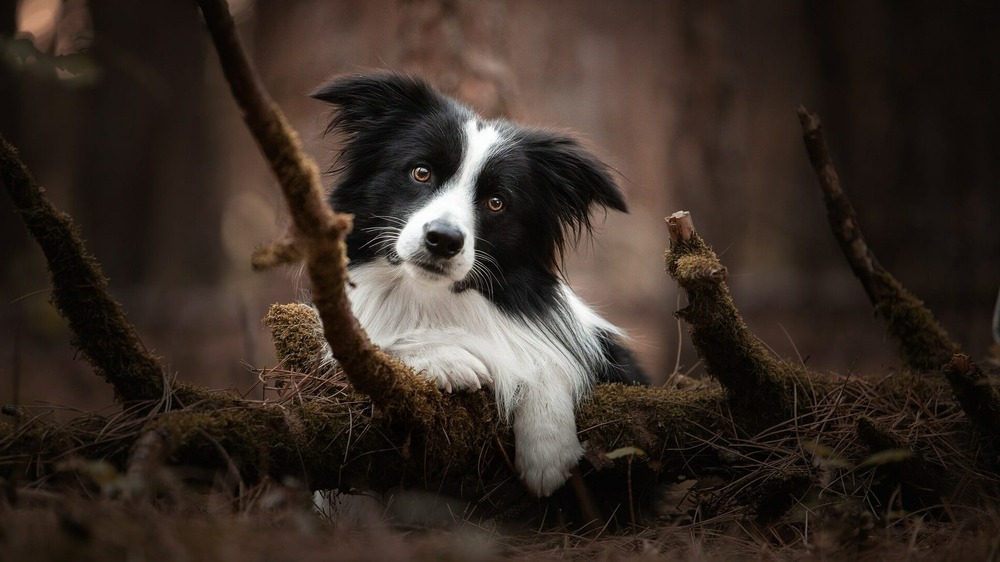
This is a large, athletic hound with a short, dense coat and long drop ears. Breed standards describe a black and white coat that may include ticking, and some standards allow tan markings on the head and legs.2, 3
The coat itself is not usually the time-consuming part. What tends to matter more day to day is the overall build and ear shape. Those long ears look classic, but they can reduce airflow and trap moisture, which is one reason ear checks become a routine rather than an occasional chore.5
Most individuals are not drooly compared with some heavier-mouthed hounds, but they are still athletic dogs who can get muddy, pick up grass seeds, and come home smelling like the outdoors. If you prefer a dog that stays pristine, this may not be your breed.
Temperament, voice, and the scent-driven brain
Well-bred hounds of this type are often described as sociable and workable in groups, with a “businesslike” approach to the world once they are on scent. In a household, that can look like a dog who is affectionate and relaxed at home, then becomes very focused outdoors, especially in new places.1, 3
It helps to assume your dog is doing exactly what it was selected to do. The goal is not to remove the sniffing, which is unrealistic, but to shape it. Practise disengagement (looking back to you, responding to a cue) and reward the choices you want to see repeated.
Many scenthounds also have a “voice” that carries. Some owners love it, others find it a challenge in close suburbs. If noise could be an issue where you live, it is worth factoring that into your decision, and building quiet, calm routines from the start.
Home life, space, and realistic suitability
This breed is usually best suited to people who can provide regular outdoor time, secure fencing, and a lifestyle that supports consistent exercise. That does not mean everyone needs acreage, but it does mean the dog needs a genuine outlet for movement and sniffing, most days, for life.
Apartment living is not automatically impossible, but it tends to be harder. Large scenthounds can be perfectly mannerly indoors, yet they still need real exercise and enrichment, and they can become unsettled if their needs are repeatedly met “later”.
If you have children or other pets, the basics are the same as with any large, energetic dog. Supervise, teach gentle handling, and do not expect tolerance to appear by magic. With sensible socialisation and management, many pack-bred hounds do well in multi-dog homes.4
Training and exercise that actually works for a scenthound
For a scent hound, training is less about drilling obedience and more about building habits. You are teaching the dog that paying attention to you is rewarding, even when the ground is full of interesting information.
Helpful foundations
- Recall with management: start on a long line, reward heavily, and do not test it off-lead too early.
- Loose-lead walking: allow sniff breaks, then cue a return to walking, rather than trying to prevent sniffing entirely.
- Settle skills: practise resting on a mat, and reward calm behaviour after activity.
Exercise should include both physical movement and scent-based work. Many owners find that a brisk walk plus structured sniffing time, for example a scatter feed in grass or simple scent games, produces a dog that rests more easily at home.6
If you run or hike, these dogs can be wonderful companions, but build fitness gradually and consider heat. A short coat does not automatically mean a dog copes well with hot weather, especially when it is working hard and excited.
Health notes, ear care, and what to watch
Like many medium to large breeds, hip dysplasia is a condition worth keeping in mind, particularly if you are choosing a puppy. Screening of breeding dogs is an important safeguard, although it cannot guarantee outcomes.7
Ear trouble is another practical issue. Dogs with long, covered ears can be more prone to otitis externa because the ear flap can keep the canal warm and moist. If your dog swims, gets frequent baths, or lives in humid conditions, dry, clean ears matter even more.4, 5
When to see your vet
Persistent head shaking, redness, a strong smell, discharge, or obvious discomfort are all reasons to book an appointment. Ear infections often do not resolve on their own, and the right treatment depends on what is driving the problem (yeast, bacteria, mites, allergies, or other factors).4, 5
Grooming and everyday maintenance
The coat is usually straightforward. A weekly brush helps manage moderate shedding, spreads skin oils, and gives you a chance to check for ticks, grass seeds, and minor skin issues after adventures outdoors.
Think of grooming as a whole-body check-in. Nails, paw pads, teeth, and ears tend to make the biggest difference to comfort. For dental care, regular brushing is the gold standard, and it is one of those habits that is much easier to teach gently from puppyhood.8
If you are ever unsure about ear cleaning products or technique, ask your vet to demonstrate. Some products are appropriate for routine maintenance, and others are intended for specific ear problems.
Feeding an active, large scenthound
A dog built for endurance benefits from a consistent, balanced diet and a stable routine around meals. Choose a complete and balanced food that suits your dog’s life stage, and monitor body condition rather than feeding to the label alone. For large dogs, staying lean can reduce stress on joints over time.9
Be cautious with rich treats and sudden diet changes, especially around heavy exercise. If you are using food in training, it can help to measure it out from the daily ration so you are not accidentally overfeeding.
If your dog shows ongoing itchiness, recurrent ear infections, or digestive upsets, speak with your vet. Sometimes the issue is environmental, sometimes it relates to diet, and sometimes there is more than one factor involved.5
Final thoughts
The Chien Français Blanc et Noir is at its best when its instincts are treated as information, not a nuisance. If you can offer steady exercise, secure boundaries, and training that respects the power of scent, you are more likely to see the dog you hoped for: a capable, companionable hound with a calm presence at home and a serious love of the outdoors.
If you cannot meet those needs right now, that is not a failure. It is simply an honest read on what life with a working scenthound tends to require.
References
- Wikipedia: Chien Français Blanc et Noir
- Fédération Cynologique Internationale (FCI): Français Blanc et Noir (No. 220)
- United Kennel Club (UKC): Chien Francais Blanc et Noir breed standard
- The Kennel Club (UK): Otitis externa in dogs
- PetMD: Dog ear infections (otitis)
- RSPCA Australia: Enrichment ideas for dogs
- American College of Veterinary Surgeons (ACVS): Hip dysplasia in dogs
- World Small Animal Veterinary Association (WSAVA): Global Dental Guidelines
- American Animal Hospital Association (AAHA): Nutrition and Weight Management Guidelines