

You might come across the Chien Français Blanc et Orange the way many people do, by noticing a photo of a lean white hound with soft orange markings and thinking it looks a bit like other pack hounds you have seen. Then you read a line or two about hunting, scent work, or “French hounds”, and it is not always clear what is actually distinctive about this dog.
What tends to surprise people is that this is not a generic “hunting dog” label. It is a specific French scenthound, developed for working in a pack under human direction, with the kind of stamina, voice, and nose that makes sense once you picture long days moving through countryside rather than short bursts of activity close to home.1, 2
For everyday owners, the practical question is less “is it rare?” and more what does this dog need to feel settled. The answer usually comes back to space, routine exercise, and training that respects a hound’s way of learning.
- Breed category: Scenthound (pack hound)
- Country of origin: France
- Typical height: males about 62 to 70 cm at the withers (FCI standard); females commonly slightly smaller
- Coat: short, fine, close
- Colour: white with pale orange or orange markings (orange should not be too dark or red)
- Build: lean, athletic, made for endurance
- Exercise needs: high, daily activity and sniffing outlets
- Grooming: low to moderate, regular brushing and ear checks
Origins and working background
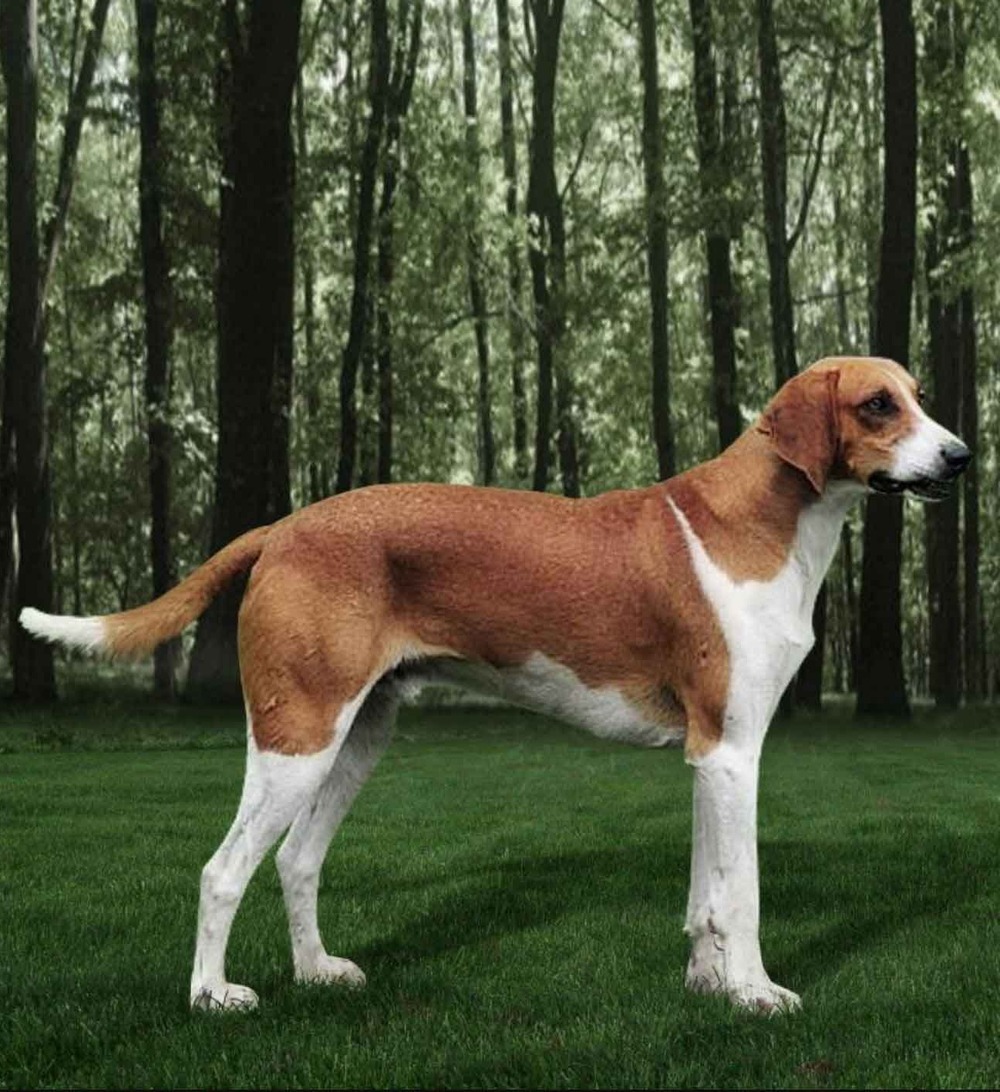
The Chien Français Blanc et Orange sits in the long tradition of French pack hounds. In modern terms, the FCI lists it in Group 6 (scent hounds), and recognises it on a definitive basis, with the breed standard published in the 1990s (and earlier official dates noted by the FCI).2
It helps to understand what “pack hound” means in practice. These dogs were developed to work in a coordinated group, following scent and giving voice as they move, with people directing the hunt. That heritage often shows up today as strong environmental focus, a preference for moving with other dogs, and a tendency to follow scent trails with real commitment.1, 3
You will sometimes see online claims that this breed was created by crossing French hounds with English Foxhounds. Crossbreeding certainly happened across many European hound lines, and it is part of the broader story of some Anglo-French hounds, but the most reliable anchor for this particular breed is the official standard and classification rather than a single neat origin recipe.2, 3
Appearance: what the breed standard points to
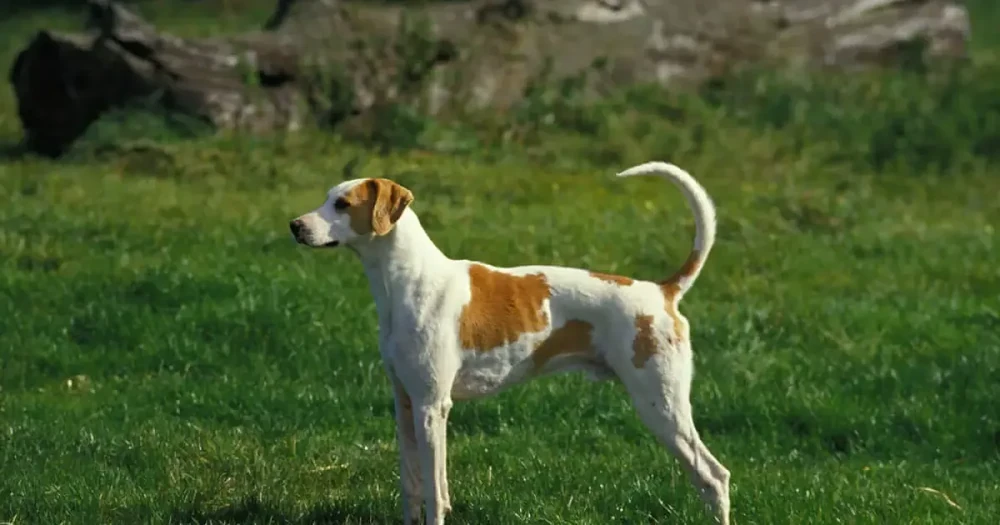
In person, these dogs read as cleanly built and workmanlike rather than heavy. The head is carried with an alert, forward quality, the ears are long and dropped, and the chest and legs are designed for covering ground efficiently.2
The coat is short and close, which is practical for a dog that moves through scrub and changing weather. Colour is part of the breed identity: white with orange markings, but the orange should not be so dark that it looks red.2
If you are comparing similar names, take care not to confuse this breed with the Grand Anglo-Français Blanc et Orange, which is a different FCI-recognised hound with its own standard and history.4
Temperament in the real world
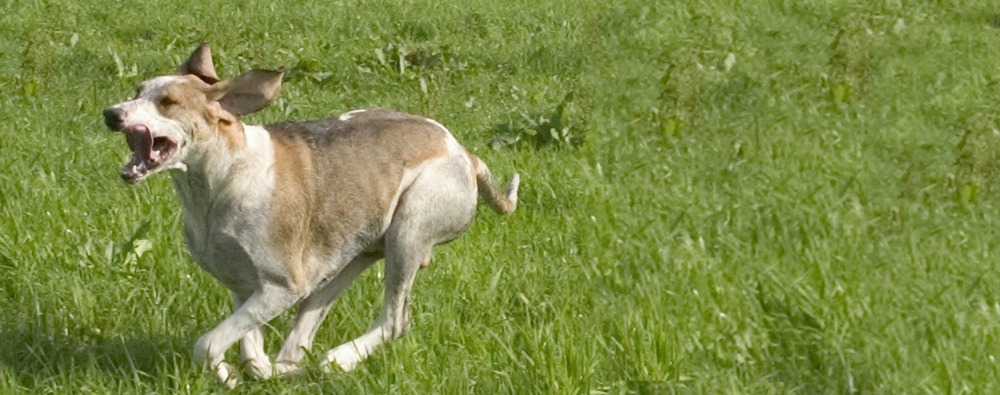
Breed standards do not always describe temperament in detail, so it is better to think in terms of what a scenthound bred for pack work is likely to bring into a home. Many owners find the day-to-day temperament is pleasant and social, particularly with people who understand that hounds are often guided by their noses first and their eyes second.1, 2
A common mismatch is expecting instant recall and tight off-lead reliability just because the dog is “friendly”. With scent hounds, the drive to follow odour can be strong, and it is usually safer to plan for fenced exercise areas and long-line training until skills are genuinely proofed.5
Another gentle misconception is that a high-energy hound can be “sorted” with physical exercise alone. For many of these dogs, sniffing is the work. When they get regular chances to track, forage, and explore scent safely, they often settle more easily at home.
Training and exercise that suits a scenthound
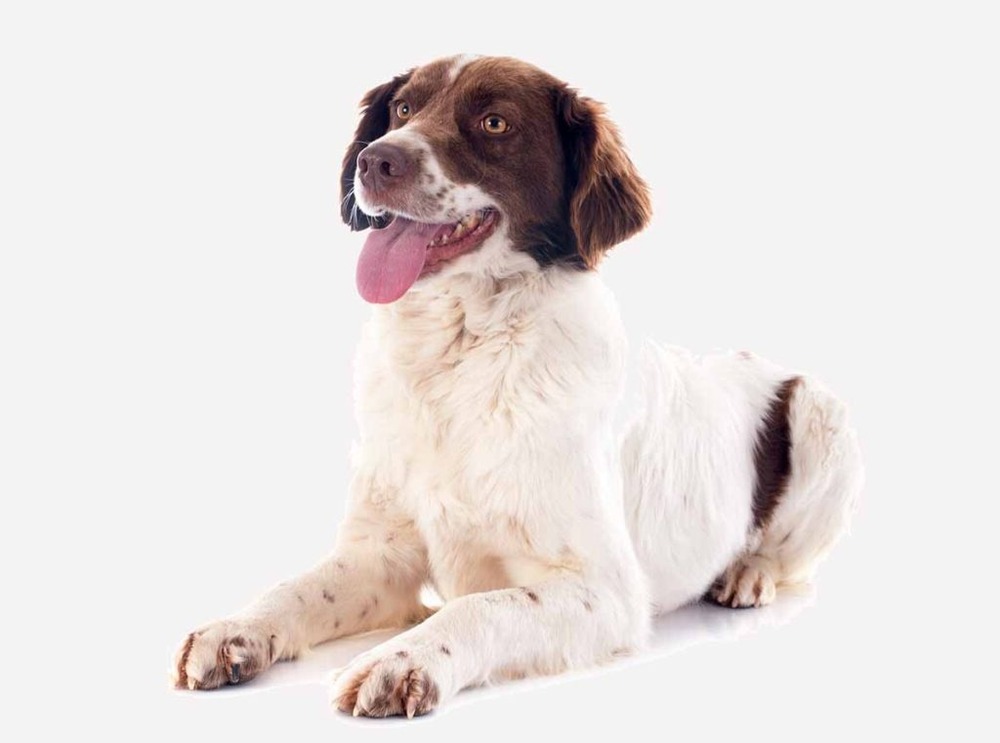
Consistent, reward-based training tends to work well, especially when sessions are short, clear, and repeated across different settings. The goal is not to “out-stubborn” a hound, but to make the right behaviour easy to repeat, then gradually add distractions as the dog succeeds.5
Daily movement matters, but so does how it is delivered. Many dogs do best with a mix of on-lead walks, safe off-lead running in secure areas, and structured sniffing games. It is also sensible to avoid hard, forced exercise around meals, and to choose cooler times of day in warm weather.6
- Practical enrichment: scatter feeding in grass, scent trails with treats, “find it” games, and slow sniff walks
- Useful skills: loose-lead walking, a strong recall foundation, and calm settling at home
- Management basics: secure fencing and a long line for open areas while training is still developing
Health considerations: hips, ears, and the basics
No breed is perfectly predictable health-wise, and individual dogs vary. Two issues often worth keeping in mind with larger, active dogs are hip dysplasia and ear disease.
Hip dysplasia is a developmental condition where the hip joint does not form as well as it should, which can lead to joint laxity and, over time, osteoarthritis. Genetics are important, and growth rate and body condition can also influence outcomes, so keeping dogs lean and working with a vet on exercise and weight management is sensible.7, 8
Long, floppy ears can reduce airflow and trap moisture, which can contribute to otitis externa (inflammation of the outer ear canal). Not every dog with drop ears gets infections, but regular checks, keeping ears dry after swimming or baths, and using vet-advised cleaning routines for dogs prone to recurrence can make a real difference.9
Grooming and day-to-day care
The short coat is relatively straightforward. A weekly brush is often enough to lift loose hair and dirt, and it can be a good routine for noticing small changes like skin irritation, new lumps, or sore spots.
Ears are the area most worth a calm, regular habit. A quick look and sniff once or twice a week can catch early changes, such as redness or increased wax, before they become painful. If your dog is infection-prone, ask your vet to show you a safe cleaning method and how often to do it for that individual dog.9
Nails, teeth, and parasite control sit in the same “little and often” category. None of it is glamorous, but it is what keeps an athletic dog comfortable enough to move well and enjoy life.
Feeding and weight management
For an active hound, the aim is steady energy, good muscle condition, and a body shape that stays light on the joints. A complete and balanced diet is the starting point, then portions are adjusted based on age, activity, and body condition score, ideally with your veterinary team guiding the details.10
Because growth and excess weight can complicate joint issues in larger dogs, it is worth treating weight as a health metric, not a cosmetic one. If you can easily feel ribs under a light layer of tissue and see a waist from above, you are usually in the right neighbourhood.
Is this breed likely to suit your home?
The Chien Français Blanc et Orange tends to suit people who genuinely enjoy daily outdoor time, who can provide safe space, and who do not mind a dog that experiences the world nose-first. In a rural setting, or with access to secure areas for running and scent work, that can be a very natural fit.
Apartment living is not automatically impossible for every individual dog, but this is not a breed most people would call “easy” in a small space. Without enough scent outlets and movement, frustration behaviours can show up, and they can be hard to live with. It is kinder to plan for realistic daily exercise before you fall in love with the idea of the breed.
References
- Wikipedia: Chien Français Blanc et Orange
- FCI: Français Blanc et Orange (Breed No. 316)
- Société de Vènerie: Le chien français blanc et orange
- FCI: Grand Anglo-Français Blanc et Orange (Breed No. 324)
- RSPCA Knowledgebase: Advice on caring for my dog (reward-based training and exercise)
- RSPCA Pet Insurance: How to safely exercise your dog or puppy
- Merck Veterinary Manual (Pet Owner): Hip dysplasia in dogs
- American College of Veterinary Surgeons: Canine hip dysplasia
- Merck Veterinary Manual (Professional): Otitis externa in animals (maintenance care)
- WSAVA: Global Nutrition Committee (nutrition guidelines and toolkit)