

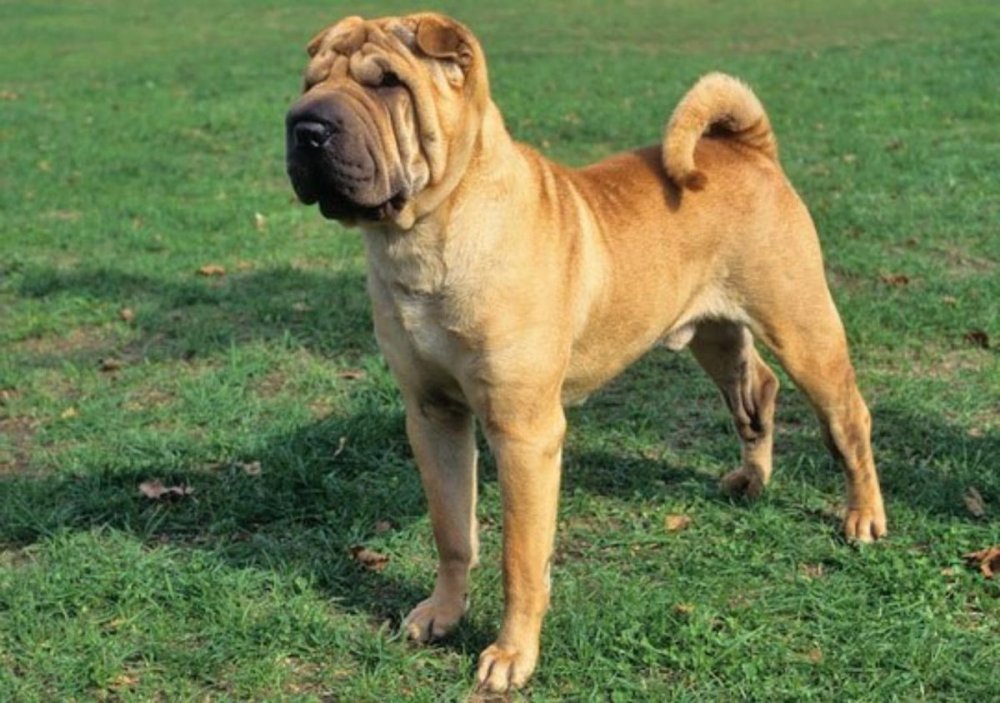
You might first notice a Chinese Shar-Pei because of the wrinkles, or because one is quietly watching from the end of the lead while other dogs bounce around. They have a particular way of moving through the world: measured, observant, not always interested in making friends on cue.
That can be appealing, especially if you like dogs with a bit of independence. It can also be confusing at first. A Shar-Pei that steps back from strangers or seems “stubborn” in training is not necessarily poorly socialised or badly behaved. Often, it is simply a dog with a strong preference for calm, predictable handling.
What matters in practice is that their famous look comes with specific care needs. The same skin that makes them distinctive can be high maintenance when it is irritated, and their eyes, ears, and heat tolerance are worth thinking about early, not after a problem has started.
At a glance
Breed group: Non-sporting (in many kennel club systems). Origin: China. Size: medium, often around 46 to 51 cm at the shoulder and 18 to 30 kg, with plenty of variation. Life expectancy: commonly 8 to 12 years.
- Coat: short, harsh, “sandpaper” feel.
- Shedding: usually low to moderate.
- Exercise: moderate, steady daily activity suits most.
- Temperament: loyal, independent, often reserved with strangers.
- Common health themes: skin and ear problems, eyelid issues (entropion), and breed-related inflammatory fever episodes in some lines.6, 7
Origins and what the breed was made for
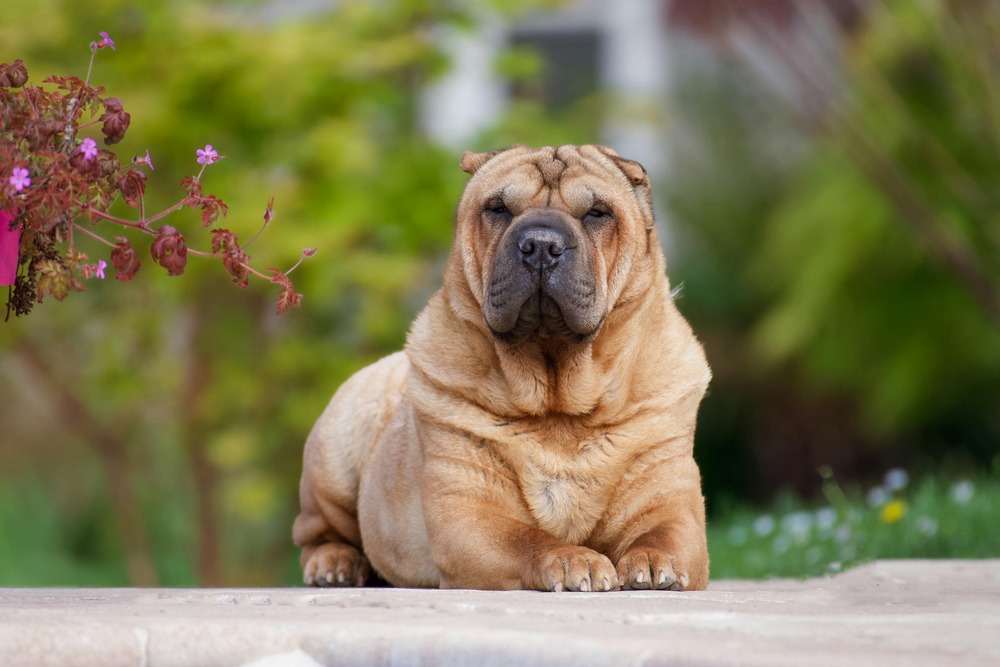
Shar-Peis are widely described as an old Chinese breed, with links to southern China and a history of practical work: guarding property, helping with hunting, and living close to people rather than at a distance.3
In the twentieth century, their numbers dropped sharply, then rose again after an international push to preserve the breed. Accounts commonly point to the early 1970s and Matgo Law’s “Save the Shar-Pei” appeal as a turning point, followed by increased importation and organised breed club activity, and later formal recognition by major kennel clubs such as the American Kennel Club in 1992.1, 2
That modern rebuilding matters because it helps explain why you will see differences between individuals. Within the same breed name, some dogs are more heavily wrinkled than others, and health risks can shift with conformation and breeding choices. Good breeders prioritise health and soundness over extreme skin and head type.
Appearance and the traits people notice first
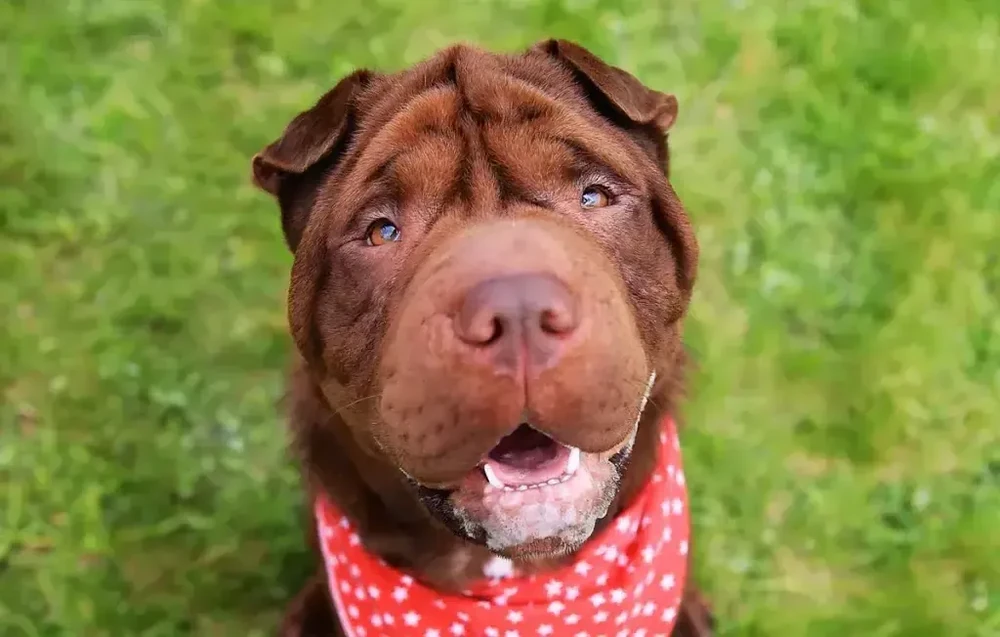
The classic Shar-Pei outline is compact and muscular, with small folded ears and a tail that curls up over the back. Their coat is short and bristly, often described as “sand skin”, and comes in a wide range of colours.
The wrinkles are most dramatic in puppies, then often settle as the dog grows, though some adults keep deep folds. Their blue-black tongue is another distinctive feature, shared with only a small number of breeds.
It is worth knowing that “more wrinkles” is not always better. Heavy skin folding can increase the chance of irritation and infection in some dogs, and the same facial structure that creates a “frowning” look can contribute to eyelid problems in susceptible individuals.6, 7
Temperament, social life, and what “reserved” can look like
Many Shar-Peis are deeply attached to their people, but not necessarily demonstrative with everyone else. Reserved dogs often prefer a little space and time, especially with visitors, unfamiliar dogs, or busy environments.
This can be misunderstood. A Shar-Pei that chooses not to greet is not automatically fearful or aggressive. Often, they are simply selective and calm. The practical takeaway is to support neutrality: teach your dog that it is acceptable to watch from a comfortable distance, rather than insisting on constant interaction.
With children, the fit depends on the household. Shar-Peis tend to do best with steady routines and respectful handling. Supervision is sensible with any dog and any child, and it is particularly important with a breed that may not enjoy rough, unpredictable attention.
Training and exercise that suits the Shar-Pei brain
Training a Shar-Pei is usually less about “dominance” and more about motivation, clarity, and keeping sessions low-pressure. Many are smart, but they can switch off if they feel pushed, bored, or confused.
Keep it simple and consistent: short sessions, clear cues, and rewards that matter to the dog. Positive reinforcement is not about letting behaviour slide, it is about making the right behaviour easy to repeat. If you run into persistent challenges, a qualified force-free trainer can help you adjust the plan before frustration becomes a habit.
Exercise needs are typically moderate. Think daily walks, sniffing time, and a bit of play rather than high-intensity endurance work. In hot or humid conditions, adjust your expectations. Many dogs will keep going to please you, right up until they are in trouble.
Heat, humidity, and sensible summer routines
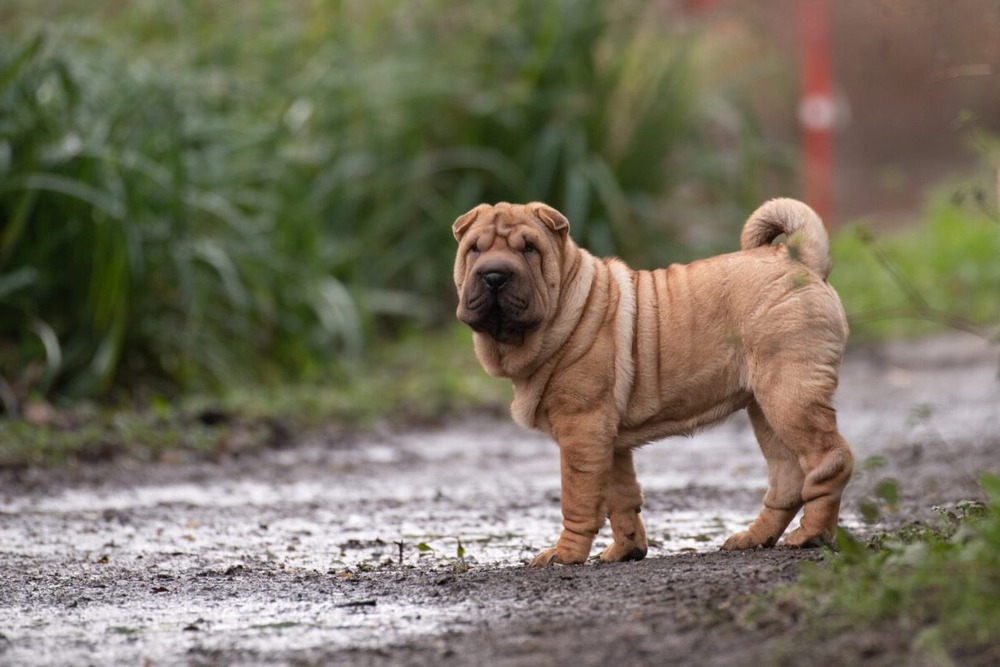
Shar-Peis can struggle in heat, and not all warning signs look dramatic at first. Heat stress risk goes up with high temperatures, humidity, excess body weight, and overexertion. Even a “quick” walk on a warm afternoon can be too much for some dogs.4, 5
- Walk at cooler times, early morning or evening is often safer in summer.5
- Give plenty of shade and water, and avoid hard exercise when it is muggy.4
- Be cautious on hot pavement, and keep outings shorter if your dog is panting heavily or slowing down.5
- Never leave a dog in a parked car, even briefly.4
If you suspect heatstroke, urgent veterinary care is essential. First aid guidance typically focuses on cooling with tepid or cool water and airflow, then getting to the vet quickly, rather than using ice-cold water or ice baths.5
Skin folds, ears, and everyday grooming
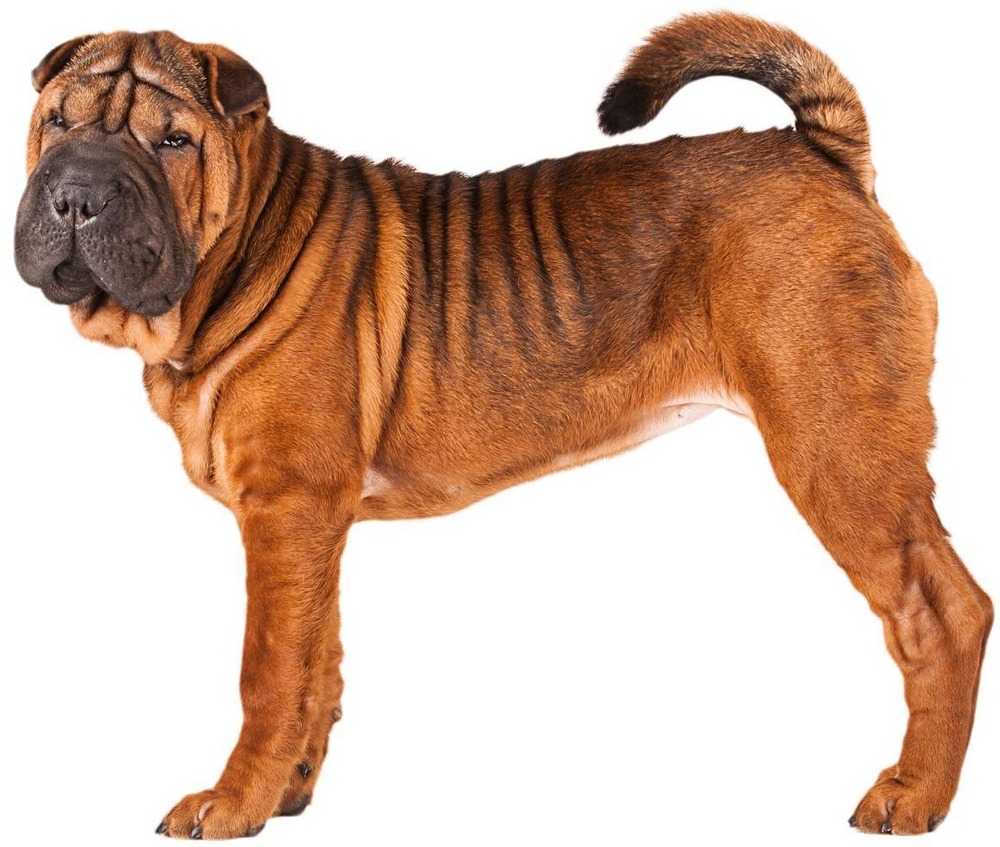
The Shar-Pei coat itself is usually easy, a quick brush to remove loose hair and check the skin is often enough. The work is in the details.
Skin folds can trap moisture and debris. Some dogs cope fine with minimal fuss, while others need more active management. A good rule is to keep folds clean and thoroughly dry after bathing, swimming, or rainy walks. If you notice redness, odour, greasiness, or recurring itch, ask your vet for a plan rather than trying random washes at home.
Small, folded ears can also mean less airflow, which can contribute to recurring ear trouble in some dogs. Regular, gentle checks are helpful. Avoid deep cleaning unless your vet has shown you what to do and why.
Health issues seen in the breed
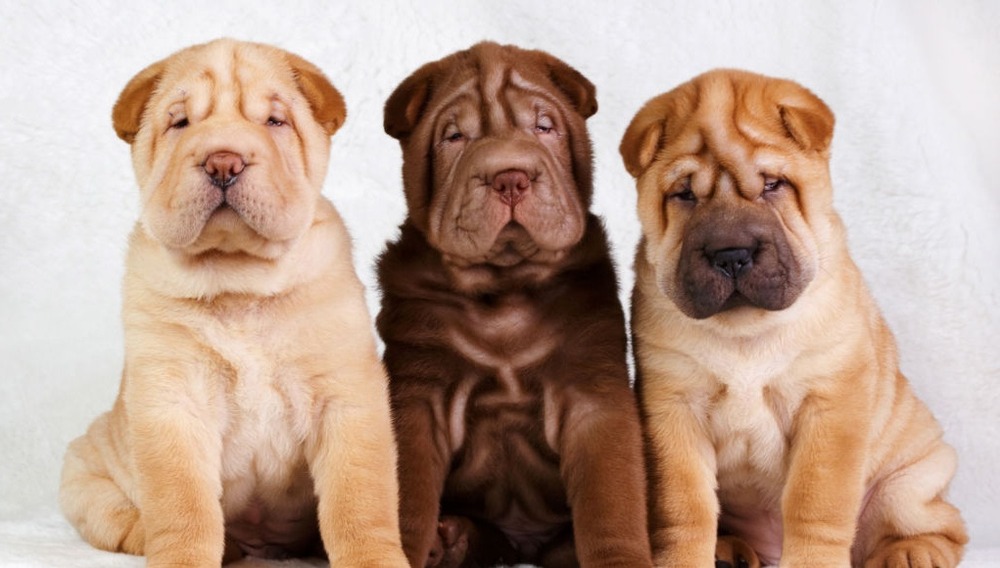
No breed is “guaranteed” to have a particular condition, but Shar-Peis have a few patterns worth understanding. Knowing the common themes can help you spot trouble early and choose a breeder who is working to reduce risk.
Eyelids and entropion
Entropion is when the eyelid rolls inward, so hair rubs against the surface of the eye. It can cause tearing, squinting, irritation, and corneal damage if it persists. Shar-Peis are one of the breeds commonly associated with this condition, and treatment may include medication for irritation and, in some cases, surgery to correct the eyelid position.6
Shar-Pei fever and amyloidosis
Shar-Pei fever (also described as a familial autoinflammatory syndrome) involves episodes of high fever and inflammation, sometimes with joint swelling. One serious concern discussed in veterinary references is the risk of amyloid deposition (amyloidosis), which can affect organs such as the kidneys. Diagnosis and management are veterinary-led, and may involve ruling out other causes of fever and ongoing monitoring in at-risk dogs.7
Joints and mobility
Hip dysplasia is often mentioned as a risk in many medium to large breeds, including Shar-Pei lines. The lived reality is usually gradual: stiffness after rest, reluctance to jump, or a change in gait. Keeping dogs lean and appropriately exercised supports long-term comfort, and your vet can guide you on imaging and pain management if concerns arise.
Feeding and weight, keeping it practical
Shar-Peis do well on balanced diets suited to their life stage and activity level. The bigger issue in day-to-day life is often not “finding the perfect food”, but keeping body condition steady. Extra weight adds load to joints and can make heat tolerance worse.
Veterinary nutrition guidance emphasises an individual nutrition plan and routine nutritional assessment, including body condition scoring, as part of regular healthcare. If you are unsure whether your dog is carrying too much weight, ask your clinic to show you how to score body condition and adjust intake in small, measurable steps.8
If you suspect food sensitivity, do not guess based on internet ingredient lists. Work with your vet to choose an appropriate elimination diet trial or a structured approach that actually answers the question.
Living with a Shar-Pei, who they tend to suit best
A Shar-Pei can be a deeply rewarding companion for someone who appreciates quiet steadiness and is comfortable building trust slowly. They often suit homes that like routine, prefer calmer dog socialising, and can handle some breed-specific care without resentment.
They are not always a plug-and-play dog. If you want a dog that happily greets everyone, tolerates chaotic handling, or thrives on constant novelty, you may find the Shar-Pei’s style challenging. If you want a dog that can settle, watch, and bond closely with its household, this breed can make a lot of sense.
References
- Chinese Shar-Pei Club of America: History
- American Kennel Club: Chinese Shar-Pei Club of America Collection
- Encyclopaedia Britannica: Shar-Pei
- RSPCA Australia: Warm weather worries, protect pets from heatstroke
- RSPCA Australia: Keeping your pet safe during the heat
- American College of Veterinary Ophthalmologists (ACVO): Entropion
- Merck Veterinary Manual: Shar-Pei Fever
- World Small Animal Veterinary Association (WSAVA): Global Nutrition Guidelines