


You might first notice a Chippiparai in a photo and do a double take. The outline looks familiar, like a greyhound at a distance, but there’s something earthier about it, a practical kind of elegance that feels shaped by place and work rather than fashion.
People also come across the breed through conversation, a friend from Tamil Nadu talking about dogs kept for hunting or guarding, or someone wondering why their own dog suddenly locks onto moving things in the park and takes off like it’s been switched on. With sighthounds, those moments can be confusing if you expect all dogs to behave like retrievers or shepherds.
The Chippiparai sits neatly in that space between beauty and function. Understanding what the breed was built to do helps you make sense of its calmness at home, its need for safe speed outside, and why early, thoughtful training matters so much.
- Breed category: Sighthound
- Country of origin: India (Tamil Nadu)
- Typical height: Around 55 to 65 cm at the shoulder (varies by lines)
- Typical weight: Often 15 to 20 kg (varies)
- Life expectancy: Commonly 12 to 15 years
- Coat: Short and smooth
- Grooming: Low, occasional brushing
- Exercise needs: High, with safe opportunities to run
- Temperament: Loyal, intelligent, often reserved with strangers
- Best suited for: People who enjoy daily movement and can provide secure space
History and origin
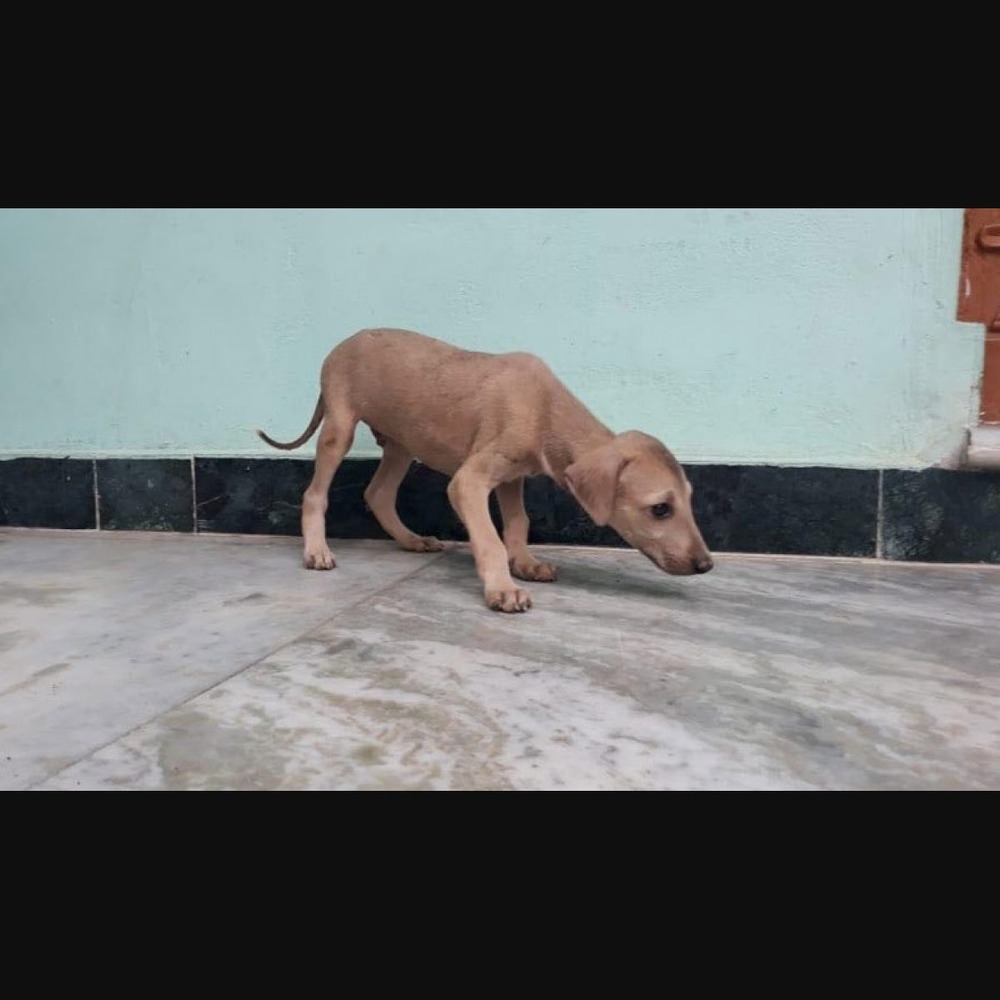
The Chippiparai is a native sighthound from Tamil Nadu in southern India, traditionally kept in rural settings where a fast, hardy dog had real value in everyday life.1
Older accounts commonly describe the breed being associated with local nobility and used for hunting, particularly pursuits where speed and keen eyesight mattered more than scent work. That context still shows up in modern Chippiparais as strong visual awareness and a tendency to track movement quickly.1
Today, you may also hear about efforts in Tamil Nadu to preserve and manage native breeds, including Chippiparai, alongside concerns about responsible breeding and genetic diversity. It is a useful reminder that “rare” breeds can be vulnerable, not only to disappearance but also to shortcuts in breeding when demand rises.2
Physical characteristics
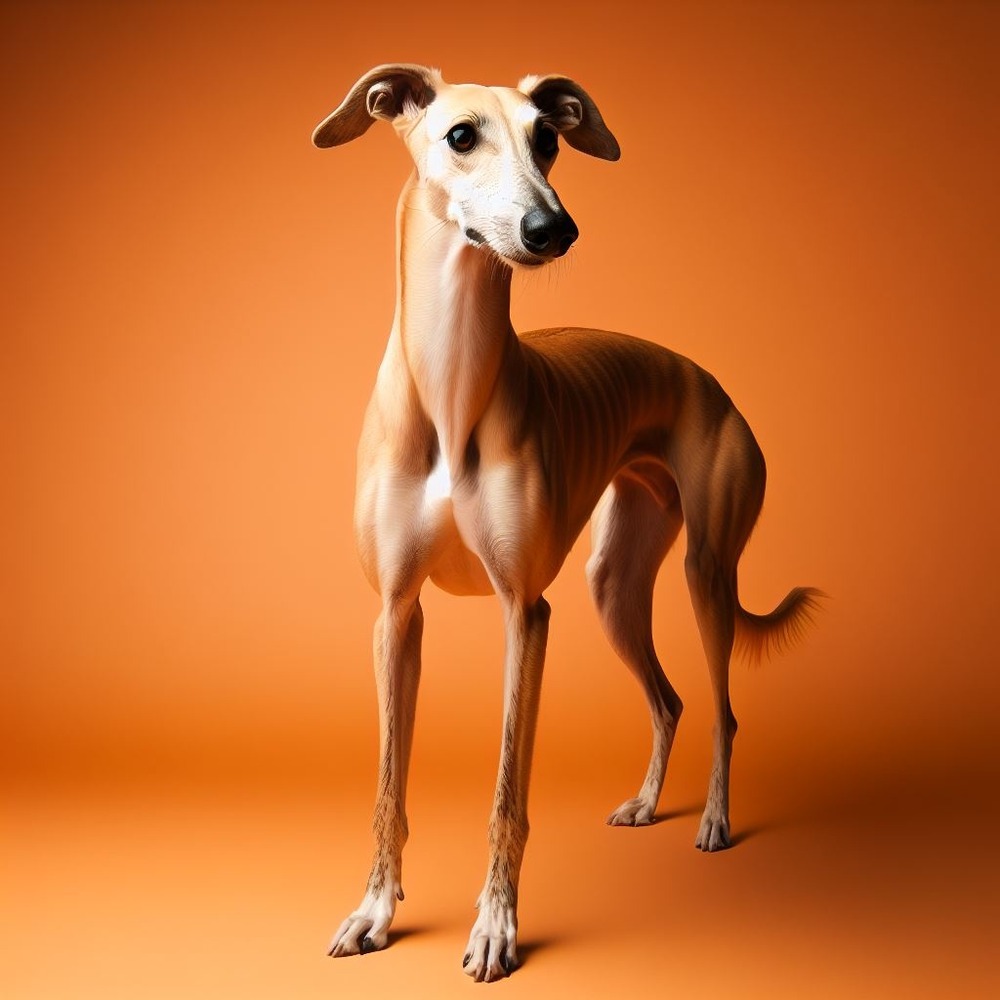
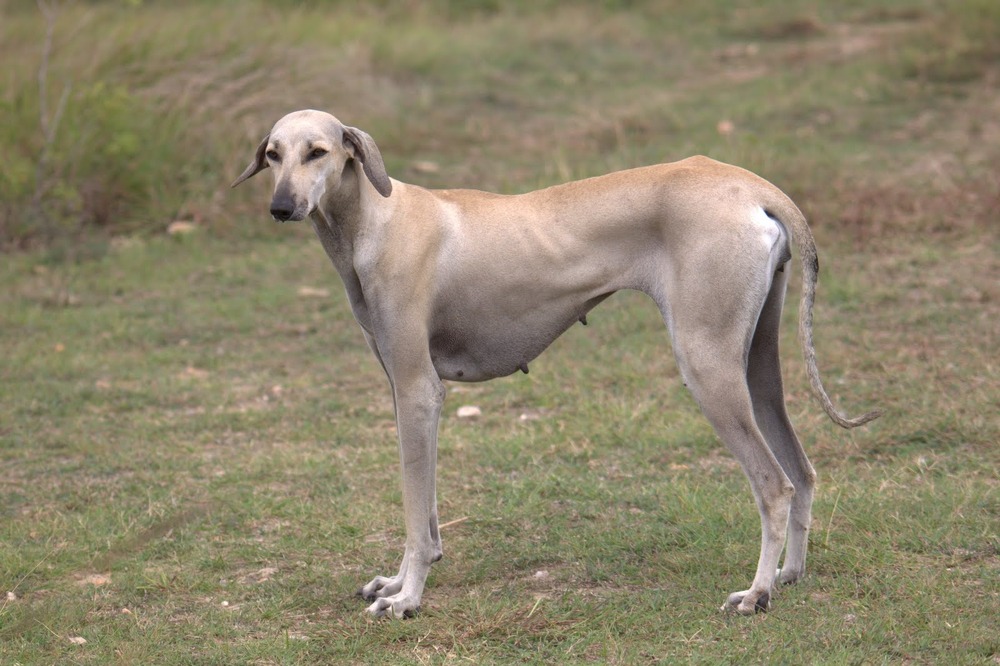
Chippiparais are typically lean, long-legged, and built for efficient speed, with a short coat that sits close to the body. The overall look is unmistakably sighthound: streamlined, athletic, and made to run.1
Coat colours are described in a range that can include fawn and brindle, and many dogs have white markings. You will also see variation between regions and lines, which is common in landrace and native breeds that have not been shaped by a single, tightly controlled international standard.
A practical detail for everyday care is that the short coat offers little insulation. In cooler weather, many sighthounds benefit from sensible warmth, especially older dogs and those with low body fat. It is less about pampering and more about comfort and recovery after exercise.
Temperament and behaviour

People often describe Chippiparais as loyal and intelligent, with a reserved manner around strangers. That reserve can be misread as stubbornness, when it is sometimes simply a dog that prefers to observe first and engage second.1
In a settled home, many sighthounds have an “off switch” and can be surprisingly calm provided their daily needs are met. The key is recognising that calm indoors does not cancel out the need for appropriate outlets outdoors. Under-exercised sighthounds can become restless, inventive, and harder to live with.
Like many fast-chasing breeds, some Chippiparais may be inclined to pursue small animals. This does not mean they cannot live with cats or smaller pets, but it does mean you should plan introductions carefully and keep safety front of mind, especially in the early months.3
Training and exercise needs
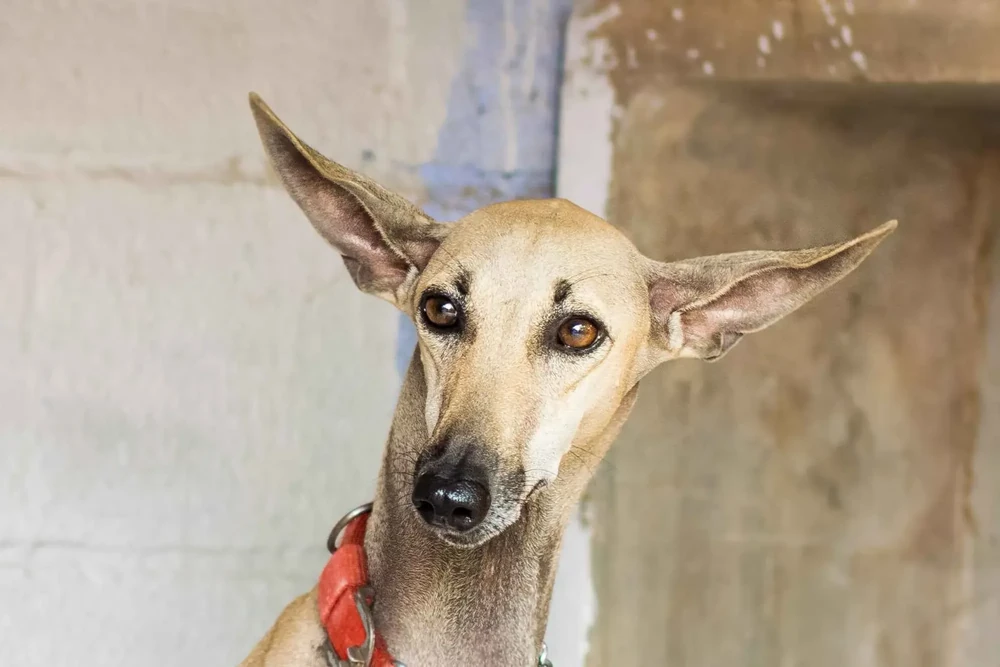
Training tends to go best when it is consistent, calm, and reward-based. Many sighthounds respond poorly to heavy-handed handling, not out of spite, but because pressure can shut down learning and erode trust. Aim for short, repeatable sessions, and reward the behaviours you want to see again.
Exercise is not just “more walking”. A Chippiparai usually needs a mix of steady movement and opportunities for safe speed. The emphasis is on safe because a sighthound that spots something moving can accelerate quickly, and recall can be unreliable when chase behaviour has been triggered.
If you are planning off-lead time, choose fully enclosed areas and think about what sits on the other side of the fence line. If your household includes a cat, or you regularly visit friends with cats, use structured introductions and supervision rather than assuming everyone will work it out on their own.3
- Everyday foundation: lead walks, sniffing time, and simple training games
- Body care: warm-up and cool-down habits after faster running
- Mental load: food puzzles, basic scent games, and calm enrichment at home
Health and lifespan
Chippiparais are often described as generally hardy dogs. Still, it is wise to keep your expectations realistic: any individual dog can develop health problems, and “healthy breed” does not replace routine veterinary care.
For sighthounds as a group, leanness is normal. It helps to learn what a fit sighthound looks like so you do not overfeed in an attempt to make a naturally slim dog look “normal” by other breed standards. Maintaining a stable, appropriate weight is one of the simplest ways to support joint and long-term health.
Many sources cite an average lifespan in the low to mid teens. Good outcomes tend to come from boring consistency: sensible diet, regular exercise, parasite prevention, dental care, and vet checks that catch problems early.1
Grooming and maintenance
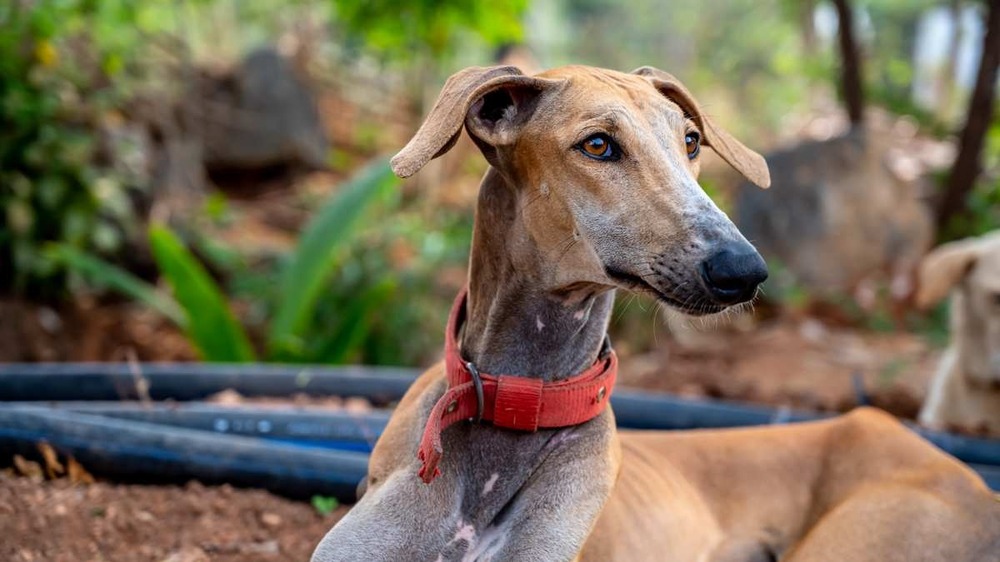
The coat is low maintenance. A quick brush now and then helps remove loose hair and dust, and it also gives you a chance to notice small changes, like dry skin, new lumps, or tenderness after exercise.
Focus your grooming energy on the basics that truly affect comfort and health: nails (especially important for running dogs), ears, and teeth. If you are new to sighthounds, ask your vet or a qualified groomer to show you how to trim nails gradually, as over-trimming can be painful and make future handling harder.
Because the coat is short and the body tends to be lean, bedding matters. A soft, supportive bed is not indulgence for this type of dog, it is a practical way to reduce pressure points and improve rest.
Diet and nutrition
A Chippiparai does best on a complete, balanced diet that suits its life stage and activity level. Ingredient lists can be persuasive, but they are not always the best way to judge quality, so it helps to use evidence-based guidance when choosing a food.4
For active, lean dogs, the goal is steady condition and good recovery rather than rapid weight gain. If you are unsure, your vet can help you assess body condition and adjust portions gradually.
Be cautious with table scraps and “people food”. Some common foods are genuinely dangerous for dogs, including chocolate (theobromine), grapes and raisins (risk of kidney injury), and onions and related alliums (risk of red blood cell damage). If you think your dog has eaten any of these, contact a vet promptly.5, 6, 7
Living with a Chippiparai in day to day life
The breed is often described as better suited to homes with space, but “space” is not only a backyard. It is also time, routine, and the ability to provide safe running and calm rest. A small home can work for some dogs if the lifestyle is right, while a large yard can still fail a dog if it is left bored and under-exercised.
If you are considering a Chippiparai outside India, availability may be limited, and that can make sourcing ethical breeding or rescue options more complicated. When demand meets scarcity, poor breeding practices can follow. Look for transparency, health screening where appropriate, and people who prioritise temperament and welfare over quick sales.
When life fits, they can be deeply companionable dogs: watchful, athletic, and often quietly devoted. The main challenge is not “managing a difficult dog”, it is learning the rhythm of a sighthound and making peace with the idea that chase is instinct, not disobedience.
Final thoughts

The Chippiparai makes the most sense when you view it through the lens of function. It is a dog shaped by hot weather, open ground, and the need for speed, with a temperament that often combines reserve with steady loyalty.
If you can offer daily movement, secure running options, and patient training, the breed’s strengths tend to shine. If you cannot, it is worth choosing a dog whose instincts better match the life you actually live.
References
- Wikipedia: Chippiparai
- The Times of India: TN to begin online sale of native breed dogs to curb illegal trade
- RSPCA Knowledgebase: Introducing a new dog or puppy to an existing cat
- WSAVA: Global Nutrition Guidelines
- American College of Veterinary Pharmacists: Chocolate
- Cornell University College of Veterinary Medicine: Grape and raisin toxicity
- Merck Veterinary Manual: Allium spp toxicosis in animals
- Pet Poison Helpline: Are grapes and raisins poisonous to dogs?
- VetZone: Chocolate toxicity in animals