

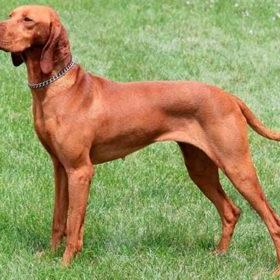
You might come across the word “Chortai” when you are looking at sighthounds and thinking, “That looks like a Greyhound, but not quite.” Or you might notice one in a photo from Eastern Europe, all legs and lean muscle, and wonder what sort of life a dog like that actually suits.
It is tempting to assume sighthounds are basically interchangeable, fast dogs with similar needs. In practice, the differences matter, especially around prey drive, daily exercise, and how comfortably a dog settles into modern routines. With a rarer breed like the Chortai, there is also a layer of naming and history that can get confusing quickly.
The Chortai is often discussed alongside the name Hortaya Borzaya (sometimes shortened to Chortaj). Depending on the source, people may use these labels loosely. What stays consistent is the type: a short-coated steppe sighthound from Ukraine and Russia, developed for open-country hunting where stamina and clear sight are everything.1
At a glance: what people mean by “Chortai”

In everyday breed conversations, “Chortai” usually points to a short-coated sighthound from the steppe regions of Ukraine and Russia. You will also see the name “Hortaya Borzaya”, which roughly translates to “short-haired fast one”, and the nickname “Chortaj”.1, 2
Because the breed is uncommon outside its home regions, much of what is written online is stitched together from enthusiasts, hunting-dog circles, and general sighthound knowledge. That does not make it useless, but it does mean you are better off focusing on the parts that are stable across credible sources: the dog’s function-first build, its need for space to move, and the management that tends to help sighthounds thrive.
- Type: Sighthound (built for speed, sight, and efficient running)
- Origins: Ukraine and Russia, associated with steppe hunting traditions1
- Coat: Short and smooth (often with a seasonal undercoat in cold weather, depending on lines and climate)
- Big theme for owners: balancing exercise with safe off-lead choices and prey-drive management
Where the breed came from, and what it was built to do
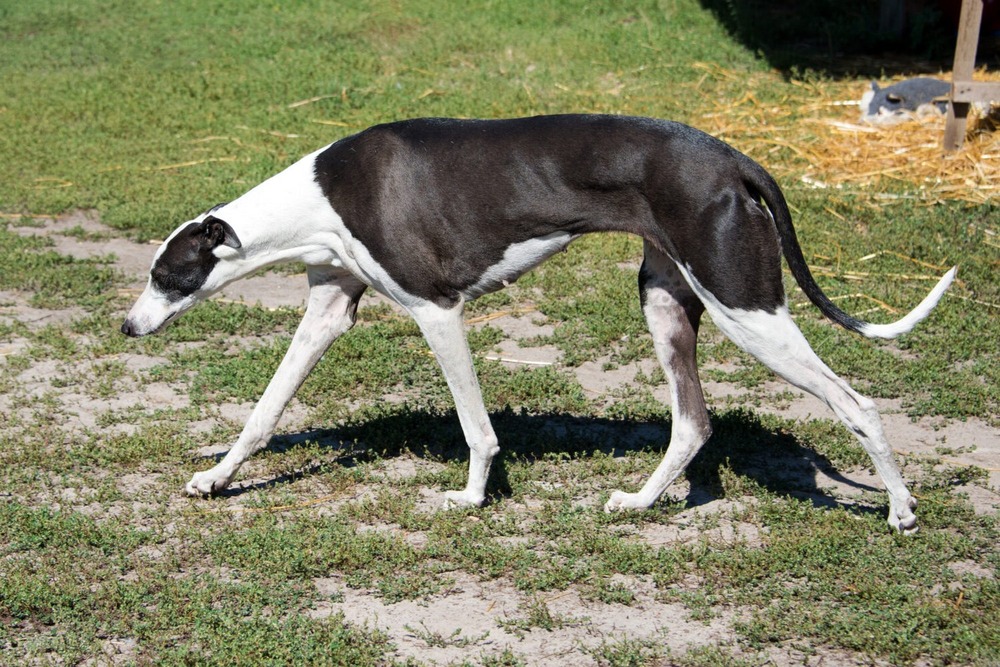
The Chortai is linked to the open landscapes of the Eastern European steppe, where hunting on horseback and long-distance pursuit shaped the dogs people valued. In that setting, a dog needed more than short bursts of speed. It had to hold a line, read movement at distance, and keep going over variable ground.
That background shows up in the body: long legs, a deep chest, and a build designed for efficient running. Those are classic sighthound features, shaped by selection for sight-led chase rather than scent tracking.3
Historical notes about the Chortai often mention shifting borders, changing kennel systems, and periods when numbers fell, then recovered with renewed local interest. It is not a simple “one country, one club” story, and that is part of why the breed can be hard to pin down from afar.1, 2
Temperament: affectionate at home, switched on outside
Most people who live with sighthounds recognise the pattern: calm indoors when their needs are met, and suddenly very alert when something small and fast moves nearby. With Chortai type dogs, that second mode is not a flaw. It is an expression of the job they were designed to do.
It helps to think in terms of behavioural tendencies rather than labels like “stubborn” or “dominant”. Many sighthounds are quite sensitive to handling, and they often respond best to training that is low-pressure, consistent, and rewarding. The independence people describe is frequently a mix of environmental awareness and a long history of being selected to make fast decisions while running.
With family life, suitability often comes down to management and fit. A well-matched home is usually one that can provide daily exercise, a predictable routine, and realistic expectations about off-lead reliability around wildlife.
Prey drive, cats, and small dogs: the practical reality

Many sighthounds can live safely with other animals, but it is not something to assume. Prey drive is a normal predatory sequence, and in sight hounds it can be more visible because motion is such a strong trigger.4
What experienced greyhound and sighthound groups tend to emphasise is nuance: a dog may be trustworthy with the pets it knows at home, yet still show predatory behaviour toward unfamiliar small animals in a different environment. That is why people lean so heavily on management tools as well as training.4, 5
If you are assessing fit with cats or small dogs, it is usually safer to think in layers:
- Early socialisation helps, but does not guarantee anything.
- Environment matters, a calm living room is not the same as a park with movement and noise.
- Safety planning (secure fencing, lead skills, muzzle training where appropriate) is often what makes mixed-pet homes workable.5
Training and exercise: building a life that suits a runner
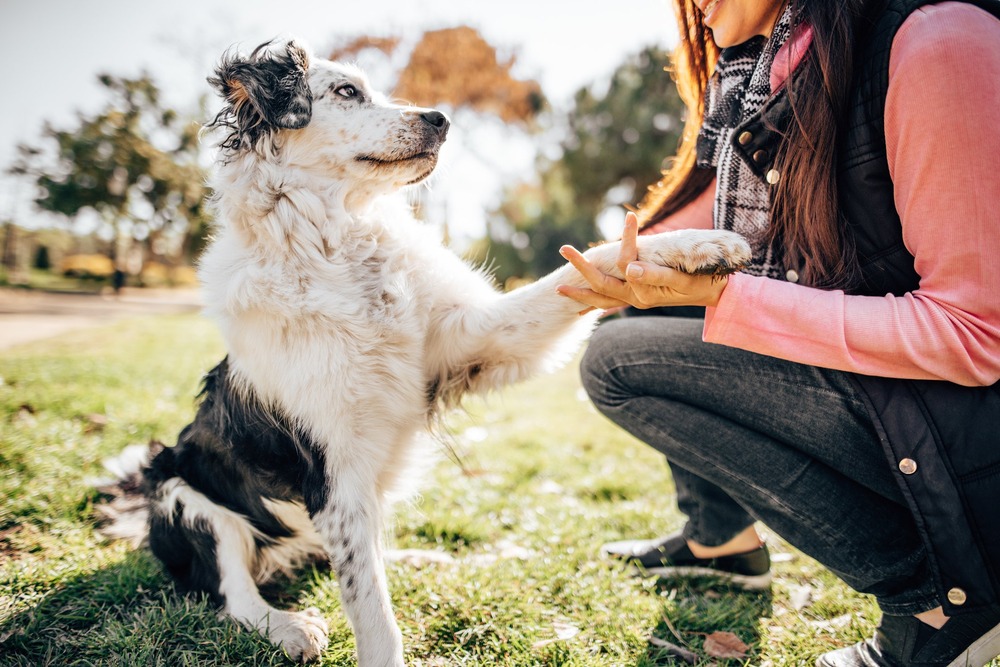
The Chortai is described as high energy in many summaries, but it is more useful to say it needs regular opportunities to run and a decent base of daily walking. Without that, you may see restlessness, scavenging, fence-running, or intense fixation on movement outdoors.
Training is usually most effective when it stays practical. Think recall foundations on a long line, calm lead walking, a reliable “leave it”, and thoughtful exposure to new places. Short sessions tend to work well, especially if the dog is young and easily distracted by sight and sound.
Structured activities can be a good outlet. Lure coursing, for example, is widely used as a way to test and channel the instinct to chase a moving lure in a controlled setting, using rules designed for safety and fairness.6
Health considerations that come up for sighthounds
With a rare breed, it is hard to make confident statements about breed-specific disease rates without large datasets. What you can do is keep the known sighthound patterns in mind, and work with your vet on sensible screening and prevention.
One often-overlooked point is that sighthounds, particularly Greyhounds, can have different “normal” ranges on some blood tests compared with general canine reference intervals. If your dog is sighthound-type and bloodwork looks surprising, it can be worth asking whether sighthound reference ranges are relevant for interpretation.7, 8
Another practical concern for deep-chested dogs is gastric dilatation volvulus (GDV), often called bloat. Risk is influenced by multiple factors, including eating quickly, large meals, and vigorous activity right after eating. It is worth discussing prevention strategies with your vet, especially if you have a dog that bolts food or is highly excitable around meals.9
Care and grooming: simple coat, thoughtful routines
A short, smooth coat is generally easy to live with, but “low grooming” does not mean no care. A quick weekly brush helps lift dead hair, spreads skin oils, and makes it easier to spot minor injuries, which can matter for a dog that runs at speed.
Focus on the basics, done calmly and consistently:
- Nails kept short enough to support good foot placement.
- Teeth brushed regularly, or managed with vet-approved dental strategies.
- Ears and skin checked after running in long grass or scrub.
Cold sensitivity is sometimes mentioned for short-coated sighthounds. In practice, comfort depends on the individual dog, body condition, and your local climate. If your dog shivers, hesitates to move, or struggles to settle on cold nights, a coat and warm bedding can be a straightforward welfare improvement.
Feeding: supporting an athlete without overdoing it
Most Chortai type dogs do best on a high-quality, balanced diet that matches their activity level, age, and body condition. Instead of chasing a perfect ingredient list, it is often more helpful to watch the dog in front of you: energy levels, stool quality, skin and coat condition, and how well they maintain muscle.
For active, deep-chested dogs, meal management is also part of everyday care. Many vets recommend practical steps that reduce risk factors for GDV, such as splitting food into more than one meal and avoiding strenuous exercise right after eating, especially for dogs that eat fast.9
Living with a Chortai: who it tends to suit
This is the sort of dog that often shines with people who enjoy movement and routine, and who do not mind planning for safety. A big backyard is helpful, but it is not the whole story. Secure fencing, a strong lead setup, and consistent training matter more than raw space.
Chortai type dogs are often described as loyal and intelligent, but the more useful question is whether you can offer the daily rhythm they thrive in: exercise, rest, and a home environment where chasing instincts are managed rather than constantly tested.
If that sounds like your life, this can be a quietly impressive companion, a dog that looks built for speed because it is, and that settles best when its running heritage is respected.
References
- Wikipedia: Chortai
- DogZone: Hortaya Borzaya breed overview
- Wikipedia: Sighthound (type, function, and anatomy)
- Greyhound Adoption Program (Victoria): Understanding and managing prey drive
- Greyhound Care and Standards (Victoria): Re-homing greyhounds with prey drive
- American Kennel Club: Sighthounds and lure coursing overview
- Awanui Veterinary: Greyhound haematology reference interval update
- Veterinary Clinical Pathology (2011): Clinical pathology of Greyhounds and other sighthounds
- American Animal Hospital Association (AAHA): Understanding canine bloat (GDV)