

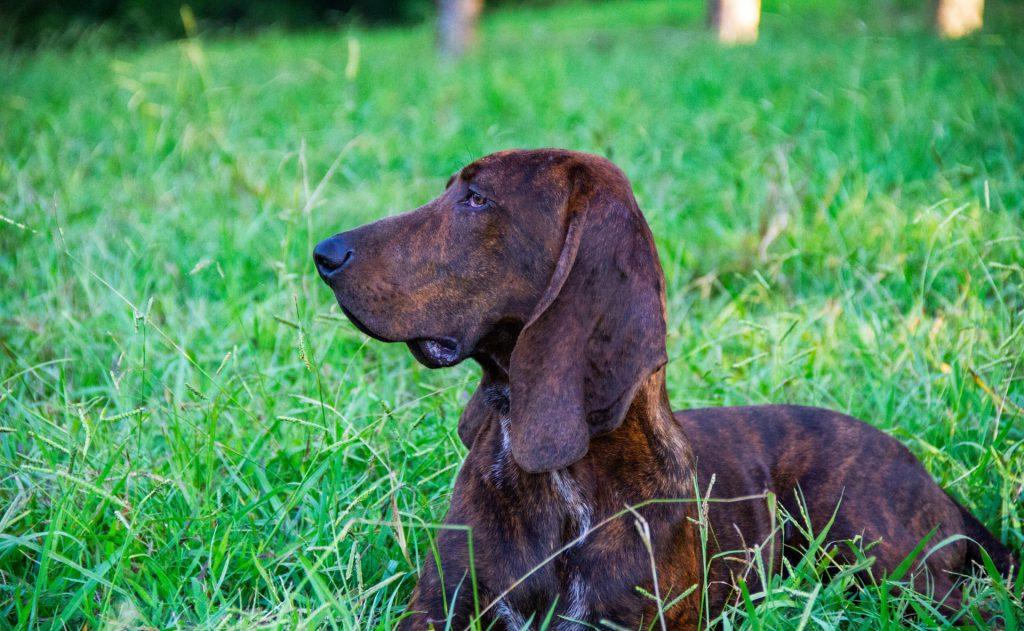
- Breed category: Hound (scent hound)
- Country of origin: Colombia
- Typical height: about 43 to 50 cm (standard size), with a larger variety reported in breed standards
- Typical weight: about 15 to 25 kg (standard size), with a larger variety reported in breed standards
- Typical lifespan: often around 12 to 14 years (varies by individual and care)
- Coat type: Short, dense
- Coat colours: Wide range, often with multiple colours
- Grooming requirements: Low to moderate, occasional brushing
- Exercise requirements: High, daily outlets needed
- Barking tendency: Can be vocal (baying typical of scent hounds)
People usually end up searching for the Colombian Fino Hound after noticing a photo online, hearing about a Colombian “native hound”, or meeting a dog that looks like a classic scent hound but is not quite a Beagle, Coonhound, or Bloodhound. Sometimes the question is simpler: you have a dog that loves following smells, drifts off on walks, and “talks” with a long, musical bay, and you want to understand what that means in day to day life.
It is tempting to treat a rare breed as a novelty, or to assume “hound” automatically means hard work and endless chaos. In practice, the Colombian Fino Hound (also known as the Sabueso Fino Colombiano) tends to make more sense when you view it as a dog shaped by function. This is a scent driven, athletic type developed for rural Colombia, where stamina, a workable nose, and resilience mattered more than tidy suburban manners.1, 2
If you are considering one, or living with a houndy adolescent who has opinions about the world, it helps to know what is fixed in the wiring (the urge to trail scent) and what is genuinely trainable (skills, routines, and calm behaviour with enough structure). That difference is where a lot of the “mystery” of hounds clears.
Where the breed comes from, and what it was built to do
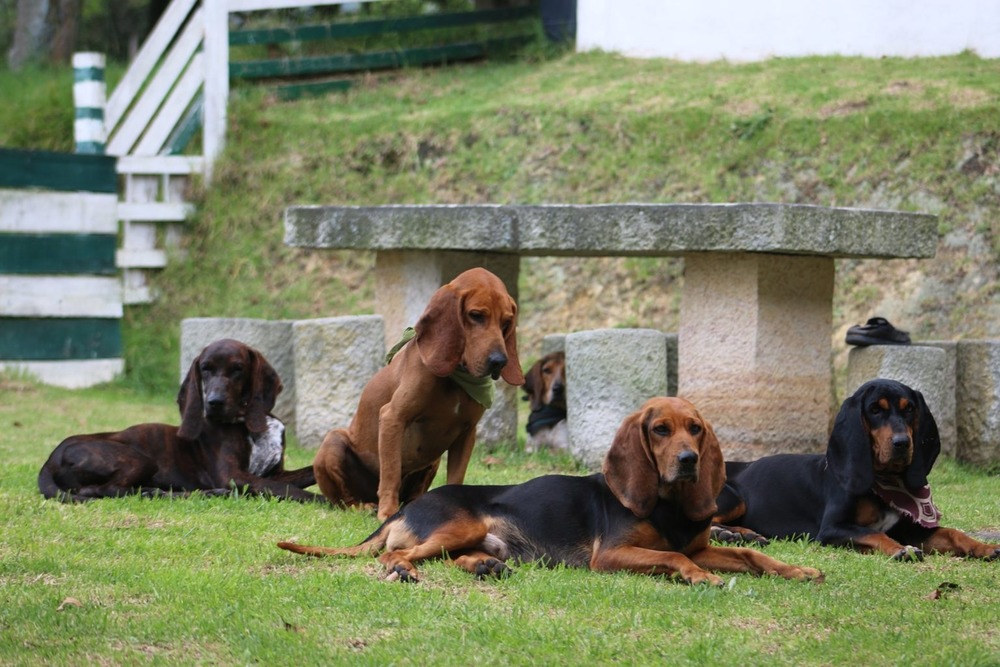
The Colombian Fino Hound is widely described as the only nationally recognised dog breed native to Colombia. Most accounts trace its roots to European scent hounds brought during the colonial period, later shaped by local breeding and the demands of Colombian terrain and rural work.1, 2
In its traditional setting, the work is straightforward: track scent over distance, hold the trail, and communicate with voice. That last piece matters. Scent hounds are often purposefully vocal, because sound carries when a dog is working out of sight.
One note worth keeping in mind is recognition. The breed is recognised by Colombia’s national kennel club, and it has also been recognised in Spain by the Real Sociedad Canina de España in a national group for breeds not recognised by the FCI. That is not the same thing as full FCI recognition, but it does show ongoing efforts to formalise standards beyond Colombia.2, 3
What a Colombian Fino Hound tends to look like
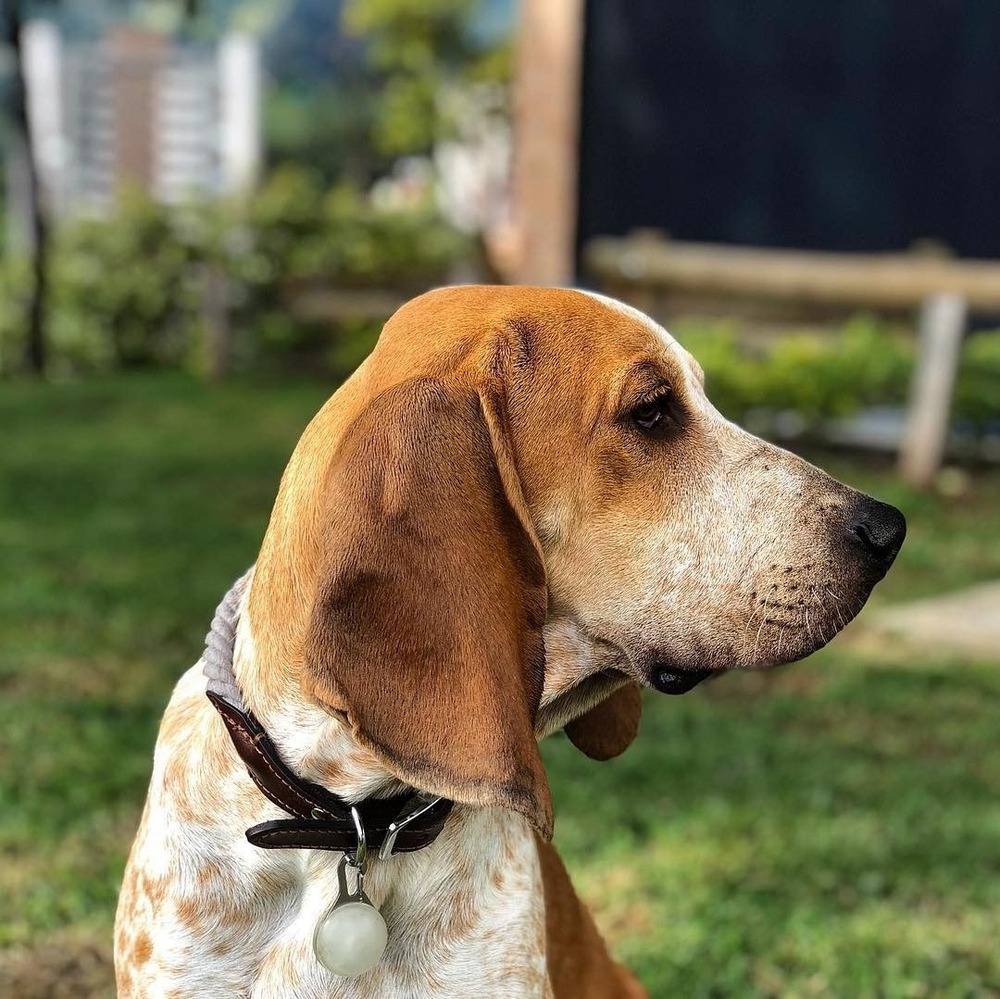
Most Colombian Fino Hounds present as medium sized, long eared, short coated scent hounds, built to move efficiently. Breed standards and summaries commonly describe a “standard” and a larger variety, which is one reason you will see different height and weight ranges quoted in different places.1, 2
The coat is typically short and practical, and colour can vary widely. If you are trying to identify a dog by colour alone, you will quickly find that it is not very helpful here. Build, ear shape, movement, and behaviour tell you more.
Those long, floppy ears are part of the classic hound package. They can also be part of the management package, because ears that fold over the ear canal can make some dogs more prone to problems if moisture and debris are left to sit.
Temperament, voice, and the scent hound mind
At their best, these dogs are sociable, capable, and keen to be involved. What can surprise first time hound owners is that “keen” does not always look like obedience. A scent hound can be engaged with you and still be genuinely pulled by odour in a way that feels single minded.
It helps to think in terms of traits rather than labels. Many individuals are:
- Environment focused, especially outdoors
- Physically durable and built for steady movement
- More likely to use voice, particularly when excited or following scent
That vocalisation is not “naughtiness”. It is communication and arousal, often reinforced over time because baying is self rewarding. If you live close to neighbours, the practical question is not “will they bark”, it is “how will I prevent boredom, manage triggers, and teach a quiet routine inside”.
Home suitability, kids, and other pets
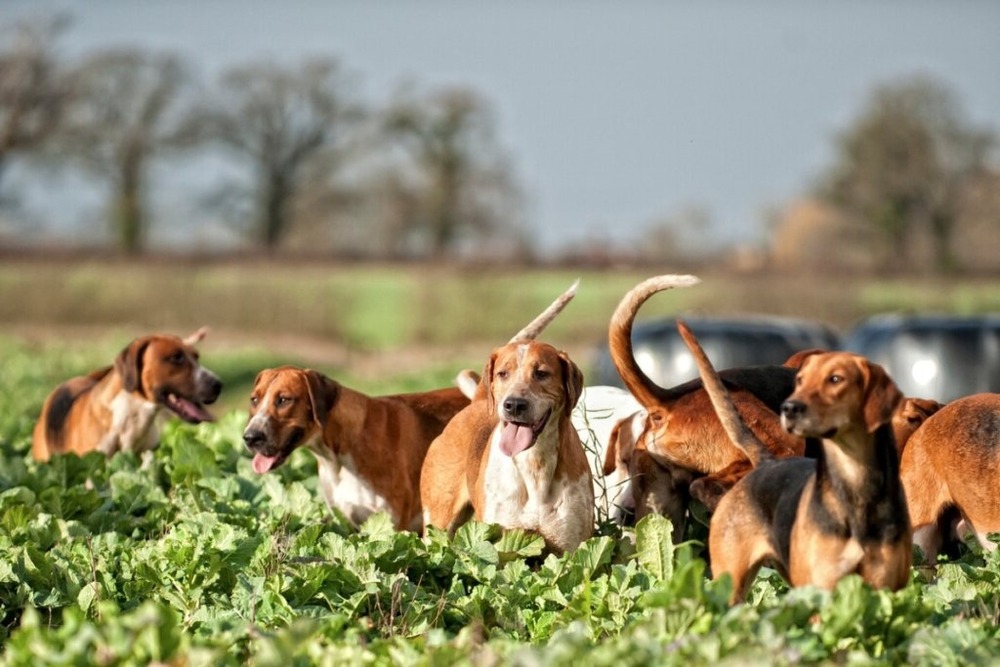
Many scent hounds can do well in family homes when their needs are met, but they rarely thrive as “weekend exercise” dogs. If the week is mostly indoors and under-stimulating, the weekend run does not always compensate.
With children, the usual rules apply: match energy levels, supervise, and teach kids how to interact in ways that do not wind a dog up. A young, athletic hound can easily knock over a small child without any ill intent.
With other pets, the key variable is prey drive. Some individuals live peacefully with cats and small animals, particularly if raised with them, while others will always need careful management. The safest approach is to assume you may need lifelong supervision outdoors around small pets, and to use fences, leads, and training rather than hoping instinct will fade.
Training that respects the nose
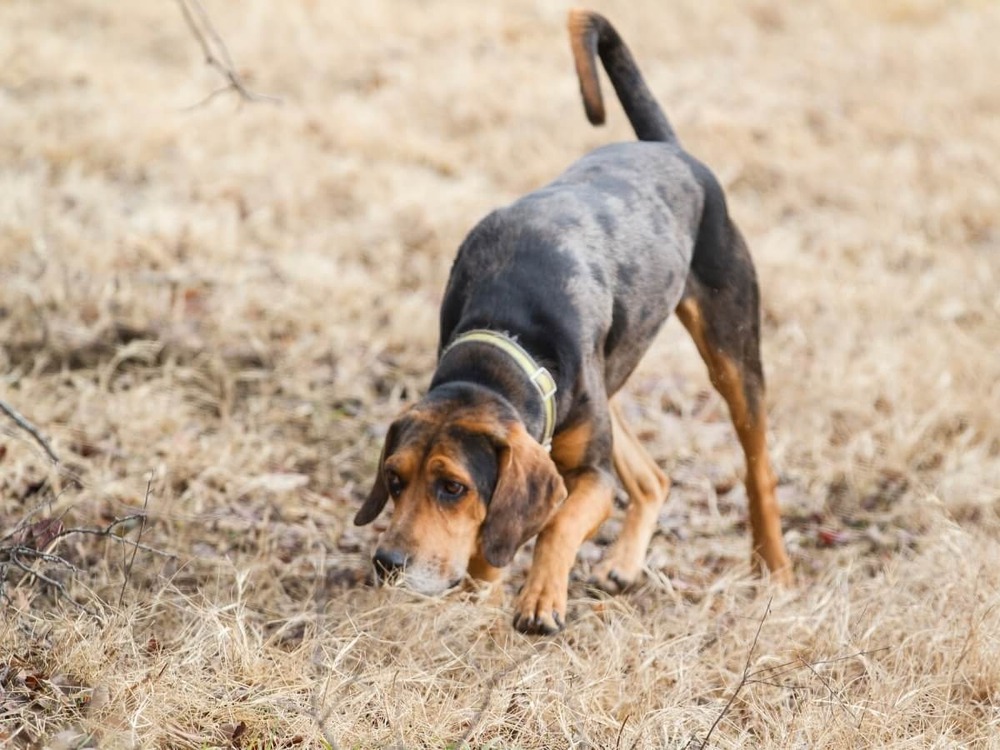
With scent hounds, training tends to work best when it is less about “control” and more about building habits that make sense to the dog. A reliable recall, for example, usually comes from many repetitions in low distraction spaces, paired with rewards that can compete with the environment.
Positive reinforcement is a natural fit for this type of dog. You can teach cooperation while still allowing the dog to do what it was built to do, which is follow scent, through structured outlets like scent work games and tracking style activities.4, 5
Practical training approaches that often help include:
- Long line walks in safe spaces, to practise recall without gambling on it
- Reinforcing check-ins, not just “come”
- Short sessions that finish before the dog mentally drifts
- Teaching a calm settle indoors as a separate skill, not something the dog should “just know”
Exercise and enrichment, keeping the body busy and the brain quiet
Most Colombian Fino Hounds will need daily activity, but “exercise” is not only about speed and distance. For scent driven dogs, sniffing can be the thing that actually lowers internal pressure.
If you want a hound to be calmer at home, it often helps to include nose-led enrichment alongside physical movement. That can be as simple as scatter feeding in grass, hiding treats in cardboard boxes, or a short scent trail in the yard.
Sports like scent work and tracking inspired games can also be a good match because they channel what the dog already wants to do, and they often leave dogs tired in a more settled way than frantic ball throwing.4, 6
Health considerations, ears, joints, and sensible prevention
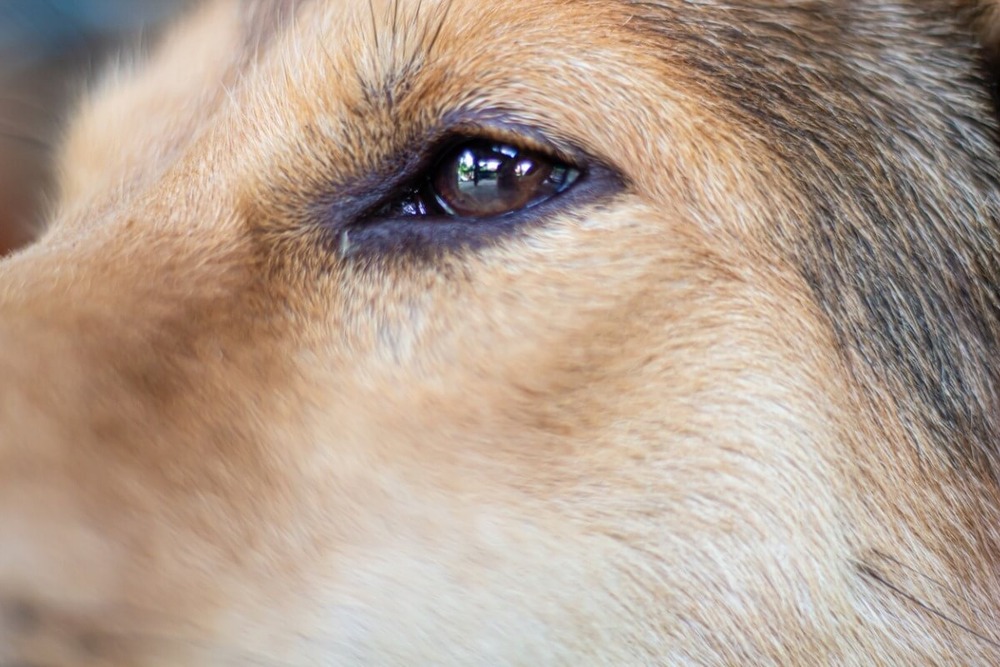
Specific, high quality breed health data for the Colombian Fino Hound can be hard to find outside Colombia, which means it is worth being cautious with confident claims about “common” conditions. That said, two issues often come up in practical life with medium sized active dogs who have floppy ears: ear inflammation (otitis externa) and orthopaedic wear and tear.
Ear problems are not inevitable, but they are common enough in many floppy eared dogs that it is worth having a routine. Vets will typically emphasise proper diagnosis (often including cytology), and that cleaning and treatment choices should be guided by what is actually present in the ear, not guesswork.7
Helpful, low drama prevention habits include:
- Checking ears after swims and heavy rain, then drying gently if needed
- Not putting home remedies into sore ears
- Seeing your vet early if you notice head shaking, odour, redness, or pain
For joints, good practice is universal: keep your dog lean, build fitness gradually, and ask your vet about screening if you are breeding or if lameness appears. Even when a breed is described as hardy, weight management matters for long term mobility.
Feeding, body condition, and choosing food without getting lost in marketing
Most owners want a simple answer about food, but the best feeding plan is usually individual. Life stage, workload, desexing status, and health history all change what “enough” looks like.
One steady, practical framework is to focus on whether the diet is complete and balanced for the dog’s life stage, and to use body condition and regular weigh-ins as feedback. The World Small Animal Veterinary Association (WSAVA) provides nutrition guidelines and tools that many veterinary teams use to support sensible decisions, including how to assess body condition and how to evaluate pet food information critically.8
If you are unsure, a useful next step is to ask your vet for a target weight range and a feeding guide that matches your dog’s actual condition, not the picture on the bag.
Final thoughts
The Colombian Fino Hound is best understood as a working type hound that can adapt to family life when the environment is thoughtfully set up. If you enjoy being outdoors, do not mind a dog that experiences the world through smell, and can provide daily structure, you may find the relationship deeply satisfying.
If you need a naturally quiet dog, or you want off lead freedom without long training and careful management, it can be a tougher match. In most homes, the sweet spot is simple: give the nose a job, train patiently, and build routines that help a busy hound settle.
References
- Wikipedia: Colombian Fino Hound
- Sabueso Fino Colombiano: Estándar oficial (official breed standard downloads)
- Real Sociedad Canina de España (RSCE): Recognition of the Sabueso Fino Colombiano (21 November 2025)
- American Kennel Club: How to teach your dog scent work at home
- American Kennel Club: AKC Scent Work overview
- American Kennel Club: Mantrailing for the scent-driven dog
- University of Melbourne: Australian Veterinary Prescribing Guidelines, otitis externa (ears)
- WSAVA: Global Nutrition Guidelines