

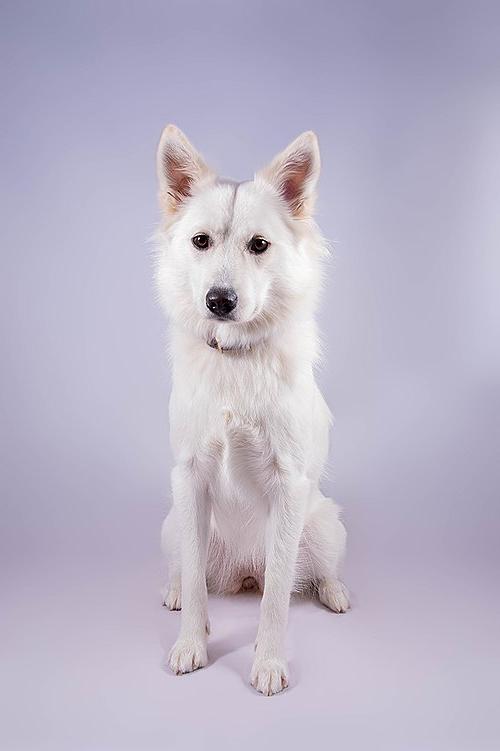
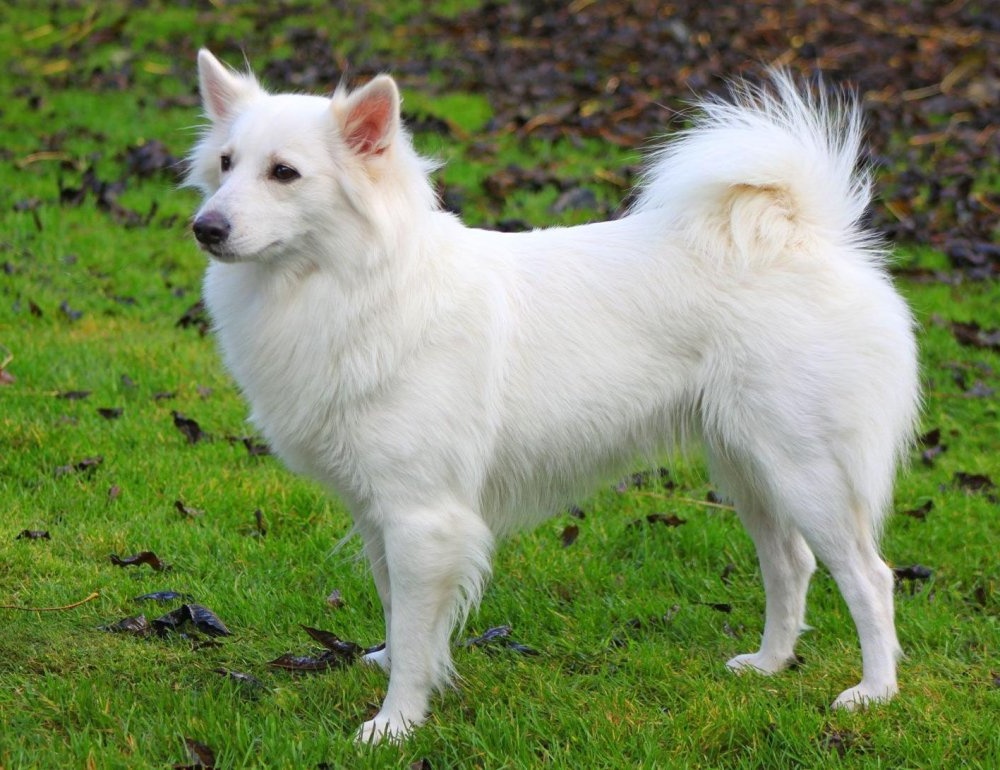
You might first notice a Danish Spitz in a photo and think, “That looks like a little fox.” Or you might meet one in the park and be surprised by how alert it is, how quickly it checks in with its person, and how much it seems to enjoy being part of whatever is going on.
It is tempting to assume a small, pretty spitz-type dog will be decorative and low-effort. In practice, the Danish Spitz tends to do best with people who like a dog that is present in daily life, enjoys gentle routine, and benefits from calm, consistent training and regular coat care.
The breed is also easy to misunderstand because it is still uncommon outside Denmark, and it is not internationally recognised by the FCI. That means information can be patchy, and size and “type” can be described differently depending on where the dog is from and which kennel club guidance is being referenced.1, 2
- Breed category: Companion dog (farm dog origins)
- Country of origin: Denmark
- Typical height (DKK guidance): males 43 to 49 cm, females 39 to 46 cm
- Typical weight (DKK guidance): 10 to 18 kg
- Coat: Double coat
- Common colours: off-white through to biscuit
- Activity needs: Moderate
Note on measurements: you may see smaller heights and weights quoted online. For consistency, the figures above follow Dansk Kennel Klub (DKK) and the Danish Spitz breed club standard resources.1, 2
The Danish Spitz in context
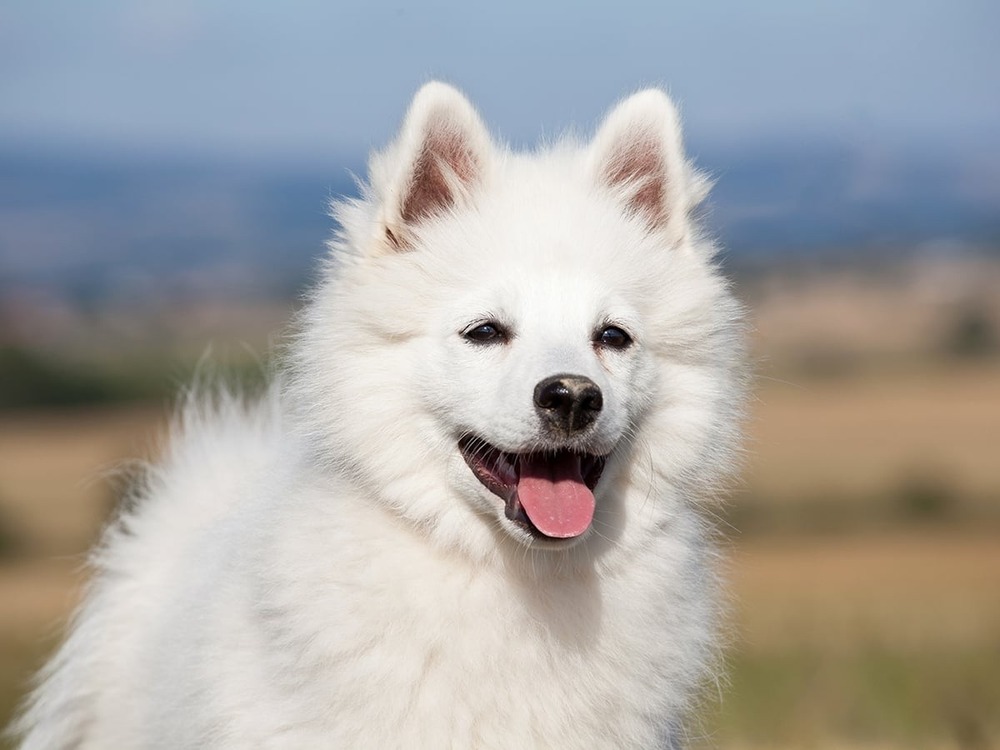
The Danish Spitz (Dansk Spids) is often described as an old Danish farm and family dog that later became scarce, then rebuilt through organised breed work. That rebuilding matters, because it helps explain why you will sometimes encounter variation in look and size, especially across different lines.
According to the Danish Spitz breed club’s published standard, the breed’s traditional roles included farm dog, guard dog, and family dog. Temperament descriptions commonly emphasise friendliness with known people, a degree of reserve with strangers, and a tendency to be watchful and somewhat vocal when something feels “different”.2
The DKK notes the breed is not yet internationally recognised, and it is treated as a reconstruction breed within Denmark’s system. For owners outside Denmark, this is mostly relevant when you are trying to interpret pedigrees, show eligibility, or compare “official” descriptions across countries.1
Temperament and everyday behaviour
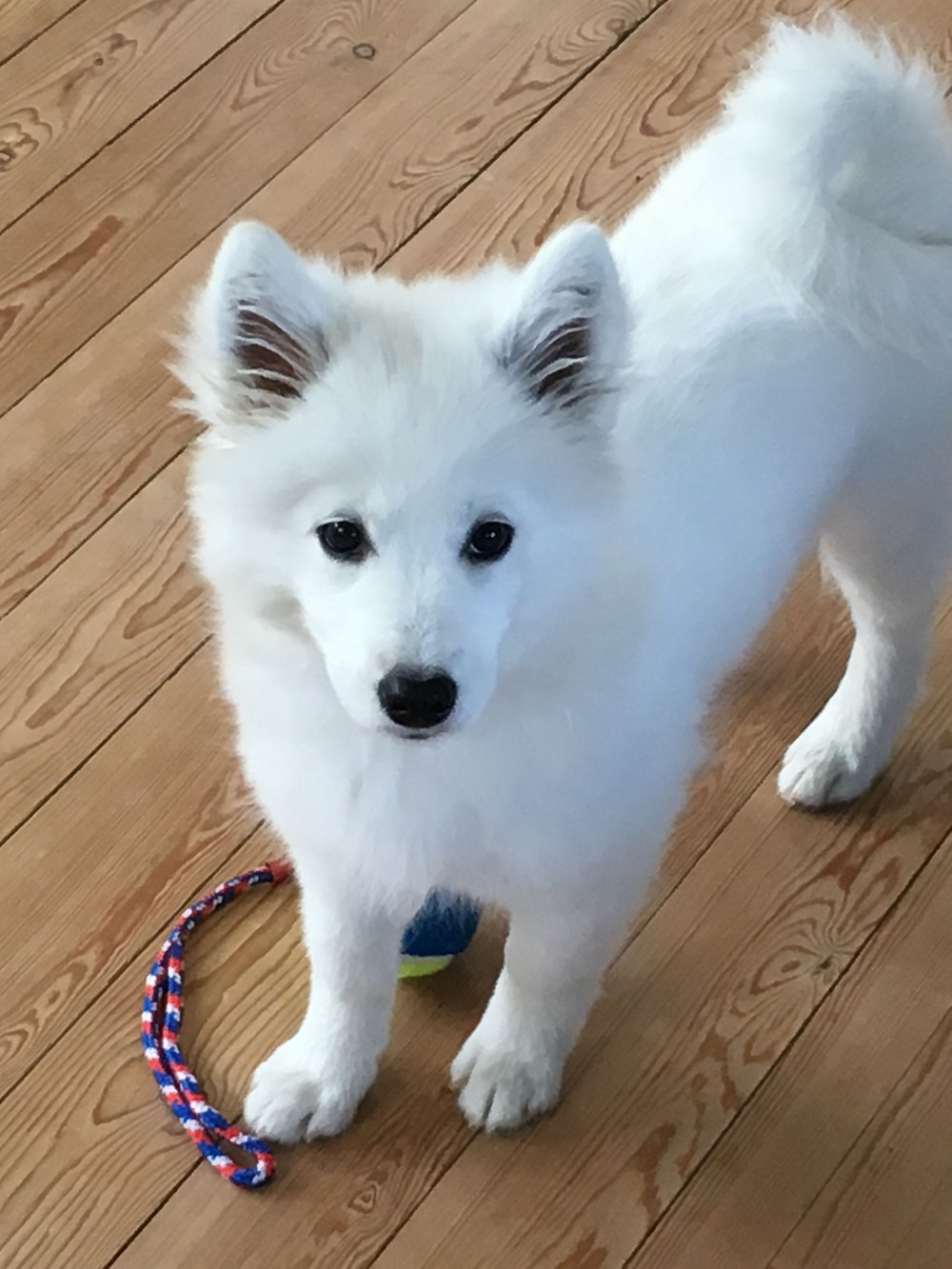
In a home setting, the Danish Spitz is often at its best when it has a predictable rhythm. Many owners describe a dog that likes to keep track of household movement, follow family members from room to room, and join in on walks, games, and training.
Stranger-awareness is common in spitz breeds, and the DKK breed description notes the Danish Spitz can be somewhat reserved and watchful with unfamiliar people, with alert barking being a frequent feature. This is not automatically a “problem”, but it does mean your management choices matter, especially in apartments or close-set neighbourhoods.1
If you are choosing this breed as a family dog, aim for early, thoughtful social exposure that stays within the dog’s comfort zone. “Socialisation” does not mean constant greetings. It can look like calm observation, short interactions, and rewarding the dog for choosing to disengage and settle.
Training that suits a Danish Spitz
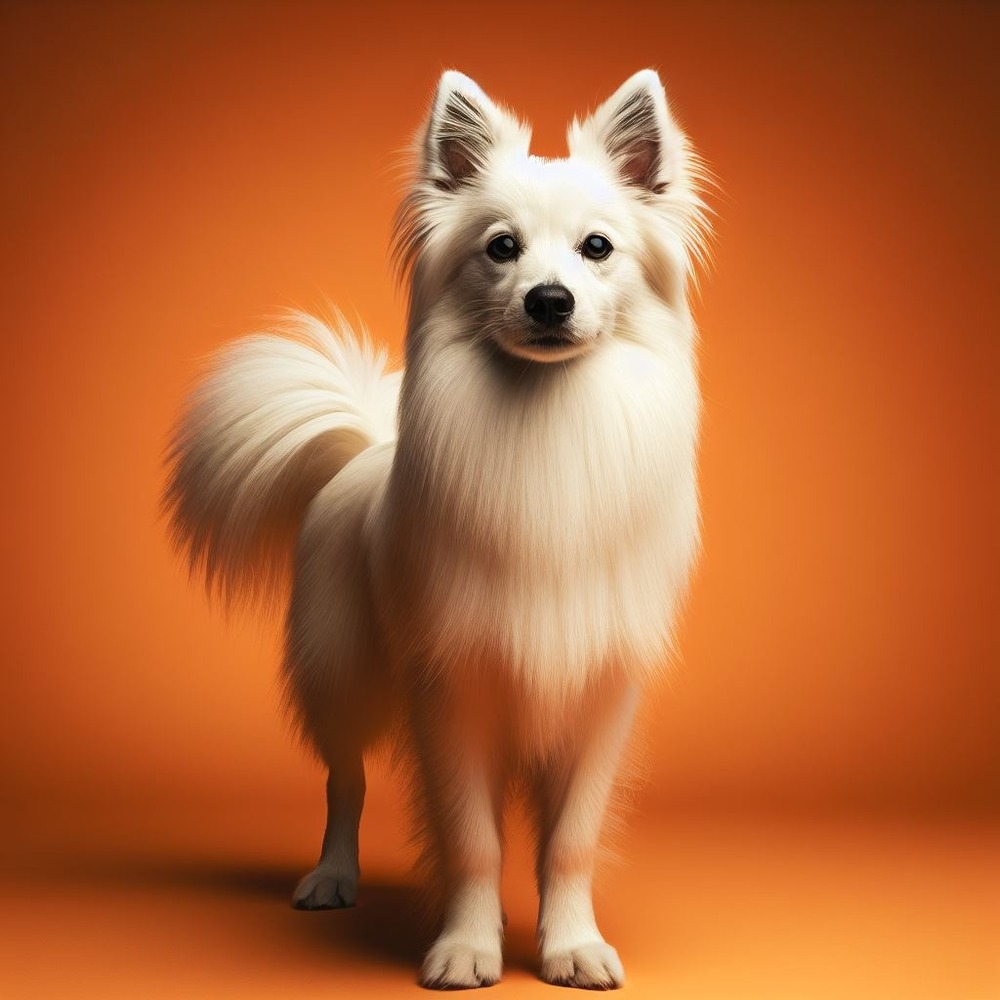
The Danish Spitz is typically described as bright and responsive, which can make training enjoyable. It can also mean the dog notices patterns quickly, including the ones you did not mean to teach.
Short sessions work well, with rewards that match the moment (food, a toy, permission to sniff, or a quick game). If barking is a concern, it helps to teach an alternative behaviour early, such as “go to mat” or a hand target, then practise it in low-distraction settings before you need it at the front door.
For grooming and handling, start early and keep it gentle. The RSPCA notes that gradual handling practice helps puppies feel comfortable being brushed and examined, which pays off later when the dog needs vet checks or more intensive coat care.3
Exercise and mental enrichment
Most Danish Spitz dogs suit a moderate daily routine rather than extreme endurance work. Think steady walks, some off-lead time where safe and permitted, and small bursts of play or training to keep the brain engaged.
Mental work often reduces nuisance behaviour more effectively than simply adding kilometres. Useful options include:
- Scatter feeding in the grass or a snuffle mat.
- Simple scent games indoors.
- Basic obedience refreshed in short “micro-sessions”.
- Confidence-building tasks, such as stepping on different surfaces and learning calm pauses.
Heat, weather, and sensible summer management
A dense double coat can cope well with cold, but hot weather still needs respect. On warm days, the goal is simple: reduce heat load, increase access to shade and water, and adjust exercise timing.
RSPCA guidance recommends walking in the cooler parts of the day, providing well-ventilated shade, and watching for signs of heat stress. They also advise using cool or tepid water with fanning as first aid and seeking veterinary help promptly if you suspect heatstroke. Avoid ice-cold water or ice, which can make the situation worse.4, 5
Practical habits that tend to work:
- Morning or evening walks on hot days.
- The “five second” pavement check before walking on concrete or asphalt.4
- Multiple water bowls, placed where they stay cool.
- Indoor rest if the house is cooler than outside, particularly on humid days.4
Health considerations and what screening can look like
No breed is “problem free”, and an honest approach is to plan for routine vet care, sensible weight management, and breeding that prioritises sound structure and stable temperament.
Hip dysplasia is most often associated with larger breeds, but it can occur in smaller dogs too. The Merck Veterinary Manual describes hip dysplasia as a developmental condition involving joint laxity and later degenerative joint disease, with diagnosis relying on radiographs and management often including weight control and tailored exercise, with surgery reserved for some cases.6
Eye disease is a broad category rather than one diagnosis. For breeding decisions, eye examinations performed by specialist veterinary ophthalmologists are commonly used in many countries. The OFA CAER program overview describes the role of board-certified ophthalmologists and the purpose of collecting eye exam information to support healthier breeding choices.7
If you are speaking with a breeder, ask what health testing they do, why they chose those tests, and how they manage results. A good conversation is usually specific, and not just “our dogs are healthy”.
Coat care and grooming
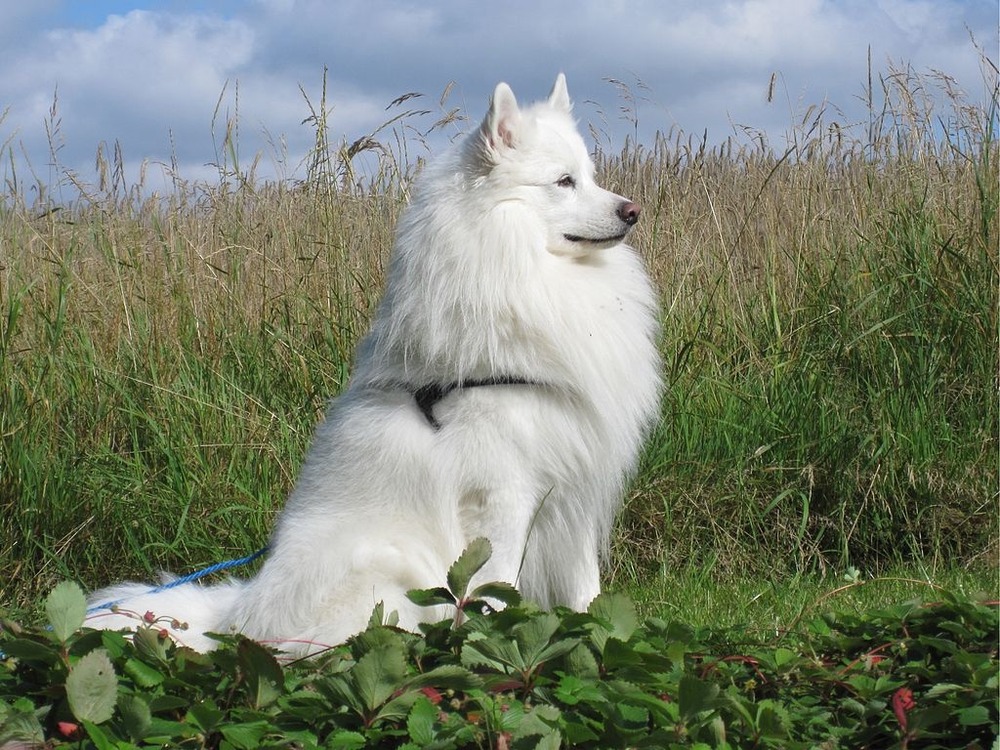
The Danish Spitz has a double coat, which tends to shed year-round with heavier seasonal periods. Regular brushing keeps the coat comfortable, reduces matting, and helps you spot changes in skin condition early.
The RSPCA’s general grooming guidance suggests that long-coated or double-coated dogs are often best maintained with weekly brushing to prevent mats and tangles.3
A simple, sustainable routine usually includes:
- Weekly line brushing through the coat, increasing frequency during heavier shedding.
- Checking friction areas (behind ears, armpits, under collar and harness).
- Nail trims and ear checks as part of the same calm routine.
If you are unsure about tools, ask a groomer to demonstrate how to brush without scraping the skin, especially when working through the undercoat.
Feeding and keeping weight steady
For most Danish Spitz dogs, the big nutritional goal is boring, in the best way: keep meals consistent, avoid overfeeding, and use your dog’s body condition as your guide rather than the scoop alone.
The WSAVA Global Nutrition Guidelines were developed to help veterinary teams and owners navigate nutrition decisions and to support an individually tailored feeding plan. Your vet can help you choose an appropriate diet and adjust portions across life stages, activity changes, and desexing.8
If you use treats for training, consider taking them from the daily ration, or choose smaller, lower-calorie rewards. It is a small adjustment that often prevents slow weight creep over the years.
Final thoughts
The Danish Spitz is not a novelty dog, even if it is rare in some places. It is a capable, watchful companion with a coat that needs routine care, and a mind that tends to appreciate structure and small daily jobs.
If you like a dog that can settle at home, enjoy moderate exercise, and still keep an eye on the world outside the window, the Danish Spitz can be a lovely match. The best outcomes usually come from the basics done well: steady training, gentle handling practice, good grooming habits, and ongoing vet support.
References
- Dansk Kennel Klub (DKK): Dansk Spids (breed information)
- Selskabet for Dansk Spids: Danish Spitz breed standard
- RSPCA Pet Insurance: Guide to dog cleaning and grooming
- RSPCA Australia: Keeping your pet safe during heat
- RSPCA ACT: Hot weather advice and heatstroke signs
- Merck Veterinary Manual (Pet Owner Version): Hip dysplasia in dogs
- Orthopedic Foundation for Animals (OFA): Eye disease and CAER overview
- WSAVA: Global Nutrition Guidelines
- AAHA: Recommending home oral hygiene and products