

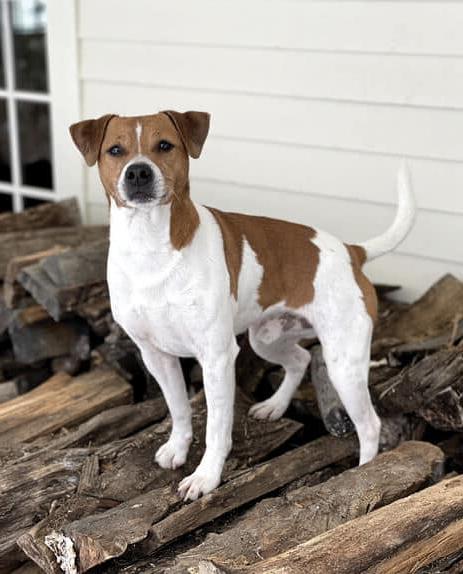
People often stumble across the Danish-Swedish Farmdog after meeting one at training, seeing a compact white dog moving like a little athlete at agility, or noticing a “terrier-ish” farm dog online and wondering what it actually is. It can look familiar at a glance, but it tends to behave like a true all-rounder: keen to work, quick to learn, and very interested in what is happening around the home.
There is also a common assumption that small dogs are automatically “easy”, meaning short walks, minimal training, and a life that fits neatly around busy routines. With this breed, size can be a bit misleading. A Danish-Swedish Farmdog is usually happiest when it has daily activity and a job, even if that “job” is simply learning tricks, practising recall, or helping you feel organised on walks.
Understanding where the breed came from helps make sense of what you see in front of you: an alert, practical dog shaped by farm life, not by the lounge room. When you plan for that, the breed can be a steady, enjoyable companion with a lot of sparkle.
Quick breed snapshot
If you like to anchor your expectations with a few basics, these are common, widely cited guideposts for the breed’s size, coat, and original purpose.1, 2
- Type: Farm and companion dog, pinscher type
- Origin: Denmark and Sweden
- Height: Typically about 32 to 37 cm at the withers, depending on sex and standard used
- Weight: Often around 7 to 10 kg, with some variation by build and line
- Coat: Short, smooth, predominantly white with patches
- Life expectancy: Commonly reported around the low teens
Early development and life on Scandinavian farms
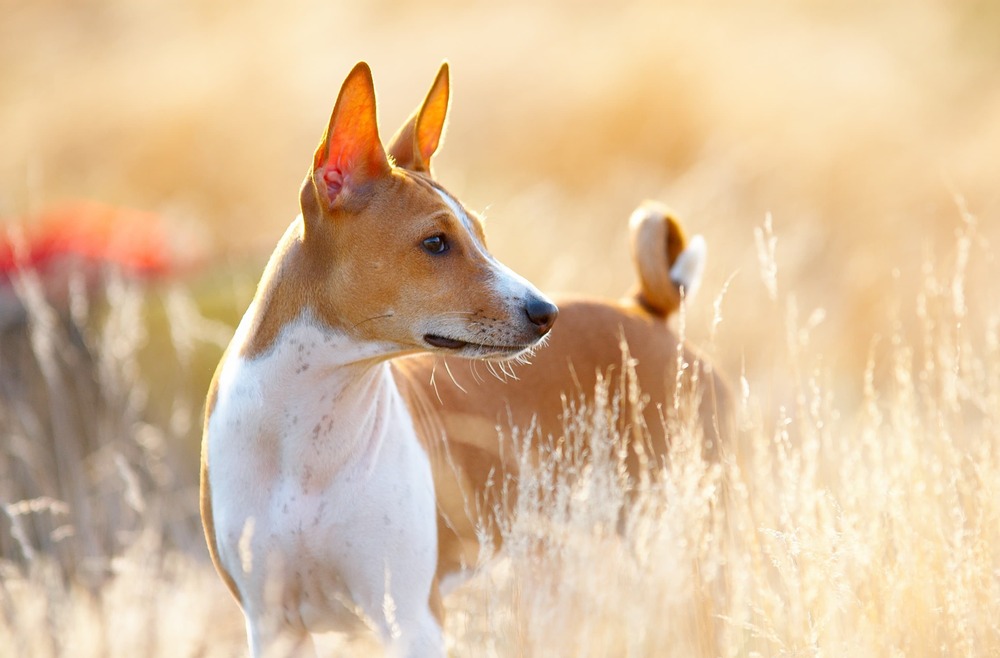
The Danish-Swedish Farmdog is best understood as a multi-purpose farm helper. For centuries it lived alongside families on smaller properties, where a dog had to do more than one thing well: keep an eye on the yard, clear vermin around buildings, and be sensible around people and daily noise.3
Modern writing sometimes tries to pin the breed to a single “original job”, but farm life rarely works that way. These dogs were valued because they could switch tasks without fuss, then settle close to the household once the day slowed down.3
The breed’s numbers dropped sharply as farming and living patterns changed in Scandinavia, and dedicated efforts by Danish and Swedish kennel clubs helped stabilise it. It was recognised as a breed in Denmark and Sweden in 1987.4, 2
What the breed looks like, and what that signals
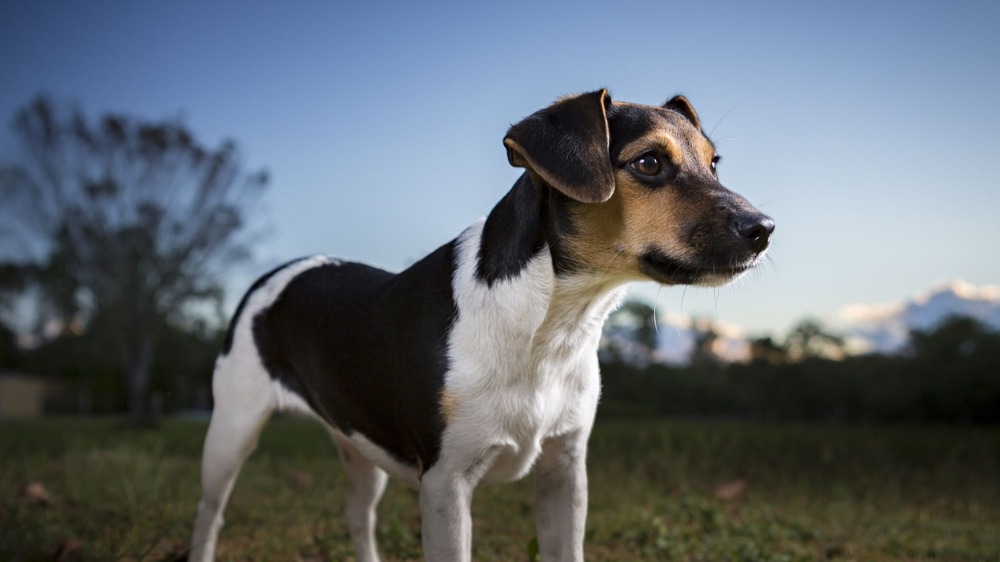
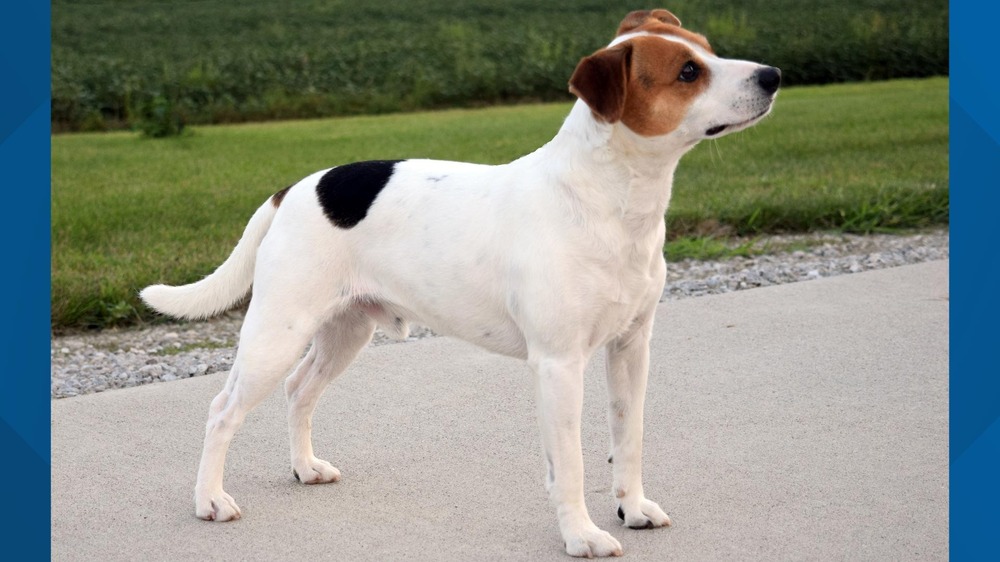
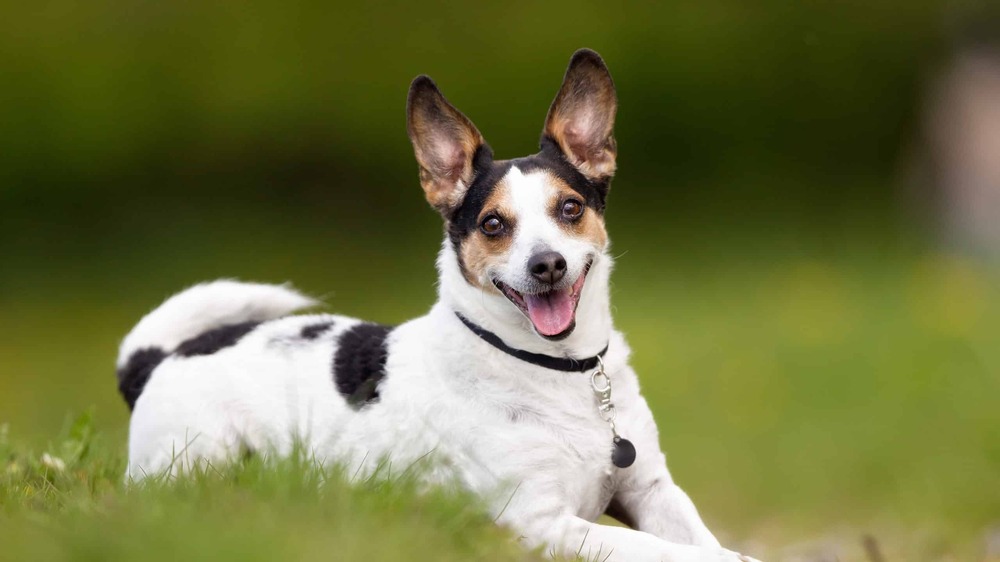
The Danish-Swedish Farmdog is small, compact, and slightly longer than tall, with a clean, practical outline. The coat is short and smooth, typically white with one or more patches in various colours. The overall impression is lively rather than delicate.1, 2
One detail that often confuses people is the tail. In breed standards, the tail may be naturally long or naturally bobbed, depending on the individual dog.2, 5 In Australia, routine cosmetic tail docking is banned, with docking permitted only for therapeutic reasons performed by a vet.6
In practical terms, a natural tail tells you a lot about how a dog is balancing itself in motion, especially in fast turns and jumps. If you are watching a Farmdog work, that tail is part of the whole athletic picture.
Temperament, personality, and suitability
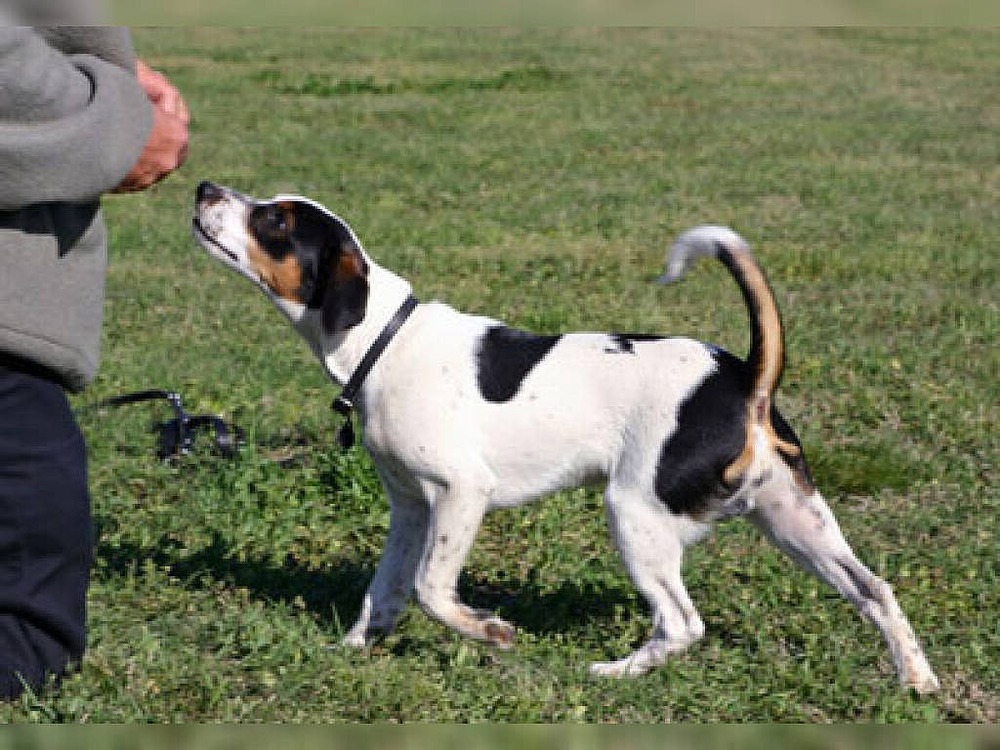
Most owners describe this breed as bright, social, and observant. They often notice things quickly and they can be enthusiastic about joining in, which is delightful when you have time, and a bit challenging when you do not. The key is to assume the dog will be an active participant in your household, not background scenery.
With children, the match is often good when adults shape the environment: calm introductions, clear boundaries, and enough structured play that the dog is not constantly improvising its own entertainment. With other pets, early, thoughtful socialisation matters, especially because many farm-bred types retain an interest in chasing smaller moving animals.
If you want a dog that can do a bit of everything, walking, training games, hiking, dog sports, and still settle in with the family, this breed can fit beautifully. If you want a dog that is content with very little interaction, it is worth being honest with yourself early.
Training and exercise that actually suits the breed
Danish-Swedish Farmdogs are often described as easy to train, and that can be true, but it usually means they are quick to learn patterns. They will learn the good ones you practise, and the inconvenient ones you accidentally rehearse as well.
A positive reinforcement approach, with clear criteria and short sessions, tends to suit them well. Because they are alert and movement-sensitive, many do best when training is a blend of skill-building and calmness practice, not constant hype. Useful foundations include recall, loose lead walking, a settle on a mat, and cooperative handling for grooming and vet visits.
Exercise needs vary by age and individual, but most Farmdogs benefit from daily movement plus mental work. Instead of only adding more kilometres, try mixing in:
- Scent games (find-it searches in grass or around the house)
- Short training loops on walks (sit, touch, wait, release)
- Agility-style skills at low height (wraps, perch work, body awareness)
- Food puzzles or scatter feeding to slow the brain down
Health considerations and sensible prevention
No breed is “problem free”, and the most helpful stance is calm watchfulness. Orthopaedic issues discussed in small, active breeds include patellar luxation and hip dysplasia, both of which can range from mild to more serious cases.7, 8
Patellar luxation often shows up as an intermittent skipping gait or a brief non-weight-bearing hop, then the dog carries on as if nothing happened. If you notice that pattern, it is worth a vet assessment sooner rather than later.7
Hip dysplasia is influenced by genetics and environment. You cannot undo inherited structure, but keeping a dog lean and well-conditioned can meaningfully affect comfort over time.8 If you are buying a puppy, ask what health screening the breeder does, and what the results have been in related dogs.
Grooming, coat care, and everyday handling
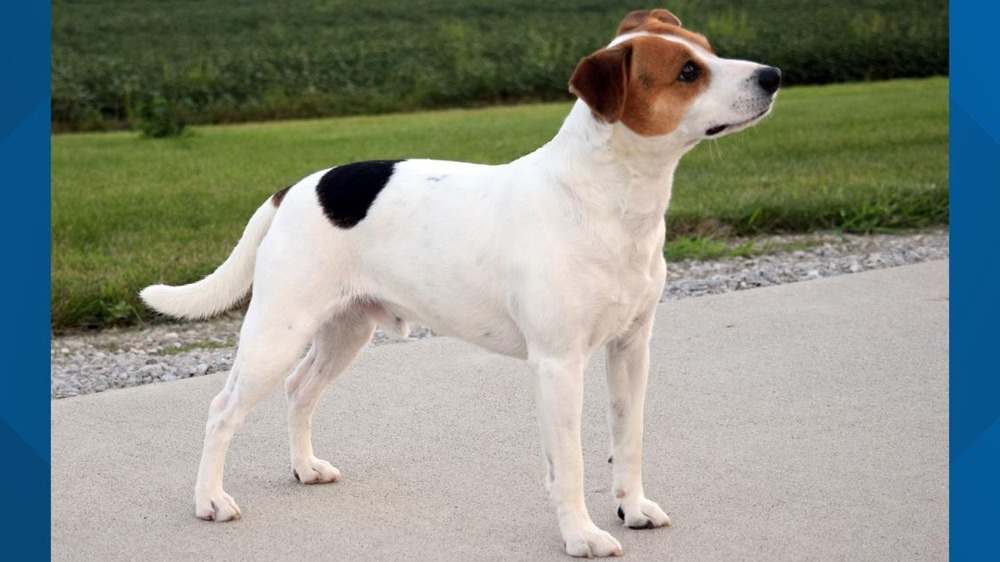
The short coat is one of the breed’s practical pleasures. A quick brush now and then, plus regular nail trims, ear checks, and dental care, is usually enough. Shedding is often described as moderate, and a simple routine helps keep it off furniture without turning grooming into a major project.
Because they are active and curious, it is worth teaching comfortable handling skills early, such as standing still for a quick body check, offering paws, and accepting gentle restraint. This is less about “obedience” and more about future-proofing your life, especially if an injury ever requires rest or treatment.
Nutrition, weight, and keeping an athlete comfortable
For a compact, energetic dog, food can quietly shape almost everything: coat condition, stamina, recovery, and joint comfort. Veterinary nutrition guidance emphasises choosing an appropriate, complete diet for the individual pet, then regularly reassessing based on body condition, life stage, and health factors.9
Two small habits make a big difference:
- Use a simple body condition check with your vet, and adjust portions early rather than later.
- Count treats as part of the day’s intake, especially during training phases.
If your dog is doing a lot of sport or high-impact play, talk with your vet about whether diet adjustments are warranted. The goal is not a perfect number on a chart, it is steady condition and easy movement.
Recognition and the breed today
Interest in the Danish-Swedish Farmdog has grown outside Scandinavia, and in the United States the breed became eligible to compete in AKC events as a fully recognised breed from 1 January 2025.10 Wider recognition tends to bring more visibility, which can be positive when it supports health testing and careful breeding, and less positive when popularity outpaces good practice.
If you are looking for one, take your time. Meet adult dogs where possible, ask direct questions about health screening and temperament, and pay attention to how the breeder raises puppies day-to-day.
Living with a Danish-Swedish Farmdog, the real-world version
A Danish-Swedish Farmdog often feels like a small dog with a big sense of purpose. When its needs are met, it can be a bright, companionable presence that fits neatly into active family life. When its needs are guessed at, it can become noisy, busy, or creatively self-employed.
The most sustainable approach is simple: plan for a dog that enjoys learning, likes to move, and does best with gentle structure. Give it enough exercise, enough mental work, and enough calm practice that relaxation becomes a skill, not an accident. Over time, that is what turns “high energy” into easy to live with.
References
- FCI: Danish-Swedish Farmdog (No. 356) breed listing
- United Kennel Club (UKC): Danish-Swedish Farmdog breed standard
- American Kennel Club: The history of the Danish-Swedish Farmdog breed
- Swedish Kennel Club (SKK): Danish-Swedish Farmdog overview
- FCI: Danish-Swedish Farmdog breed standard (PDF)
- RSPCA Australia Knowledgebase: Is the tail docking of dogs legal in Australia?
- Merck Veterinary Manual: Patellar luxation in dogs and cats
- UC Davis School of Veterinary Medicine: Hip dysplasia in dogs
- WSAVA: Global Nutrition Guidelines
- American Kennel Club: Danish-Swedish Farmdog facts (AKC recognition and eligibility date)