

You might come across “D-K” or “D–K” in a caption, a breeder post, or an old template online and assume it is a specific dog breed. Then you keep reading and the details start to clash, working-dog size in one spot, donkey history in another, and suddenly none of it feels reliable.
That confusion is worth taking seriously, because choosing a dog is mostly about day-to-day reality. Exercise, temperament, training approach, and health risks play out in your lounge room, at the park, and at the vet, not in a generic breed summary.
In practice, “D-K” is not a recognised breed name. It is best treated as a placeholder. If you are trying to identify a particular dog, you will get further by looking at observable traits (size, coat type, energy level, sociability) and, if it matters, a vet-supported DNA test. For the rest of this guide, the focus is on how to think about an unknown or mixed-breed dog described as “working type”, and what that tends to mean for life at home.
Breed category (likely type): Working or working-cross (varies by individual)
Typical adult size: Highly variable
Grooming needs: Often moderate, depends on coat
Exercise needs: Often high, depends on age and health
What “D-K” usually means (and what it does not)
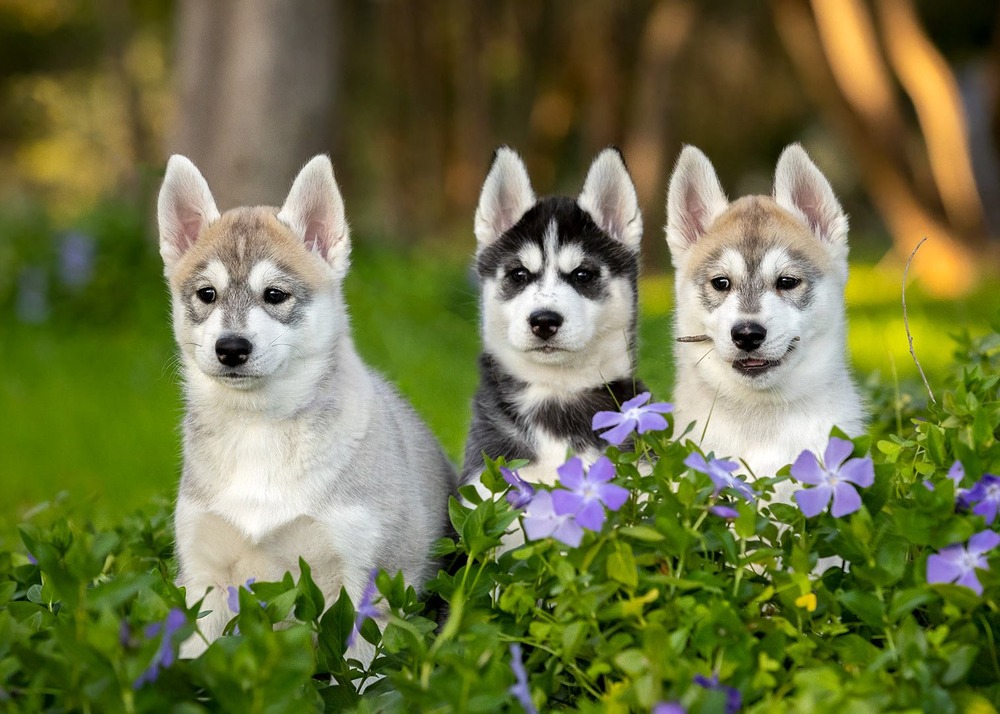
The biggest issue in the original text is that it swaps between a dog and a donkey. Donkeys are domesticated equids with their own history and husbandry needs, and that information does not apply to a dog. If you saw “D-K” attached to donkey facts, that is a strong sign you are reading scraped or templated content, not a trustworthy breed profile.
If someone is using “D-K” to describe a dog, it is more realistic to assume they mean a dog with working-dog tendencies, such as a dog bred for stamina, responsiveness, and a willingness to learn. Those traits can show up in many breeds and mixes, and they can be wonderful, but they do not automatically make a dog “easy”.
If you are unsure what you are looking at, a practical next step is to ask for:
- Clear adult photos of the parents (if buying from a breeder).
- A description of the dog’s daily routine, including how they behave when bored or under-exercised.
- Any available health testing relevant to the breeds believed to be in the mix (especially orthopaedic screening for larger, athletic dogs).
Size, build, and what that means for handling

When a dog is described as “medium” or “large”, it is tempting to focus on the numbers. In daily life, what matters just as much is strength-to-skill ratio. A lean, athletic dog that weighs less can still be powerful on lead, quick to chase movement, and hard to recall if their training foundation is thin.
If you are choosing a dog whose adult size is unknown, think about practical handling questions early. Can you lift them if they are injured? Can you safely hold the lead if they lunge? Does everyone in the household have the confidence and coordination to do calm, consistent training?
For dogs with possible working ancestry, it can also be worth discussing hip and elbow risk with your vet, and for breeders, using established screening schemes where relevant.7, 8
Coat length, colour, and grooming that actually helps
Generic breed write-ups often describe seasonal coat changes in a way that sounds dramatic. In reality, most dogs fall somewhere on a spectrum: short coat, double coat, or longer coat with feathering. The care needs follow that coat type, not a label like “D-K”.
What tends to help, regardless of colour:
- A brushing routine that matches the coat, more often during shedding periods.
- Checking ears, armpits, groin, and between toes after outdoor time, especially if the dog runs through long grass.
- Bathing when needed, using a dog-appropriate shampoo, and drying thoroughly to reduce skin irritation.
If your dog develops recurring itch, redness, hot spots, or a persistent smell, treat it as a health issue rather than a grooming failure. A vet can help rule out parasites, infection, or allergy drivers.
Temperament and trainability, reading the dog in front of you
Dogs described as “working type” often learn quickly, but that is not the same as being automatically compliant. Many are bright, persistent, and easily reinforced by the environment (movement, scents, other animals). That can look like stubbornness, when it is really a dog choosing the reward that makes the most sense to them in that moment.
A humane training approach is not “soft”. It is structured. Veterinary and welfare bodies recommend reward-based methods for training and behaviour modification, and warn about the welfare and learning risks of aversive tools and punishment-based techniques.1, 2
In a busy household, the most useful skills are often quiet ones:
- Settle on a mat, while life happens around them.
- Loose-lead walking, with planned sniff breaks.
- Recall foundations built gradually, not tested in high-distraction places too early.
Health considerations that apply to many active dogs
The original text listed asthma, bronchitis, sweating, and skin folds as if they were typical for this “breed”. That combination does not fit most athletic working-type dogs, and it reinforces the bigger point: health claims should be treated cautiously when the breed itself is unclear.
There are, however, a few health themes that come up again and again across many dogs:
- Weight creep, which quietly increases pressure on joints and can make exercise intolerance look like “laziness”. Maintaining a healthy body condition is a practical, vet-supported prevention strategy.5, 6
- Dental disease, which is common in dogs and often progresses without obvious signs until it is advanced. Home care, especially tooth brushing, makes a real difference, and products with the VOHC Seal have evidence for plaque or tartar control when used as directed.9, 10
- Orthopaedic concerns in larger, athletic dogs, where screening and sensible exercise progression matter, especially during growth phases.7, 8
If you are adopting, ask the shelter or foster carer what they have noticed after exercise and at rest, including stiffness the next day, reluctance to jump into the car, or changes after long walks.
Sociability with strangers, guests, and the wider world
Some dogs are naturally social. Others are neutral, observant, or slow to warm up. Both can be perfectly normal. Problems tend to arise when we assume friendliness is the only “good” option, or when we push greetings that the dog is not ready for.
A steadier goal is calm neutrality, which looks like choosing to stay near you, taking treats gently, and being able to disengage. Reward-based training makes it easier to teach polite greeting routines without relying on physical corrections or intimidation.1, 2
If your dog becomes over-excited with visitors, the solution is often management plus practice, not louder commands. Try a lead or baby gate set-up, and reward four paws on the floor and quiet sitting. Over time, the dog learns what works in that context.2
Play and enrichment, directing energy without winding them up
High-energy dogs often love games, but not every kind of play helps the household. Endless high-arousal fetch can build fitness without building self-control, which sometimes shows up later as difficulty settling.
Enrichment that tends to age well includes:
- Sniffing games (scatter feeding, treat trails).
- Food puzzles that are not so hard they frustrate the dog.
- Short training sessions that end before the dog is tired or irritated.
It can help to keep a simple rule: for every activity that ramps the dog up, include something that brings them down afterwards, such as a chew, a sniffy walk, or mat work.
Living with children and other pets
Whether a dog suits a family is less about a label and more about impulse control, mouthiness, and how they respond to noise and fast movement. Many working-type dogs are deeply engaged with their environment, which can be challenging in a home with toddlers who wobble, shriek, and drop food.
If you have children, look for a dog who can recover quickly from surprise, who can settle, and who shows soft body language around commotion. Management matters too: teach kids to give the dog space when they are eating or resting, and use barriers so the dog can opt out.
For multi-pet homes, early introductions and ongoing management are key. Some energetic dogs can live beautifully with cats or smaller animals, but you want a dog who can be redirected and who responds well to reinforcement, not a dog who practises chasing.1, 2
Exercise needs, building a routine you can keep
It is easy to overpromise yourself that you will run every morning, or do big weekend hikes forever. A better question is what you can do on a wet Tuesday when nobody is feeling heroic.
Most active dogs need daily movement, but exercise is not just distance. A walk that includes sniffing, decompression, and a few minutes of training can be more satisfying than a long, straight-line march. Australian animal welfare guidance also emphasises matching a dog’s needs to your lifestyle, because many behaviour problems are really under-stimulation problems in disguise.3
Keep an eye on the dog’s recovery. If a young dog needs longer and longer sessions just to settle, add more calm enrichment and training rather than simply increasing physical load.
Housing and day-to-day management
A big yard can be helpful, but it does not replace interaction. Many energetic dogs will do laps outside and still come in restless if their day lacks variety, training, and predictable rest.
What tends to work in ordinary homes is a mix of:
- Safe confinement (crate or pen trained thoughtfully) for rest and recovery.
- A rotation of toys rather than leaving everything out all the time.
- Clear routines around arrivals, meals, and quiet time.
If you are choosing between dogs, consider how long the dog will be alone on an average workday. That practical detail is often more important than whether the home has a large block.
Summary
“D-K” is not a reliable breed label, and the safest way to use it is as a prompt to slow down and look for better information. Focus on the dog’s observable traits and the reality of your household, including exercise time, training appetite, and how much calm structure you can provide.
If the dog you are considering seems like a working type, plan for daily activity plus mental enrichment, and commit to reward-based training. It is a sensible, evidence-backed approach that supports learning and welfare, and it helps you build the kind of partnership that makes energetic dogs easier to live with long-term.1, 2
References
- American Veterinary Society of Animal Behavior (AVSAB), Position Statements (including Humane Dog Training)
- RSPCA Australia Knowledgebase, Reward-based dog training
- RSPCA Pet Insurance, Considerations when choosing a dog
- RSPCA Australia Knowledgebase, Training recommendations and avoiding aversive methods
- World Pet Obesity Association, Communication guidelines and health risks of overweight
- World Small Animal Veterinary Association (WSAVA), Global Nutrition Guidelines
- The Kennel Club, Hip dysplasia screening scheme (BVA/KC)
- The Kennel Club, Elbow dysplasia screening scheme (BVA/KC)
- Veterinary Oral Health Council (VOHC), Oral health guidance and the VOHC Seal
- VOHC, Accepted Products list (dogs)