

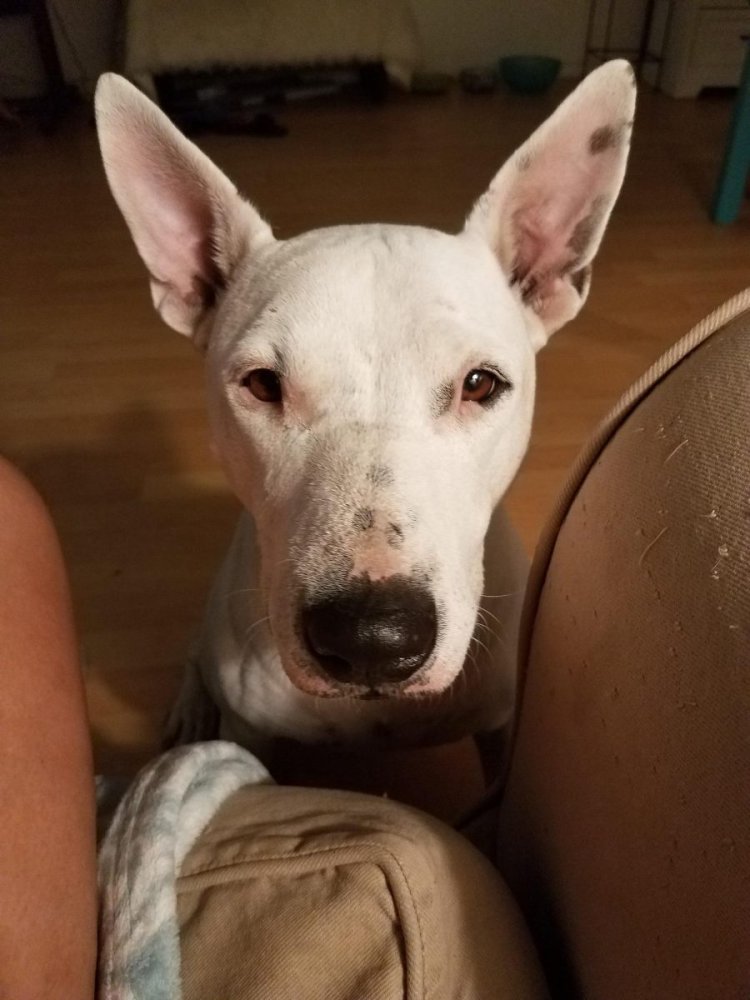
People often come across the Dogo Guatemalteco in a roundabout way: a photo of a powerful white dog labelled “dogo”, a mention that Guatemala has a national dog, or a conversation about guardian breeds that are uncommon outside their home country. It can be hard to tell what is solid breed history and what is folklore, especially when information is scattered across different languages and kennel club circles.
It also helps to name the quiet truth about dogs like this. A protective, athletic working dog can be a wonderful companion in the right home, but “loyal” and “protective” are not personality guarantees. They are tendencies that show up more clearly when training, early socialisation, and day to day management are done well, and when the household has the space and time for a high-energy dog.
The Dogo Guatemalteco sits in that category. It is rare, culturally significant, and often described as a serious guardian. For anyone considering one, or simply trying to understand the breed’s reputation, it is worth looking at what we do know, and where the gaps tend to be.
Breed snapshot
Breed type: Working and guarding dog
Origin: Guatemala
Typical size: Large, athletic build
Coat: Short, dense, usually white with some markings
Exercise: High, daily physical and mental outlet needed
Life expectancy: Commonly reported around 10 to 12 years1
History and origin
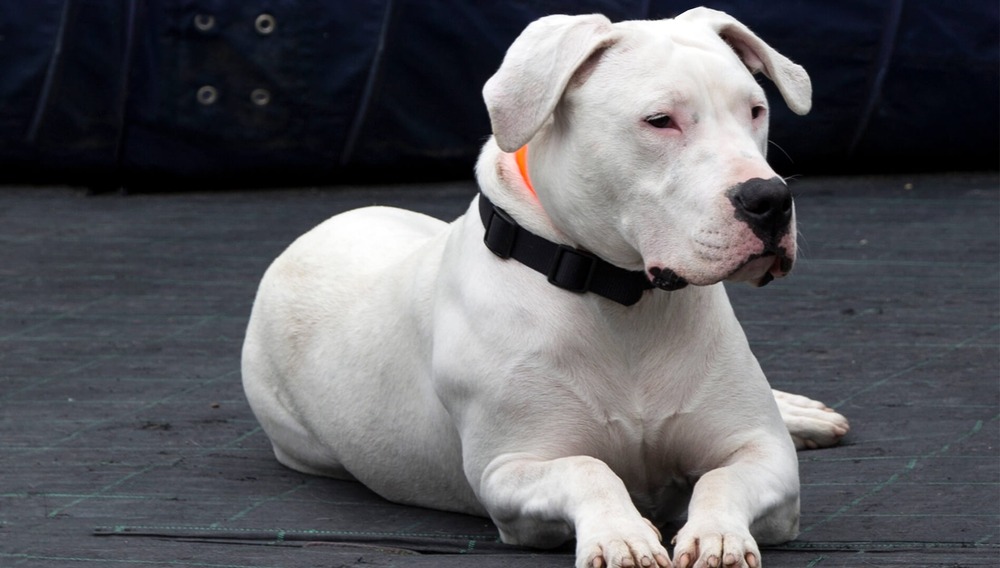
The Dogo Guatemalteco (also called the Guatemalan Dogo) is widely described as Guatemala’s official national dog, with formal designation commonly cited as 1981.1 It is also often described as the country’s only native breed, which partly explains why people feel a strong cultural pull toward it, even if they have never met one in person.
Accounts of the breed’s development commonly place purposeful breeding work in the 1930s, with crosses involving Bull Terriers, Boxers, and Dalmatians. The breed’s earlier roots are sometimes linked to photographs and family collections from the late 1800s, which suggests there were “type” dogs in Guatemala well before a standard was written.1
You will sometimes see a single founder named, or a neat origin story that reads like a recipe. In practice, breed history is often messier. What is more consistent across sources is that Dr. Arturo R. Chávez is frequently credited with helping shape the modern name and with establishing or formalising a breed standard, after earlier dogs were sometimes referred to as the Guatemalan Bull Terrier.1
Recognition and how “rare” really works
The Dogo Guatemalteco is not widely recognised by major international kennel clubs, which is one reason it remains uncommon in many countries. You may still see pedigree or registry references connected to Guatemala’s national canine organisation (ACANGUA), which describes itself as Guatemala’s canine registry and outlines its role in registration and events.2
For prospective owners, the practical point is this: rarity can make due diligence harder. It can be more difficult to find transparent health histories, consistent temperaments, and a broad base of experienced breeders and trainers who truly know the breed.
Physical characteristics
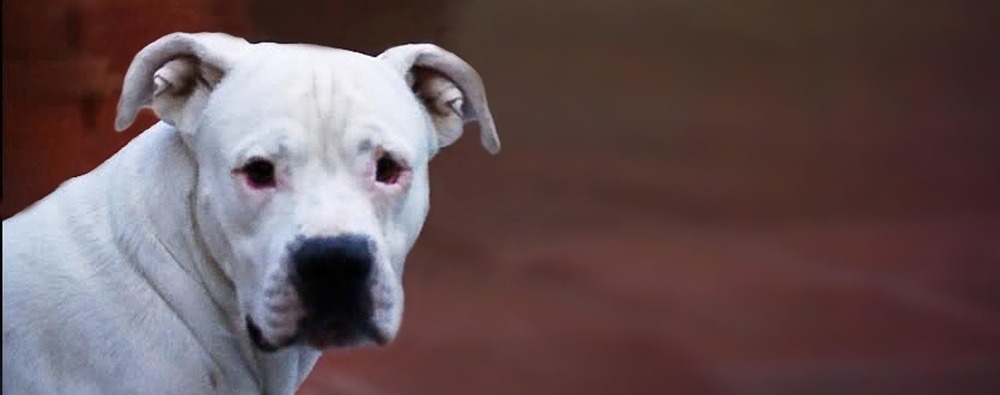
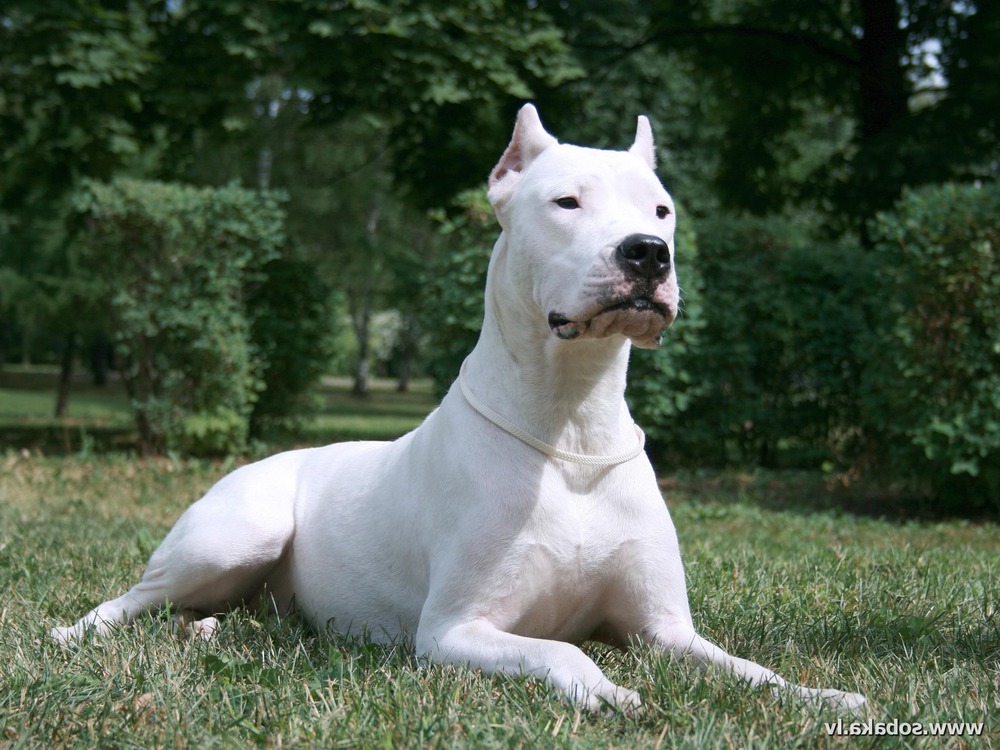
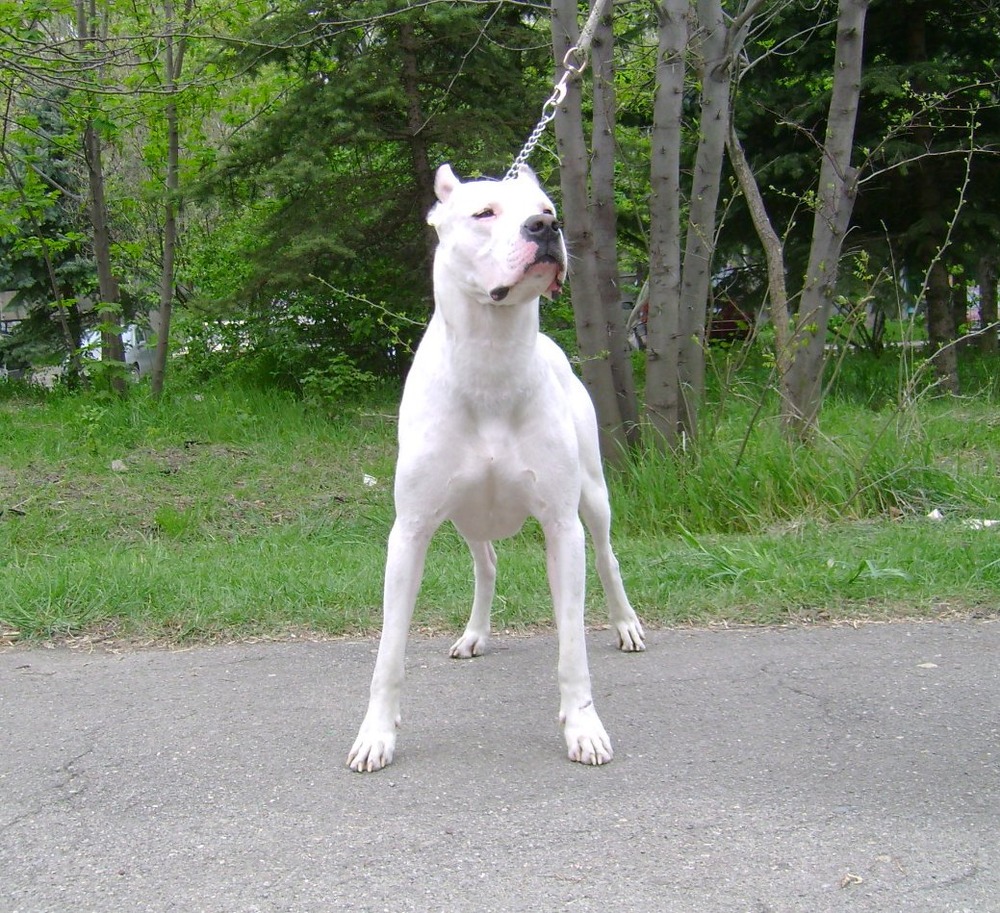
Most descriptions present the Dogo Guatemalteco as a large, muscular, molosser-type working dog with a short, dense coat. Reported adult weights often sit around the 40 to 45 kg range for males, with females typically lighter. Height ranges vary by source, which is not unusual for a rare breed with inconsistent international standardisation.1
Coat colour is commonly described as white, sometimes with patches or markings. Because the coat is short, it tends to be easy to maintain, but short coats can still shed steadily, and they can leave some dogs more exposed to cold weather.
If you are trying to identify a dog you have seen, it helps to look beyond colour alone. A white, muscular dog can also resemble other breeds and mixes. Temperament and management needs are usually more informative than appearance when you are deciding whether a dog could fit your home.
Temperament and behaviour
The breed is often described as loyal, alert, and protective, which matches its reputation as a guardian dog.1 In everyday life, that may look like a dog that notices changes quickly, watches visitors carefully, and prefers clear structure in the home.
Protective instincts can be an asset, but they can also become a problem when a dog is under-socialised, under-exercised, or repeatedly placed in situations it cannot cope with. With guardian breeds, the goal is not to “remove” guarding behaviour. It is to build predictable, safe behaviour patterns around people, dogs, property boundaries, and handling.
Many Dogos can live well with children and other pets in the right circumstances, but it is not something to take for granted. Supervision, management, and early training matter, and so does being honest about the dog in front of you, not just the breed description.
Training and exercise needs
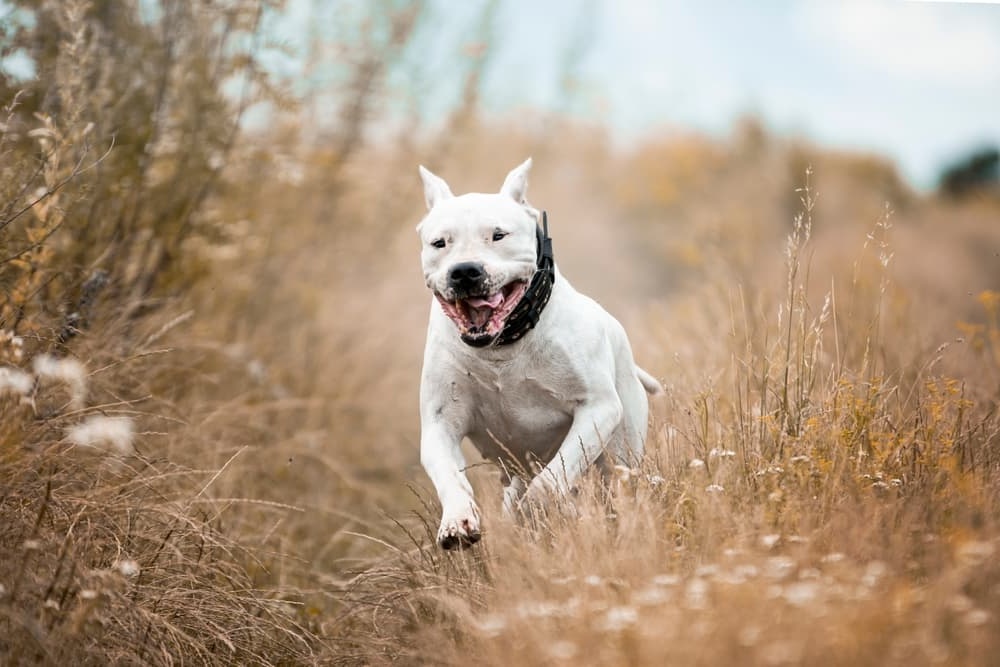
This is typically a high-energy dog that does best with daily outlets for both body and brain. For many households, that means a combination of brisk walking, structured play, training sessions, and problem-solving activities (such as scent work or food puzzles), rather than relying on a backyard alone.
Early socialisation is particularly important with dogs that may be naturally wary of strangers. In Australia, the RSPCA describes a critical socialisation period in early puppyhood and encourages calm, positive exposure to people, surfaces, sounds, and handling, at a pace the puppy can manage.3
Training methods matter too. Reward-based, positive reinforcement approaches are widely recommended by welfare organisations because they build skills without relying on intimidation or pain, which can backfire, especially in powerful dogs.3
- Keep sessions short and frequent, especially for young dogs.
- Reinforce calm behaviour around doors, fences, and visitors, not just obedience cues.
- Build handling tolerance (ears, paws, mouth) so vet care and grooming are easier.
- Use secure containment and a long lead where recall is still developing.
Health and lifespan
Many breed summaries mention hip dysplasia as a potential issue in larger, heavier dogs, and that is a sensible concern to keep in mind here as well.1 Canine hip dysplasia is a developmental condition where the hip joint forms with too much laxity, and over time that instability can contribute to arthritis and pain.4, 5
One detail that surprises owners is that signs can show up early, or much later, depending on the dog and the severity. That is why vets often talk about weight management, appropriate exercise during growth, and breeding selection as meaningful levers for risk reduction.4, 5
Skin issues are also sometimes reported in short-coated white dogs, although “skin allergies” is a broad label. If a dog is itchy, recurrently inflamed, or getting repeated ear infections, it is worth working with a vet to narrow down whether the driver is parasites, infection, diet-responsive disease, or environmental allergy.
For lifespan, many sources cite around 10 to 12 years, which is consistent with other large breeds, although individual outcomes depend heavily on genetics, body condition, and overall care.1
Grooming and day to day maintenance
A short coat generally means simple grooming. A weekly brush or grooming mitt will lift loose hair and help you keep an eye on skin condition. Nail care, dental care, and ear checks still matter, even when the coat itself is low effort.
Because this is a powerful dog, handling skills are part of “maintenance” too. Teaching a dog to settle, accept gentle restraint, and offer paws or a chin rest on cue can reduce stress for everyone during grooming and vet visits.
Diet and nutrition
Large, active dogs tend to do best on a diet that supports lean muscle and a stable growth rate during puppyhood, with portions adjusted so the dog stays in a healthy body condition. If you are choosing a commercial food, it helps to look beyond marketing claims and ingredient lists.
The World Small Animal Veterinary Association (WSAVA) Global Nutrition Committee provides guidance and tools for pet owners, including how to evaluate foods and labels more meaningfully than simply scanning ingredients.6
If you use “people foods” as treats, keep the safe list simple and avoid known hazards. Organisations such as the ASPCA list foods that can be dangerous to dogs, including grapes and raisins (risk of kidney injury) and alliums like onion and garlic (risk of red blood cell damage).7
Living with a Dogo Guatemalteco
This breed is often described as better suited to experienced handlers, and that is less about toughness and more about everyday competence. A dog that is strong, watchful, and quick to respond needs a home that can calmly provide structure: clear routines, safe containment, appropriate introductions, and enough training time that good behaviour becomes a habit.
It is also worth thinking about where the dog will spend its life. If your household has frequent visitors, close neighbours, or limited space, management is part of kindness. Many guardian-type dogs cope well when their world is predictable, their exercise needs are met, and they are not repeatedly pushed past their comfort zone.
References
- Wikipedia: Guatemalan Dogo (Dogo Guatemalteco)
- Asociación Canófila Guatemalteca (ACANGUA): Official site
- RSPCA Australia: Here’s how to care for your puppy (socialisation and reward-based training)
- Cornell University College of Veterinary Medicine: Canine hip dysplasia (CHD)
- American College of Veterinary Surgeons (ACVS): Canine hip dysplasia
- WSAVA: Global Nutrition Guidelines and tools for pet owners
- ASPCA Animal Poison Control: People foods to avoid feeding your pets