

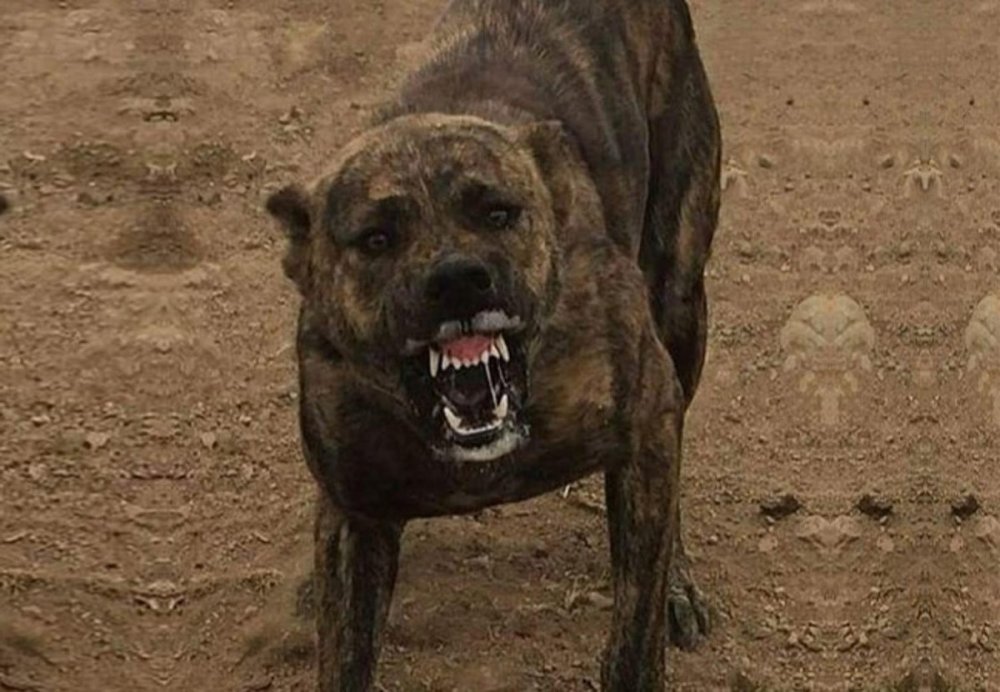
You might come across the name Dogo Sardesco after seeing a photo online, hearing it mentioned by someone with family ties to Sardinia, or noticing that a dog described this way does not quite match the neat breed profiles most of us are used to. That uncertainty is part of the story. In practice, “Dogo Sardesco” is often used for a rare Sardinian, mastiff type working dog, but it is also sometimes applied to other local Sardinian dog types, depending on region and tradition.
If you are trying to work out whether this is a formally recognised breed with a fixed standard, or more of a locally preserved working type, it helps to slow down and look at what is actually documented, and what is mostly oral history. The difference matters when you are choosing a dog, planning training and socialisation, or even just comparing temperaments, because a dog from a functional working background can be far less “predictable on paper” than a long-standardised show breed.
What follows is a grounded look at how the Dogo Sardesco is commonly described, what we can say with reasonable confidence, and where the gaps are. If you are considering living with one, the practical details, like early handling, daily outlets, and realistic management around strangers and other animals, are more important than any romantic origin story.
At a glance: what people mean by “Dogo Sardesco”
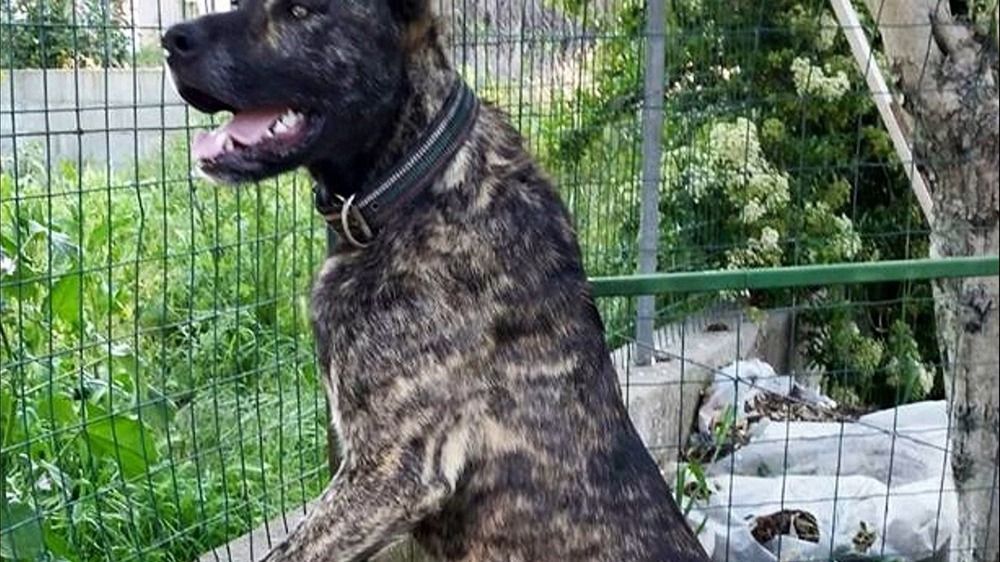
In most English-language use, “Dogo Sardesco” (also written as Dogo Sardo) points to a Sardinian, molosser type farm and livestock-guarding dog, valued for being tough, athletic, and naturally suspicious of unfamiliar people and animals. Many descriptions emphasise that it remains uncommon outside Sardinia and does not have a universally accepted written standard, which is a clue that you are dealing with a local working type more than a globally standardised pedigree breed.1, 2
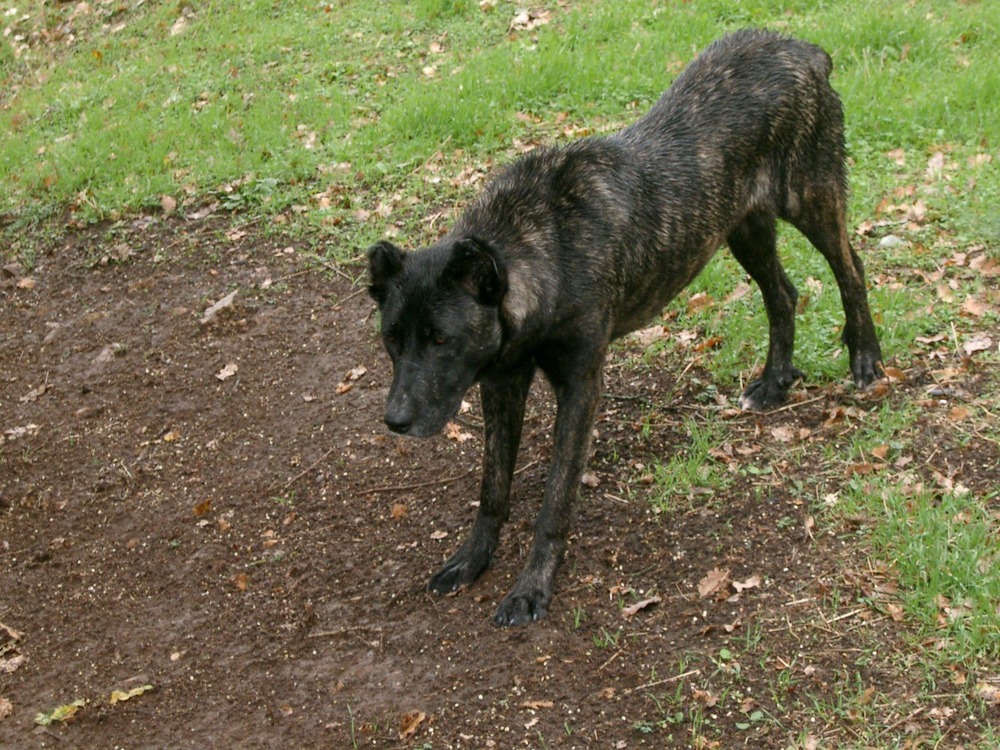
It is also worth knowing there is long-running name confusion. Some sources describe two distinct Sardinian dogs being labelled “Dogo Sardesco”, one more mastiff-like and short-coated, another more herding-dog in appearance. That does not mean every individual is “mixed” in the everyday sense, but it does mean you should be cautious about assuming a single, consistent look or temperament from the name alone.1, 2
Origins and status: land, work, and imperfect records
Most accounts place the dog in rural Sardinia, historically used for guarding property and livestock and assisting in farm work. Beyond that broad outline, the details are difficult to confirm because documentation is limited and the dogs have often been bred for function rather than to meet a published conformation standard.1
When people ask whether the Dogo Sardesco is “recognised”, it helps to be precise about which registry. As of the Fédération Cynologique Internationale (FCI) breed listings, the Dogo Sardesco is not presented as an FCI-recognised breed with an official standard in the FCI nomenclature.3
This does not make the dogs any less real or any less capable. It simply means that the name may be used more like a regional descriptor, and dogs sold under the label can vary in appearance and behavioural tendencies. If you are assessing a puppy or adult dog, focus on the parents, the rearing environment, and the day-to-day temperament you can actually observe.
Temperament: loyal, watchful, and not automatically social
Well-bred, well-raised examples are commonly described as devoted to their home group and naturally alert, with a strong guarding bias. That can look like calm watchfulness in one dog, and quick suspicion in another, especially if the dog has not had careful early exposure to visitors, handling, and normal suburban life.
It is tempting to describe a protective dog as “wanting to” defend, but what you are often seeing is a learned pattern plus genetics: the dog notices change, responds fast, and repeats what has worked before. This is why early socialisation and ongoing training are not optional extras for this type of dog, they are foundational management.
If you are hoping for a universally dog-park-friendly temperament, it is wise to reset expectations. Some individuals may be quite workable around other dogs, but many guarding types do best with structured introductions, clear routines, and thoughtful supervision rather than free-for-all social settings.
Living with one: space, routine, and sensible boundaries
A working-derived dog generally thrives when life is predictable and purposeful. Think in terms of daily outlets that meet both body and brain. Long walks matter, but so do skills, chores, and calm boundaries around the home. When these needs are not met, the “problem behaviours” people report, like pacing, fence running, reactive barking, or difficulty settling, often make more sense.
In practical terms, many owners find these habits helpful:
- Daily decompression walks, not just exercise, but time to sniff and move at a steady pace.
- Short training blocks that build cooperation, such as loose-lead walking, recall foundations, and place-mat settling.
- Clear visitor routines, for example a lead on, a designated resting spot, and a calm reward pattern for steady behaviour.
Apartment living is not automatically impossible for every individual, but it is usually a poor match if you cannot provide consistent outlets and a plan for managing passers-by, deliveries, and shared-space encounters.
Training and socialisation: start early, keep it reward-based
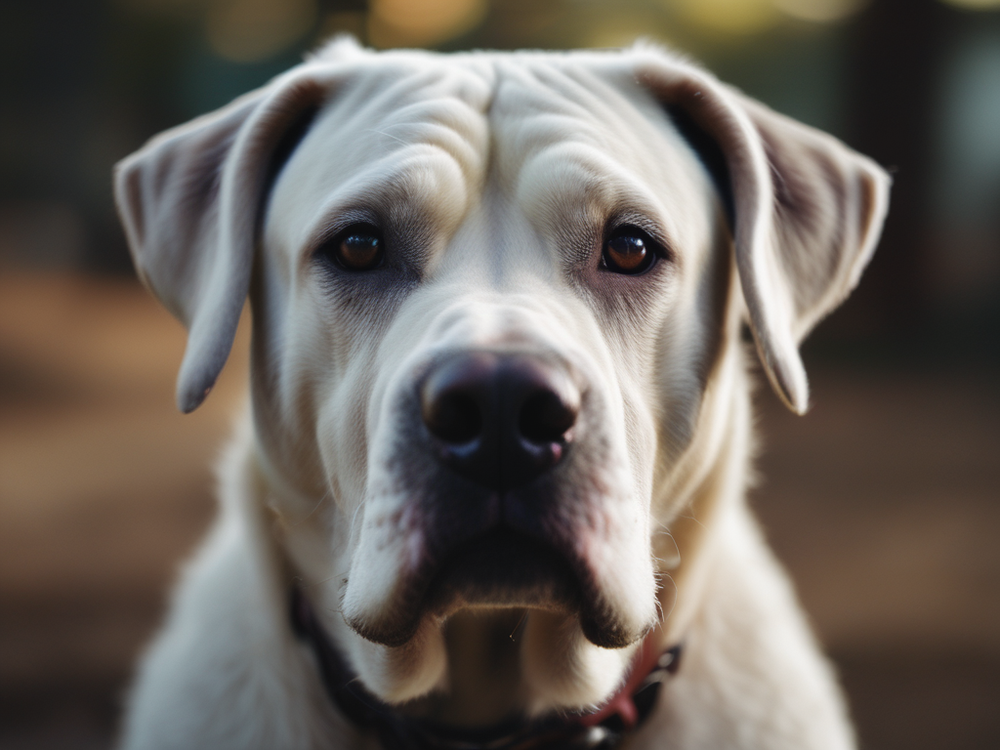
For dogs with a guarding heritage, early socialisation is less about making the dog “love everyone” and more about teaching the dog what normal looks like. The goal is calm neutrality in everyday situations, built through repeated, positive, controlled exposure.4, 5
In Australia, a useful reference point is the critical socialisation window often described as roughly 3 to 17 weeks in puppies. Experiences in this period can shape later coping and behaviour, so it pays to be deliberate about handling, surfaces, noises, visitors, and gentle restraint practice.5
Reward-based training is not just a feel-good approach. For dogs that can become wary or defensive, harsh methods can increase conflict, reduce trust, and make behaviour harder to predict. RSPCA guidance strongly favours positive reinforcement and avoiding physical punishment in training and early learning.4
Health and care: what to watch for in large, athletic dogs
Because the Dogo Sardesco is not widely standardised, you will see variation in size and build. Still, if you are looking at any large, muscular dog, it is sensible to discuss joint health with a vet. Hip dysplasia is commonly seen in larger breeds, and signs can include stiffness, reluctance to jump, hindlimb weakness, and exercise intolerance.6
Good care is often unglamorous but effective: keeping the dog in a lean body condition, building fitness gradually, and avoiding uncontrolled pounding exercise in young dogs. If you are buying a puppy, ask what health screening has been done in the parents, and what the breeder does to support sound early development.
Coat care is usually straightforward for short-coated types. The bigger “maintenance” piece tends to be behavioural and environmental: keeping the dog’s world predictable, preventing rehearsals of guarding the fence line, and making sure daily life includes time to settle, not just time to patrol.
Food and feeding: focus on quality, not marketing
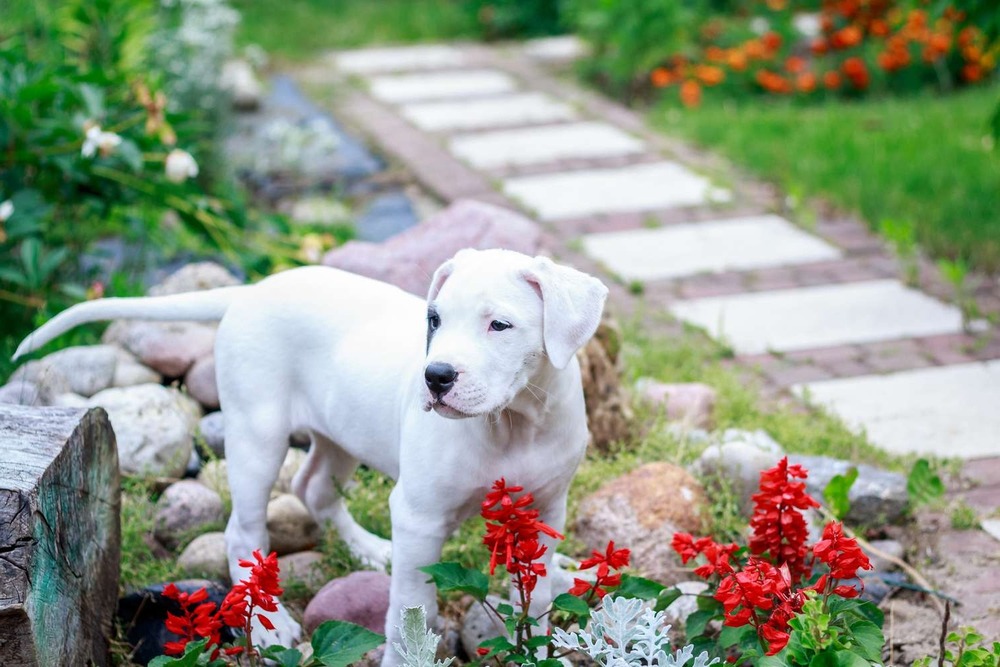
Large active dogs do best on a diet that matches their life stage, activity level, and body condition. It is easy to get pulled into ingredient-list debates, but the World Small Animal Veterinary Association (WSAVA) Global Nutrition Committee provides practical guidance and tools for choosing a food based on stronger indicators of quality than marketing claims.7, 8
It also helps to keep food safety simple. Many everyday human foods are genuinely dangerous to dogs. RSPCA guidance includes risks such as chocolate, onions and related plants, grapes and raisins, macadamias, cooked bones, and caffeine, among others.9
Is the Dogo Sardesco right for you?
This is often a good match for people who appreciate a serious working temperament, have space and time for daily structure, and are comfortable managing a dog that may not welcome strangers by default. It is less suitable for households that want an easygoing social butterfly, or for anyone who is not prepared to do consistent training and thoughtful social exposure.
If you are meeting a dog described as a Dogo Sardesco, pay close attention to what is in front of you. Watch how the dog recovers after being startled, how it responds to gentle handling, whether it can settle, and how it behaves when you create distance from triggers. Those details will tell you far more than a label.
References
- Molosser Dogs: Dogo Sardo
- Wikipedia (Italian): Dogo sardo
- Fédération Cynologique Internationale (FCI): Breeds nomenclature and standards publications
- RSPCA Australia: Here’s how to care for your puppy (reward-based training and early care)
- RSPCA Knowledgebase: Is socialising my puppy important?
- American College of Veterinary Surgeons: Canine Hip Dysplasia and early options
- WSAVA: Global Nutrition Committee
- WSAVA: Global Nutrition Guidelines
- RSPCA Australia: Household dangers to your pet (toxic foods and other risks)