

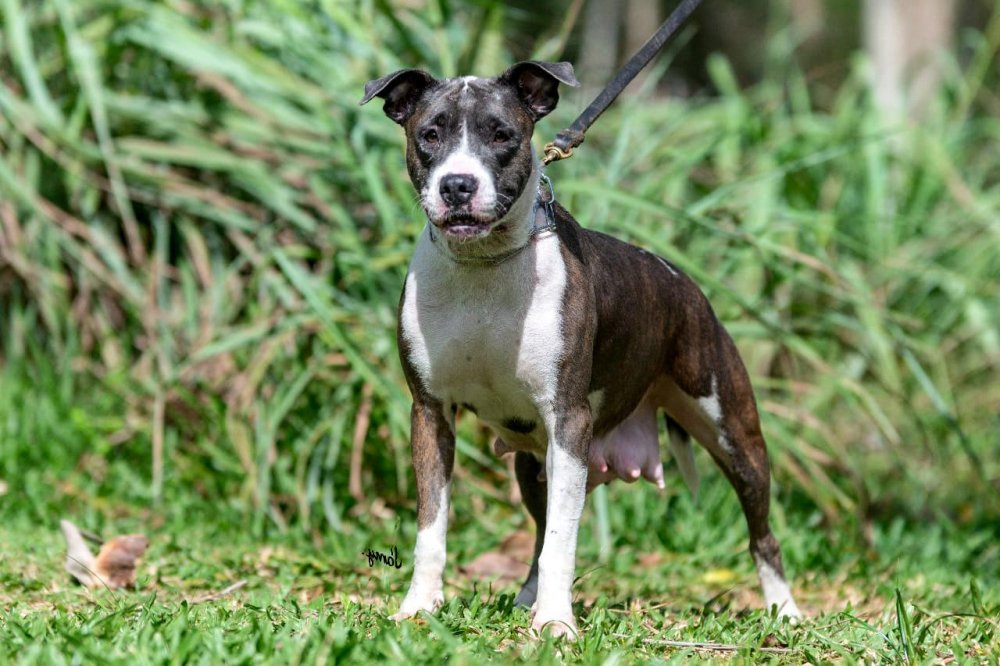
You might come across the Dogue Brasileiro when someone mentions a “Brazilian guard dog” that looks a bit like a Boxer, or when you notice a solid, athletic dog that seems calm at home but very aware of what is happening around the property. People often assume that a protective dog is automatically “hard work” or unsuitable for family life. The reality is usually more practical than that, it comes down to early handling, steady training, and whether the household can meet the dog’s daily needs.
With breeds like this, it also helps to look past the tidy summary points. “Loyal” and “protective” can describe a dog that settles beautifully with familiar people, but is slow to warm to strangers, or a dog that needs more thoughtful social exposure than the average easy-going pet. If you are choosing one, or living with one already, the small day-to-day decisions matter most, the way visitors are introduced, how boundaries are set, and whether exercise is truly regular.
The Dogue Brasileiro is a Brazilian working breed developed for guarding and companionship. In Brazil it is recognised by the Confederação Brasileira de Cinofilia (CBKC), but it is not recognised by the Fédération Cynologique Internationale (FCI) or the American Kennel Club (AKC).1
Quick breed snapshot

At a glance, the Dogue Brasileiro is typically a medium to large, athletic, short-coated dog with a watchful presence and a strong interest in its home territory. Individual dogs vary, and different sources report slightly different ranges for size and coat details, but most descriptions agree on a sturdy, functional build and a temperament shaped for guarding.
- Origin: Brazil1
- Type: working, guardian, companion (mastiff-type in many descriptions)1
- Coat: short (some descriptions also mention short to medium)1
- Common care theme: easy coat care, higher need for training, structure, and appropriate outlets
Where the Dogue Brasileiro came from
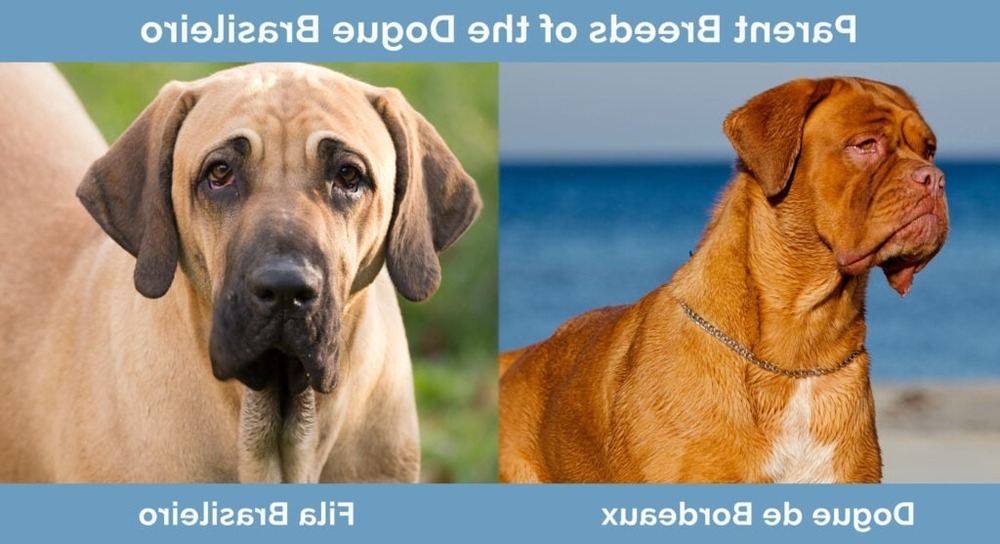
The origin story is unusually well known for a modern breed. Accounts of the Dogue Brasileiro’s development commonly trace back to a Bull Terrier breeder, Pedro Pessoa Ribeiro Dantas, in Caxias do Sul, Rio Grande do Sul. Early crossings in the late 1970s, followed by further breeding through the 1980s, are frequently described as the foundations of the breed.2, 3
Most references also describe the early influence of Bull Terrier and Boxer lines. It is worth holding that detail lightly, because breed histories can be simplified over time, and different organisations may emphasise different elements. What matters in practice is that the Dogue Brasileiro was developed with a clear working intention, a dog that could live closely with people and still take guarding seriously.2, 3
If you are trying to understand the “why” behind the behaviour you see, this background helps. Many Dogue Brasileiros are observant, quick to notice changes on the property, and inclined to take their cues from what the household treats as normal or concerning. That can be an asset when handled well, and a problem when a young dog is left to make too many decisions on its own.
Temperament in everyday life

People often describe this breed as loyal and protective. In a home setting, that can look like a dog that follows routines closely, places itself where it can watch entry points, and becomes especially alert when unfamiliar people arrive. It does not automatically mean aggression, but it does mean you should plan introductions, management, and training more carefully than you might for a socially “bouncy” breed.
One common misunderstanding is that a protective dog will “just know” how to behave if it loves the family. In reality, good outcomes usually come from teaching the dog what is expected around doors, fences, windows, and visitors. Calm repetition is often more useful than intensity.
With children, the safest approach is the same one sensible trainers and vets recommend for any large, strong dog: active supervision, teaching kids appropriate handling, and giving the dog space to opt out of play. A dog that feels crowded or repeatedly pushed past its comfort can become less predictable over time, even if it is otherwise stable.
Training and socialisation, building steadiness without rushing it

The training approach that tends to suit a Dogue Brasileiro best is reward-based, consistent, and practical. This is not about “spoiling” a dog, it is about teaching clear behaviours you can rely on when life gets busy: coming when called, staying on a mat when people enter, walking on a loose lead, and disengaging when asked. Reward-based methods are also widely recommended by animal welfare organisations because they avoid the risks associated with aversive tools and punishment-based training.4
Socialisation is often talked about as a race, but good professionals treat it more as a quality issue than a quantity issue. Early, gentle exposure can help puppies learn what is normal. At the same time, forcing a worried puppy into situations it cannot handle can backfire, and some dogs need a slower pace than others.5
If you are working on social confidence, keep sessions short, pair new experiences with something the dog values (food, play, distance, sniffing time), and watch for subtle stress signs. If the dog begins to withdraw or react, it is usually better to step back and rebuild with easier versions of the same situation.5
Helpful skills for a guardian-minded dog
- Visitor routine: a practiced pattern (on lead, behind a gate, or on a mat) that prevents rehearsal of rushing and barking
- Settle on cue: reinforcing calm, not just suppressing noise
- Leave it and drop: useful for safety and everyday handling
- Recall and leash skills: non-negotiable for a powerful, fast dog
Exercise and enrichment, what “enough” usually looks like
A short coat does not mean a low-needs dog. Many Dogue Brasileiros do best with daily exercise that is varied, not just a quick lap around the block. The goal is a dog that can move its body, use its nose, and practise being calm afterwards.
Practical options tend to include brisk lead walks, controlled off-lead time where legal and safe, tug and retrieve games with rules, scent games, and basic obedience sessions broken into short blocks. Puzzle feeders and simple food scatters in the yard can also make a noticeable difference, especially for dogs that become “busy” when under-stimulated.
Be cautious with high-intensity exercise for young dogs whose joints are still developing, and speak with your vet if you are unsure what is appropriate for your dog’s age and condition.
Health considerations and what to watch for
Any medium to large, muscular dog can be affected by orthopaedic issues, and owners often ask about hip dysplasia. Hip dysplasia is a condition vets diagnose based on examination and imaging, and it can show up as stiffness, reluctance to jump, reduced activity, or a changed gait. If you notice these signs, a vet check is worthwhile sooner rather than later, because early management can improve comfort and mobility over time.6
Skin and digestion complaints are also common reasons dogs see a vet, especially when there are recurring ear issues, itching, or ongoing loose stools. These issues are not unique to this breed, but they are worth taking seriously because they can become chronic if the underlying cause is missed.
When to book a vet visit promptly
- New or worsening lameness, stiffness, or difficulty rising
- Repeated vomiting or diarrhoea, or any signs of dehydration
- Itching that disrupts sleep, recurrent ear infections, or sore skin
- Behaviour changes that suggest pain or discomfort
Grooming and day-to-day care
The coat is usually straightforward, a weekly brush removes loose hair and gives you a chance to check the skin. Nail trimming, tooth care, and ear checks matter more than achieving a “perfect” shine.
Because these dogs can be physically strong, it helps to teach handling skills early. Gentle practice with paws, ears, mouth, and a brief stand-stay can make grooming and vet visits smoother, especially as the dog matures and becomes more confident about its preferences.
Feeding and safe treat choices
Nutrition is one of those topics where confident opinions travel faster than good information. A useful baseline is to feed a complete and balanced diet appropriate for the dog’s life stage, then adjust amounts based on body condition and activity. The World Small Animal Veterinary Association (WSAVA) provides practical guidance and tools that support vets and owners in making more individual, evidence-based feeding decisions.7
It is also worth being careful with “sharing food”. Some human foods are genuinely dangerous to dogs. Grapes and raisins are a well-known risk because they can cause kidney injury, and onions and related plants can damage red blood cells. The exact toxic component in grapes and raisins has been debated, and recent toxicology work has proposed tartaric acid as a likely culprit, but the safest advice remains the same: do not feed them at all.8, 9
If you suspect ingestion of something toxic, contact your vet promptly. Waiting to “see what happens” can remove treatment options that work best early.
Is a Dogue Brasileiro right for you?
This breed tends to suit people who like training as part of daily life, have the space and time for regular exercise, and are comfortable managing a dog that notices everything. It can be a rewarding companion in the right home, but it is rarely an easy, set-and-forget pet.
If you are choosing between breeds, ask yourself practical questions rather than aspirational ones. Can you safely contain a powerful dog? Do you have a plan for visitors and tradies? Are you willing to practise calm behaviours every day, even when life is busy? Those answers usually predict success better than any temperament label.
References
- Dogue Brasileiro (overview and recognition notes)
- Dogue brasileiro (history and origin account)
- Dogo brasileño (development timeline and early breeding account)
- RSPCA Knowledgebase: Training recommendations and reward-based methods
- AAHA: Behaviour management guidelines (notes on social exposure and fear)
- American Kennel Club: Hip dysplasia signs and diagnosis overview
- WSAVA: Global Nutrition Guidelines
- ASPCA: People foods to avoid feeding pets
- ASPCA press release: Grapes and raisins case volume and tartaric acid research note