

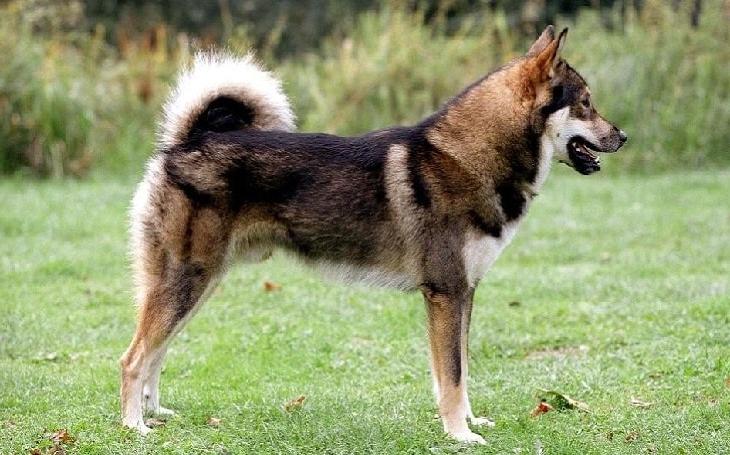
People often come across the East Siberian Laika because they have met one that seems a little different from the average spitz type. It might be a dog that watches quietly, ranges a bit wider on a walk, or looks as though it was built for cold air and long distances. Sometimes the interest starts with a photo, that thick coat and the curled tail, and a question that follows naturally: what sort of dog is this, and what does it actually need to live well?
It can be tempting to treat the East Siberian Laika as just another “husky-like” breed, but that assumption rarely holds up in day-to-day life. These dogs were shaped by practical work, especially hunting, and many still carry a strong preference for purposeful movement, independent problem-solving, and scanning the environment before they respond. In a pet home, that can be deeply rewarding, and occasionally challenging, depending on your space, routine, and experience.
When people do best with this breed, it is usually because they plan for the whole dog: the coat that sheds on its own schedule, the brain that likes having a job, and the instincts that can switch on fast. The aim is not to “tone down” the Laika, but to set up a life where their natural traits make sense.
Quick breed snapshot
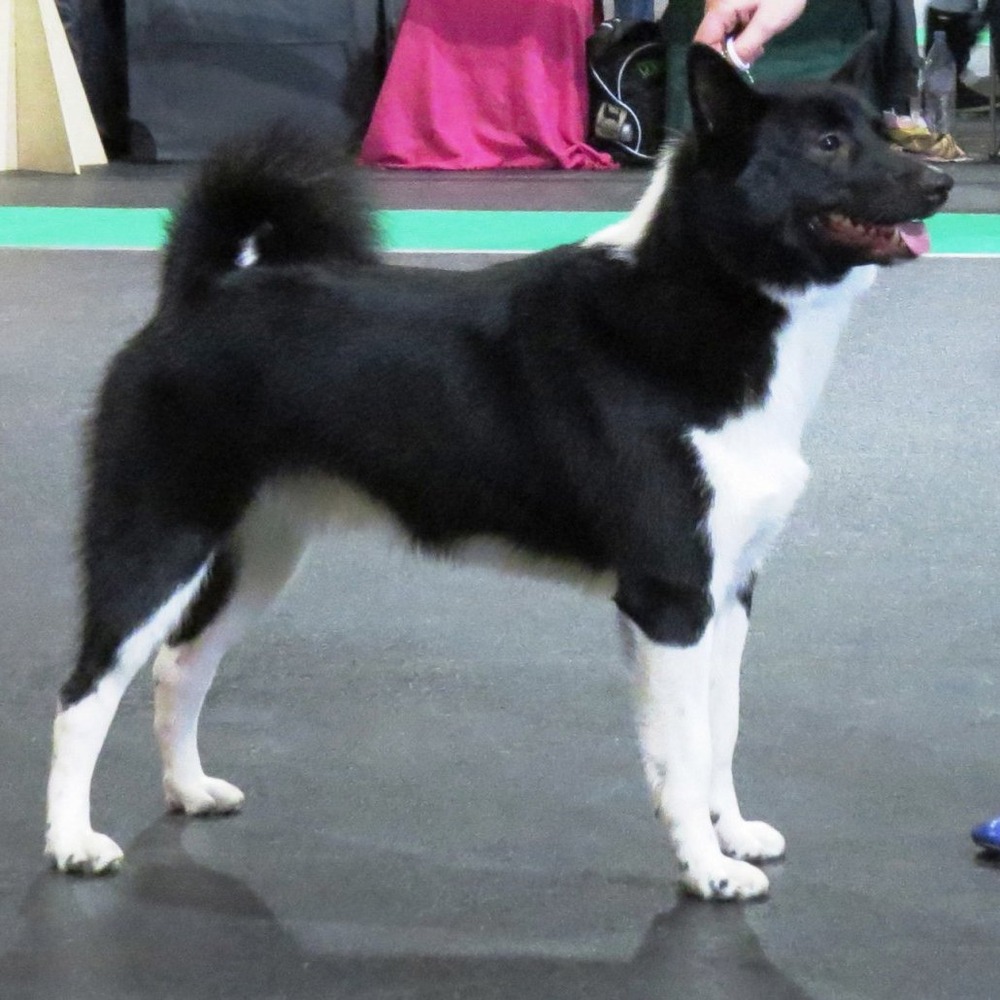
Breed type: Nordic hunting dog (spitz type).1
- Origin: Russian Federation, developed as a practical hunting and multipurpose working dog.1, 2
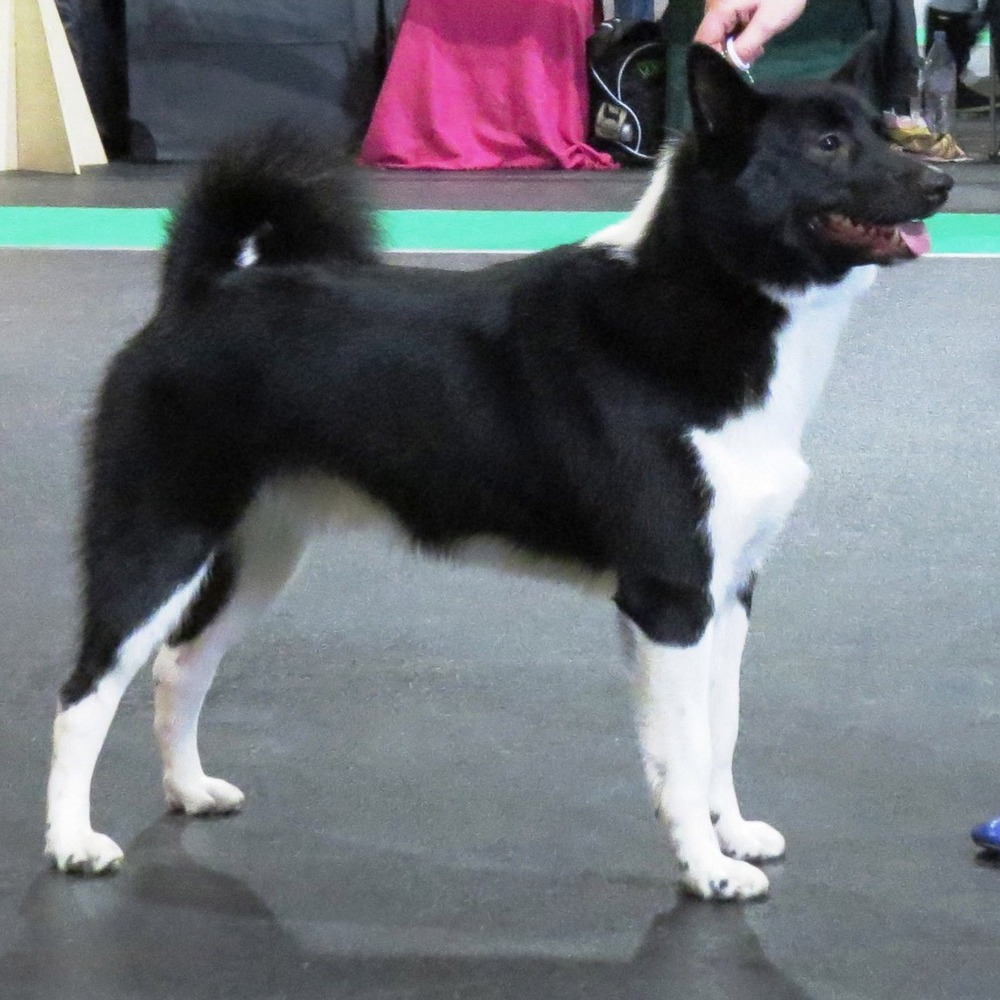
- Size: Medium to medium-large. Breed standards vary slightly by registry, but many place males around 55 to 63 cm and females around 51 to 59 cm, measured at the withers.1, 2
- Coat: Dense double coat with seasonal shedding.2
- Typical lifespan: Often quoted at roughly 12 to 15 years, with the usual caveat that individuals vary and lifestyle matters.3
Where the East Siberian Laika comes from, and why it matters
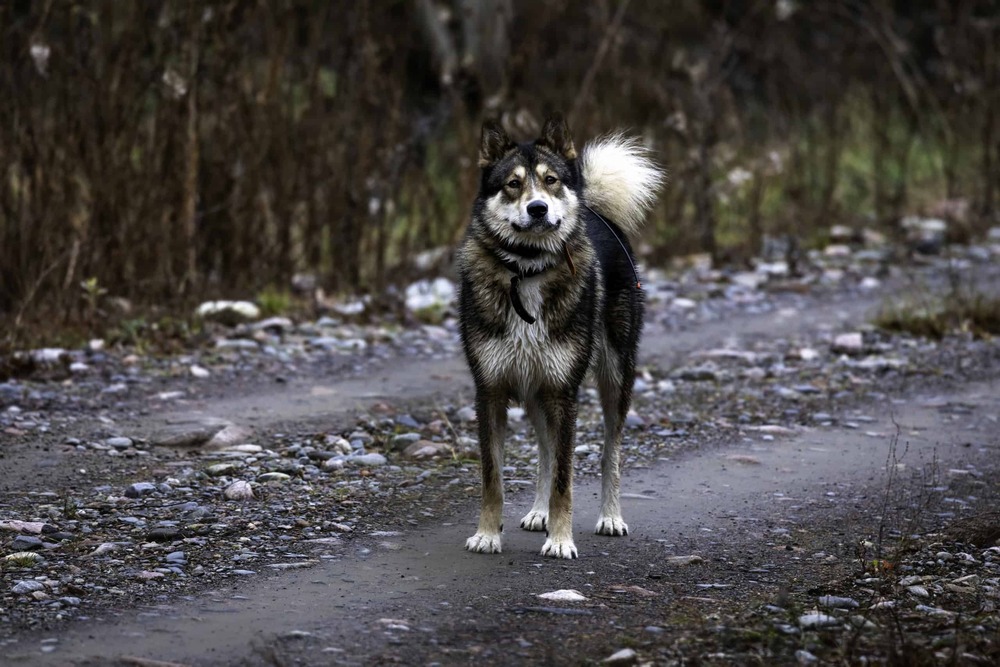
The East Siberian Laika sits within the wider Laika tradition: spitz-type dogs used for hunting across northern regions. Over time, dogs that could work efficiently in cold conditions, travel over difficult terrain, and hunt with confidence were favoured. That selection pressure shaped not only the coat and build, but also a certain way of engaging with the world: attentive, self-directed, and highly responsive to scent and movement.
For modern owners, this history helps explain why a Laika may not behave like a “follow me everywhere” companion. Many are social with their people, but still inclined to make their own decisions in stimulating environments. That is not disobedience by default, it is a working style that needs thoughtful handling.
Internationally, the breed is recognised by the Federation Cynologique Internationale (FCI) in Group 5 (Spitz and primitive types), Nordic hunting dogs, with definitive recognition dating to 1980 and a published standard in 2010.1
Temperament, instincts, and what you tend to live with
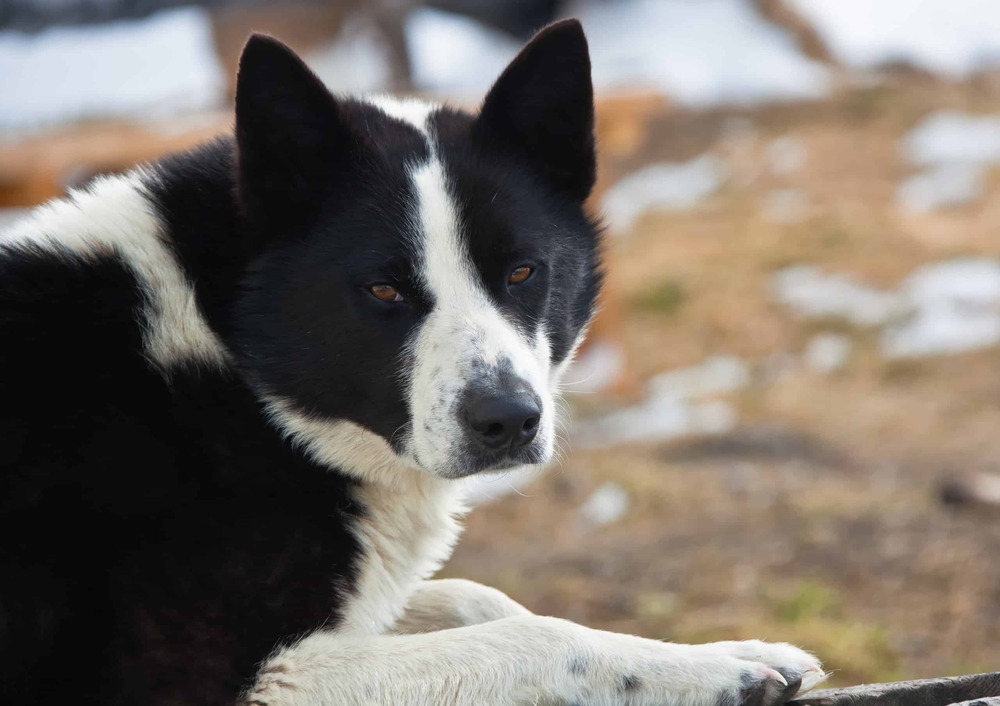
Descriptions of the East Siberian Laika often include “loyal”, “alert”, and “independent”. Those words are useful, but only if we translate them into daily patterns. Many Laikas are watchful and quick to notice changes, including new people at the gate or unexpected movement on a walk. Some will vocalise when there is a reason, but they are not necessarily constant barkers.
Independence is the trait that catches people out. A Laika might learn cues quickly, then decide the environment is more interesting than the handler. With hunting breeds, that is common. Reliable recall takes time, and management, especially around wildlife, open bushland, or unfenced areas.
With children, the usual rule applies: the relationship is built, not assumed. Many dogs can do well in families when adults supervise interactions, teach children to read “leave me alone” body language, and make sure the dog has a quiet place to retreat. With other pets, early introductions and ongoing management matter, because prey drive can vary by individual and by context.
Training that respects the dog in front of you
With Laikas, training tends to go best when it is calm, consistent, and practical. These dogs often respond well to reward-based methods that build engagement rather than relying on physical corrections. If you are used to a breed that works primarily “for you”, it may take a little adjustment to work with a dog that also works “with you”.
Start socialisation early, but keep it well-paced. The goal is not to flood the dog with every stimulus imaginable. It is to build positive, manageable experiences with people, dogs, surfaces, noises, grooming, vet handling, and being alone for short periods.
- Keep sessions short and finish before the dog mentally checks out.
- Practise recall in low-distraction spaces first, then increase difficulty gradually.
- Use long lines for safety while recall is still developing.
- Provide outlets for natural behaviours, such as sniffing, tracking games, and structured exploration.
If you feel stuck, a qualified force-free trainer can help you work with the breed’s instincts instead of fighting them. In Australia, the RSPCA has practical guidance on choosing a trainer and avoiding methods that increase fear or aggression.4
Exercise needs, and what “enough” looks like
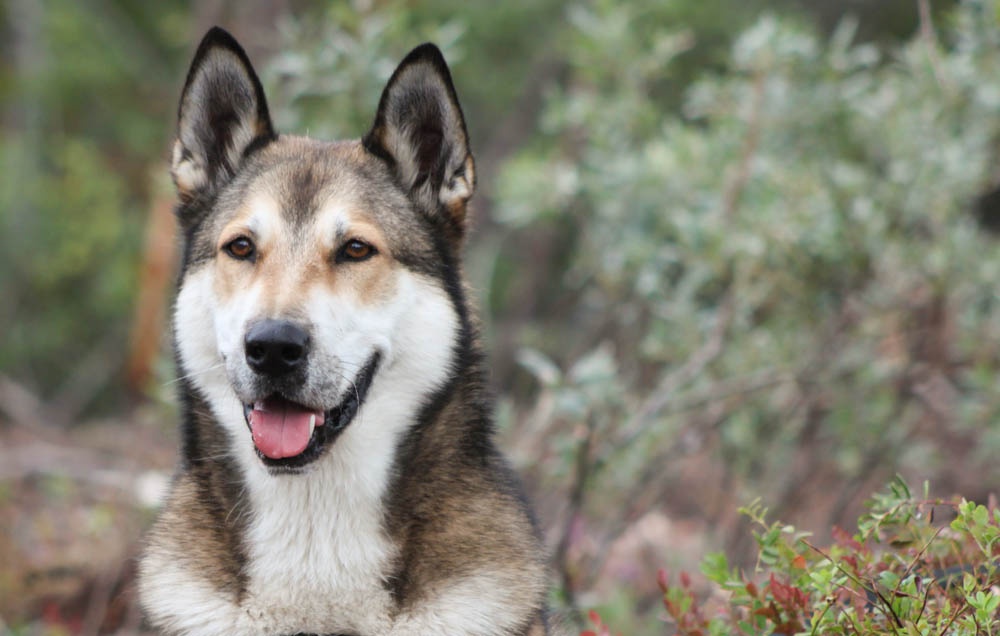
These are active dogs, but “high energy” is not always the full picture. Many Laikas need both physical exercise and mental work, and the second part is often what people underestimate. A long walk on the lead can help, but it may not fully satisfy a dog bred to search, problem-solve, and persist.
In practice, “enough” often includes a mix of:
- daily walking plus time to sniff and explore
- training games that build focus and cooperation
- enrichment at home (food puzzles, scatter feeding, scent games)
- safe off-lead running only where recall and containment are solid
Heat is the other side of the exercise conversation. A thick double coat and a strong work drive can be a risky combination in Australian summers. Animal Welfare Victoria recommends planning exercise in cooler parts of the day, providing shade and water, and avoiding hot cars, especially for dogs with thick coats or those adapted to cooler climates.5, 6
Health considerations, lifespan, and sensible prevention
No breed is “healthproof”, and for rarer breeds, health data can be harder to find in one place. Commonly mentioned concerns include orthopaedic issues such as hip dysplasia and some eye conditions, but the real-world risk depends on lines, screening, lifestyle, and weight management.
The practical approach is boring, and it works: keep your dog lean, build fitness gradually, and do regular veterinary check-ups. If you are buying a puppy, ask what health screening has been done and what health issues have shown up in related dogs.
Body condition matters more than many people realise. Even a small amount of extra weight can add stress to joints over years. Your vet can show you how to assess body condition and adjust food before weight creeps up.
Grooming a double coat without making it a drama
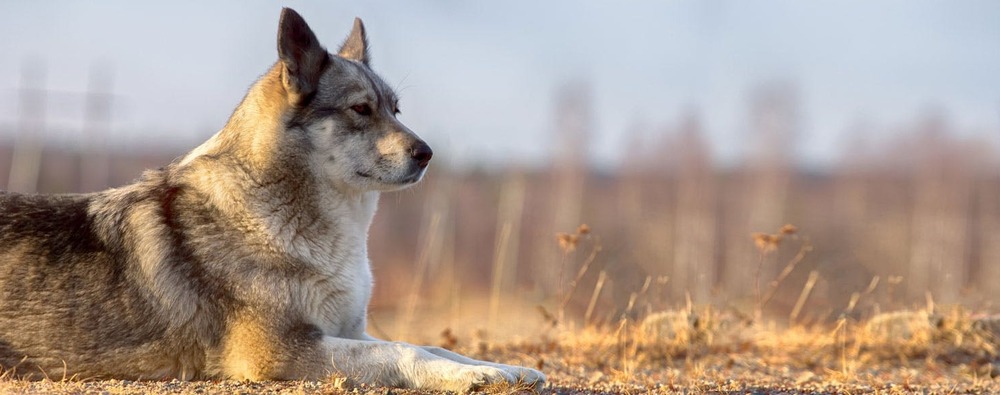
The East Siberian Laika’s coat is designed to insulate. That includes insulation from cold and, to a degree, from heat, as long as the dog can thermoregulate normally and has access to shade and water. It is also a coat that sheds, sometimes heavily, especially seasonally.
A steady routine tends to be easier than occasional “big grooms”. Weekly brushing is a good baseline for many dogs, increasing during coat blow. An undercoat rake can help if used carefully, but you do not want to scrape the skin or damage the guard hairs. Bathing is usually occasional rather than frequent, unless the dog has rolled in something memorable.
Avoid shaving the coat unless a veterinarian recommends it for a medical reason. Double coats can regrow unevenly, and shaving removes natural protection from sun and abrasion. If you are worried about heat, focus instead on shade, airflow, hydration, timing of exercise, and cooling strategies recommended by animal welfare authorities.5, 6
Feeding and nutrition, without getting lost in internet advice
Most people want to “get feeding right”, and then discover how confusing pet food marketing can be. Ingredient lists look reassuring, but they do not tell you whether the diet is complete and balanced, nor whether the manufacturer has strong quality control.
The World Small Animal Veterinary Association (WSAVA) Global Nutrition Guidelines encourage owners to use better signals of diet quality, including whether the company employs qualified nutrition experts, conducts feeding trials, and provides clear nutrient information and support.7
For an active breed, aim for a diet appropriate for the dog’s life stage and activity, monitor body condition, and adjust amounts rather than sticking rigidly to the bag’s guide. If you are considering raw or home-cooked feeding, it is worth speaking with a vet or a veterinary nutritionist to avoid hidden deficiencies.
Is this breed a good fit for your life?
The East Siberian Laika often suits people who enjoy training, being outdoors, and living with a dog that brings its own opinions to the table. They tend to do best with space, routines that include meaningful activity, and owners who are comfortable using management tools like fences, long lines, and structured enrichment.
Apartment living is not impossible, but it is usually harder, especially if you cannot provide consistent exercise, quiet decompression time, and careful noise management. If you are drawn to the breed for its look alone, it is worth meeting a few in person and watching how they move through the world. The right dog can be a wonderful companion, but it helps when the match is realistic rather than romantic.
References
- FCI: East Siberian Laika (No. 305) breed information and standard publication details
- United Kennel Club (UKC): East Siberian Laika breed standard
- Wisdom Panel: East Siberian Laika breed overview (size and lifespan ranges)
- RSPCA Australia: How to choose the right dog trainer
- Agriculture Victoria (Animal Welfare Victoria): Heat and pets
- Agriculture Victoria: Caring for animals during extreme heat (dogs section)
- WSAVA: Global Nutrition Guidelines
- RSPCA Knowledgebase: Signs of heat stroke in dogs
- American Veterinary Medical Association (AVMA): Heatstroke in pets