

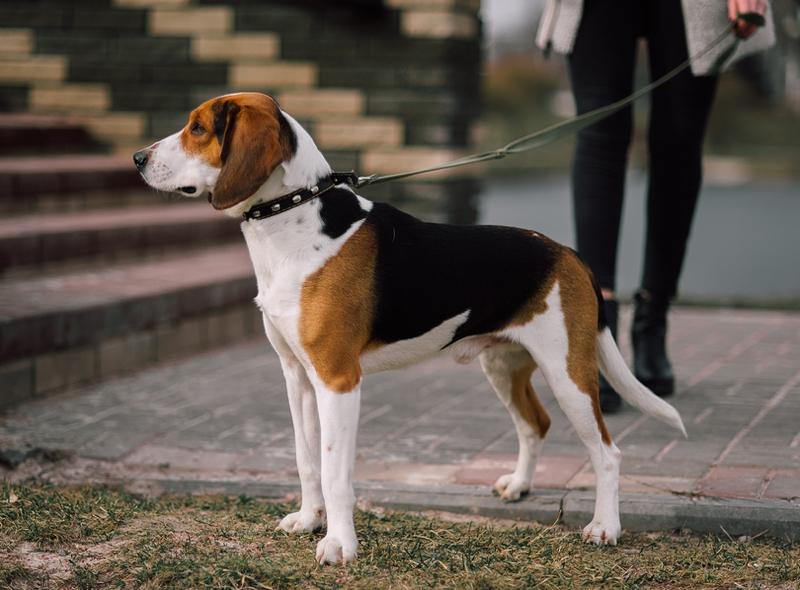
You might come across an Estonian Hound and think, “That looks like a Beagle type”, or you might simply notice a medium-sized hound with an impressive nose and a voice that carries. For a lot of people, the curiosity starts there, with a dog that seems friendly and straightforward, until the practical questions kick in: how much exercise is “a lot”, what does that nose mean for training, and will a hound like this settle at home?
The Estonian Hound was shaped for scent work and long days outdoors, which still shows up in everyday life. They tend to be social and people-oriented, but they are also built to follow interesting smells and keep going. It is a combination that can be wonderful in the right home, and frustrating if you expect them to behave like a low-key companion dog.
Understanding where this breed came from helps you care for them well. Not because history is a novelty, but because it explains the Estonian Hound’s drive, their need for movement and sniffing, and why consistent, thoughtful training matters.
- Breed category: Scent hound
- Country of origin: Estonia
- Typical height: Males 45 to 52 cm, females 42 to 49 cm1
- Typical weight: Often around 15 to 20 kg (varies by sex and condition)2
- Typical lifespan: About 12 to 15 years3
- Coat: Short, even, harsh and glossy with moderate undercoat1
- Common colours: Usually tricolour with black patches, tan markings, and vivid white, with some allowed variations1
- Energy level: High, needs daily exercise and mental work
- Grooming: Low to moderate, brushing helps manage shedding
- Common practical watch-outs: Recall around scents, boredom behaviours, ear care for drop ears
Origins and the job the breed was built to do
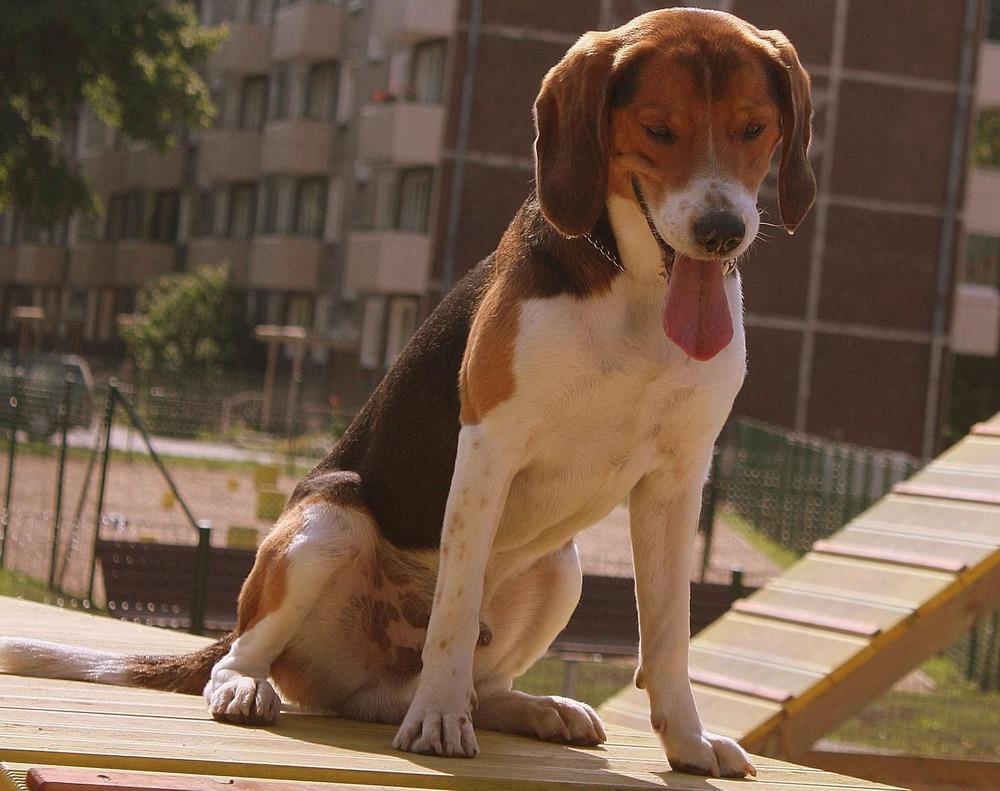
The Estonian Hound is a relatively young breed in formal terms, developed in the mid-20th century, but influenced by long-standing hunting traditions in the region. Sources commonly describe its development being driven by a push to create an Estonia-specific hunting dog in the Soviet era, using local dogs crossed with imported scent hounds such as Beagles and other regional hounds.4, 5
A detail that is often repeated, and is useful as context rather than trivia, is the role of hunting regulations that favoured smaller dogs. The simplified version is that large hounds were seen as too hard on wildlife, and hunting rules encouraged a more compact dog. Whether you focus on the politics, the ecology, or the paperwork, the practical outcome was a dog designed to be agile, persistent, and scent-led.4, 5
Today, those foundations still matter. This is a breed that tends to do best when they have a “job” at home, even if that job is scent games in the backyard, tracking-style walks on a long line, or structured training that gives them something to think about.
Appearance and the traits you notice in daily life
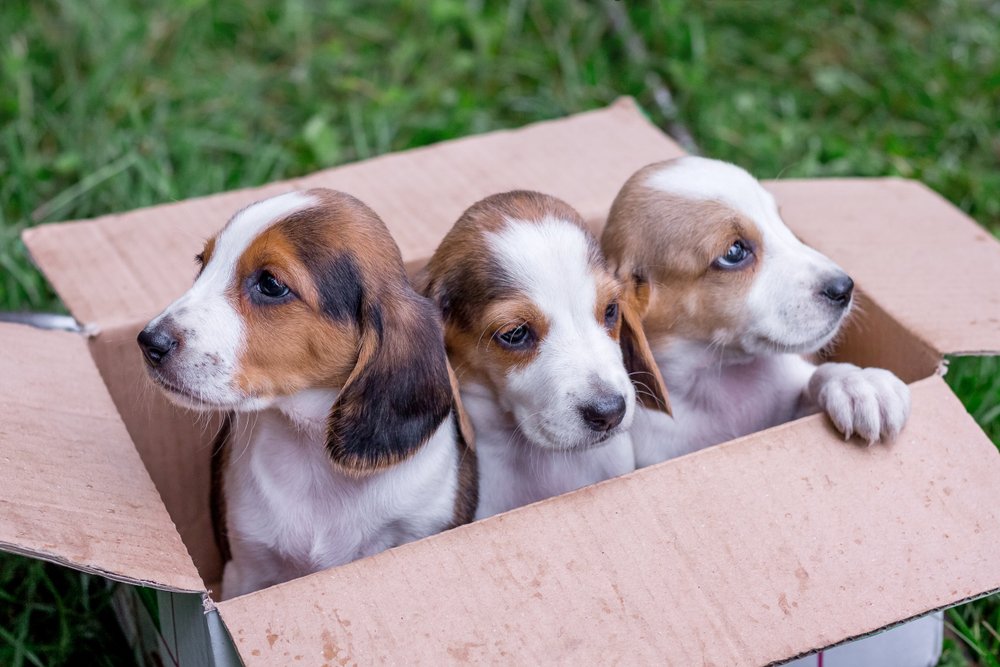
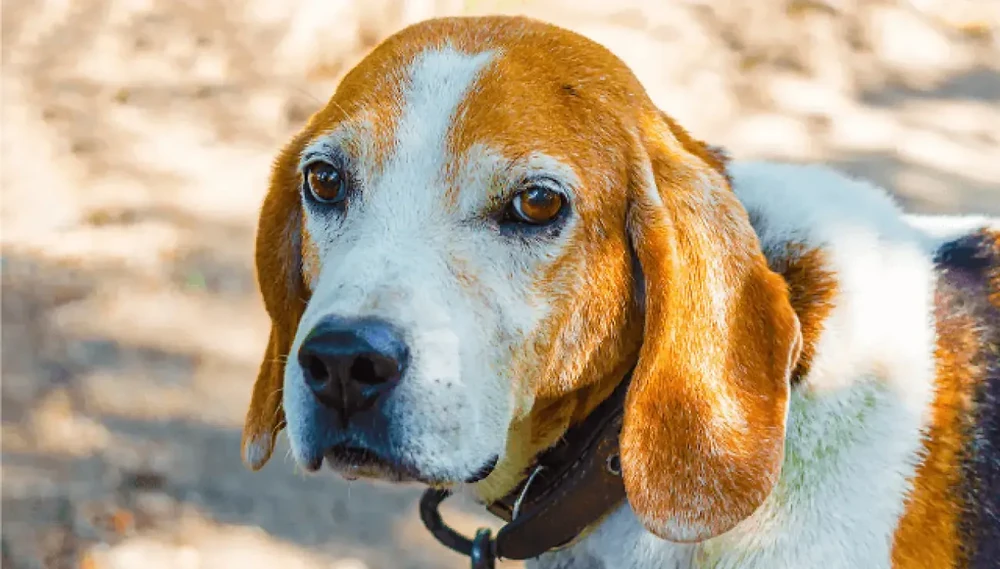
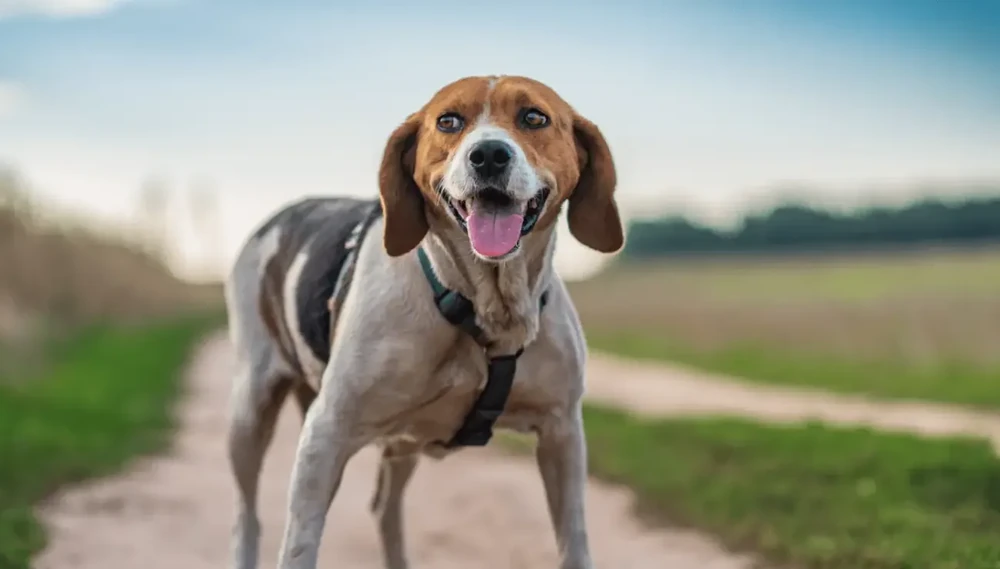
The Estonian Hound is a medium-sized, athletic dog with a short coat and drop ears. Breed descriptions commonly note a strong, muscular build and a coat that is short, harsh, and glossy, designed for moving through brush and changing weather.1, 3
Most people notice the markings first. The typical look is tricolour, with black patches, tan points, and vivid white, although the official standard allows some variation in pattern and colour as well.1
The more meaningful “unique trait”, though, is not cosmetic. It is the nose. A scent hound’s brain is constantly sorting information through smell, which is why walks can feel slow, and why “just call them back” is often harder than it sounds. If you treat that as stubbornness, training can become a tug-of-war. If you treat it as a normal, expected part of the breed, you can plan around it with better management and more realistic goals.
Personality and suitability for Australian homes
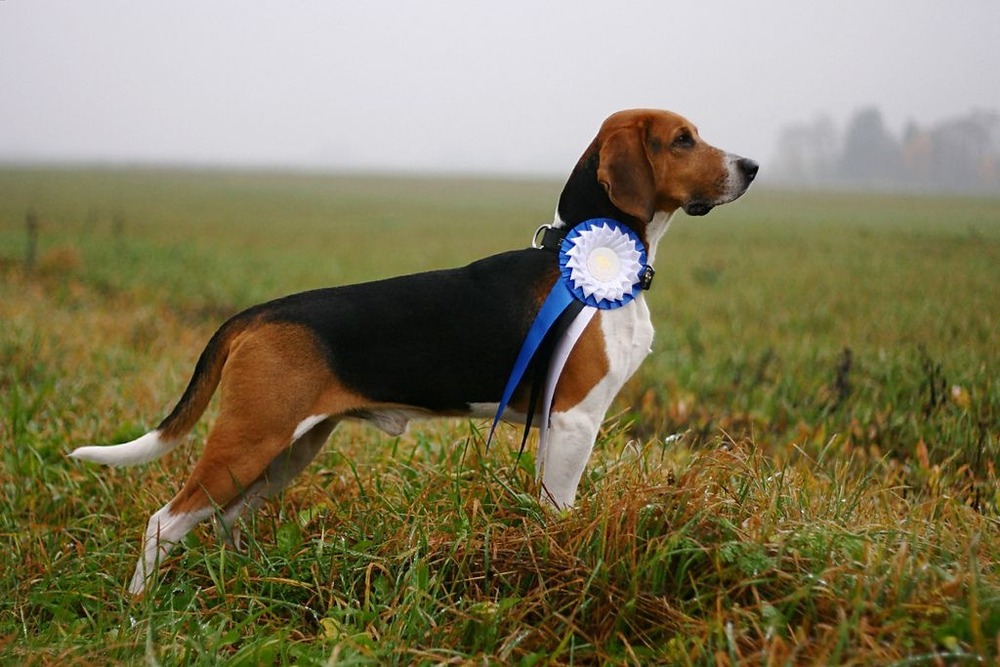
Well-bred Estonian Hounds are commonly described as friendly, people-focused dogs with plenty of energy. Many do well with families who enjoy being outdoors, because the breed tends to cope best when they can move, sniff, and stay engaged with their people.3
Where some households get caught out is the gap between “friendly” and “easy”. A dog can be affectionate and social, and still be highly motivated by scent. That can show up as pulling on lead, wandering off if given the chance, or vocalising when they are under-exercised. None of that makes them a “bad dog”. It just means they are a hound, and hounds are honest about what interests them.
In practical terms, this breed is often better suited to homes that can offer:
- Daily exercise plus sniff time, not just a quick lap of the block.
- Secure fencing and a plan for off-lead freedom (often a long line is the safest compromise).
- Training that is consistent and reward-based, with patience for adolescent distractibility.
Apartment living is possible for some individuals, but it is rarely “effortless”. If the dog’s needs are met, they may settle well indoors. If they are underdone, the whole household usually knows about it.
Training and exercise, working with the nose instead of against it
Early socialisation helps any dog, but it is particularly useful for a scent hound that will encounter endless stimulation outdoors. The goal is not to create a bombproof dog who ignores the world. The goal is a dog who can recover, refocus, and respond to you even when something smells fascinating.
For training, it helps to lean into what the dog finds rewarding. Food often works well, but so can access to sniffing as a real-life reward. For example, you might ask for a brief check-in, then release them with a cue to go and sniff. Over time, the dog learns that paying attention to you does not end the fun, it enables it.
Exercise needs are best thought of in two parts:
- Physical movement, such as brisk walks, hikes, jogging (once mature), and play.
- Mental enrichment, such as scent games, scatter feeding, simple tracking lanes, or structured training sessions.
A common mistake is to only add distance. With many hounds, adding more sniffing and problem-solving can make a bigger difference than simply doing longer and longer walks.
Health considerations and preventative care
No breed comes with guarantees, and individual health depends on genetics, body condition, lifestyle, and veterinary care. Broadly, Estonian Hounds are often described as having a typical lifespan in the 12 to 15 year range.3
Two everyday areas worth taking seriously are joints and ears. Hip dysplasia is discussed across many medium to large active breeds, and it is one reason to prioritise maintaining a lean body condition and choosing reputable breeders who health test where possible. Drop ears also change airflow and moisture in the ear area, which can contribute to ear problems in some dogs, especially when combined with allergies, wax build-up, or repeated wetting from swimming.6
If you notice head-shaking, redness, odour, discharge, or tenderness, treat it as a vet visit rather than a home project. Ear issues can worsen quickly if the underlying cause is not identified and treated appropriately.6
Grooming and coat care, keeping it simple and consistent
The Estonian Hound’s coat is short and generally straightforward. A regular brush helps lift dead hair and dirt, supports skin health, and reduces the amount of coat that ends up on the couch. It is also a good time to quietly check paws, nails, and skin.
Bathing is usually occasional rather than frequent. Over-washing can dry the skin, and many hounds do not need much more than a rinse after a muddy outing, followed by a good towel dry.
Because the ears hang down, it is sensible to build a calm routine of ear checks. The aim is not aggressive cleaning, but noticing early changes. Veterinary sources commonly advise careful, gentle cleaning when needed and avoiding pushing tools into the ear canal.7
Nutrition and weight management for an active hound
Estonian Hounds tend to be active dogs, but activity alone does not protect them from weight gain. Many hounds are enthusiastic eaters, and extra kilos can quietly reduce stamina and increase strain on joints over time. The most useful feeding plan is one you can adjust based on the dog in front of you, their age, workload, and body condition.
If you are unsure where to start, a practical approach is to ask your vet team for a body condition score check and a calorie guide, then monitor and adjust. The World Small Animal Veterinary Association (WSAVA) emphasises the value of an individual nutritional assessment and choosing diets based on sound information, not marketing cues.8
In day-to-day life, small habits matter:
- Measure meals for a few weeks rather than free-pouring.
- Account for training treats, especially during adolescence.
- Use some of the daily ration as enrichment (scatter feeds, food puzzles), if it suits your dog.
Final thoughts
The Estonian Hound is often at their best with people who like being outside and do not mind a dog that experiences the world nose-first. They can be warm, companionable dogs, and their steadiness at home tends to improve when their days include real outlets for movement and sniffing.
If you are drawn to the breed, the most helpful mindset is to assume they will be friendly and keen, and to plan for the parts that come with hound genetics: follow-the-scent moments, a need for daily engagement, and training that rewards cooperation rather than demanding perfection. With that in place, they are often an easy dog to like, and a satisfying dog to live with.
References
- FCI: EESTI HAGIJAS (Estonian Hound) breed listing and standard details
- Europetnet: Estonian Hound overview (history, height and weight)
- Wisdom Panel: Estonian Hound breed profile (size, lifespan, traits)
- Wikipedia: Estonian Hound (history and development summary)
- Dogster: Estonian Hound breed information (origin and general traits)
- American Kennel Club: Keeping your dog’s ears healthy (risk factors and vet guidance)
- American Kennel Club: Tips to help prevent dog ear infections (cleaning cautions)
- WSAVA: Global Nutrition Guidelines (principles for feeding and assessment)