

You might come across the Finnish Hound because you have met one on a walk, heard a distinctive, musical baying in the distance, or noticed a dog that seems friendly enough in town but switches into a very different mode the moment a scent appears. It can be puzzling if you are used to breeds that keep a closer eye on their person.
The Finnish Hound is often described as “friendly” and “energetic”, which is true as far as it goes. What gets missed is how strongly the breed is shaped by its original job: working independently on hare and fox for long stretches, in cold conditions, guided more by nose than by human direction. That working pattern can fit beautifully into the right home, but it asks for a particular kind of daily life.
If you are considering the breed, or already sharing your home with one, it helps to understand what is instinct, what is trainable habit, and where management makes life calmer for everyone.
Breed overview, in plain terms
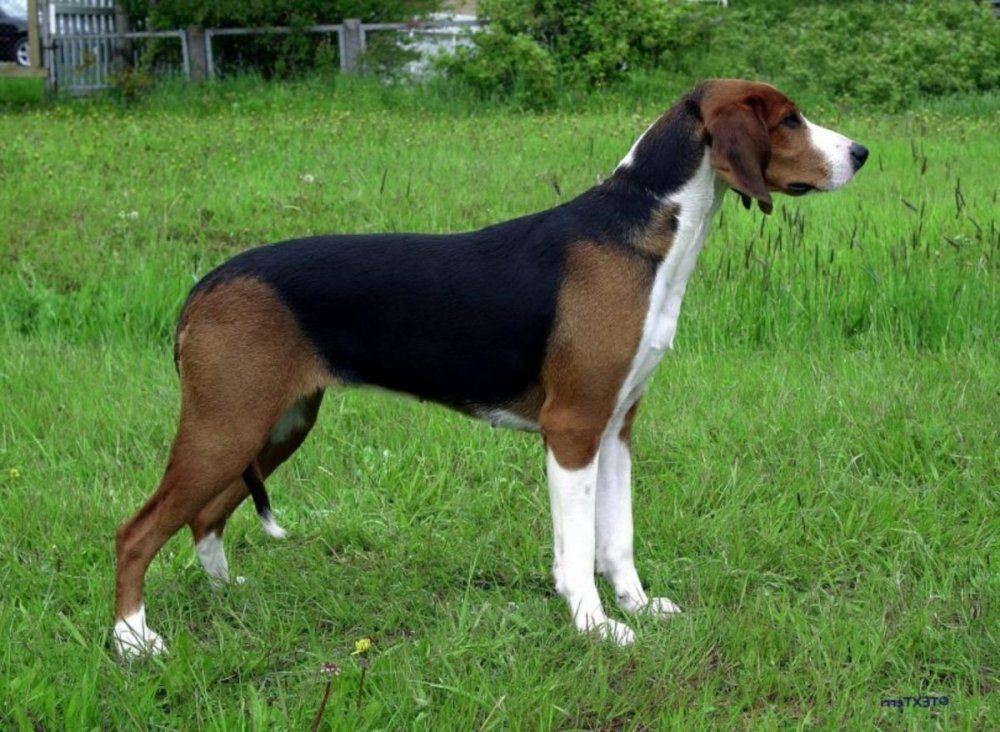
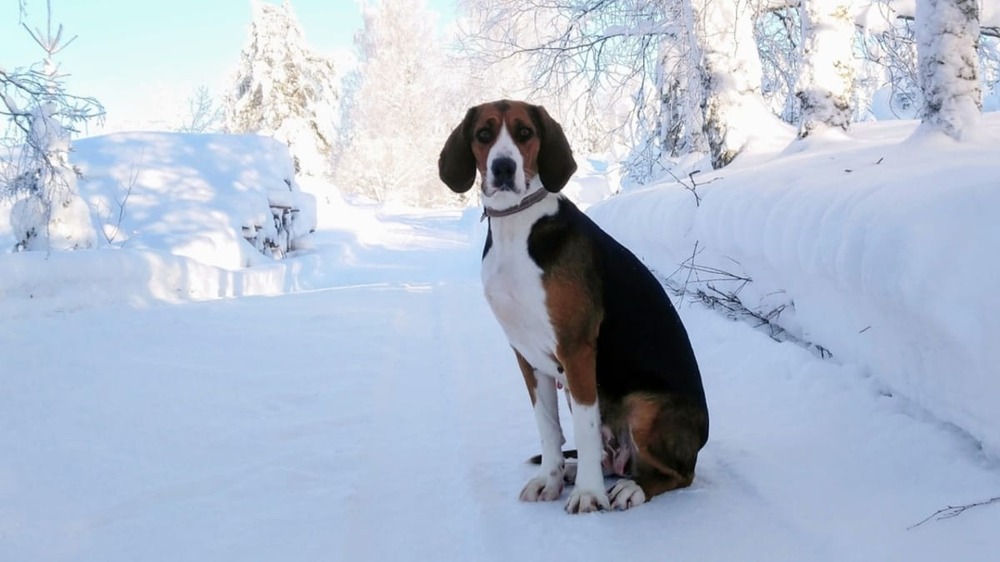
The Finnish Hound (Suomenajokoira) is a medium-sized scenthound from Finland, developed for hunting hare and fox. In Finland it remains widely used as a hunting dog, and is especially valued for its stamina and ability to work a trail with focus and persistence.1
- Size: males about 55 to 61 cm, females about 52 to 58 cm at the withers2
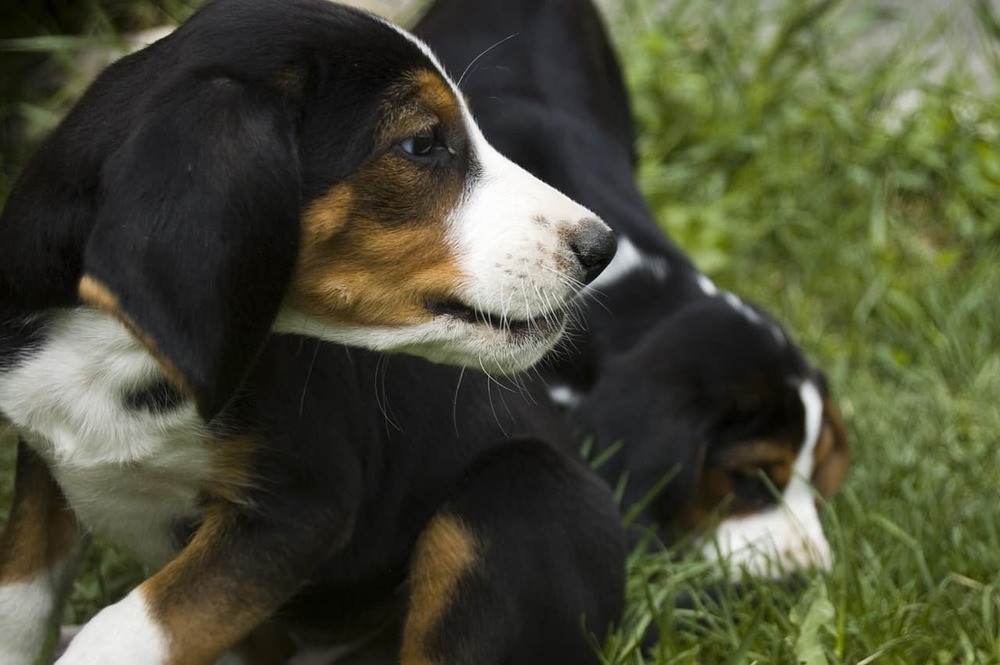
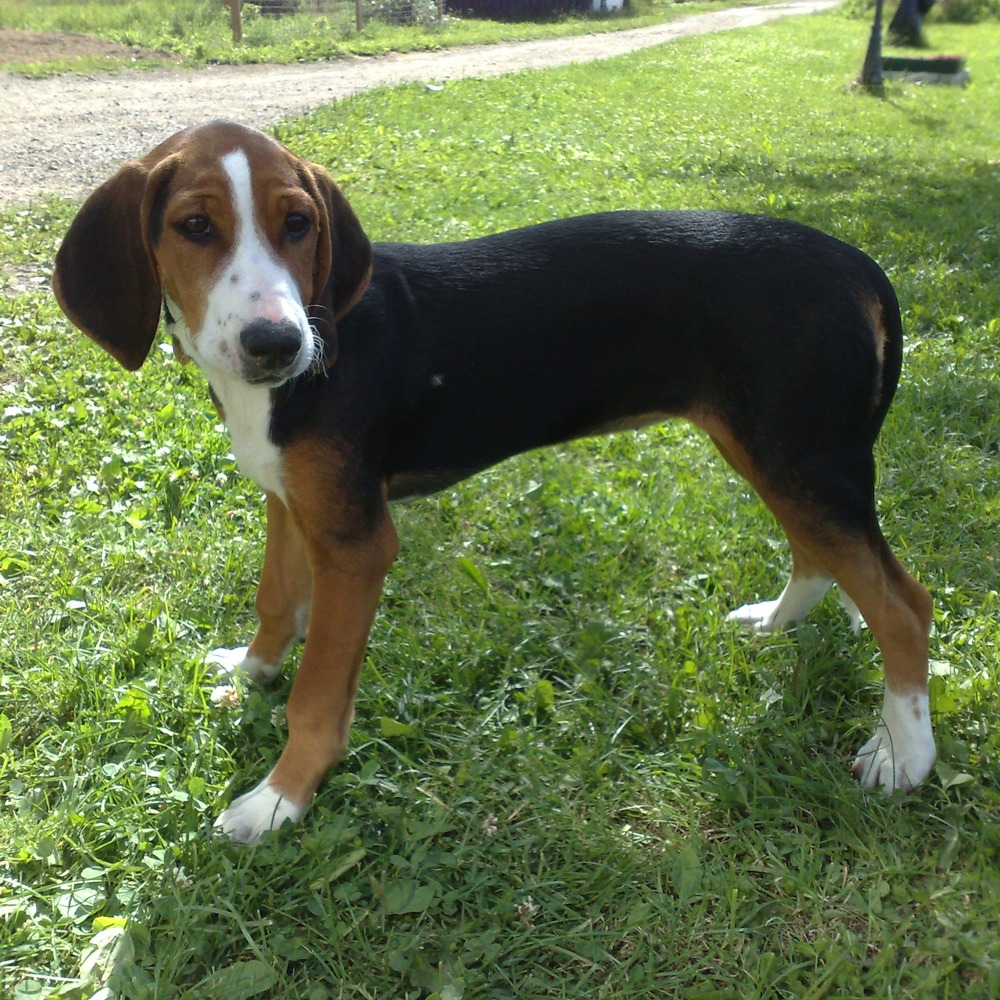
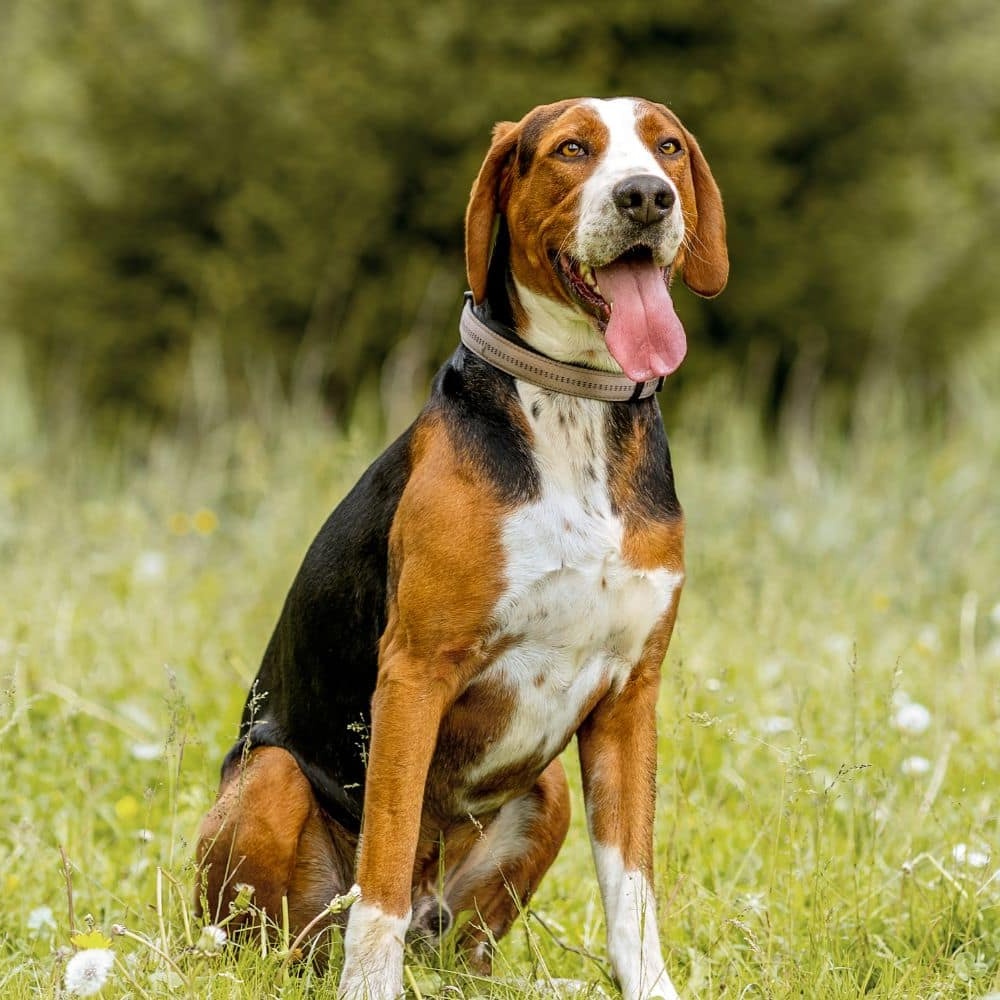
- Coat: short, close coat with typical tricolour markings2
- Original purpose: hare and fox hunting, working independently on scent1, 2
- Typical life expectancy: around 12 years, with variation like any breed1, 3
One small but practical point: this is not a breed that reliably “grows out of” needing exercise and stimulation. Many Finnish Hounds stay lively well into adulthood, especially if you keep their body fit and their brain engaged.
Where the breed comes from, and why it still matters
The Finnish Hound’s development was tied closely to Finland’s hunting culture and conditions. The Finnish Kennel Club describes a long history of systematic development, with breed characteristics being set in the late 1800s and a standard that largely traces back to 1932.2
The international breed body (FCI) lists the Finnish Hound as definitively recognised, in Group 6 (Scent hounds and related breeds). That classification is not just paperwork, it reflects the way these dogs tend to experience the world: nose first, with a steady drive to follow scent once they are on it.1
In day-to-day life, this background shows up in small moments. A Finnish Hound might appear calm at home, then become intensely absorbed outdoors. That shift can surprise people who assume “friendly family dog” means the dog will naturally check in and stay close without much training.
Temperament, independence, and the famous hound voice
Well-bred Finnish Hounds are typically described as calm and friendly, and not aggressive. In the field they are energetic and persistent, and they tend to work with a strong sense of independence.1, 2
That independence is not “stubbornness” in the way people often mean it. It is closer to a dog making a practical decision: the scent trail is more compelling than whatever else is happening. In training, the goal is not to remove that trait, but to build reliable habits around it, like recall foundations, lead manners, and structured outlets for scenting.
And then there is the voice. Finnish Hounds are known for vocalising when they are working. If you live close to neighbours, it is worth being realistic about this: you can teach quieter behaviours, but you cannot train a true scenthound into being a naturally silent dog.2
Training and socialisation that suits a scenthound
With Finnish Hounds, training works best when it is consistent, reward-based, and built around what the dog finds motivating. Many will work enthusiastically for food, play, and access to sniffing, but they can switch off quickly if sessions feel repetitive or overly controlled.
Instead of focusing only on obedience “positions”, it helps to include skills that matter in real life:
- Recall as a long-term project, starting on a long line and building value for returning
- Loose lead walking with planned sniff breaks, so the dog learns that checking in leads to good things
- Calm greetings and gentle handling, particularly around ears, paws, and mouth
- Confidence-building exposure to surfaces, sounds, and different people, without flooding
Scent work can be a particularly good match because it meets the dog where they already excel. Even simple at-home “find it” games can reduce restlessness and help some dogs settle more easily after exercise.4
Exercise and enrichment, what “enough” often looks like
Finnish Hounds were developed for endurance. Many need more than a casual stroll if you want them relaxed at home. A useful way to think about exercise is to combine steady physical work with sniffing, searching, and problem-solving.
Examples that often suit the breed include:
- Long, varied walks where sniffing is allowed and managed
- Jogging with an adult dog that is conditioned appropriately
- Hills, bush tracks (where permitted), and controlled off-lead time in secure areas
- Scent games, scatter feeding, and short training sessions that stay enjoyable
If you are seeing signs like constant pacing, scavenging, or “selective hearing” that is getting worse, it can be worth asking whether the dog is under-stimulated, over-aroused, or simply lacking clear routines. The fix is often a mix of better outlets and clearer management, not more intensity for its own sake.
Health considerations to be aware of
No breed is free of health concerns, and it is wise to talk with a vet about what is most relevant in your area and your dog’s lifestyle. Like many medium to large breeds, hip health is a common point of attention across scenthounds, and routine checks can help you catch mobility issues early.
One condition specifically reported in Finnish Hounds is an inherited, early-onset cerebellar ataxia linked to a mutation in the SEL1L gene. In affected puppies it can begin very young and progress quickly, which is why responsible breeding practices and genetic screening matter.5
If you are buying a puppy, ask what health testing is done in the breeder’s lines and what support they offer if a problem emerges. If you have an adult dog of unknown background, focus on what you can control: keeping them lean, building fitness gradually, and getting vet advice early if movement or coordination looks off.
Grooming, ears, and everyday maintenance
The Finnish Hound’s coat is generally straightforward: regular brushing helps manage shedding and keeps the skin in good condition. The bigger day-to-day maintenance issue for many hounds is ears. Drop ears can trap moisture and debris, particularly in active dogs that spend time in long grass or wet environments.
A sensible routine is simple and steady:
- Brush weekly, more often during heavier shedding periods
- Check ears after muddy or wet outings, and clean only as advised by your vet
- Keep nails at a functional length, especially for dogs doing lots of road walking
- Support dental health with home care and vet checks, as dental disease is common in dogs generally and prevention is easier than treatment6, 7
If you are unsure about ear cleaning or dental products, your vet can guide you to options that suit your dog’s mouth and temperament, and to evidence-based product lists for dental chews and rinses.7
Is the Finnish Hound a good fit for your home?
The Finnish Hound can be a lovely companion in the right setting, but it helps to choose with honesty rather than hope. The Finnish Kennel Club notes the breed is more suited to serving as a hunting dog than a companion because of its powerful hunting instinct, and that is worth taking seriously when you are thinking about suburban life, wildlife, and off-lead expectations.2
This breed often suits people who can offer:
- Space and routine, or at least reliable daily access to long walks and sniff-heavy outings
- Patience for training that develops over months, not days
- Comfort with some vocal behaviour, especially if the dog is excited or on scent
- Secure fencing and thoughtful lead management around wildlife
If you love the idea of a dog who stays naturally close, rarely vocalises, and is content with minimal exercise, another breed type may fit more comfortably. If you enjoy the rhythm of an active dog and you can make room for scent work and structure, the Finnish Hound can be deeply satisfying to live with.
References
- United Kennel Club (UKC): Breed Standards, Finnish Hound
- The Finnish Kennel Club: Finnish Hound
- Royal Canin Breed Library: Finnish Hound
- American Kennel Club (AKC): How to Teach Your Dog Scent Work at Home
- PLOS Genetics (2012): A SEL1L Mutation Links a Canine Progressive Early-Onset Cerebellar Ataxia
- American Veterinary Medical Association (AVMA): Pet Dental Care
- Veterinary Oral Health Council (VOHC): Accepted Products for Dogs
- Fédération Cynologique Internationale (FCI): Finnish Hound (Suomenajokoira) breed listing