

Sometimes you see a lean, long-legged dog at the park and assume it is a Greyhound, until you notice the slightly different outline, the more rugged look, or the way the dog seems both watchful outside and quietly content once it settles. That quiet contrast is often what draws people to the Galgo Español.
The Galgo is a sighthound from Spain, shaped by open landscapes and a long history of coursing. In day-to-day life, though, many Galgos are better described as calm housemates who enjoy a proper run, then happily switch off. Understanding that balance, and the breed’s particular sensitivities, makes ownership feel far less mysterious.
It also helps to set aside a couple of common assumptions: that sighthounds are always “high energy”, or that a short coat means low maintenance in every way. With Galgos, the details matter, especially around safe exercise, cold weather comfort, and a few health risks worth taking seriously.
At a glance: Galgo Español basics
Breed group: Sighthound (FCI Group 10)1
- Origin: Spain1
- Height: Males 62 to 70 cm, females 60 to 68 cm (at the withers)1
- Coat: Smooth or rough, colours vary widely1
- Typical lifespan: Commonly around 10 to 14 years (individual variation is normal)7
- Exercise style: Regular daily movement plus chances to sprint safely, not endless jogging
- Home style: Often quiet indoors once needs are met, can suit apartment living if exercise is consistent
A breed shaped by Spanish coursing
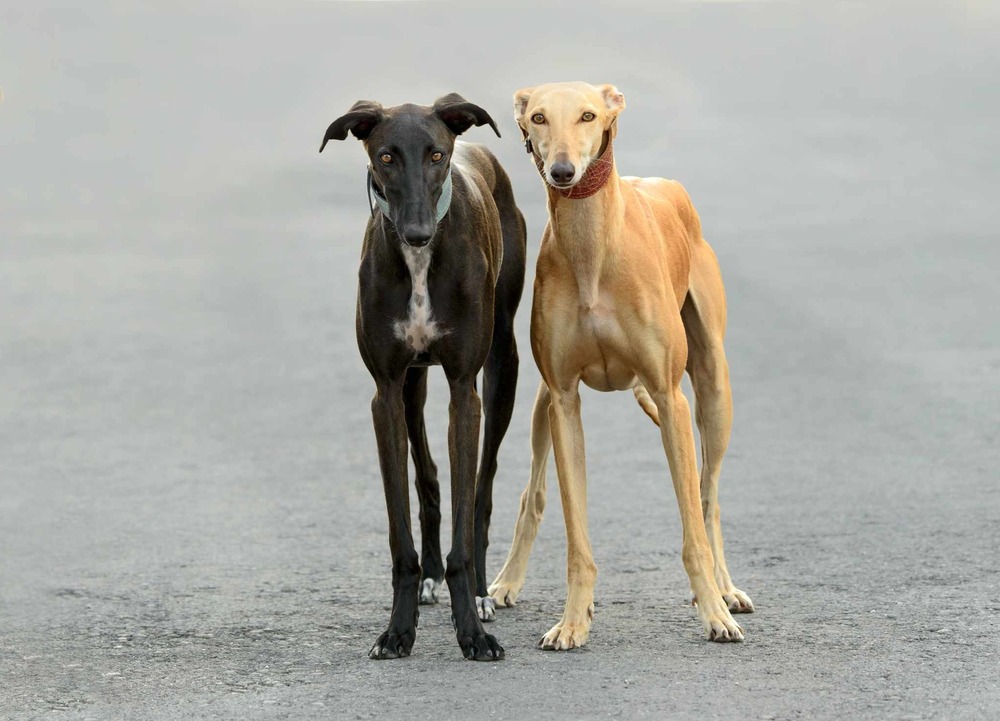
The Galgo Español has been bred for generations to hunt by sight, traditionally coursing hare across open country. That heritage is still visible in the body: a deep chest for efficient breathing, long legs, and a flexible spine built for speed and stamina rather than power alone.1
It is sometimes said that Galgos are simply “Spanish Greyhounds”. The comparison is understandable, but it can blur the reality that these are distinct breeds with different standards and histories. Crossbreeding with Greyhounds has occurred at times, particularly for performance goals, yet the Galgo remains its own recognised breed internationally.1, 2
If you are meeting Galgos through adoption channels, you may also encounter the breed in the context of welfare and rehoming. In practical terms, this is less about making assumptions about a dog’s past, and more about being ready for a dog who might be unfamiliar with household life, stairs, glass doors, or everyday noises, at least at first.
Temperament: gentle, observant, often understated
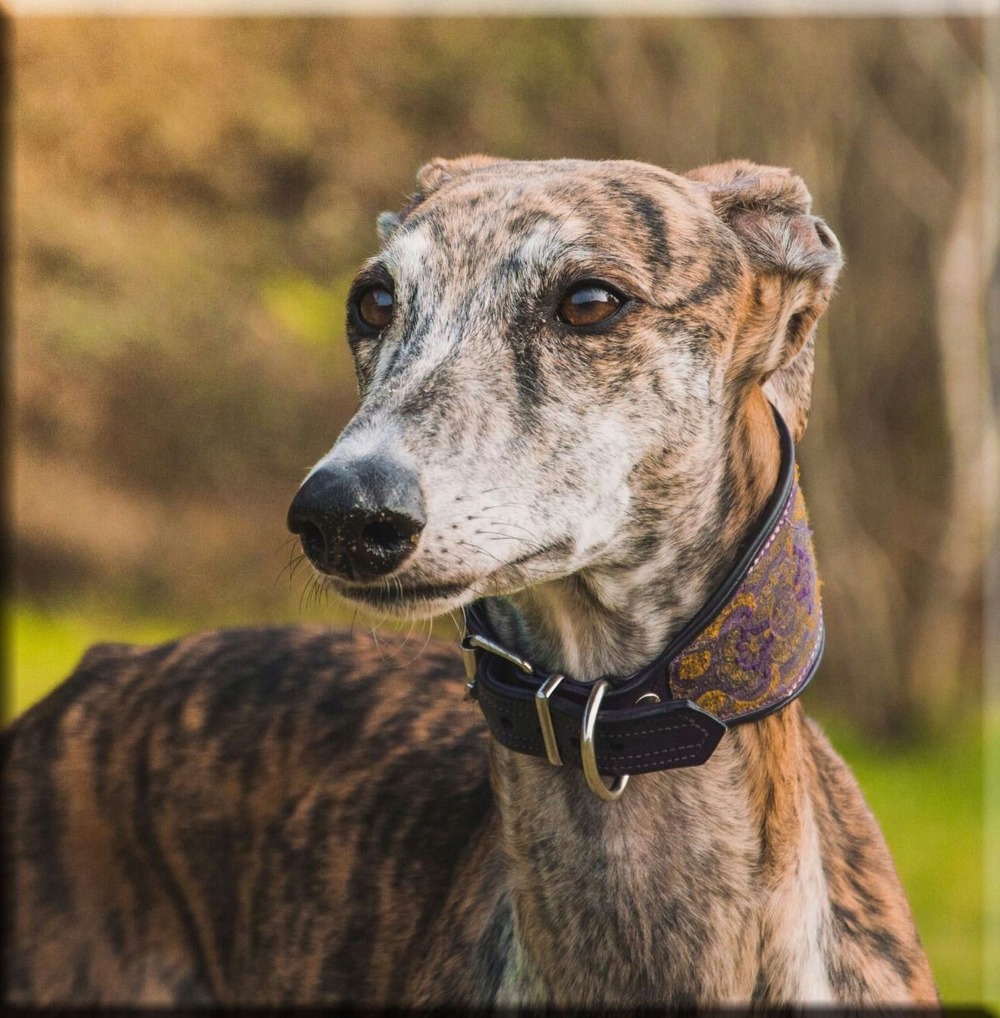
Many Galgos come across as quiet and soft-mannered. They can be affectionate with their people, and reserved with strangers without being unfriendly. Indoors, it is common to see them choosing the nearest soft surface and conserving energy like it is a skill.
Outside, that calmness can change quickly if something triggers their chase instinct. This is not “naughtiness”, it is a normal sighthound response to fast movement. The day you realise your Galgo can spot and react to a running animal before you have even registered it is the day you stop relying on wishful thinking and start relying on management.
They often do well with other dogs, particularly if introduced thoughtfully. With smaller pets, it depends on the individual dog, the household set-up, and how carefully you manage early interactions. A Galgo can learn routines and boundaries, but you cannot train away instinct in the way people sometimes hope.
Living with a Galgo: what makes life easier
The best homes for Galgos tend to be the ones that treat the breed as a specialist athlete with a sensitive side, not as a decorative lounge dog and not as a dog that needs hours of hard exercise every day.
Safe exercise, not just more exercise
A Galgo usually benefits from daily walks and regular opportunities to sprint, but only in secure, fully fenced areas. Off-lead time in unfenced spaces is risky because the chase response can override recall, even with training.7
- Good options: leash walks, long-line decompression walks, enclosed ovals, private fenced yards, lure-coursing style games where available
- Be cautious with: dog parks with unreliable fencing, busy shared paths with lots of fast-moving triggers
Cold weather comfort
Galgos tend to have little body fat and a short, light coat (even rough-coated dogs are not heavily insulated). Many need a coat in cold or wet weather, and some will be noticeably reluctant to linger outdoors when temperatures drop. This is practical, not preciousness: they lose heat quickly compared with many breeds.7
Soft handling and steady routines
They often respond best to training that is quiet, consistent, and reward-based. Harsh corrections can shut a sensitive dog down, and rushing social exposure can backfire. Aim for calm repetition, clear cues, and a pace that keeps the dog under threshold.
Training and socialisation that suits a sighthound
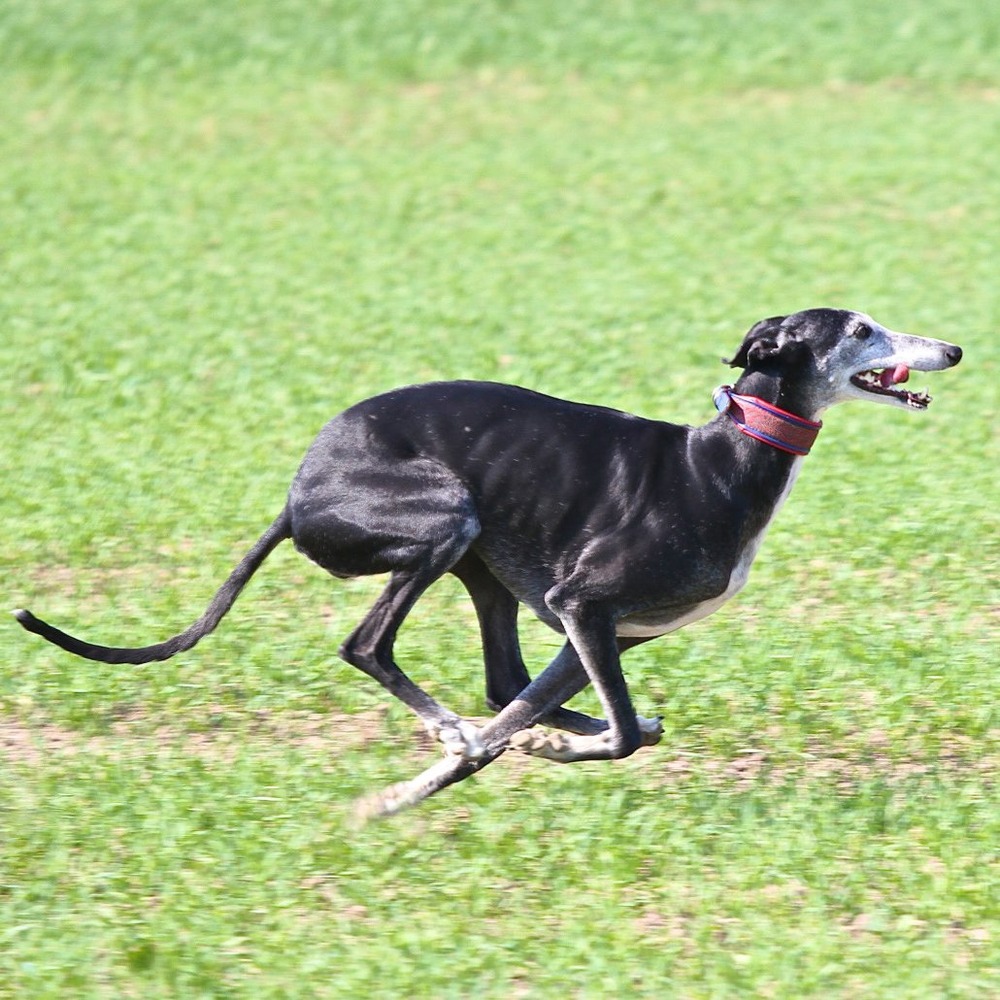
Training a Galgo is often less about “dominance” or drilling commands, and more about building habits that keep them safe and settled. They can learn quickly, but they are also excellent at deciding what feels worth doing in the moment.
Recall needs realism. Even with good training, many experienced sighthound people still use leads or long lines in open areas. It is not a failure, it is an honest response to a dog bred to pursue moving targets at speed.
Socialisation matters, but it should look like thoughtfully planned exposure rather than forced interactions. For many Galgos, confidence grows when they can watch first, approach second, and retreat if needed, without being cornered by well-meaning strangers.
Health: what to watch, and what to prevent
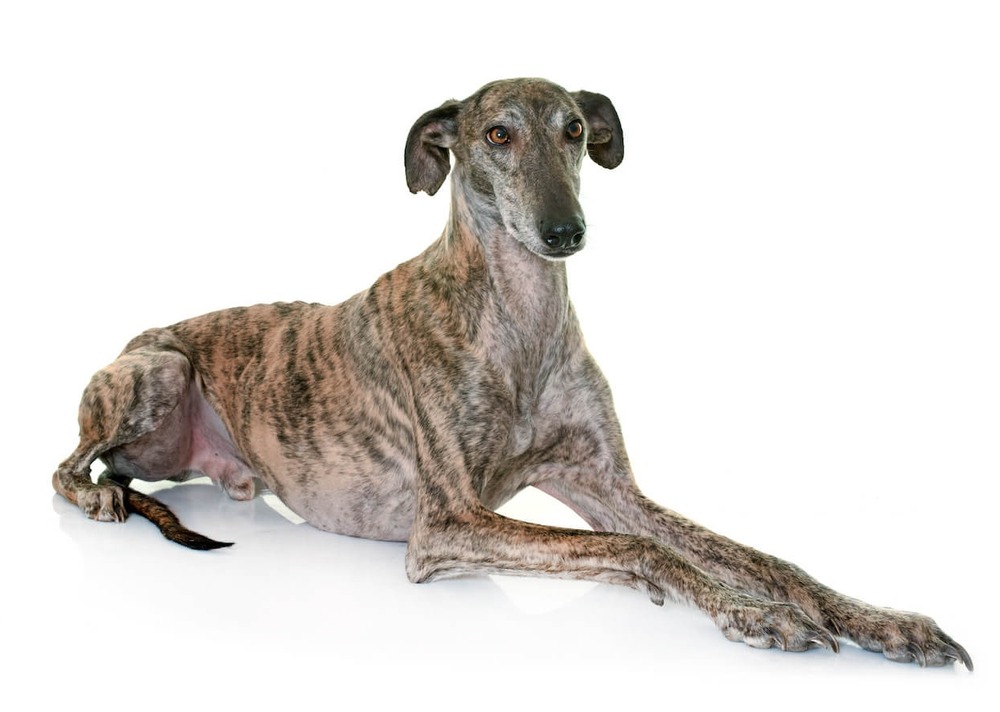
The Galgo is often described as generally healthy, but like many deep-chested, athletic breeds, there are a few issues worth understanding early so you can act quickly if needed.
GDV (bloat): know the signs and treat it as urgent
Deep-chested dogs have an increased risk of gastric dilatation-volvulus (GDV), commonly called bloat. This is a life-threatening emergency that can progress rapidly, and it is one of the clearest cases where “wait and see” is not a sensible plan.4, 5
Seek emergency veterinary care if you notice signs such as a suddenly distended abdomen, repeated unproductive retching, restlessness, drooling, weakness, or collapse.6, 5
Risk reduction is not perfect prevention, but sensible habits can help, such as feeding multiple smaller meals, slowing down fast eaters, and avoiding vigorous exercise immediately before and after meals.4, 5
Hip dysplasia and orthopaedic soundness
Hip dysplasia is influenced by genetics and environment. You cannot “train it out”, but keeping a dog lean, fit, and appropriately muscled can affect comfort and function over time. Diagnosis relies on veterinary assessment and imaging, and responsible breeders may use established screening schemes.8
If you are adopting, you may not have full family history. In that case, focus on what you can control: healthy body condition, gradual conditioning, and early veterinary attention if you notice stiffness, bunny-hopping, reluctance to jump, or changes in gait.
Grooming and everyday care
Grooming is usually refreshingly simple. Smooth-coated Galgos often do well with an occasional brush to remove loose hair and check the skin. Rough-coated dogs may need a bit more coat management, but they are still not typically high maintenance.
What matters more than “beauty grooming” is routine care: nails kept short enough for good foot posture, ears checked regularly, and teeth looked after before dental disease sneaks up. For many Galgos, a comfortable bed and warm layers in winter are just as important as a brush.
Feeding: supporting a lean athlete without overdoing it
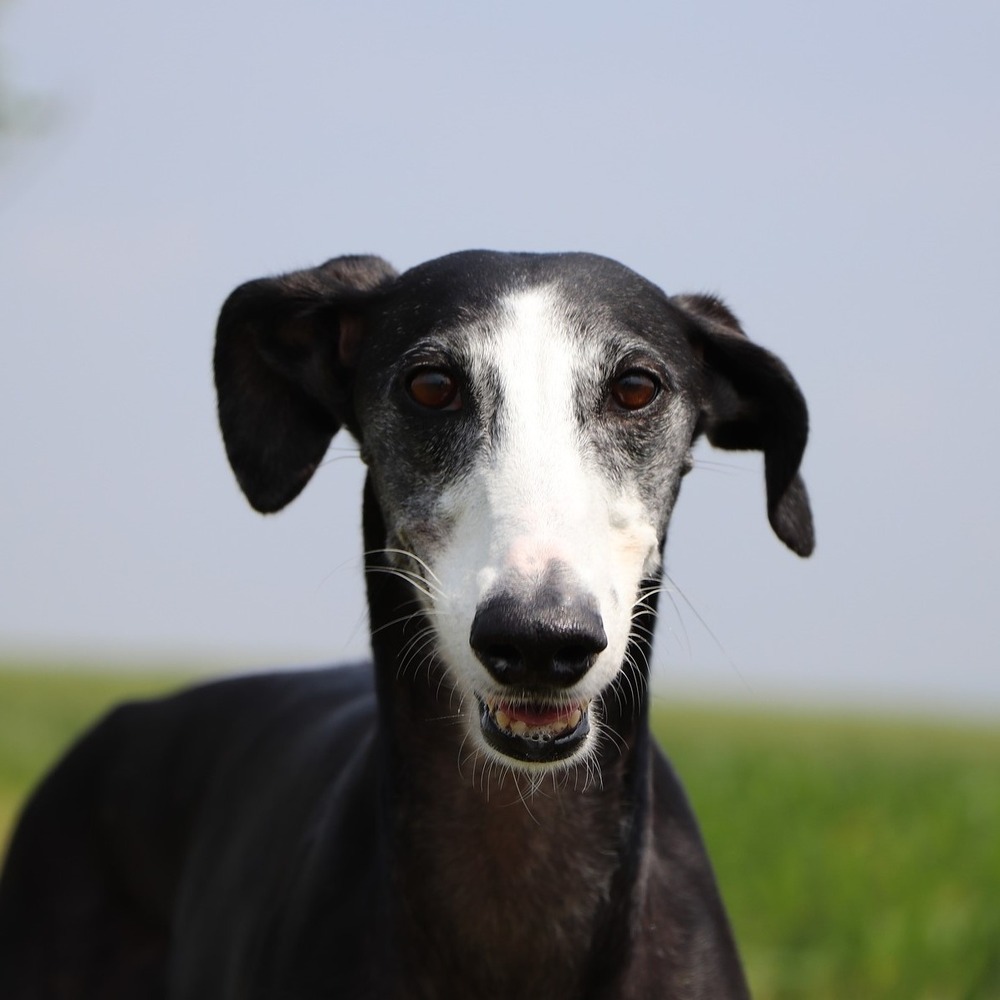
Galgos are naturally lean, and that can be confronting if you are used to rounder dogs. A visible tuck-up and an athletic outline can be normal for the breed. The goal is not thinness for its own sake, but steady condition and muscle, guided by your vet.
Choose a complete and balanced diet appropriate for your dog’s life stage, and expect to adjust portions based on activity level, season, and desexing status. Nutrition guidelines from veterinary bodies emphasise regular nutritional assessment, rather than setting-and-forgetting a single feeding plan.9, 10
If your Galgo bolts food, consider puzzle feeders or slow-feeding bowls. This is useful for manners and may also help reduce risk factors associated with GDV in susceptible dogs, although no method eliminates risk entirely.4, 5
Final thoughts
The Galgo Español tends to win people over in a quiet way. It is a breed with real athletic ability, but also a strong talent for stillness. When their daily movement needs are met, many are content to live gently alongside you, asking for warmth, softness, and a bit of predictability.
If you are drawn to a Galgo because you want a calm companion who also loves a proper run, you are probably seeing the breed clearly. The best experience usually comes from respecting what the Galgo was built to do, planning for safety around chase behaviour, and treating health risks like GDV with the seriousness they deserve.
References
- Federation Cynologique Internationale (FCI): Galgo Español (Standard No. 285)
- Wikipedia: Galgo Español (overview and history)
- Real Sociedad Canina de España (RSCE): Galgo Español standard (English PDF)
- Merck Veterinary Manual: Gastric dilation and volvulus (GDV) in small animals
- Cornell University College of Veterinary Medicine: Gastric dilatation-volvulus (GDV) or bloat
- American Animal Hospital Association (AAHA): Understanding canine bloat (GDV)
- The Spruce Pets: Spanish Galgo breed characteristics and care
- UC Davis School of Veterinary Medicine: Canine hip dysplasia
- AAHA: 2021 Nutrition and Weight Management Guidelines for Dogs and Cats
- WSAVA: Global Nutrition Toolkit update and resources