

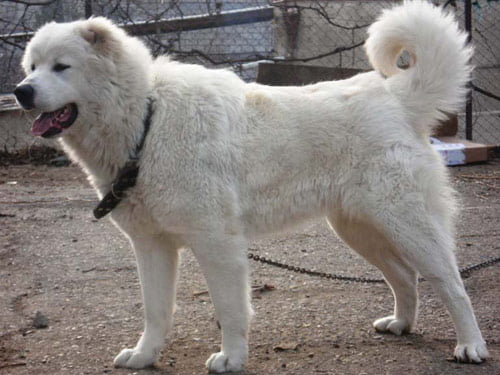
You might first notice a Georgian Shepherd Dog (often called the Georgian Mountain Dog, or Nagazi) in a photo or video and assume it is “just another big shepherd type”. Then you see the build, the coat, the steady way the dog watches the world, and you start to wonder what living with a dog like that is actually like.
These dogs did not evolve around dog parks and café footpaths. They come from a working tradition where a dog was expected to make decisions at a distance, hold ground, and cope with rough weather. That history shows up in everyday life, in the way they move through a home, in how they respond to visitors, and in how much space they seem to carry around them.
It matters because misunderstanding a livestock guardian type tends to go badly for everyone involved. When you plan for their nature, their size, their independence, and their need for careful social learning, they can be calm, capable companions. When you treat them like an easygoing “family shepherd”, problems often start quietly, then become hard to undo.
At a glance
Breed type: Livestock guardian, working dog.1
- Origin: Georgia, Caucasus region.1, 2
- Size: Large to giant (males commonly larger than females).1
- Coat: Thick double coat, built for cold conditions.1
- Typical role: Guardian of stock and property, not a herding breed in the collie sense.1
- Life expectancy: Often described around 10 to 12 years for these types, with wide variation by line and management.2
What “Georgian Shepherd Dog” usually means in practice
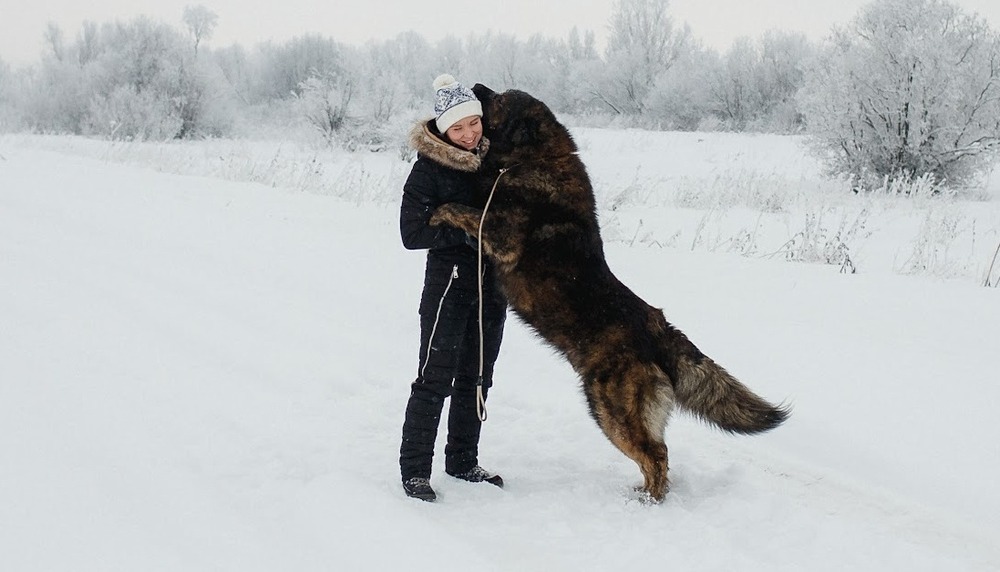
One reason people get confused is the naming. In everyday use, “Georgian Shepherd Dog” is sometimes used for local Georgian mountain livestock guardian dogs (often called Nagazi), and sometimes used interchangeably with the broader Caucasian Shepherd Dog type from the Caucasus region.1, 2
If you are speaking with a breeder or rescue, it is worth asking what they mean by the name. Do they follow a local Georgian standard, or an internationally recognised kennel-club standard for the Caucasian Shepherd Dog? Those details affect size, temperament expectations, and what sort of home the dog is likely to suit.1, 2
Practical takeaway: focus less on the label and more on the individual dog’s background, socialisation, and adult temperament in a home environment.
Temperament, instincts, and what people experience day to day
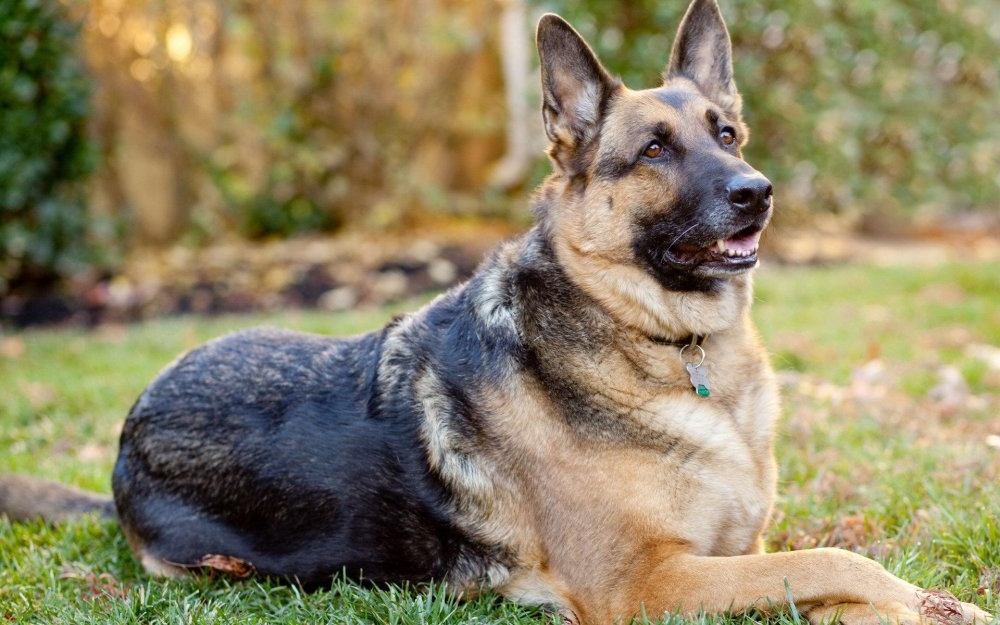
Guardian breeds are shaped for presence and judgement. Many are naturally watchful, slower to warm up to strangers, and more inclined to hold territory than to greet everyone with enthusiasm. That can look like “stubbornness”, but it is often a dog doing exactly what it was selected to do, which is assess first, then act.2
With their own people, these dogs may be steady and affectionate in a quiet way. They often prefer predictable routines, clear boundaries, and calm handling. Where things can go sideways is when visitors, tradies, deliveries, and neighbourhood activity are frequent, and the dog has not been taught a clear pattern for what happens next.
Helpful mindset: aim for calm predictability. You are not trying to “remove” guarding instincts, you are teaching a safe, workable version of them.
Training and socialisation that actually helps
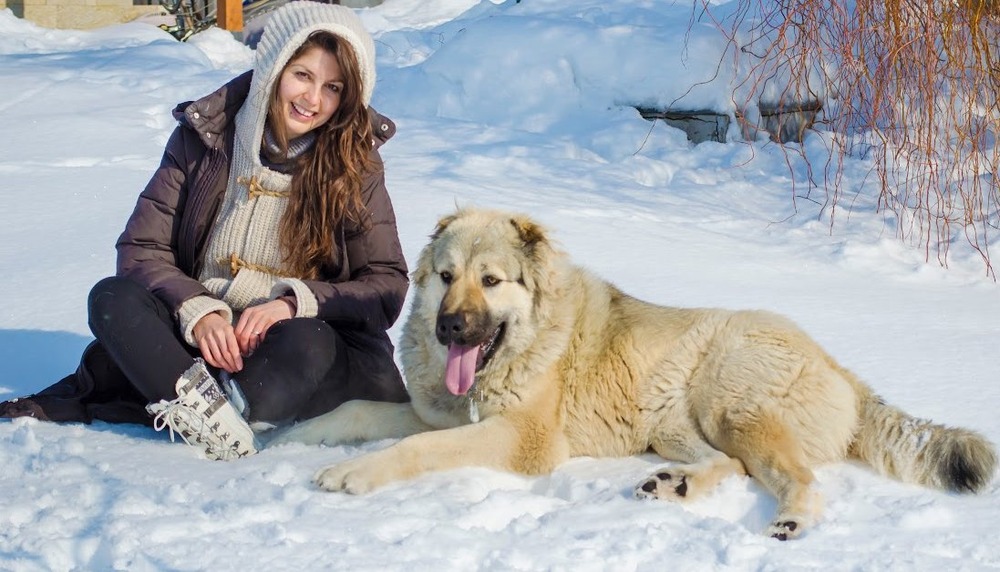
Early learning matters for any dog, but it is especially important for a large, cautious guardian type. The goal is not to make the dog love everyone. It is to help the dog feel safe, read situations accurately, and accept handling and everyday changes without escalating into defensive behaviour.
Reward-based training is widely recommended because it builds reliable behaviour without the fallout that can come from intimidation, pain, or “dominance” methods.3, 4 For dogs that already have a strong opinion about personal space, harsh techniques can create more suspicion, not less.
Good socialisation also starts earlier than many people think. Veterinary behaviour guidance highlights the first three months as a key period, and supports safe, structured exposure before vaccination is complete (with appropriate risk management).5
- Keep sessions short: stop while the dog is still coping well.
- Practise neutral exposures: seeing people, bikes, dogs, and vehicles without needing to greet them.
- Teach a default behaviour: go to a mat, behind a gate, or to a bed when the doorbell goes.
Exercise and enrichment, more than “a big walk”
These dogs often need daily activity, but it does not always look like high-speed running. Many do better with steady, purposeful movement, sniffing, exploring, and problem-solving games that give them something to think about.
Because they are large, joint-friendly conditioning matters. Avoid making the dog an occasional weekend athlete. Regular, moderate activity and gradual fitness building is usually kinder to the body than bursts of intense exercise.
Best sign you have it right: the dog can settle calmly at home after activity, rather than pacing or scanning for hours.
Grooming, coat care, and seasonal shedding
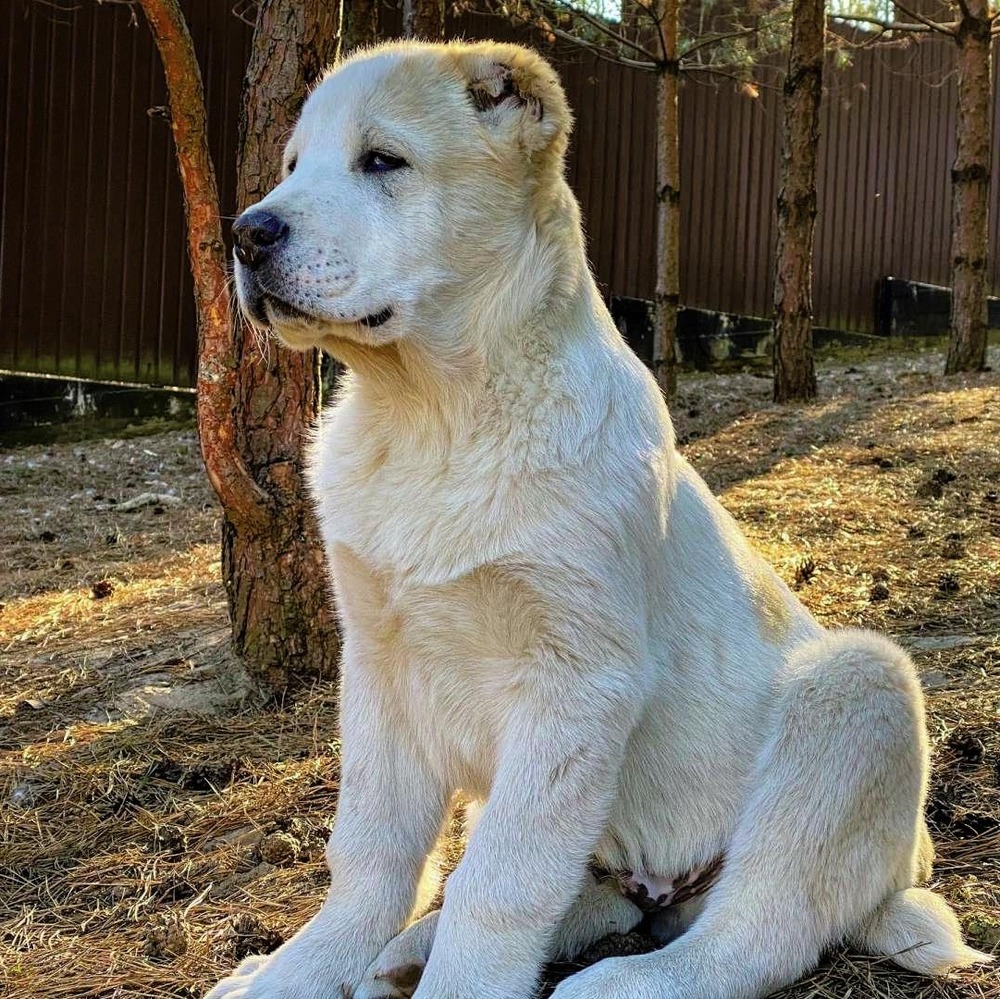
A thick double coat is part of what makes these dogs so well-suited to cold and wet conditions. It also means coat management is not optional. Weekly brushing is a reasonable baseline for many dogs, with heavier work when the undercoat is dropping.
Try to make grooming routine and low-pressure. A dog that learns early to accept brushing, paw handling, and ear checks is easier to care for across a lifetime, especially as mobility changes with age.
Watch points: hidden matting behind ears, around the neck ruff, and in the trousers, plus moisture trapped close to the skin after rain.
Health considerations for large guardian breeds
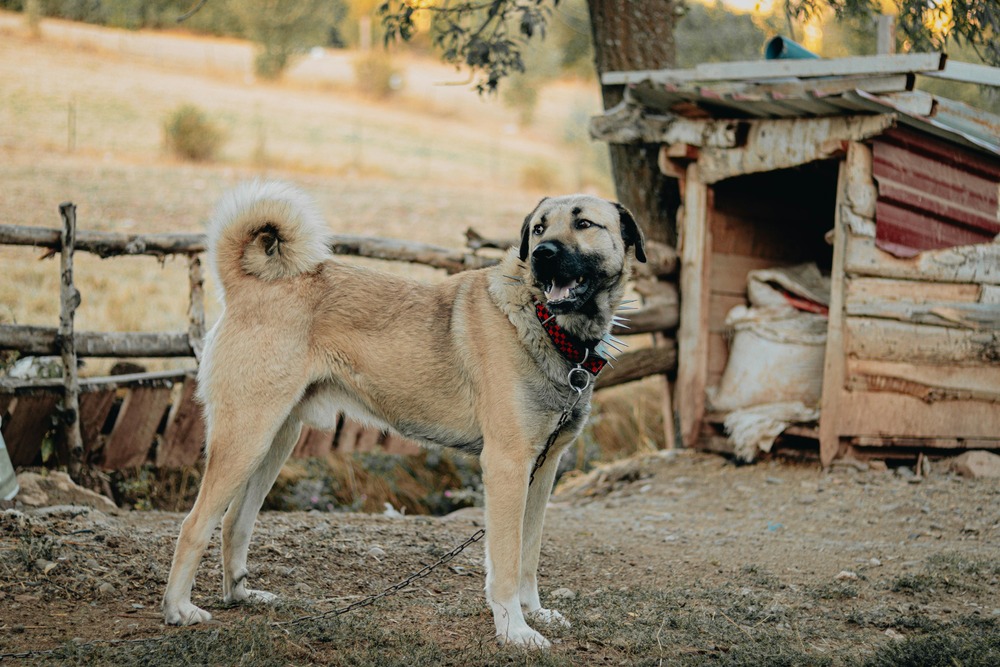
Large and giant breeds have predictable pressure points: joints, mobility, and conditions linked to body shape. Your vet is the best guide for screening and preventative plans, particularly if you are choosing a puppy and can ask what testing the parents have had.
One issue worth understanding early is gastric dilatation-volvulus (GDV), often called bloat. It is a life-threatening emergency where the stomach distends and can twist.6, 7 Deep-chested dogs are generally considered at higher risk.8
Risk reduction is not foolproof, but common recommendations include feeding two or more smaller meals, slowing fast eating, and avoiding raised bowls unless your dog needs them for another medical reason.6, 7, 9 In higher-risk dogs, some owners discuss preventative gastropexy with their vet, often at the time of desexing.7
Diet and feeding, keeping it simple and workable
For a big working type, “best diet” usually comes down to consistency and suitability, not novelty. Choose a complete and balanced diet that matches life stage, body condition, and activity level, then adjust based on how the dog is actually doing.
Practical feeding habits can matter as much as ingredients for some risks. For GDV risk management, feeding patterns and eating speed are often discussed, and slow feeders can be useful for dogs that inhale their meals.6, 9
Body condition beats the scales: aim for a visible waist and easy-to-feel ribs under a light layer of tissue, then let your vet guide targets for your individual dog.
Choosing a home that suits the dog
Most Georgian Shepherd Dog types are not natural apartment dogs. It is not only about exercise. It is about space, fencing, visitor traffic, and whether the dog has a stable job to do, even if that “job” is simply a predictable routine and a quiet property to oversee.
They tend to suit people who can plan ahead, train thoughtfully, and manage the environment, for example using secure gates, clear visitor procedures, and safe separation when needed. If you are regularly hosting lively gatherings, or you want an instantly social dog for busy public places, it is worth being honest about that before you commit.
Good match: a household that values calm, structure, and respectful handling, and can accommodate a very large dog safely.
References
- Wikipedia: Georgian Shepherd
- Wikipedia: Caucasian Shepherd Dog
- RSPCA Australia: The do’s and don’ts of training your dog
- RSPCA Knowledgebase: Training recommendations and reward-based methods
- Purdue University Canine Welfare Science: AVSAB Puppy Socialization Position Statement
- American Animal Hospital Association (AAHA): Understanding canine bloat (GDV)
- Cornell University College of Veterinary Medicine: Gastric dilatation-volvulus (GDV) or bloat
- American Kennel Club (AKC): Bloat in dogs
- Purina Institute: Canine gastric dilatation-volvulus (GDV)