

You might come across the Grand Anglo-Français Tricolore after spotting a striking tricolour hound in a photo, hearing the name in a hunting context, or noticing how often people confuse “rare” with “suited to home life”. It is a breed that looks familiar if you know foxhounds and French scenthounds, but it lives a little differently to most pet dogs.
What tends to surprise people is that this is not a hound “with a bit of hunting in its background”. It is, quite specifically, a pack scenthound shaped for long days on scent, big spaces, and a job to do. That history matters, because it shows up in everyday life as stamina, drive, and a strong tendency to follow its nose.
If you are considering one, or you have met one and wondered why it behaves the way it does, it helps to view the Grand Anglo-Français Tricolore as a working specialist first. With the right environment and expectations, it can be a very steady companion. Without those basics, even a well-meaning home can feel like a poor fit.
Quick breed snapshot
- Breed group: Scent hound (FCI Group 6)
- Country of origin: France
- Typical height: Around 60 to 72 cm at the withers (varies by lines and sex)1, 2
- Typical weight: Commonly in the mid 30 kg range (often reported around 30 to 36 kg)3
- Coat: Short, dense, tricolour (black, white, tan)
- Life expectancy: Commonly reported around 10 to 14 years, with individual variation3
- Best suited to: Experienced, active homes with secure space, or people involved in hound work
Where the breed comes from, and why it still matters
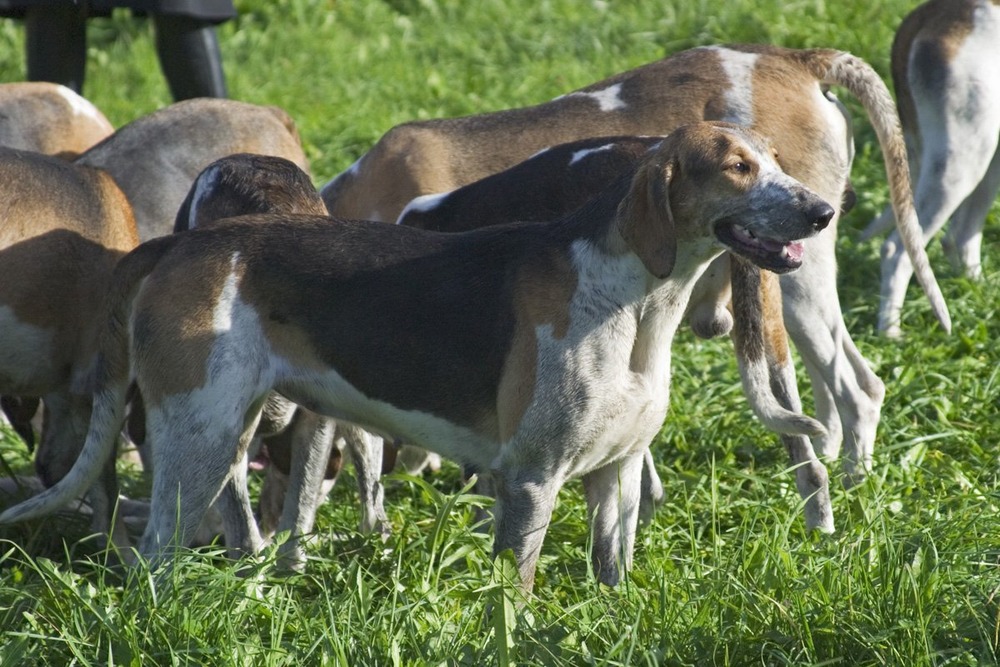
The name is a clue. “Anglo-Français” points to the long tradition of combining French scenthounds with English hounds to produce dogs that could move well, hunt efficiently, and work in a pack. The Grand Anglo-Français Tricolore sits within that French hunting culture, where dogs are bred for function and cohesion as much as for individual companionship.1
It also helps to know that the FCI recognition story is often misquoted online. The breed is listed by the FCI as recognised on a definitive basis, with standards published well before 2009.1 If you are trying to verify information, it is worth going back to primary references, because second-hand breed summaries can quietly copy each other’s errors.
In practical terms, heritage shows up as high scent drive, a preference for moving through the world nose-first, and a dog that often copes best with structure and purposeful activity.
Appearance and temperament in everyday life
On looks alone, this is a classic large hound: long legs, long drop ears, and a balanced, athletic outline. The tricolour coat is usually bold and cleanly patterned, and the short hair is practical rather than decorative.1, 3
Temperament descriptions often use words like “friendly” and “good-natured”, and those can be true, especially with familiar people and in stable routines. Still, it is wise to separate sociability from trainability. A hound can be pleasant to live with while also being very independent outdoors, particularly once it finds an interesting scent.
Many individuals do best when you treat recall and off-lead reliability as a long-term project, not a personality trait. This is one reason the breed is frequently described as better suited to rural settings, secure acreage, or purpose-built exercise options than to casual suburban life.
Training that suits a scent hound
With scenthounds, training is often less about “getting compliance” and more about building habits that hold up when the environment gets interesting. Reward-based training and clear, consistent routines tend to work well, especially if you keep sessions short and end while the dog still wants more.
A useful mindset is to train the dog you have in front of you, not the dog you wish you had. That can look like:
- Management first: secure fencing, long lines, and avoiding high-risk off-lead areas.
- Practising recall away from distractions before expecting it to work around wildlife scent.
- Giving the nose a job: sniff walks, basic tracking games, and scent-work style activities that let the dog do what it was built to do.
If you are working with a trainer, look for someone comfortable with hounds and driven breeds, not just “obedience in a quiet hall”.
Exercise and enrichment, beyond the daily walk
This is an energetic, enduring dog. In many homes, a single daily stroll will not touch the sides, not because the dog is “naughty”, but because its body and brain were selected for sustained effort.
A better goal is a mix of movement and decompression, such as long sniff-heavy walks, structured runs in safe areas, and activities that involve searching. If you are choosing between extra kilometres and extra sniffing time, many scenthounds benefit more from the sniffing.
It is also worth remembering that boredom can look like restlessness. Enrichment does not need to be complicated, but it should be regular: food puzzles, hide-and-seek with kibble, and simple “find it” games can make a noticeable difference.
Health considerations and sensible prevention
There is limited breed-specific health data in the public domain compared with more common companion breeds, so it is best to think in terms of large, athletic hound risks and sensible prevention. Two practical areas owners often manage are joint health and ear health.
Hips, joints, and body condition
Large dogs can be affected by hip dysplasia, and the most useful everyday prevention is keeping your dog lean and well-muscled through life. Veterinary organisations consistently emphasise the health impact of obesity in dogs, including pressure on joints and reduced overall wellbeing.4
Ear care for long-eared dogs
Long, floppy ears can reduce airflow and trap moisture, which can contribute to ear problems. Regular, gentle checks help you notice changes early, especially after swimming, bathing, or wet weather.5
Home cleaning needs a light touch. Many veterinary sources advise avoiding cotton buds in the ear canal, and being cautious if there is redness, pain, odour, or discharge, since those signs call for a vet check rather than a deeper clean at home.6
Grooming and day-to-day care
The coat is usually straightforward: a weekly brush to lift dead hair and distribute skin oils is often enough, with more attention during seasonal shedding. Because the coat is short, grooming is less about styling and more about steady maintenance.
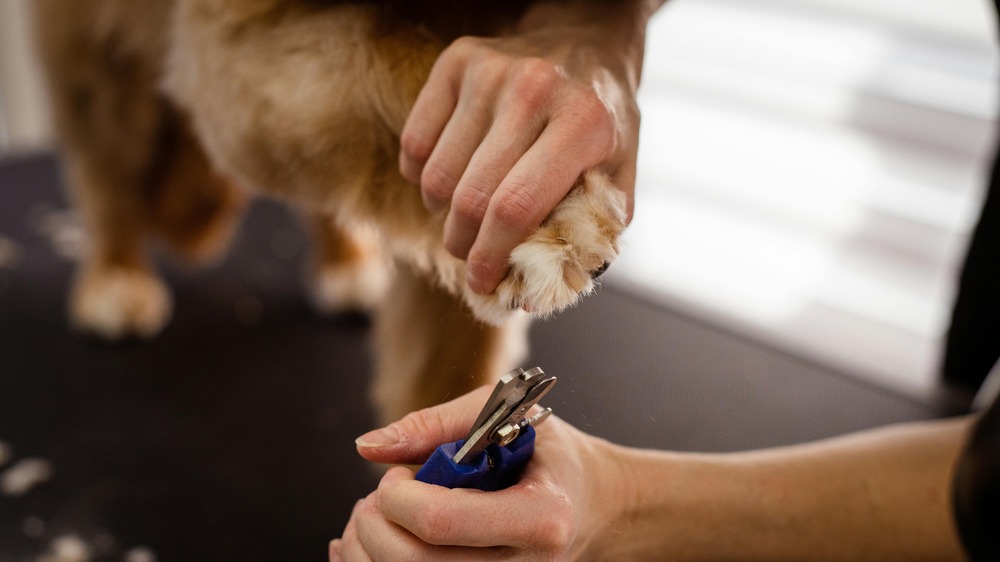
What tends to matter more is the practical care that supports an active dog: nails kept at a comfortable length for good gait, teeth maintained (at least with regular brushing if your dog will tolerate it), and a quick once-over after bush walks to check for seeds, ticks, and minor cuts.
Feeding well, without getting lost in food marketing
For an active hound, food is fuel, but it is also a quiet part of long-term health. It is common for people to focus heavily on ingredient lists, yet nutrition bodies like WSAVA note that ingredients alone can be misleading when you are judging overall quality.7
A practical approach is to choose a complete and balanced diet appropriate to life stage, then monitor what matters: body condition, stool quality, coat condition, and steady energy. If you are unsure, your vet can help you set a target weight range and adjust portions based on what you are seeing at home.
If you are considering raw or home-prepared diets, do it with professional guidance. WSAVA resources discuss food selection and also outline concerns that can come with raw feeding, including pathogen risk and nutritional imbalance if not formulated carefully.8
Is this breed a good fit for your home?
The Grand Anglo-Français Tricolore can be a wonderful dog for the right person, but it is not a casual choice. In many cases, the make-or-break factors are not affection or good intentions, but the daily reality of space, containment, and time.
This breed is often a stronger match if you can offer:
- Secure fencing and a plan for safe off-lead time.
- Regular, substantial exercise that includes sniffing and exploring.
- Comfort around hound behaviours like vocalising, tracking, and persistence.
- Ongoing training that respects independence, rather than trying to suppress it.
If you want a dog that naturally checks in every few metres and treats every walk like a polite social outing, a scenthound built for pack hunting may not feel intuitive. If you enjoy dogs with purpose, stamina, and a strong connection to scent, it can be deeply rewarding.
Final thoughts
There is a particular kind of steadiness you see in good working hounds: they conserve energy at home, then switch on outdoors. The Grand Anglo-Français Tricolore sits squarely in that tradition. It is best understood as a dog shaped by work, which means its needs make sense once you stop expecting it to behave like a general-purpose pet.
If you can meet the breed where it is, with space, structure, and meaningful exercise, you are more likely to end up with the calm confidence people admire in well-kept hounds. If you cannot, it is kinder to choose a breed whose instincts fit your daily life more naturally.
References
- Fédération Cynologique Internationale (FCI): GRAND ANGLO-FRANÇAIS TRICOLORE (No. 322)
- Wisdom Panel: Grand Anglo-Francais Tricolore breed overview
- Wikipedia: Grand Anglo-Français Tricolore (overview and links to standards)
- Australian Veterinary Association (AVA): Obesity in dogs and cats
- Dogs Australia: Essential guide to canine care (ear care and general health)
- RSPCA: Dog health advice, ears and ear infections
- WSAVA: Global Nutrition Guidelines (pet owner tools and label guidance)
- WSAVA: Raw Meat Based Diets for Pets (Global Nutrition Toolkit PDF)
- Australian Veterinary Association (AVA): Canine hip dysplasia