

You might first notice a Grand Basset Griffon Vendéen because of the sound. Not barking exactly, more a clear hound voice that carries, especially when something interesting has crossed their nose. People often meet the breed at a show, through a friend’s “GBGV”, or after realising they love the look of a rough-coated hound but are not quite sure what day-to-day life with one actually feels like.
It is tempting to file them under “medium dog, friendly, needs walks” and move on. In practice, they are a scent hound with opinions. That combination can be wonderful, but it asks for a home that enjoys training as a relationship, not as a quick set of commands, and that takes management seriously when the nose switches on.
When the match is right, this is a bright, companionable dog with a sturdy build and a rustic coat, happiest with regular outdoor time and humans who find their independence more endearing than inconvenient.
At a glance: what kind of dog is the GBGV?
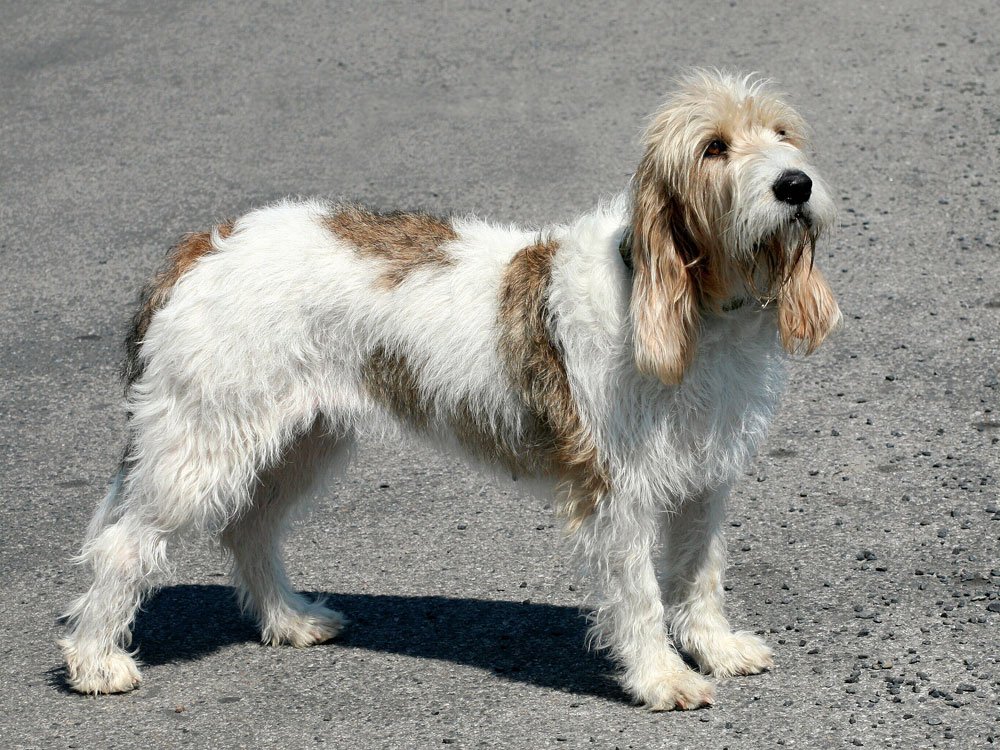
The Grand Basset Griffon Vendéen (often shortened to GBGV) is a French scent hound developed to hunt hare and rabbit, typically working with other hounds and using a voice that helps handlers keep track at a distance.1, 2
- Size: typically around 40 to 44 cm at the withers (breed standards vary slightly by sex and club).2
- Coat: rough, of moderate length, with a natural, rustic look rather than a polished finish.2
- Temperament: happy and outgoing, with an independent streak that benefits from calm, consistent handling.2
- Recognition: the GBGV became eligible to compete in the AKC Hound Group on 1 January 2018.3
History and origin
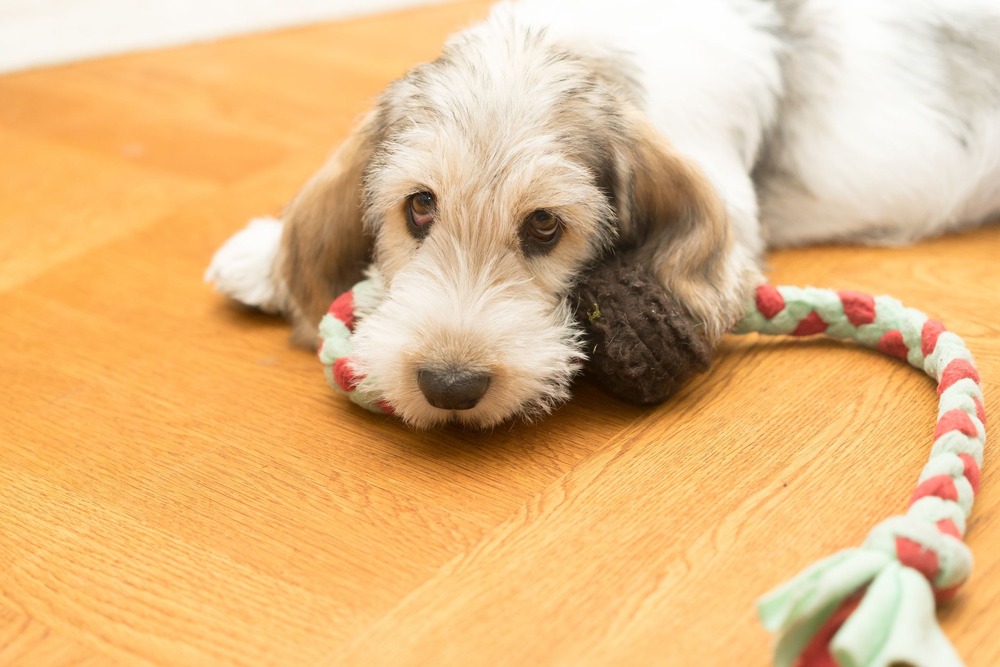
The breed comes from the Vendée region of France and sits within a family of rough-coated French hounds shaped for moving through dense cover while tracking by scent. The “basset” part of the name points to that longer body and lower build, while “griffon” refers to the rough coat.1, 2
It is still worth keeping the original job in mind because it explains so much of what owners live with now: the tendency to follow scent, the comfort with moving for long periods, and the habit of using their voice when they are “on” to something. None of this is a problem, but it does mean a GBGV generally needs more than a token stroll to feel settled at home.1, 4
Physical characteristics
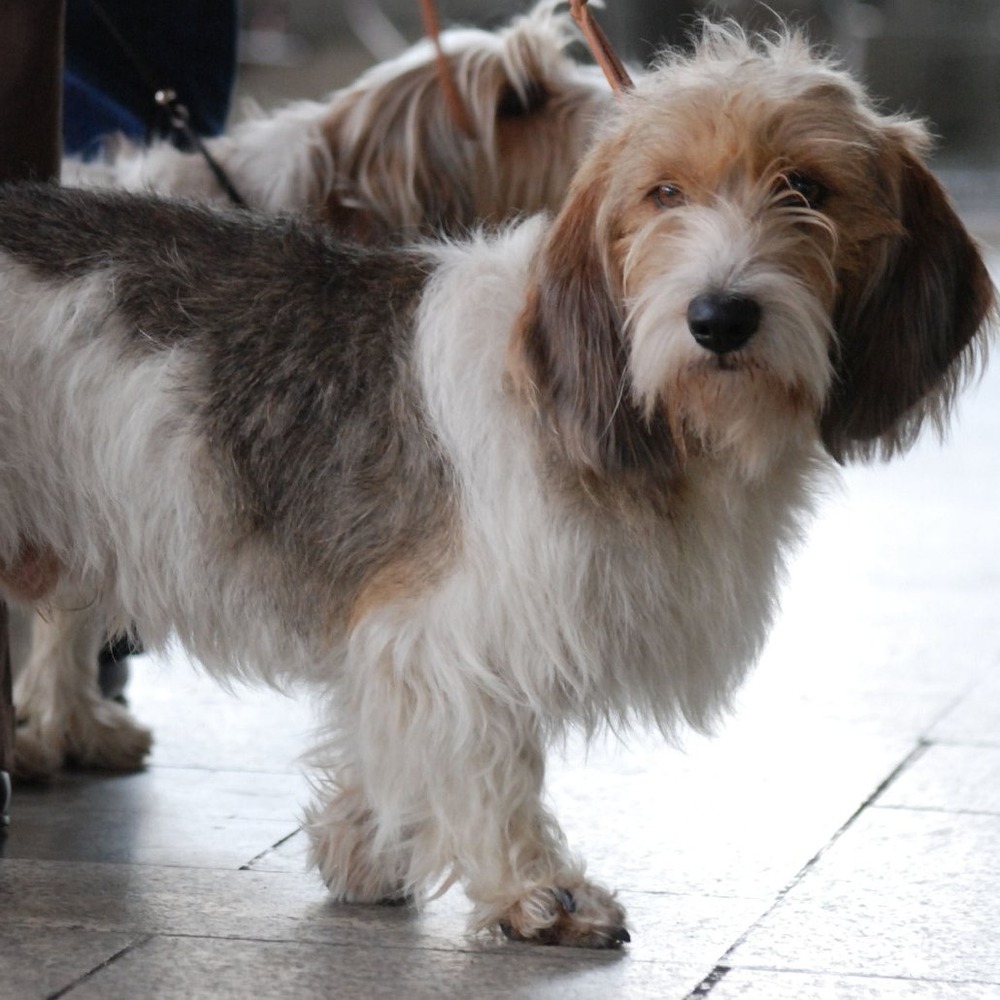
The GBGV is a medium-height hound with a slightly elongated outline, straight forelegs, and a robust, working-dog build. Breed standards describe a rough coat of moderate length, with furnishings that can include eyebrows, a beard, and a moustache, without looking overly sculpted.2, 5
Those long, low-set ears are part of the classic look, but they also have practical implications. Ears that fold and trap moisture can make some dogs more prone to ear trouble, particularly if they swim often or get frequent baths without careful drying.8
Temperament and behaviour in everyday life
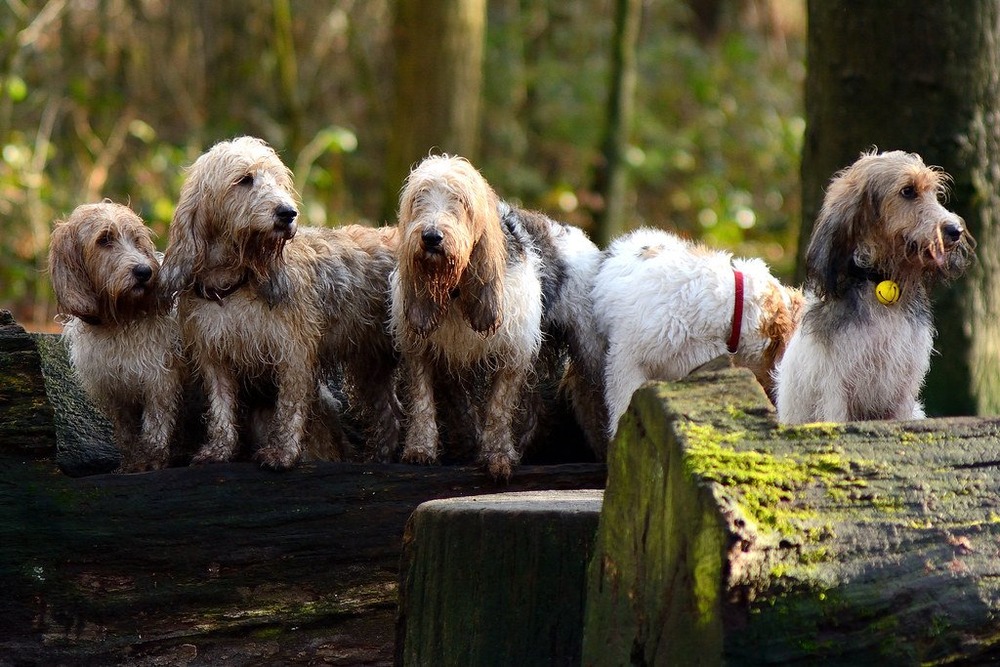
Most GBGVs come across as open and social, often comfortable with visitors after an appropriate introduction, and generally interested in what is happening around them. Breed standards emphasise a temperament that is happy and outgoing, with independence and a touch of stubbornness that responds best to firm but fair handling.2
The independence can be misunderstood. It is not “dominance” so much as a dog that has been selected to make decisions while following scent. That shows up as selective hearing outdoors, a willingness to explore, and occasional negotiation during training. For many owners, this becomes part of the charm, as long as they plan for it.
Because they are pack hounds by background, many do well with other dogs when thoughtfully socialised. With smaller pets, the deciding factor is not friendliness but prey drive and rehearsal. If a GBGV has practised chasing, it can become a hard habit to undo, so management matters.1
Training and exercise needs
Training a GBGV is usually less about teaching “sit” and more about building skills that keep everyone safe and relaxed: recall foundations, loose-lead walking, calm greetings, and the ability to disengage from scent when asked. The most productive approach tends to be reward-based, short sessions with clear boundaries and plenty of reinforcement for checking in.7
Exercise needs are often described as high, but it helps to think in terms of both movement and purpose. A long walk where the dog can sniff responsibly, a safe off-lead run in a secure area, and simple scent games at home can do more for behaviour than adding kilometres without letting them use their nose.4
- Scent work at home: scatter feeding in grass, “find it” games, hiding toys or treats.
- Brain and body together: hiking on a long line, beginner tracking, structured play with rules.
- Life skills: practise calm “wait”, door manners, and settling on a mat after exercise.
Health and lifespan
Many sources place the GBGV lifespan around 12 to 14 years, although any individual dog’s outlook depends on genetics, weight management, dental health, and everyday care.6
Two health themes are worth keeping on your radar. First, ear disease, especially if a dog is prone to moisture in the ear canal or recurrent inflammation. Chronic ear issues can sometimes progress beyond the outer ear, which is one reason vets take repeated infections seriously.8
Second, weight. Like many enthusiastic eaters with busy noses, some GBGVs can gain weight gradually if portions creep up or exercise drops off. Obesity is widely recognised as a welfare issue in dogs and is best handled early, with a vet-guided plan that focuses on steady habits rather than quick fixes.9, 10
Grooming and maintenance
The coat is designed to be practical, but it still benefits from routine care. Weekly brushing is a good baseline for most households, with extra attention around ears, legs, and friction points where tangles form. Many owners also choose occasional tidying, but the breed is meant to look natural rather than heavily stylised.3, 2
Ear care is part of grooming, not an optional extra. If your dog is prone to wax or recurrent irritation, ask your vet to demonstrate cleaning technique and to advise how often to do it. Over-cleaning can be counterproductive, so aim for vet-guided routines, not guesswork.8
Diet and nutrition
There is no single perfect diet for every GBGV, but the goals are consistent: a complete and balanced food, portions matched to the dog in front of you, and treats that do not quietly become a second diet. If you are unsure, your vet can help you use a body condition score and adjust feeding based on changes over time, not just the number on the scales.10
It is also worth being realistic about training rewards. Scent hounds often train beautifully with food, but you get the best result when you count treats as part of the daily intake. If weight is drifting upward, reducing calories from treats is usually easier than trying to “exercise it off”.9
Living with a GBGV: what tends to surprise people
Most surprises are not problems, just practical realities of a dog bred to trail scent and communicate with voice. A GBGV may be calm at home after a good day, but still ready to sing along on a neighbourhood walk if something exciting has happened five minutes earlier.
- Voice: hound vocalisations can be frequent when excited or following scent, and they travel.
- Nose-first decisions: recall takes time, and secure fencing plus lead skills matter.
- Social nature: many prefer company and can do better with gradual alone-time training.
Final thoughts
The Grand Basset Griffon Vendéen suits people who like dogs as dogs: inquisitive, sometimes stubborn, and deeply engaged with the outdoors. If you enjoy training as an ongoing conversation, can offer meaningful daily activity, and are prepared for a hound voice now and then, a GBGV can be a steadfast, funny companion with a lot of life in it.2, 3
References
- The Westminster Kennel Club, Grand Basset Griffon Vendéen breed profile
- The Kennel Club (UK), Basset Griffon Vendéen (Grand) breed standard
- American Kennel Club, press release on full recognition (eligible from 1 January 2018)
- The Kennel Club (UK), Basset Griffon Vendéen (Grand) breed overview
- United Kennel Club, Grand Basset Griffon Vendéen breed standard
- Purina UK, Basset Griffon Vendéen (Grand) breed information (lifespan and general traits)
- RSPCA Australia Knowledgebase, best practice dog training (reward-based methods)
- Merck Veterinary Manual, Otitis externa in animals (maintenance care and prevention principles)
- RSPCA Australia, ways to avoid obesity in dogs
- RSPCA Knowledgebase, how to tell if a dog is overweight (body condition cues)