

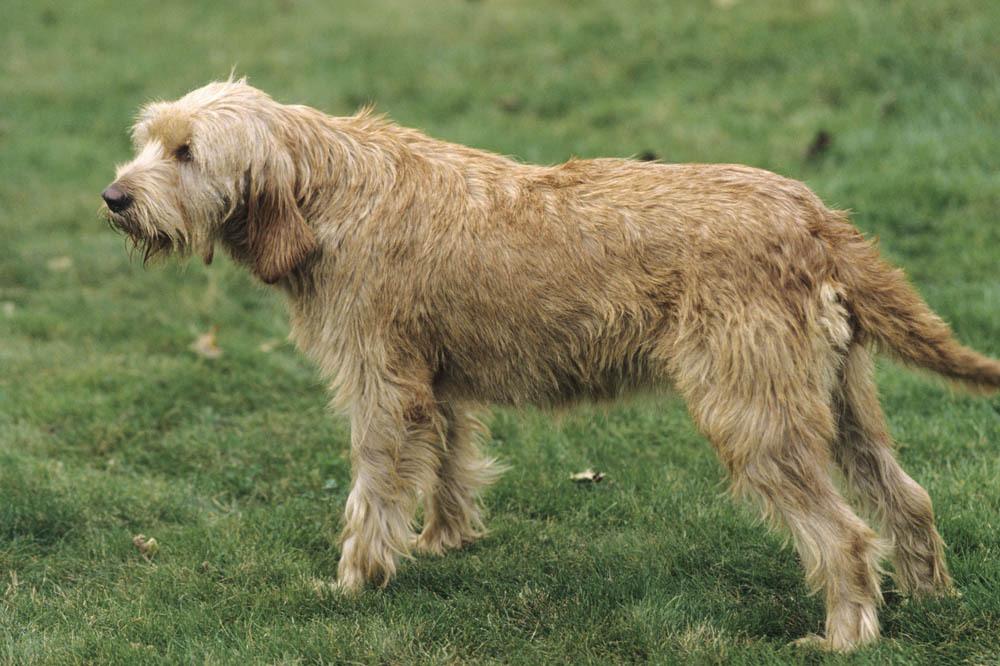
- Breed category: Hound (scent hound)
- Country of origin: France (Brittany)
- Typical height: 48 to 56 cm (often with small tolerance in standards)2
- Typical weight: Commonly around 18 to 22 kg (varies by build and sex)
- Typical lifespan: Often 10+ years, many sources cite around 12 to 14 years as a guide1
- Coat: Rough, harsh, fairly short, not woolly or curly2
- Colours: Hound colours and markings are recognised in some standards, fawn shades are common2
- Grooming: Usually weekly brushing suits the coat type1
- Exercise: Needs daily exercise and purposeful sniffing time, many guides suggest up to about an hour a day as a baseline1, 6
- Known for: Strong scenting ability and an active hunting style2
People often meet the Griffon Fauve de Bretagne in a roundabout way. It might be a wiry, fawn dog you spot on a bush track, nose down and moving with real purpose, or a breed name that pops up when you are looking for a robust, outdoorsy companion that is not one of the usual household names.
It is tempting to assume that a smaller French hound will be easy to tuck into modern life, especially if it looks sturdy and manageable. In practice, what matters more is what the dog was designed to do: follow scent for long periods, keep going in difficult country, and work as part of a hunting tradition.2, 3
When you understand that foundation, the rest makes more sense. Their exercise needs, their interest in smells, and their sometimes selective listening are not quirks so much as predictable outcomes of a working background. For the right home, that honesty in the breed can be a pleasure.
History and origin
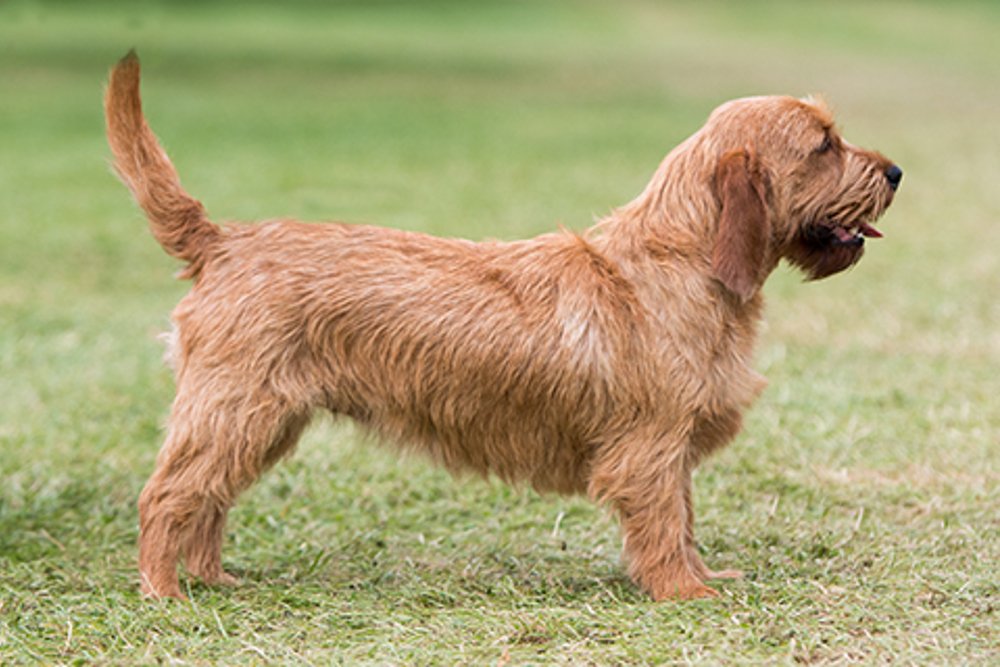
The Griffon Fauve de Bretagne comes from Brittany in north west France and sits within the broader family of French scent hounds.4, 5 Historically, it was used on challenging game and terrain, valued for endurance, voice, and the ability to keep working when conditions were rough.1, 2
You will sometimes see very early dates mentioned for the breed’s beginnings. It is fair to say the type is old, but the most reliable details are those recorded in modern breed standards and kennel club histories, which place the Griffon Fauve firmly in long running French hunting tradition, with formal recognition and documentation coming much later.1, 4
If you like breeds with a clear purpose, this is one of the appealing parts. The Griffon Fauve de Bretagne is described as fit for function, with structure and coat designed around working in difficult country rather than ornament.2
Physical characteristics
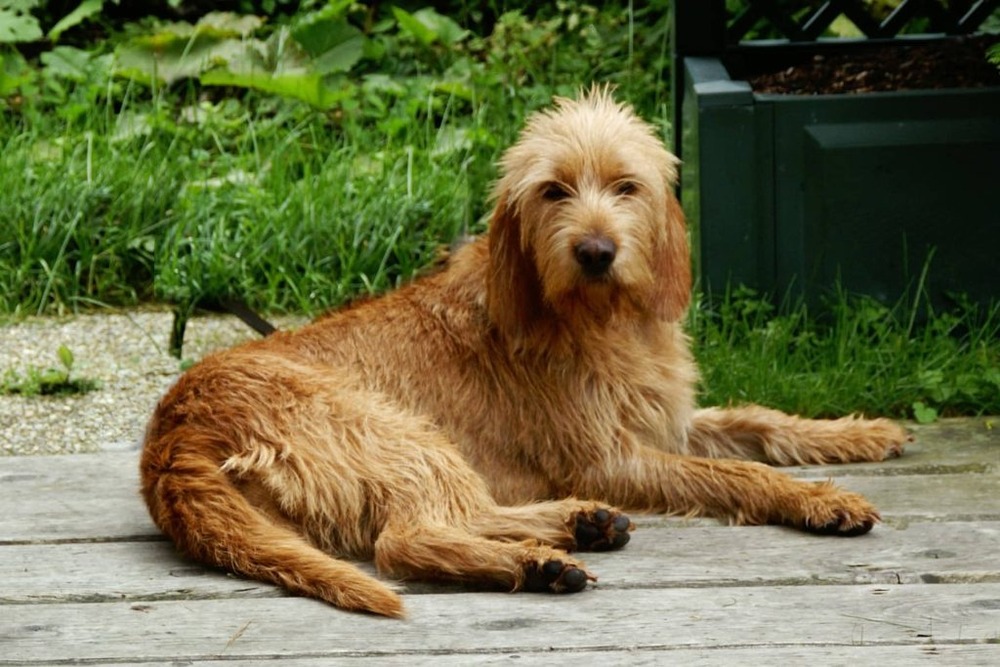
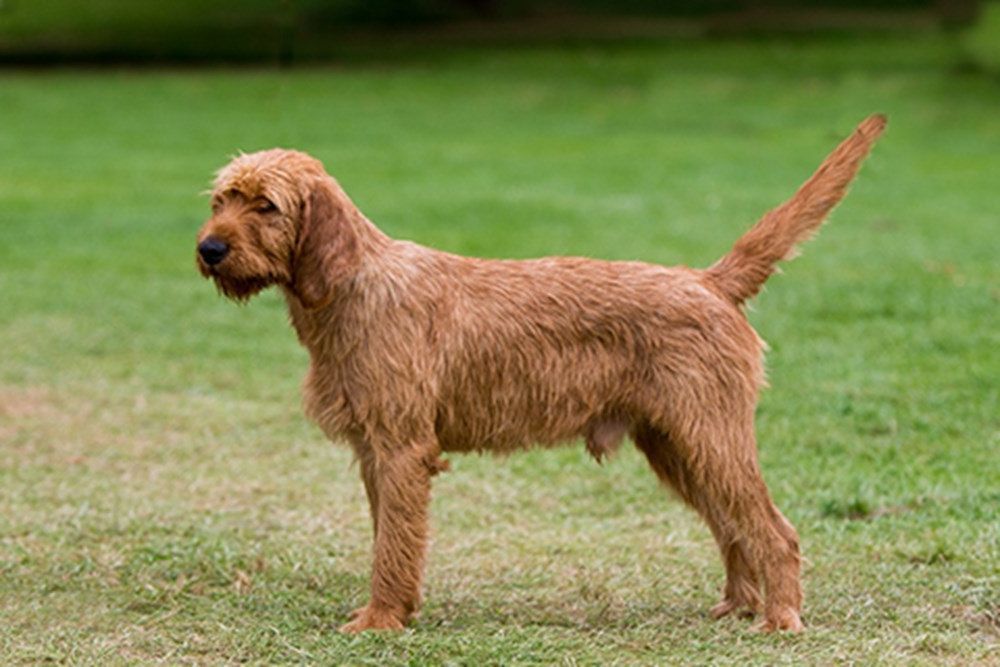
This is a medium sized, strongly built hound. Breed standards typically list a height of 48 to 56 cm at the withers, with some allowance either side depending on the standard and the dog.2
The coat is one of the first things people notice: rough, harsh, and fairly short, with furnishings that should not look overdone.2 That texture is practical. It helps protect the skin when the dog is pushing through scrub and undergrowth, and it tends to cope well with active, muddy weekends.
Heads are long rather than broad, ears are set around eye level and fold inward, and the tail is set high and carried in a gentle curve when moving.2 Overall, the look is workmanlike. The dog appears ready to go somewhere interesting, which is often exactly what it is thinking about.
Temperament and behaviour in everyday life
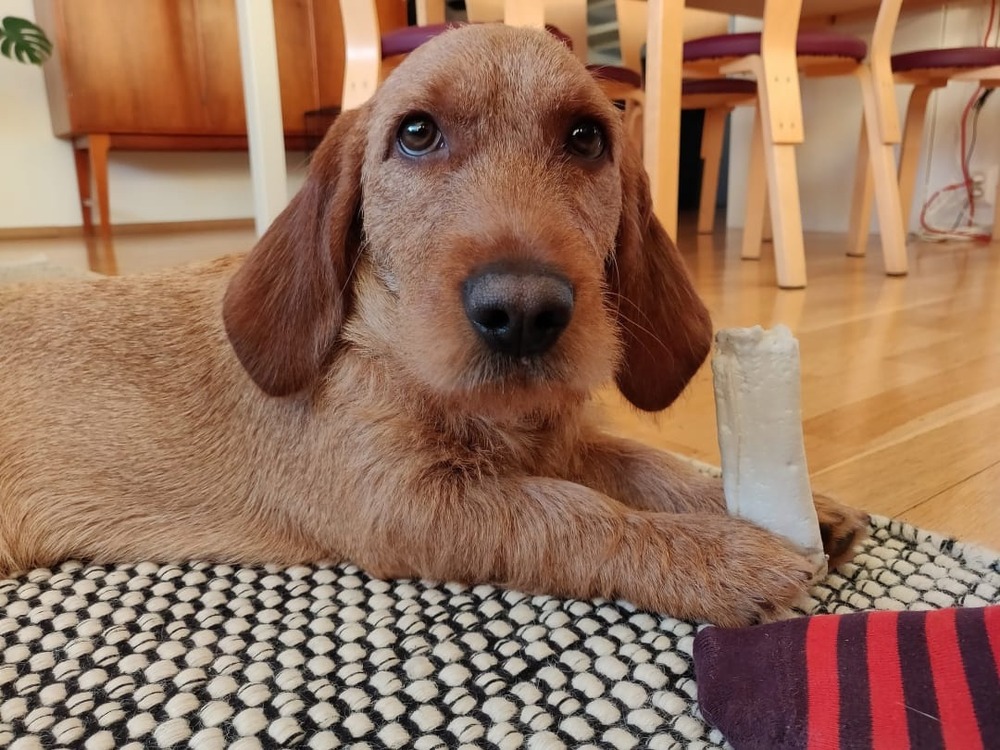
Well bred Griffon Fauves are commonly described as sociable and friendly, with the kind of steady confidence you often see in dogs that were meant to work alongside people.1, 2 That does not automatically mean “easy”, though. A scent hound’s attention can drift if the environment is more rewarding than you are.
It helps to think in terms of needs rather than labels. Many Griffon Fauves do best with regular outdoor time, a home that enjoys walking, and a routine that makes room for sniffing and exploring, not just marching around the block.6
With children and other pets, outcomes usually come down to the individual dog, early socialisation, and good supervision. Because they are hounds, it is sensible to assume there may be moments of chase interest outdoors, especially around cats, poultry, and wildlife. Management and training matter more than optimism.
Training and exercise needs
Reward based training tends to suit this breed well. Done properly, it is calm, clear, and practical, and it builds behaviours you can rely on when the environment is busy.7 For a hound, reliability is rarely about force. It is about repetitions, reinforcement, and making “check in with me” a habit.
Daily exercise is important, but it is not just about kilometres. Many owners find the dog settles better when walks include time to sniff and problem solve. The RSPCA notes that dogs need regular daily exercise, and that exercise and play also support socialisation and mental wellbeing.6
Practical ideas that often work well for scent driven dogs include:
- Sniff walks on a longer lead in safe areas
- Simple scent games at home (find the treat, find the toy)
- Short, frequent training sessions rather than one long drill
- Secure fencing and good lead habits, because a scent can travel
Exercise safety matters too. Heat, hot surfaces, and exercising too hard around meals are all worth thinking about, particularly for active dogs that will happily keep going until you insist on a break.8
Health and lifespan
The Griffon Fauve de Bretagne is often described as generally robust, but “healthy breed” never means “no health issues”. It still pays to plan for routine veterinary care, keep the dog in a lean, athletic body condition, and ask breeders about health screening practices.
Like many medium and larger dogs, hip dysplasia can occur. It is a developmental condition influenced by both genetics and environment, and screening is typically done with veterinary radiographs assessed through formal schemes.9
Ear care is another everyday consideration. Floppy ears can reduce airflow and trap moisture, which can contribute to ear infections in some dogs.10 A sensible routine is simple: check ears regularly, dry them after swimming, and see your vet promptly if you notice odour, redness, discharge, or persistent scratching.
Grooming and maintenance
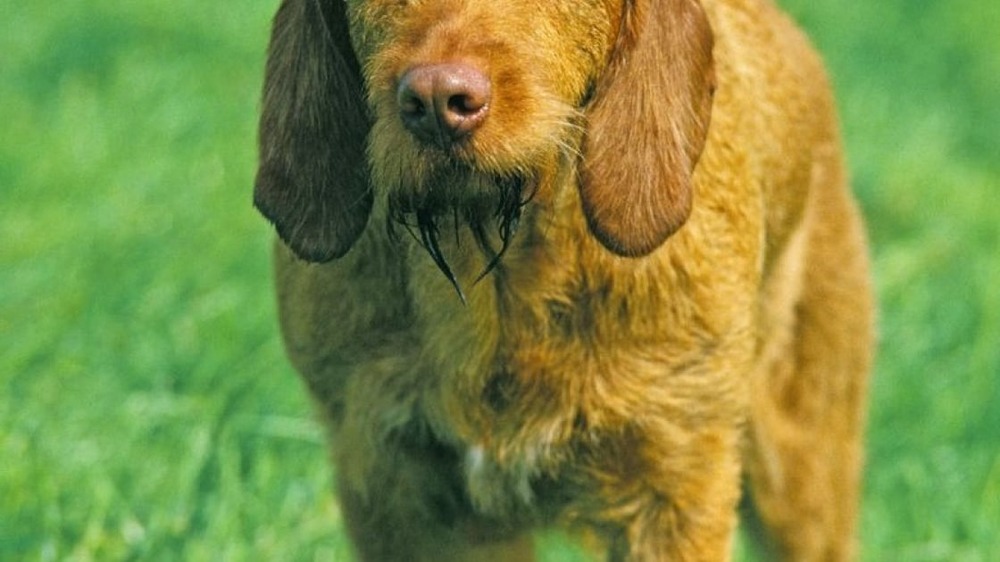
The rough coat is practical, but it still benefits from steady maintenance. Many guides suggest weekly brushing, which suits the coat texture and helps remove burrs, grass seeds, and loose hair before they turn into tangles.1, 6
Rather than frequent bathing, think in terms of functional grooming. Brush, check the skin after scrubby walks, and keep nails and paw pads in good shape. If the dog is regularly in long grass or bushland, a quick post walk check becomes one of the most useful habits you can build.
Diet and nutrition
For an active hound, the headline is straightforward: aim for a complete and balanced diet that matches the dog’s age and activity level, then monitor body condition over time rather than relying only on packet portions.5, 6
Nutrition advice online can get noisy quickly. The World Small Animal Veterinary Association (WSAVA) provides global nutrition guidelines and tools that encourage an individual assessment and practical feeding plan, ideally with veterinary input, especially if your dog has digestive trouble, skin issues, or weight creep.5
If you want a simple routine that tends to work for many adult dogs, two meals a day is common. The details, including calories and specific foods, are best tailored with your vet, because needs change across seasons, work levels, and life stages.
Is this breed likely to suit your home?
The Griffon Fauve de Bretagne can be a wonderful match for people who genuinely enjoy being outside most days, and who like a dog with opinions, stamina, and a strong interest in the world at ground level.
It is usually less comfortable in homes that need a dog to be naturally indifferent to smells, wildlife, or the wider neighbourhood. If you live in a tight urban setting, it is not automatically a deal breaker, but you will need a plan for daily exercise, good lead skills, and enrichment that does more than tire the legs.
In the right environment, with reward based training and consistent routines, you tend to get a companion that feels honest and capable. A dog that looks like it belongs outdoors, because it does.
References
- The Kennel Club: Griffon Fauve de Bretagne (Imp) breed information
- The Kennel Club: Griffon Fauve de Bretagne (Imp) breed standard (updated 1 April 2025)
- United Kennel Club (UKC): Griffon Fauve de Bretagne breed standard
- Federation Cynologique Internationale (FCI): Griffon Fauve de Bretagne (No. 66) breed record
- WSAVA: Global Nutrition Guidelines
- RSPCA Pet Insurance Australia: Essential dog care information (exercise, training, grooming)
- RSPCA ACT: Reward based dog training (positive reinforcement)
- RSPCA Pet Insurance Australia: How to safely exercise your dog or puppy
- Orthopedic Foundation for Animals (OFA): Canine hip dysplasia
- VCA Animal Hospitals: Ear infections in pets (risk factors, signs, when to seek care)