

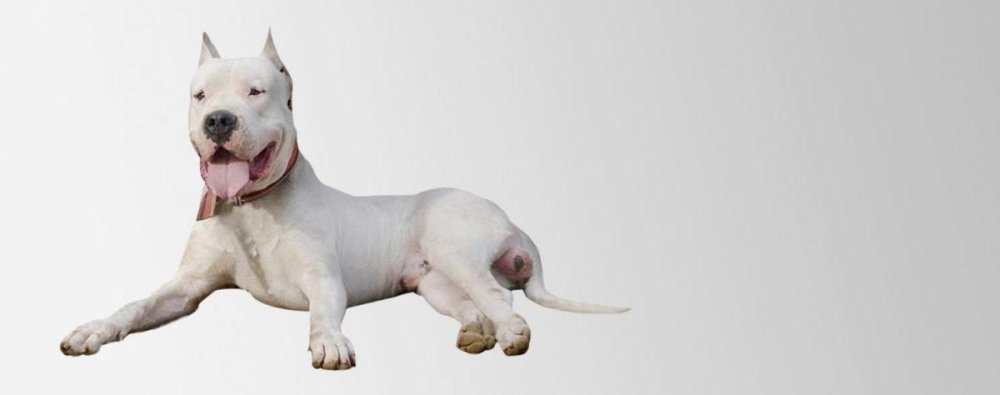
People usually come across the Gull Dong in a sideways way: a striking photo online, a conversation about “guard dogs”, or a moment of real uncertainty after seeing a powerful, unfamiliar dog being handled (or mis-handled) in public. It can be tempting to reduce the breed to a single story, either “naturally dangerous” or “misunderstood and harmless”. In practice, neither is very helpful.
What matters is the gap between what a dog is built for and the life we ask it to live. The Gull Dong is a large, athletic, protective type, and when dogs like this are under-socialised, poorly contained, or trained with force, problems can escalate quickly. When they are managed thoughtfully, with skilled training and realistic expectations, outcomes are far steadier and safer.
- Breed category: Working dog type
- Origin: India and Pakistan (South Asian subcontinent)1
- Size: Medium to large, strongly built (reported measurements vary)
- Coat: Short, dense
- Shedding: Moderate
- Energy level: High
- Handler fit: Best suited to experienced, safety-minded owners
Where the Gull Dong comes from, and why that history matters
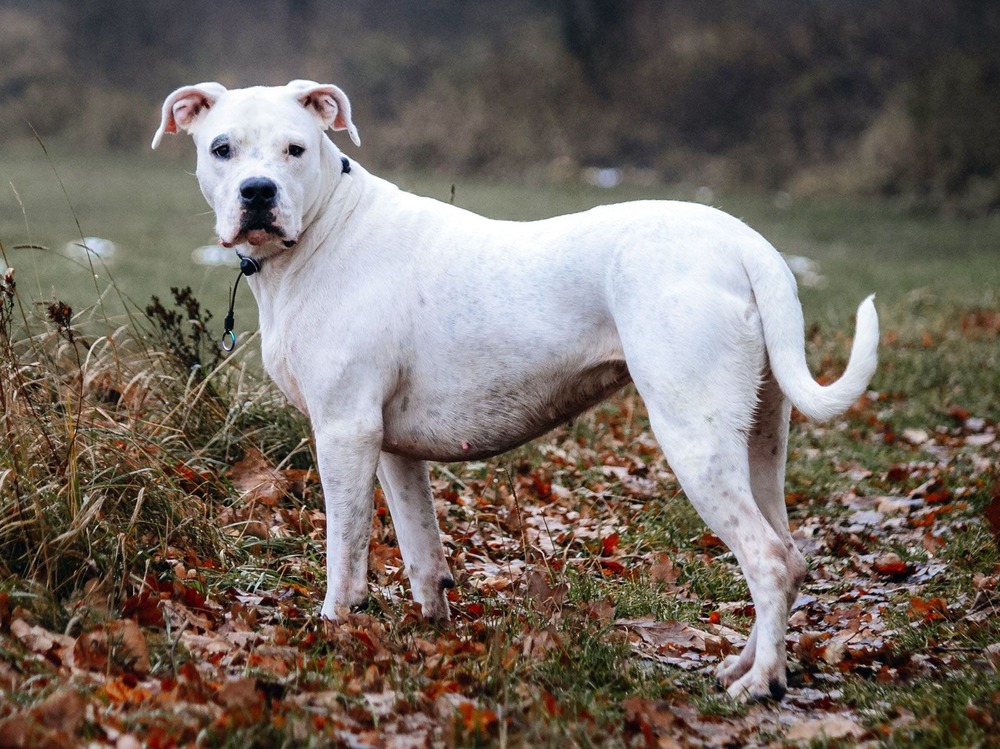
Most descriptions of the Gull Dong trace it to crossings between the Gull Terrier and the Bully Kutta, developed in the north-western parts of the Indian subcontinent over time.1, 2 Outside the region, it is not a formally standardised breed in the way many kennel club breeds are, so you will see variation in size, type, and temperament, and plenty of muddled identification.
It is also important to name the uncomfortable part of the story. The Gull Dong and related types are often associated with guarding and, in some contexts, dog fighting.1 That does not mean every individual dog is destined to be unsafe, but it does mean the breed’s reputation did not appear out of nowhere, and it makes management and selection far more important than wishful thinking.
When people describe these dogs as “fearless”, what they are often noticing is a combination of physical capability and persistence under stress. Those traits can be useful in legitimate working roles, but in a suburban life they can become risky if the dog is allowed to rehearse threatening behaviour, practise barrier frustration, or learn that pulling, lunging, and guarding “work”.
What people mean by “protective”, and what it can look like day to day
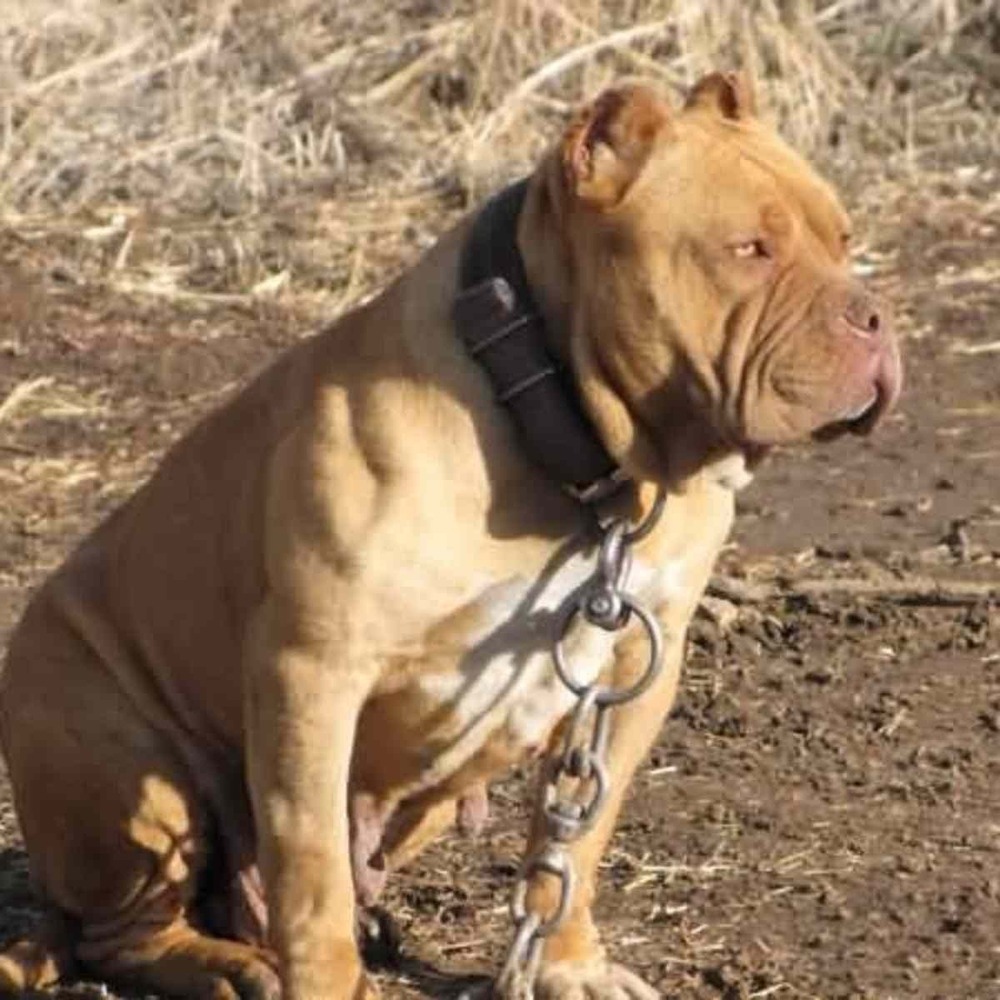
“Protective” can be a slippery word. In ordinary homes, it may show up as intense watchfulness, quick reactions to movement near fences and windows, suspicion of strangers, or strong responses when people approach the owner. Some individuals are socially confident, others are more reactive, and the difference often comes down to early experiences, socialisation, and ongoing handling.
Because these are heavy, fast dogs, small behaviour problems become big problems quickly. A jump, a body check, a mouthy grab at a lead, or a lunge at a gate can be more than a nuisance. It can be genuinely unsafe for visitors, neighbours, and the handler.
Children and visitors
Many serious incidents happen in ordinary domestic moments: a child running, a visitor leaning over, a dog startled while resting, or a doorway crowding situation. Even a well-meaning dog can bite under the wrong conditions. If a household includes children, regular child visitors, or frequent guests, it is worth being honest about the level of risk you can realistically manage, and whether a different breed would fit more comfortably.
Other pets
Lower tolerance for unfamiliar dogs is commonly reported in strongly territorial or historically guard-oriented types. That does not guarantee dog aggression, but it does mean you should plan for careful introductions, long-term separation options, and reliable containment, rather than assuming co-existence will “sort itself out”.
Training and socialisation that actually helps a powerful dog
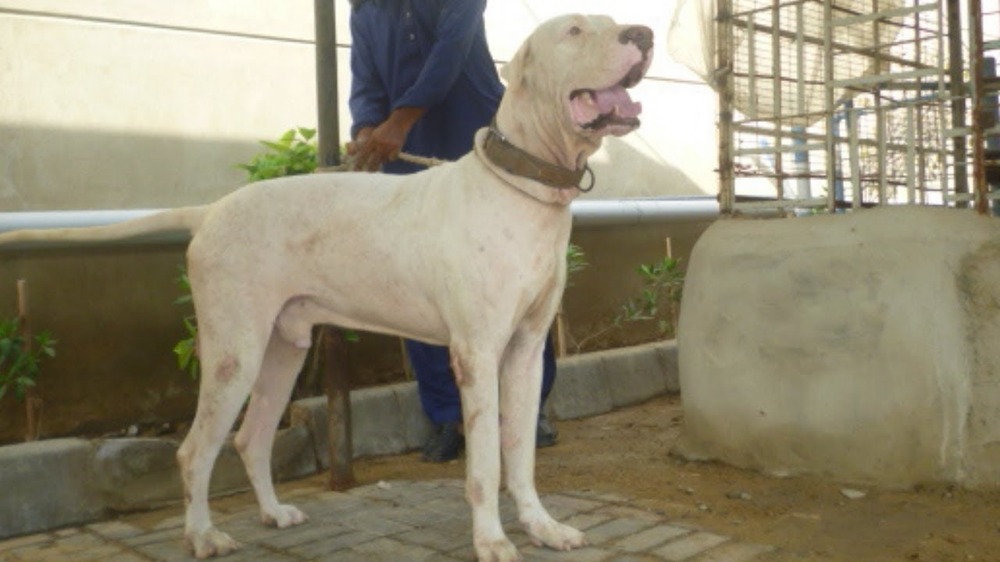
The most useful mindset with a Gull Dong is to train for the life you want, early and consistently, before the dog discovers how effective its body can be. Done well, training is not about “winning” or proving dominance. It is about teaching predictable skills, building calm habits, and reducing rehearsals of guarding and reactivity.
Australian animal welfare guidance strongly supports reward-based training and cautions against punishment and aversive methods (including equipment designed to cause discomfort or pain). These approaches can worsen behaviour problems and increase aggression risk in some dogs, especially those already struggling with arousal or fear responses.6, 7
What to prioritise
- Neutral socialisation: calm exposure to people, dogs, vehicles, and environments at a pace the dog can handle.
- Lead skills: loose-lead walking, turning away from triggers, and reliable “let’s go” cues.
- Stationing and settling: mat training, crate training, and being comfortable behind a gate or in another room when visitors arrive.
- Muzzle training: a well-fitted basket muzzle, introduced positively, can be a practical safety tool in some situations.
If you are seeing escalating reactivity, attempts to bite, or difficult-to-control guarding, it is sensible to involve a qualified professional early. Choose someone who can explain their methods clearly and who works without intimidation or pain-based tools.
Exercise needs, enrichment, and the “boredom factor”
High-drive dogs do not just need “a run”. They need an outlet that lowers stress rather than winding them up further. Repetitive, high-arousal play can create a dog that is fitter, faster, and more reactive. A better blend is usually steady aerobic exercise paired with sniffing, problem-solving, and calm skill work.
Practical options include:
- Long, unhurried walks with sniffing time (not just marching distance).
- Food puzzles and scatter feeding in the yard.
- Structured tug with clear rules and an “all done” cue.
- Basic scent games, like “find it”.
For many households, the non-negotiable is not the number of kilometres, it is the ability to provide safe containment and routine every day of the dog’s life.
Health considerations and routine care
Because the Gull Dong is not a tightly standardised, widely registered breed, there is limited breed-specific health data. Still, its size and build mean you should think like you would with other large, muscular dogs: joints, skin, and weight management matter.
Hips, joints, and body condition
Hip dysplasia is a common issue across many large breeds and can lead to arthritis, reduced comfort, and changes in mobility. Excess weight can make joint disease harder to manage, so keeping a dog lean is not cosmetic, it is protective care.8
Skin and coat
Short coats are not “no maintenance”. Regular brushing helps remove loose hair and gives you a chance to notice skin irritation, parasites, or small injuries early. If the dog is prone to itch, recurrent infections, or patchy hair loss, involve your veterinarian rather than cycling through shampoos and supplements.
Diet that suits the individual dog
You will often hear that these dogs “need high protein”. In reality, the best diet is one that meets recognised nutritional standards, matches the dog’s life stage and workload, and is adjusted based on body condition and health needs. The WSAVA Global Nutrition Guidelines are a helpful starting point for owners and veterinary teams when sorting through food claims and label confusion.5
Suitability, ownership reality, and community safety
It is worth saying plainly that not every strong breed is a good match for every home. The Gull Dong tends to suit people who are comfortable with firm boundaries, consistent routines, and proactive safety planning. That includes secure fencing, thoughtful visitor management, and a willingness to train for calm behaviour, not just control.
Conversations about “dangerous dogs” often get stuck on breed labels. Australian animal management guidance notes that breed-specific rules are not an effective standalone strategy for reducing dog incidents, and that prevention is more reliably supported by owner education, early intervention, and managing dogs based on individual behaviour.9
If you are considering a Gull Dong, it is sensible to ask hard questions before you commit. What is the dog’s early socialisation like? What are the parents like? Can you safely manage a large dog if it becomes reactive? Do you have realistic support, including a vet and a reputable trainer? For many people, choosing a different breed is not a failure, it is good judgement.
References
- Wikipedia: Gull Dong
- Wikipedia: Gull Terrier
- RSPCA Knowledgebase: Is it important to train my dog, and what sort of training is recommended?
- RSPCA Pet Insurance: Positive reinforcement training
- WSAVA: Global Nutrition Guidelines
- RSPCA Knowledgebase: What is reward-based dog training, and why does the RSPCA support it?
- RSPCA ACT: Dog training school (reward-based training)
- Cornell University College of Veterinary Medicine: Hip dysplasia overview
- Dog and Cat Management Board (South Australia): Position statements (breed-specific legislation)