

- Breed category: Hound (scenthound)
- Country of origin: Germany
- Average height: 48 to 55 cm at the withers
- Average weight: Males 30 to 40 kg, females 25 to 35 kg
- Average lifespan: 10 to 14 years
- Grooming requirements: Low, occasional brushing
- Exercise requirements: High, daily exercise and sniff-focused enrichment
- Coat type: Short, dense, harsh
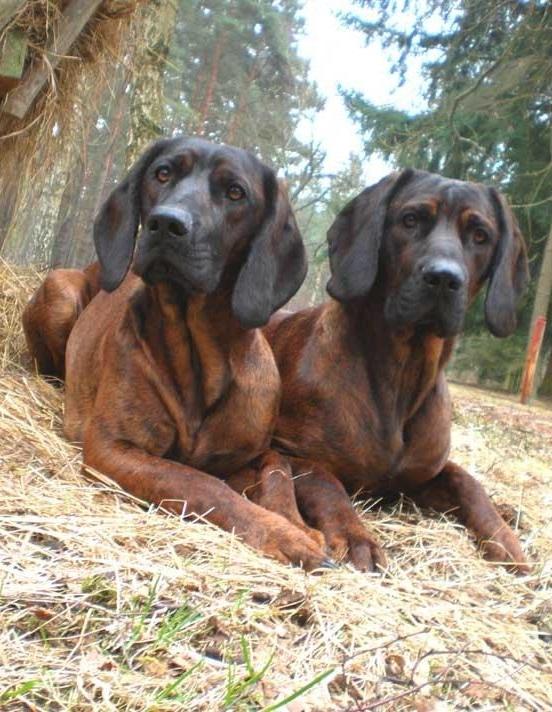
- Coat colour variations: Light to dark deer red, often brindled, with or without mask
- Shedding level: Moderate
- Ear type: Long and pendulous
- Tail type: Long, carried slightly curved
- Temperament (typical): Calm and assured, persistent on a track, reserved with strangers
- Training ease: Moderate, best with patient, reward-based methods
- Common health concerns: As with many medium to large breeds, joint disease can occur, and ear problems are common in pendulous-eared dogs
- Best suited for: Experienced, active homes that enjoy structured exercise and scent work
- Original purpose: Specialist tracking of wounded cloven-hoofed game
- Kennel club recognition (UKC): 1 January 1996
- Apartment friendly: Usually not ideal
You might come across the Hanover Hound because you have met one in the bush with a professional hunter, seen the breed name on a tracking harness, or noticed a dog that seems to switch on completely the moment its nose hits the ground. It can look like stubbornness from the outside, but with scenthounds, that intensity is often simply their job showing through.
A lot of people assume hounds are either noisy, chaotic, or “impossible to train”. The Hanover Hound (also called the Hanoverian Scenthound) tends to confound that stereotype. In day-to-day life, many are quiet and steady at home, then remarkably single-minded when they are working a scent.
Understanding that split matters in practice. It helps you plan realistic exercise, choose training methods that fit a nose-led dog, and avoid the common frustration of trying to out-stare a breed that has been shaped for careful, persistent tracking over distance.
Where the Hanover Hound comes from
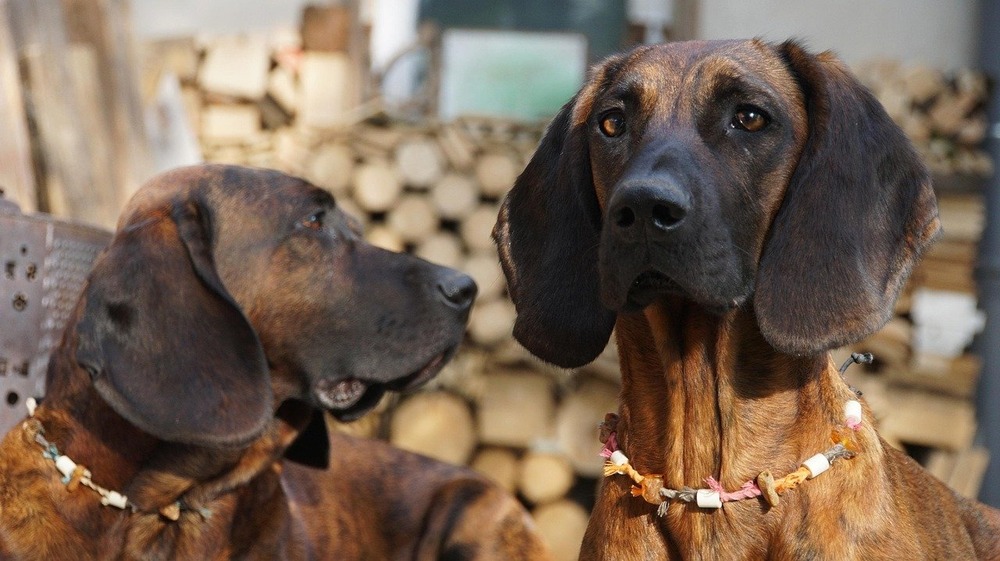
The Hanover Hound is a German scenthound developed as a specialist for “blood tracking”, following the trail of wounded game. Modern breed descriptions consistently place the breed in that narrow working niche, rather than as a general purpose hunting dog.1, 2
You will sometimes see broad claims about ancient bloodhound ancestry. It is fairer, and more useful, to say that the breed belongs to the wider European scenthound tradition, then was formalised into a recognisable type in Germany for tracking work that demands patience, accuracy, and the ability to keep working with the nose down.1, 2
That history still shows up in the modern dog. This is a breed selected for persistence on a trail, not for sprinting, flashy obedience, or being everyone’s best friend on first meeting.
What they look like, and why it matters
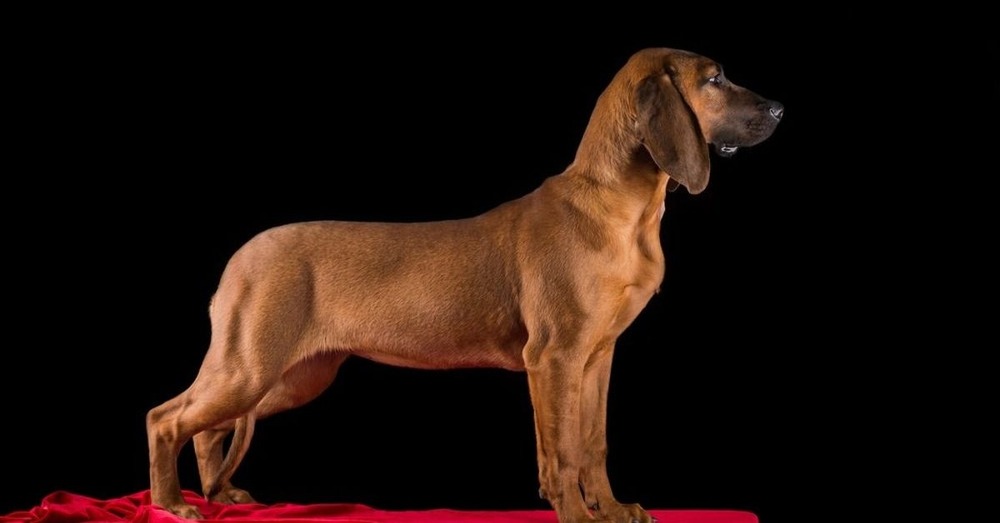
The breed standard describes a medium-sized, powerful dog with a short, dense, harsh coat in shades of deer red, often brindled, with or without a darker mask. Typical height is 50 to 55 cm for males and 48 to 53 cm for females, with weight commonly 30 to 40 kg for males and 25 to 35 kg for females.1, 2
Long, pendulous ears and loose facial skin are part of the classic scenthound outline. Functionally, though, these features come with care considerations: ears need routine checking, and a dog built for endurance benefits from staying lean and well-muscled rather than “solid”.3
In other words, appearance is not just aesthetics. It is a set of design choices that affect how you manage exercise, ears, and overall condition across the dog’s life.
Temperament in real homes
In the field, the Hanover Hound is known for calm concentration and determination on a track. The official standard also notes they can be discerning with strangers and sensitive with their handler, which often reads as a dog that bonds strongly, prefers predictable interactions, and does not always enjoy being rushed by unfamiliar people.1, 2
In a home setting, that can look like a dog who settles well once their needs are met, but who may not be thrilled by constant novelty. It is not necessarily “shyness” or “aloofness”. It is often a sensible working temperament paired with a strong preference for clear routines.
If you have children or frequent visitors, the practical aim is not to force friendliness. Focus instead on steady, positive socialisation, supervision, and giving the dog a safe place to retreat when the house is busy.
Training a nose-led dog
With scenthounds, training success is less about “winning” and more about building habits you can rely on. Reward-based training (positive reinforcement) is widely recommended by animal welfare organisations because it is humane, effective, and supports a good handler-dog relationship.4, 5
For a Hanover Hound, the biggest training wins usually come from two places:
- Recall and check-ins, taught gradually, then proofed around distractions
- Loose-lead walking, because a determined nose can easily drag a person through the world
It is also worth being clear-eyed about tools. Advice from welfare bodies cautions against aversive methods and equipment (such as shock collars and prong collars) due to welfare risks and the potential for worsening behaviour problems.4, 5
If you want a “job” that fits the breed, structured scent games are often more satisfying than repeating sits in the backyard. Short tracking lines in safe areas, hide-and-find, and scent trails laid in the garden can provide useful mental fatigue without needing endless kilometres every day.
Exercise and enrichment that actually works
Hanover Hounds are bred for stamina and focus. Many do best with a mix of physical exercise and nose work, rather than pure high-speed running. Think: long walks with opportunities to sniff, controlled tracking activities, and problem-solving games that let the dog use its strongest sense.
Practical, breed-friendly options include:
- Long-line decompression walks in safe areas
- Scatter-feeding in grass or a snuffle mat
- Simple tracking trails with a favourite toy or food reward at the end
- Rotating chew items and food puzzles to prevent boredom
If you notice your dog becoming harder to live with, it is often less about “dominance” and more about under-filled needs, especially the need to sniff, move, and work with you in a consistent way.
Health, lifespan, and preventative care
Commonly cited lifespan is around 10 to 14 years.6
Like many medium to large dogs, Hanover Hounds can experience orthopaedic issues such as hip dysplasia, and their pendulous ears can predispose them to ear problems in some individuals. A sensible approach is regular veterinary care, weight management, and early attention to any changes in gait, stiffness, or ear irritation.
One of the most protective things you can do for long-term joint comfort is to keep your dog in a healthy body condition. WSAVA’s nutrition resources highlight the use of body condition scoring as a practical tool for monitoring fat stores over time.3
If you are choosing a puppy, look for breeders who prioritise temperament and health screening, and who are honest about the realities of a working-bred scenthound in a modern home.
Grooming, ears, and everyday maintenance
The short coat is generally straightforward. Weekly brushing is usually enough to manage moderate shedding and keep the coat in good order. A quick wipe-down after muddy walks often matters more than elaborate grooming routines.
Where owners tend to get caught out is ears. Long, hanging ears reduce airflow, which can make some dogs more prone to wax build-up and irritation. Get in the habit of checking ears regularly, especially after wet weather, swimming, or dense scrub walks.
Nails, teeth, and general handling also matter. Calm, reward-based “husbandry training” (teaching the dog to accept checks and care) makes routine maintenance easier and safer for everyone.
Feeding: keeping the athlete lean
Because the breed is muscular and solid, it can be easy to overfeed without realising. The goal is a dog that looks and feels like an endurance worker, not a heavy companion animal. Using a consistent body condition scoring approach can help you adjust portions before small changes become a long-term weight problem.3
A few practical feeding pointers that suit many scenthounds:
- Measure the main diet, then count training treats as part of the day’s intake
- Use some meals for enrichment (scatter-feeding, puzzles) to support calm behaviour
- If weight creeps up, reduce calories first, then review exercise, rather than adding high-impact running
If you are unsure what to feed, your vet is the best place to start, particularly if your dog has skin issues, recurrent ear trouble, or changing energy needs with age.
Is the Hanover Hound the right fit?
The Hanover Hound tends to suit people who enjoy training as a long game, who like being outdoors, and who can provide structure without heavy-handedness. The breed’s strengths are clear: superb scent work, steady temperament, and deep focus when given a task that makes sense to them.1, 2
The trade-offs are just as real. Many will not thrive in a small, busy life with minimal outlets for sniffing and movement. If you want an easy off-lead café dog, a specialist tracking hound may not be the simplest choice.
But if you value a thoughtful working companion, and you are willing to meet the dog where it is, the Hanover Hound can be an unusually satisfying partner to live with.
References
- United Kennel Club (UKC): Breed Standards, Hanoverian Hound
- FCI Standard No. 213 (English): Hanoverian Scenthound
- WSAVA: Global Nutrition Guidelines (including body condition score tools)
- RSPCA Knowledgebase: Training recommendations and reward-based methods
- RSPCA ACT: Reward-based dog training approach
- Wikipedia: Hanover Hound overview (general reference)
- RSPCA Knowledgebase: What is reward-based training and why the RSPCA supports it
- zooplus Magazine: Hanover Hound breed profile (general reference)