

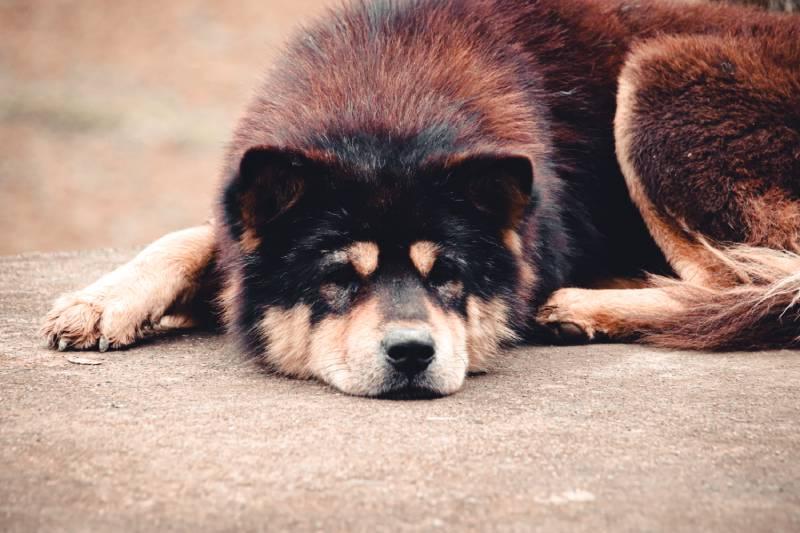
People usually start looking up the Hmong Bobtail after seeing a photo of a compact, spitz-like dog with a naturally short tail, then wondering if the story behind it is real, or if it is simply another internet “rare breed” myth.
It is a real Vietnamese breed, closely tied to Hmong communities in the northern highlands. Like many landrace and regional working dogs, what matters most in day-to-day life is not a perfect checklist of traits, but how the dog behaves in a home, how much activity it needs, and whether its instincts fit your routines.
If you are considering one, it helps to hold two ideas at once: these dogs can make steady companions in the right hands, and they are still shaped by a background of guarding and hunting work. That heritage tends to show up in energy levels, watchfulness, and a need for thoughtful socialisation.
At a glance: the Hmong Bobtail Dog
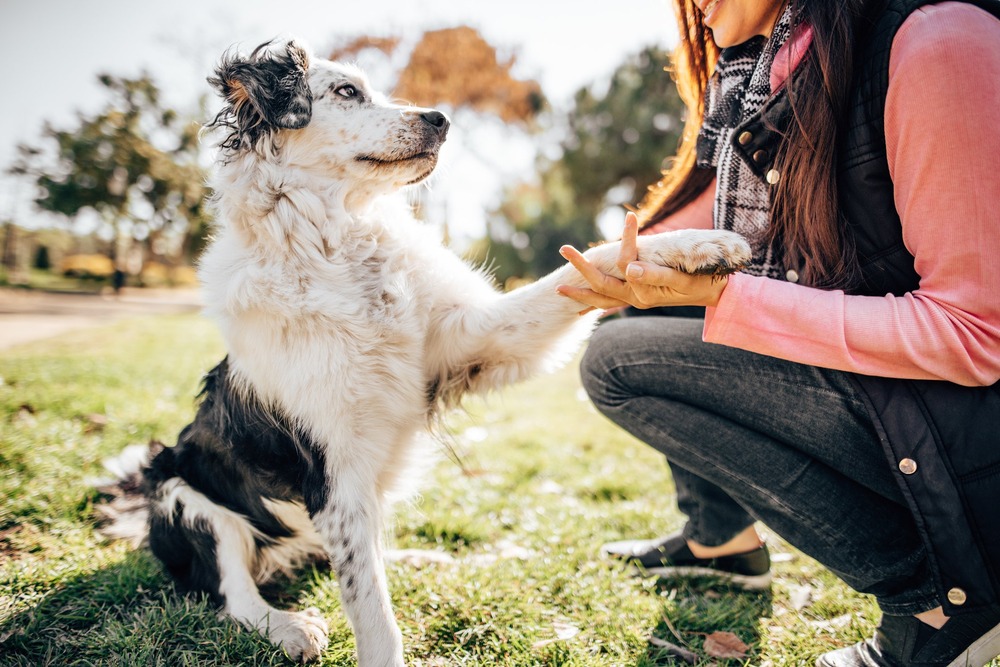
Origin: Vietnam, especially the northern mountainous regions associated with Hmong communities.1, 2
- Type: Spitz-type, traditionally a multipurpose working dog (guarding and hunting are commonly cited roles).1, 2
- Size: Medium. Commonly reported around 46 to 54 cm at the shoulder and roughly 16 to 26 kg, depending on sex and line.1, 2
- Tail: Often naturally short, but length can vary within the breed.2
- Temperament (general): Intelligent, bonded to its people, often reserved with strangers, commonly described as protective on home territory.1, 2
Because the Hmong Bobtail is still relatively uncommon outside Vietnam, you will see variation in descriptions of lifespan, health issues, and temperament. Treat broad claims (especially very high lifespan claims) as best case, not a guarantee, and lean on individual assessment, health testing, and good husbandry.
History and cultural context

The Hmong Bobtail is widely described as an old regional breed from Vietnam, associated with the Hmong people and used as a capable, hardy all-rounder in rural life.1, 2 In Vietnam it has also been promoted as one of the country’s “Four Great National Dogs”, which speaks to cultural pride as much as formal international recognition.1
Some origin stories go further, suggesting links to bobtailed dogs from southern China and migration history, plus other local legends. Those narratives can be meaningful culturally, but the evidence base is uneven, so it is worth keeping a gentle scepticism about the most specific claims unless they are backed by primary research.2
In practical terms, the important takeaway is simpler: this is a dog shaped by work, terrain, and close partnership with people, not a breed developed primarily for a show ring.
Physical characteristics that owners notice first

Most Hmong Bobtails are medium-sized, squarely built, and athletic. They are often described as spitz-type with upright ears and a dense coat suited to outdoor living.1, 2
The coat is typically short to medium and functional rather than silky. Colour descriptions vary by source, but darker coats are commonly reported, along with brown and other shades depending on lineage and local standards.2
The natural bobtail, what it means and what it does not
The short tail is often natural in this breed, not docked. Tail length can range from very short to longer, even within the same population.2
More broadly in dogs, one well-studied cause of a natural bobtail is a mutation in the T gene (often called the natural bobtail, NBT variant). It is typically inherited dominantly, and in many breeds the homozygous state is considered embryonic lethal, which can reduce litter size if two bobtail carriers are bred together.3
That does not prove every Hmong Bobtail carries the same variant, but it does explain why responsible breeders take tail genetics seriously, and why “cute traits” sometimes come with hidden breeding considerations.
Temperament and behaviour in a home
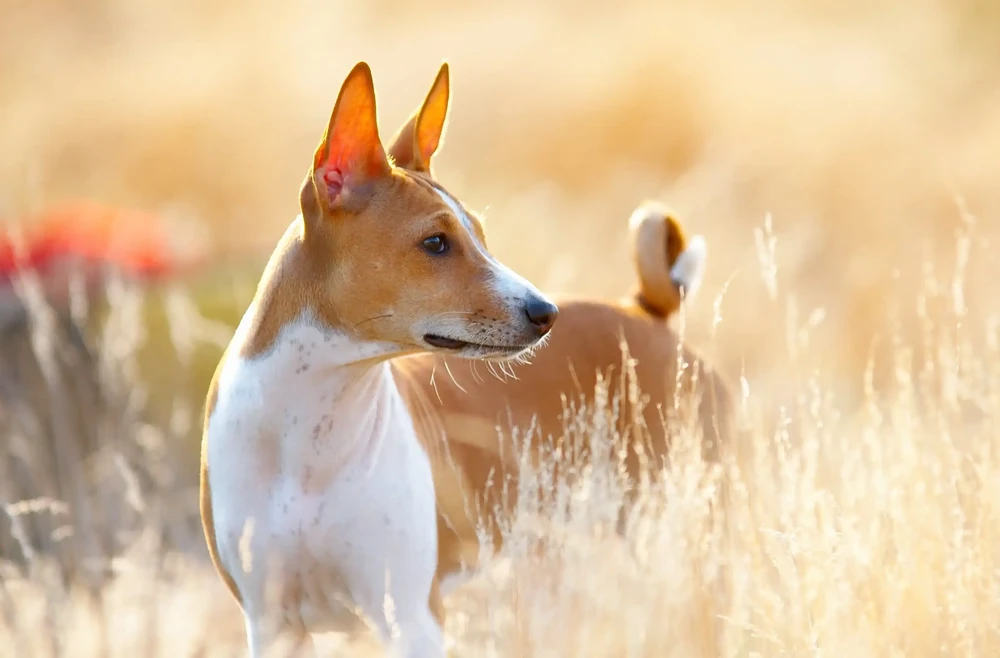
Descriptions of the Hmong Bobtail tend to agree on a few points: high intelligence, strong attachment to its people, and a tendency to be watchful. Many are reported to be more reserved with unfamiliar people, particularly at home, while being steadier in neutral public spaces when well socialised.1, 2
This mix can feel wonderful in the right setting. You get a dog that notices changes, settles close by, and takes its environment seriously. It can also be challenging if you expect an instant social butterfly, or if your household has constant comings and goings.
Children, visitors, and other pets
With children, the usual rules apply more than breed slogans do: supervision, teaching kids how to interact respectfully, and giving the dog predictable escape space. A dog with guarding heritage may cope best when it has clear routines and is not cornered by attention.
With other dogs, reports from breed communities suggest some individuals may develop selectivity or same-sex tension as they mature.2 Early socialisation helps, but it is not a promise. If you already have a dog at home, thoughtful introductions and management matter more than optimism.
Training and exercise, meeting the dog you actually have
For a working-bred dog, training is not just about manners, it is how the dog learns to live safely in a modern world. The best results usually come from consistent reward-based training, with clear boundaries and plenty of reinforcement for calm behaviour.
Socialisation is not forcing friendliness. It is giving the dog controlled, positive exposure to the things it will meet in daily life, then letting neutrality become normal.
- Mental work counts: scent games, search tasks, shaping exercises, and structured play.
- Movement matters: brisk walks, hikes, and safe off-lead running in secure areas.
- Settle skills: teach rest on a mat, quiet time, and switching off after activity.
Many owners underestimate how tiring calm training is for an intelligent dog. Ten minutes of focused work can take the edge off far better than another lap of the block.
Health considerations and lifespan
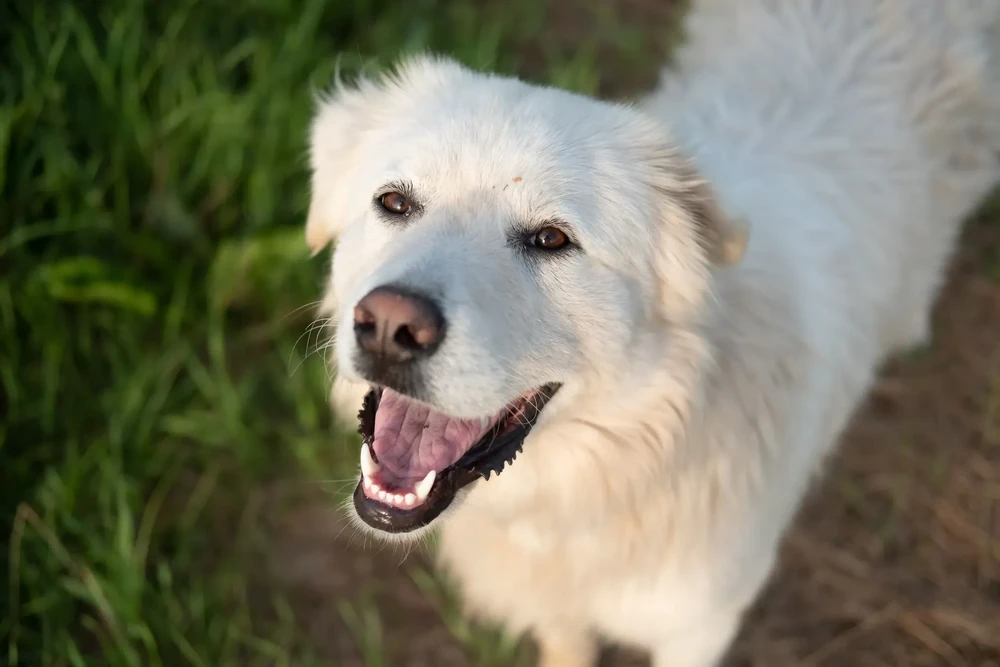
Because the breed is still emerging in many countries, there is limited large-scale data on disease prevalence. Some sources claim exceptional hardiness and very long lifespan, but those figures vary and should be treated cautiously unless supported by broader studies.1, 2
Like many medium to larger active dogs, hip health is worth taking seriously. Canine hip dysplasia is influenced by multiple factors, with genetics as a major risk, and rapid growth or excess weight potentially complicating development.4 If you are buying a puppy, ask what hip screening is done in the lines, and what the plan is if a dog develops problems.
For ongoing care, aim for at least annual veterinary check-ups, plus parasite prevention suited to your region and lifestyle.8
Grooming and day-to-day maintenance
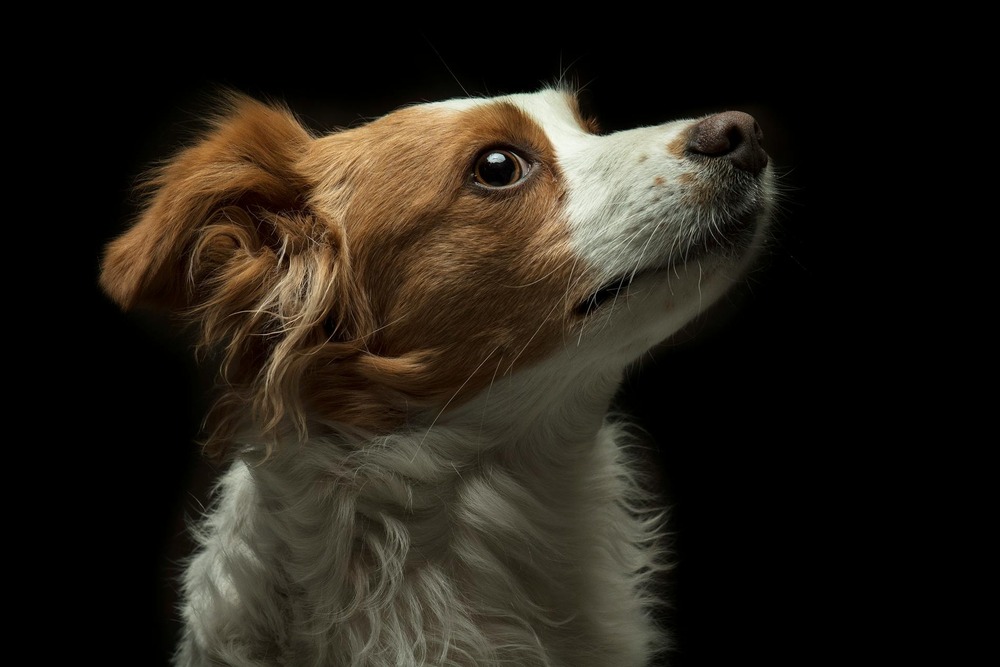
A dense, practical coat usually means straightforward care: brushing once or twice a week for most of the year, then more often during heavier shedding periods. Grooming is also your regular chance to check ears, pads, nails, and skin.
Bathing should be occasional and purposeful. Over-washing can dry skin and strip oils. A rinse after mud and a brush-out once dry often does more good than frequent shampooing.
If your dog is active outdoors, routine checks for grass seeds, ticks, and minor cuts are part of sensible maintenance, not fussiness.
Diet and nutrition, avoiding the common traps
Most owners start with the ingredient list, but it is an unreliable shortcut. WSAVA’s nutrition resources encourage looking at the bigger picture, including whether the food is complete and balanced, whether the company employs qualified nutrition expertise, and whether there is quality control behind the label.5
In Australia, RSPCA advice also emphasises portion control and feeding to the dog’s body condition, not the scoop size you wish were true. Your vet can help assess weight trends and adjust amounts realistically.6
Be careful with well-meant extras. Some foods are toxic to dogs, including chocolate, grapes and raisins, and onions and related plants.6
If you are considering raw feeding
Raw feeding is a topic where people often talk past each other. If you choose to feed raw, hygiene and nutritional balance matter, and it is wise to involve a veterinary professional, ideally with nutrition training. RSPCA guidance highlights food safety risks and the importance of using appropriate meat sources and careful handling.7
Is this breed likely to suit you?
The Hmong Bobtail tends to suit people who enjoy training, spend time outdoors, and appreciate a dog that is more observant than universally social. In many homes, the make-or-break factor is not exercise alone, but whether you can offer structure and predictable handling when the dog is uncertain.
If you live in a busy household with frequent visitors, or you want an easygoing dog that welcomes everyone without much guidance, you may find this breed harder work than expected.
When you meet one in person, look for steadiness more than theatrics. A good sign is a dog that notices new things, then recovers and re-engages with its handler, rather than escalating or shutting down.
References
- Wikipedia: Hmong bobtail dog
- Hmong Bobtail Club of America: Breed Info
- UC Davis Veterinary Genetics Laboratory: Natural Bobtail (NBT)
- American College of Veterinary Surgeons: Canine Hip Dysplasia
- WSAVA: Global Nutrition Guidelines
- RSPCA Knowledgebase: What should I feed my dog?
- RSPCA Pet Insurance: What should I feed my dog?
- Agriculture Victoria: Routine healthcare for dogs