

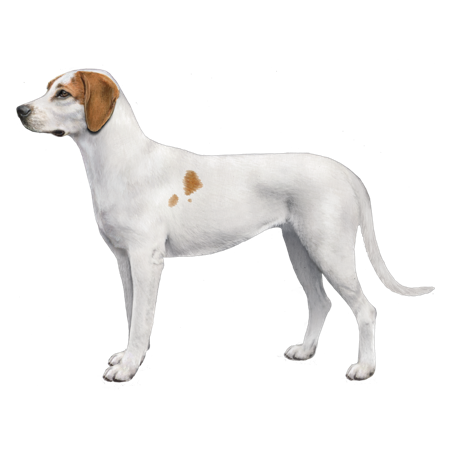
- Breed category: Hound (scenthound)
- Country of origin: Croatia (Istria)
- Typical height: 44 to 56 cm at the withers1, 2
- Typical weight: around 18 kg for an adult male (many sit in the mid teens to low 20s kg depending on sex and condition)1, 2
- Life expectancy: often around 12 to 15 years (varies by lines, lifestyle, and healthcare)
- Coat: short, smooth, dense
- Colour: white, with lemon to orange markings1, 2
- Grooming: low, with regular brushing and ear checks
- Exercise needs: high, built for steady movement and scent work
- Best suited to: active homes, people who enjoy training and outdoor time
You might come across the Istrian Shorthaired Hound in a photo, at a rare-breed show, or through someone who hunts and talks about “a proper nose” on a dog. On paper, it can look like a neat mix of simple needs and athletic charm: a short coat, a medium frame, and that classic hound outline.
In day-to-day life, though, the defining feature is not the look, it is the way the breed moves through the world by scent. That has practical consequences. A dog bred to follow a trail does not experience a walk the way many pet dogs do, and owners often have to adjust expectations around lead manners, recall, and how much mental work is enough.
When people describe this hound as “friendly and easy”, they are often noticing the social side at home. Outdoors, the working heritage comes to the surface. Getting the match right matters, because a well-managed Istrian Shorthaired Hound can be a steady companion, but an under-stimulated one can become noisy, distracted, or hard to contain.
Origins and what the breed was made for
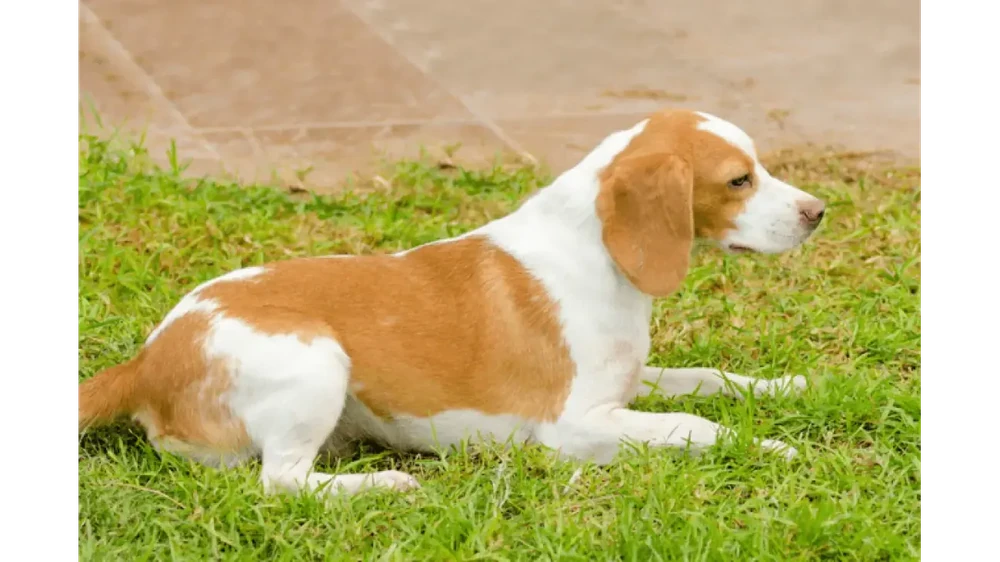
The Istrian Shorthaired Hound comes from the Istrian Peninsula in modern-day Croatia and is recognised internationally as a scenthound breed. In the FCI system, it sits among the running hounds and related breeds, shaped for tracking and pursuing game across mixed terrain.1
It helps to hold one idea in mind: this is a dog designed for patient, persistent scenting. That does not automatically mean high-speed sprinting all day, but it does point to endurance, a strong interest in the environment, and a tendency to “lock on” when a smell becomes interesting.
Some sources romanticise the breed’s history with stories of courts and frescoes. There are hints and references in various places, but much of it is hard to verify cleanly. What is clear, and well supported by the formal standards, is the purpose: a functional hound built to work by nose, voice, and stamina rather than to be ornamental.1, 2
Appearance and the small details people miss
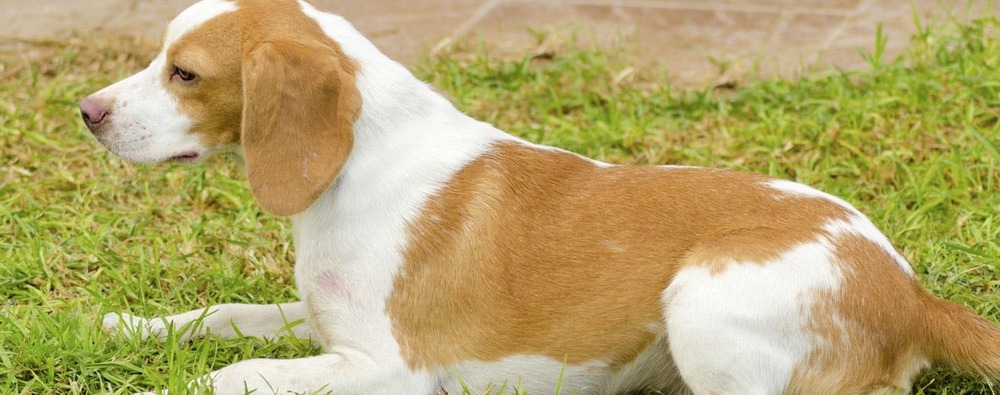
The breed standard describes a medium-sized, athletic hound with a short, glossy coat. Height is typically 44 to 56 cm at the withers, and an adult male is often around 18 kg, with females generally smaller.1, 2
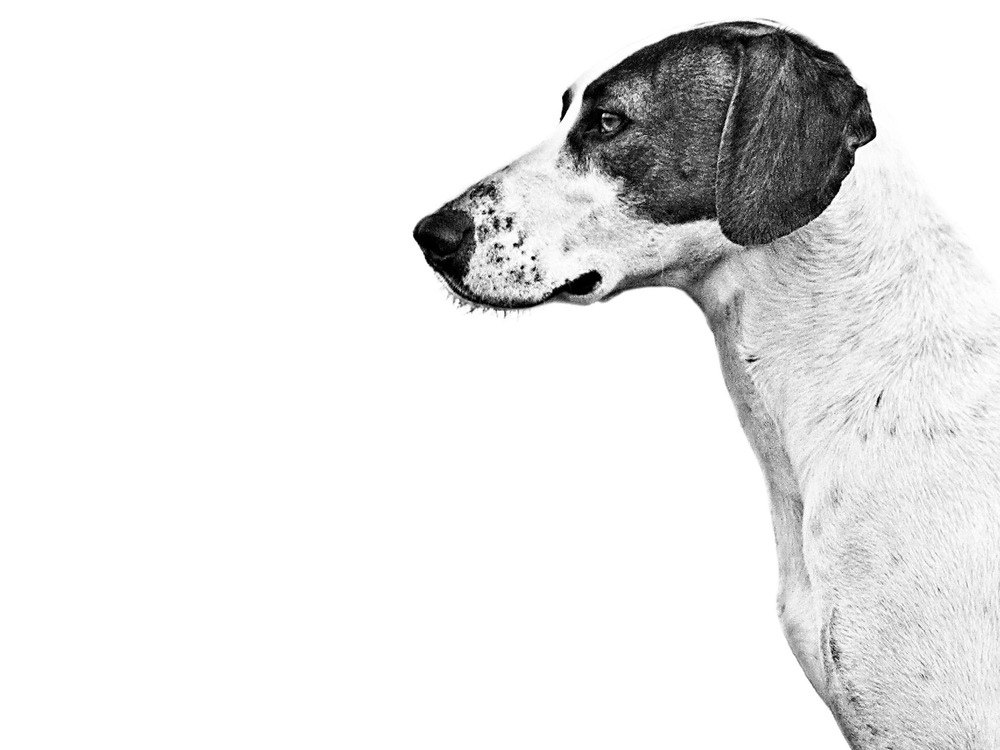
Colour is a key hallmark: white is dominant, with lemon to orange patches or markings. In the standards, the presence of a third colour is treated as undesirable, which is one of those little details that matters in conformation circles, even if it changes nothing about a pet dog’s daily life.1, 2
Those long, close-hanging ears contribute to the classic hound look. They also create a warm, sometimes damp environment that can make routine ear checks more than a cosmetic habit, especially for dogs that swim, hunt, or live in humid areas.3
Temperament in the home vs outdoors
Many Istrian Shorthaired Hounds settle nicely at home once their needs are met. They often enjoy being near their people, and they can be sociable with visitors when introduced thoughtfully. Still, it is worth remembering that “friendly” does not equal “uncomplicated”. A dog that is polite indoors can become absorbed outdoors once scents are available.
Owners often notice a particular kind of focus on walks. The dog’s brain is busy, scanning and sorting smells, and that can look like stubbornness if you expect constant eye contact or quick responses. In practice, success tends to come from teaching skills that respect the hound’s priorities, like structured sniff time, reinforcement for checking in, and gradual proofing around distractions.
If you have other animals, management matters. Some individuals live peacefully with other pets, but prey drive varies. Good outcomes usually come from early socialisation, safe setups, and realistic expectations about what “trustworthy” looks like for a scent-driven breed.
Training that fits a scent hound brain
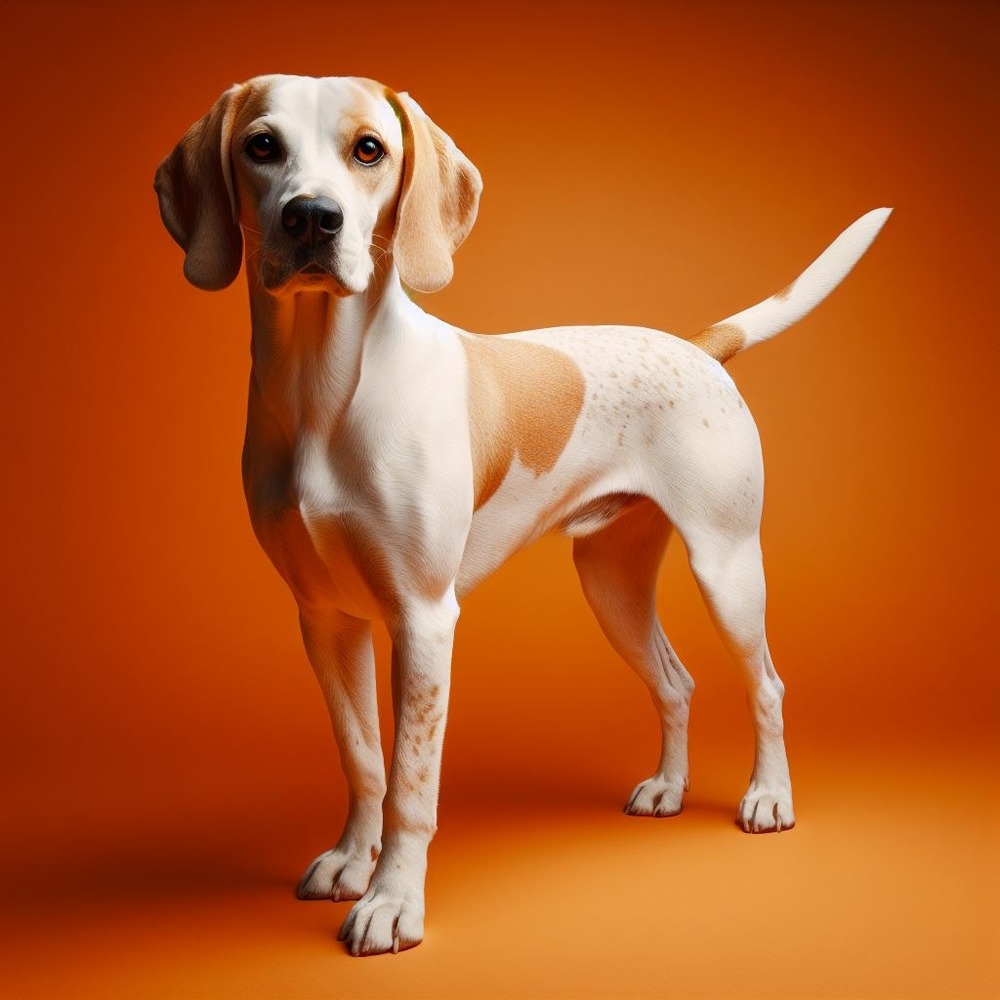
For most households, the most useful training goal is not perfection, it is reliability in everyday moments: coming when called, walking on lead without constant conflict, and being able to disengage from scents when you need it.
Reward-based training is widely recommended by welfare organisations because it encourages desirable behaviour without relying on intimidation or pain. With hounds, this approach is especially practical because the “reward” can be food, play, or sometimes permission to sniff, depending on what the dog values most in that moment.4
Consistency and repetition matter more than intensity. Short sessions, plenty of reinforcement for the behaviours you want, and careful management of the environment usually get better results than trying to “out-stubborn” a dog that is genetically primed to follow a trail.
- Recall: start on a long line, build value, and practise around low-level distractions before expecting success in bushland.
- Lead manners: teach a default pattern (checking in, loose lead), then deliberately schedule sniff breaks so the dog is not fighting you for access to the world.
- Enrichment: scent games at home can take the edge off restlessness, and often suit the breed better than endless ball throwing.
Exercise and enrichment, what “enough” usually means
This breed is typically described as high energy, but it is more helpful to think in terms of daily movement plus daily brain work. A fast run is not the only answer. Many hounds do best with a mix: a decent walk where sniffing is allowed, a second shorter outing, and a small amount of structured training or scent-based enrichment.
If you are considering off-lead time, safety comes first. A scent hound can travel a long way while following a trail. Secure areas, long lines, and a recall you have proofed carefully tend to be more realistic than relying on hope.
Apartment living is not automatically impossible, but it is rarely ideal unless the owner is very committed to exercise, enrichment, and noise management. Hounds can be vocal, and boredom can make that worse.
Health considerations and preventative care
No breed is “problem free”, and for rarer breeds it can also be harder to find good population-level data. Still, there are a few themes worth taking seriously.
Hip dysplasia is commonly discussed across many medium to large dogs. It involves abnormal joint development and laxity that can lead to pain and arthritis over time. Keeping dogs lean, building appropriate muscle, and seeking veterinary advice early if you notice stiffness or reluctance can make a real difference.5
Ear infections (otitis externa) are common in dogs generally and can be linked to underlying causes such as allergies, moisture, foreign material, or anatomical factors like pendulous ears. If you are seeing frequent head shaking, redness, odour, or discharge, it is worth treating it as a veterinary issue rather than a cleaning issue.3
Routine care is not glamorous, but it is effective: vaccinations and parasite prevention suited to your region, dental care, nail trims, and a regular check of skin, ears, and weight. The most practical long-term health strategy is often early attention to small changes.
Coat care, grooming, and day-to-day maintenance
The short coat is one of the easier parts of living with an Istrian Shorthaired Hound. A weekly brush usually handles loose hair and keeps the coat looking neat. Many owners find a grooming mitt works well.
Where you may spend more effort is on the “hound bits”: ears, nails, and fitness. Ear checks after wet weather, bathing, or swimming are sensible. Nails can wear down naturally in some dogs, but many still need regular trimming, especially if most exercise happens on softer surfaces.
Because this is a working-shaped breed, maintaining a healthy body condition is important. Extra weight does not just change how the dog looks, it changes how joints cope over years of movement.
Feeding, body condition, and choosing a diet without getting lost in marketing
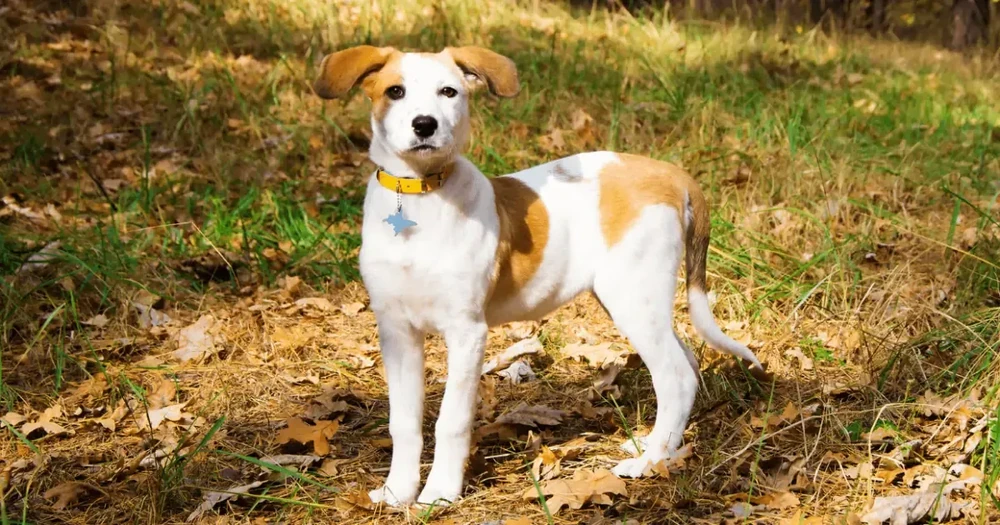
Most owners want a simple answer to feeding, but good nutrition is usually individual. Age, activity level, desexing status, and health conditions all matter, and “best” can change across a dog’s lifetime.
The WSAVA Global Nutrition Guidelines emphasise nutritional assessment as part of routine veterinary care, not a once-off decision. That is a helpful mindset for active breeds, where it is easy to underfeed a hard-working dog, or overfeed a pet hound whose exercise has quietly dropped over winter.6
If you are comparing foods, it can help to focus on a few grounded questions rather than buzzwords. For example, whether the diet is complete and balanced for the dog’s life stage, and whether the company provides clear information and quality control. Your vet can help you interpret labels and adjust portions based on body condition.
Living well with an Istrian Shorthaired Hound
The right home for this breed is not defined by acres, it is defined by routine. A household that enjoys walking, training in small bursts, and offering sniff-friendly enrichment often gets a dog that feels surprisingly easy to live with.
The mismatch tends to happen when people fall in love with the look, then discover the reality of a hound’s attention outdoors. If you go in expecting a dog that will naturally prioritise your voice over the environment, you might feel disappointed. If you go in expecting a dog that will need management, practice, and outlets for natural behaviours, you are much more likely to feel delighted by how steady and capable they can be.
If you are looking at a puppy or adult dog, ask about temperament, social experiences, and health screening where relevant. For any dog, but especially a breed you might not see every day, it is reasonable to take your time and choose carefully.
References
- Federation Cynologique Internationale (FCI): Istrian Short-haired Hound breed standard (No. 151)
- United Kennel Club (UKC): Istrian Short-Haired Hound breed standard
- Merck Veterinary Manual: Otitis externa in dogs and cats
- RSPCA Australia Knowledgebase: Reward-based dog training and why the RSPCA supports it
- American College of Veterinary Surgeons (ACVS): Canine hip dysplasia
- World Small Animal Veterinary Association (WSAVA): Global Nutrition Guidelines
- RSPCA Australia: Microchipping
- Agriculture Victoria: Microchipping requirements for dogs and cats (Domestic Animals Act)
- WA Department of Local Government, Sport and Cultural Industries: Microchipping requirements